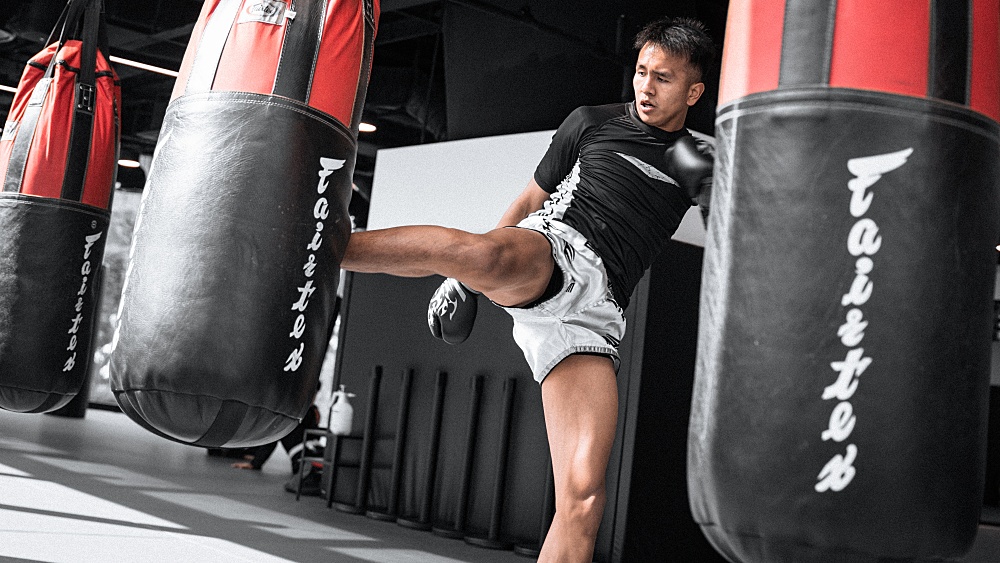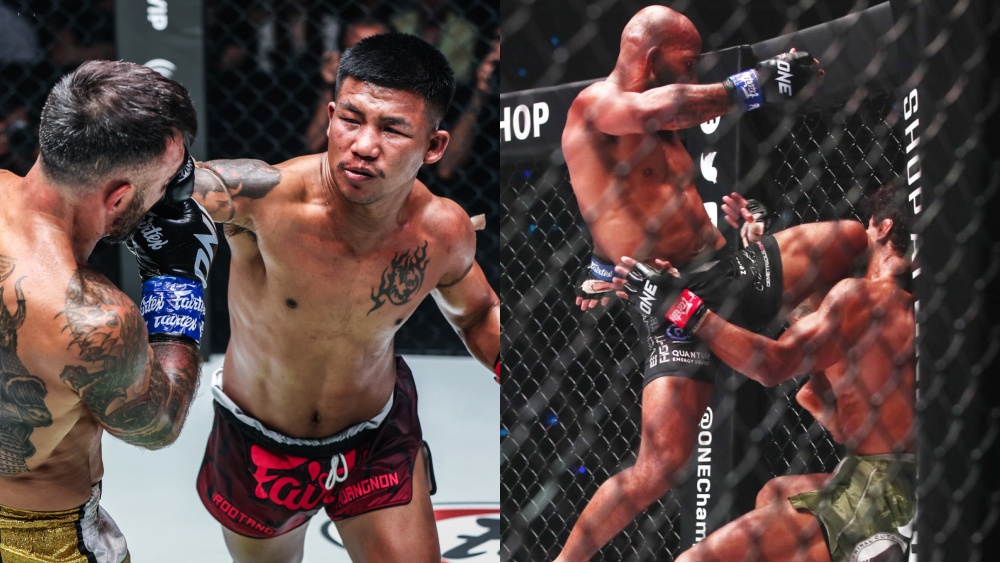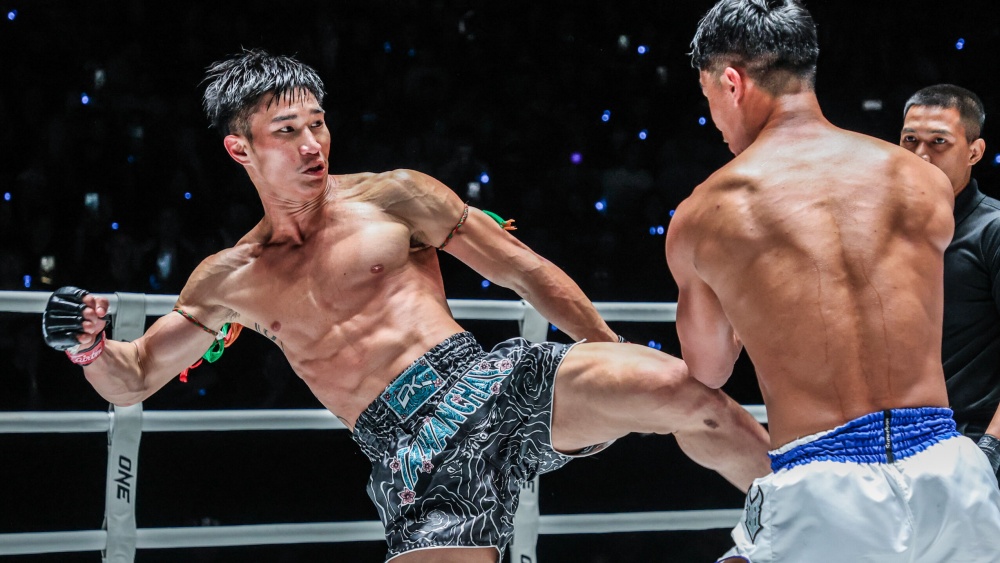
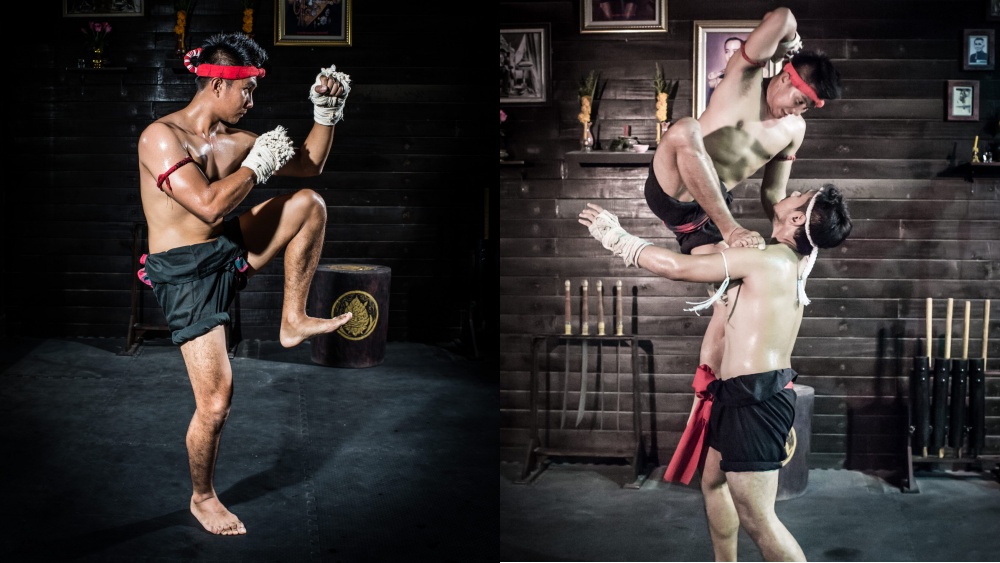
When most people in Singapore think of Muay Thai, they picture fast-paced strikes, clinches, and heavy kicks taught in modern martial arts gyms or featured in global events like ONE Championship. But behind the explosive modern form lies a much older system of Thai martial arts that many are only just beginning to rediscover. This is where Muay Chaiya comes in, a traditional style of Muay Thai known for its defense-first strategy, rooted postures, and smooth counterattacks.
Unlike the more upright and aggressive stances seen in the ring today, Muay Chaiya is slower, more methodical, and deeply tied to Thai culture. While it may not be as common in competitive settings, it offers valuable lessons for anyone looking to understand the deeper roots of Muay Thai, beyond what is commonly taught in martial arts gyms.
What Makes Muay Chaiya Different?
Muay Chaiya is one of the oldest traditional forms of Muay Thai, developed over 200 years ago in the southern province of Surat Thani. It was once used by royal guards to protect the Thai monarchy, making it a martial art with both practical and historical significance.
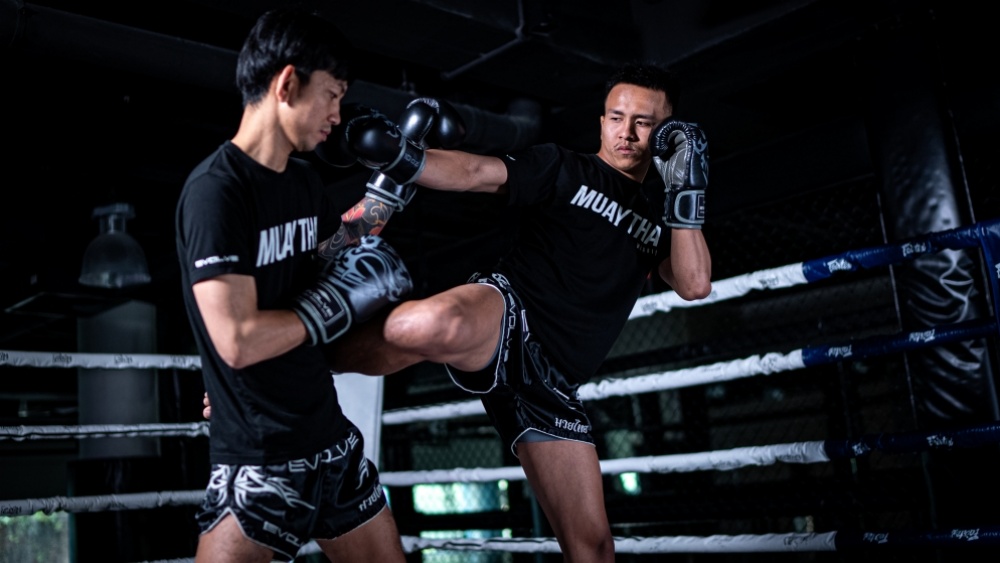
At first glance, its movements may appear less flashy, but its complexity lies in its structure. The footwork is lower to the ground, often resembling a crouched posture. Fighters maintain a firm base to create stability and allow for quick defensive shifts. The hands are kept close to the body, not just to strike, but to block and absorb force efficiently.
This makes Muay Chaiya ideal for self-defense. It focuses on timing, positioning, and counter-strikes. Practitioners are taught to “trap and attack,” meaning they wait for an opponent to strike first, only to redirect or deflect the blow and counter with precision.
Techniques Unique To Muay Chaiya
Traditional Muay Chaiya techniques are designed with efficiency in mind. They combine offense and defense into single movements. Here are a few elements that define the style:
- Yang Sam Khum (Three-Step Walk): A fundamental footwork pattern that builds balance and helps practitioners move in any direction without losing posture.
- Defensive Guards: The elbows and forearms are used not just to block, but also to attack. This method protects the core while turning defense into offense.
- Body Traps And Sweeps: Instead of engaging in continuous striking exchanges, Muay Chaiya fighters look for openings to off-balance their opponent using body manipulation.
These techniques are often practiced in slow motion before being applied with speed and power. The goal is to understand body mechanics and develop fluid motion.
The Philosophy Behind The Movement
One of the core ideas in Muay Chaiya is patience. It teaches students not to rush into a fight. Instead, you observe your opponent, feel their rhythm, and then act. This calm approach reflects traditional Thai values, discipline, respect, and mindfulness.
While modern Muay Thai emphasizes conditioning and toughness, Muay Chaiya is about control. Fighters train to breathe calmly, keep their center of gravity stable, and never waste energy on unnecessary movements. This philosophy appeals to many who are exploring Muay Thai not just as a sport, but as a lifestyle.
Muay Chaiya’s Place In Modern Training
Although Muay Chaiya is not commonly used in professional fights today, its techniques are still valuable. Many advanced Muay Thai fighters include elements of Muay Chaiya in their training to improve their defensive skills and tactical awareness.
Even if your goal is to train for fitness or personal growth, learning from Muay Chaiya can teach you the importance of staying composed under pressure. It encourages more thoughtful sparring and deeper awareness of your own movements.
Several trainers and cultural programs in Thailand have been working to preserve this ancient martial art. Some even offer workshops or short courses to students visiting from abroad. While not mainstream in Singapore yet, martial arts enthusiasts may come across Muay Chaiya principles in more traditional or specialized Muay Thai classes.
How It Differs From Other Traditional Styles
Muay Thai has several traditional branches beyond Muay Chaiya. Others include Muay Korat, known for its powerful strikes, and Muay Lopburi, which emphasizes evasive footwork. What makes Muay Chaiya stand out is its grounded base and heavy use of counterattacks.
Think of it as the “chess” version of Muay Thai. While Muay Korat is about force and aggression, Muay Chaiya is about reaction and redirection. It does not try to overpower an opponent with sheer strength, but rather outmaneuver them using clean mechanics and smart timing.
Final Thoughts
Muay Chaiya reminds us that martial arts are not just about speed and strength. They are about intention, awareness, and control. In a world where fast results and explosive workouts are everywhere, revisiting the roots of Muay Thai can offer something refreshing and deeply rewarding.
If you are practicing Muay Thai for fitness, self-defense, or cultural interest, learning about traditional styles like Muay Chaiya can give you a richer perspective. Its defensive structure, strategic mindset, and historical depth continue to influence generations of fighters and will likely continue to do so for years to come.
You may also like:
How ONE Championship Has Become The Gold Standard Of Modern Muay Thai