
Summary
Inflammation is a natural response that helps the body heal. However, chronic inflammation can lead to fatigue, discomfort, and long-term health issues.
Anti-inflammatory diets have become more popular in recent years as people look for natural ways to improve their health, reduce discomfort, and feel more energized. Anti-inflammatory diets also aim to reduce unnecessary inflammation by emphasizing foods that nourish the body and limiting ingredients that may cause stress to your system.
These diets are not strict meal plans. They are flexible approaches that encourage healthier choices through whole and minimally processed foods.
This guide explains what an anti-inflammatory diet is, how it works, and whether it truly delivers benefits.
Key Takeaways
- Anti-inflammatory diets focus on whole foods such as fruits, vegetables, lean proteins, and healthy fats that support overall wellness.
- Many people experience improved energy, better digestion, and more stable moods when they reduce highly processed foods.
- While not a cure for medical conditions, an anti-inflammatory diet can be a helpful lifestyle approach that supports long-term health.
Foods That Support An Anti-Inflammatory Lifestyle
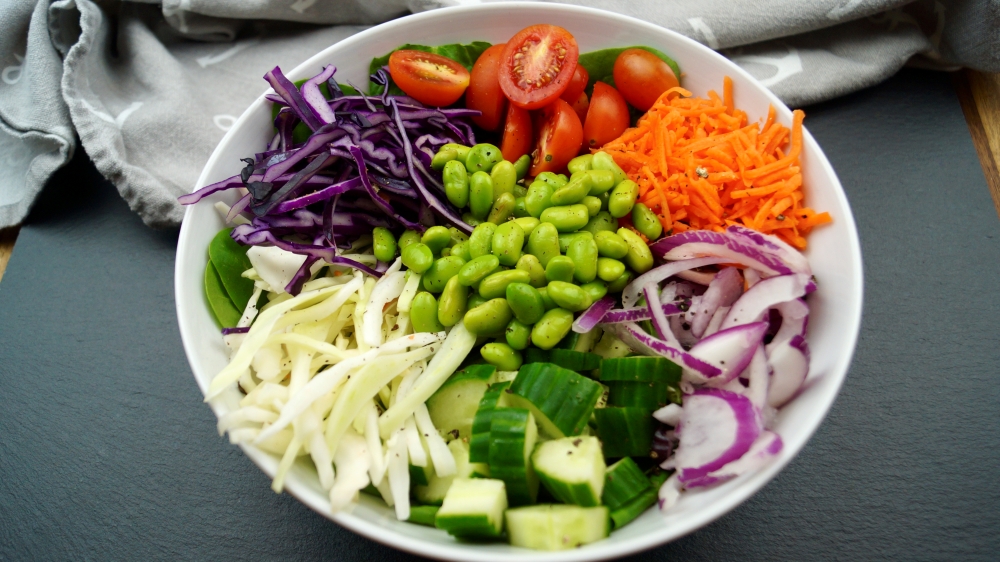
- Fruits And Vegetables: Colorful foods like berries, leafy greens, pumpkin, broccoli, and peppers contain vitamins and antioxidants that support your cells and overall energy levels.
- Whole Grains: Oats, brown rice, quinoa, and whole-grain breads offer steady energy without large spikes and crashes.
- Lean Proteins: Options like fish, chicken, tofu, and legumes support muscle recovery and daily function.
- Healthy Fats: Avocados, olive oil, flaxseed, and fatty fish provide nutrients that help the body maintain balance.
- Hydration: Water and herbal teas help your body flush waste and support normal digestion.
Foods That May Trigger More Inflammation
You do not need to eliminate foods completely, reducing certain items may help you feel better. These include:
- Highly Processed Snacks
- Sugary Drinks
- Deep Fried Foods
- Excessive Alcohol
- Large Amounts Of Refined Carbohydrates
Eating these occasionally is fine, but having them daily can make your body work harder.
Do Anti-Inflammatory Diets Actually Work?
For many people, yes. An anti-inflammatory eating style can help you feel lighter, more energized, and more stable throughout the day. It can also support healthier digestion and improve the way your body responds to daily stress.
It is not a replacement for medical treatment, but it can complement a healthy lifestyle by giving your body what it needs to perform well.
People often report benefits such as:
- Better Mood
- Improved Sleep
- Fewer Energy Crashes
- Easier Time Managing Weight
- Clearer Skin
The effectiveness comes from consistency rather than strict rules.
Why These Diets Are Easy To Maintain
Anti-inflammatory diets are simple because they focus on adding more whole foods into your day rather than restricting everything you enjoy. Small changes like adding more vegetables to meals, drinking more water, and limiting processed foods can already make a difference.
This flexible structure makes it easier for beginners and families to follow without feeling overwhelmed.
A Beginner-Friendly Example Day
Breakfast
- Oats with berries and honey.
- Whole-grain toast with eggs and avocado.
- Greek yogurt with bananas and a handful of chia seeds.
Lunch
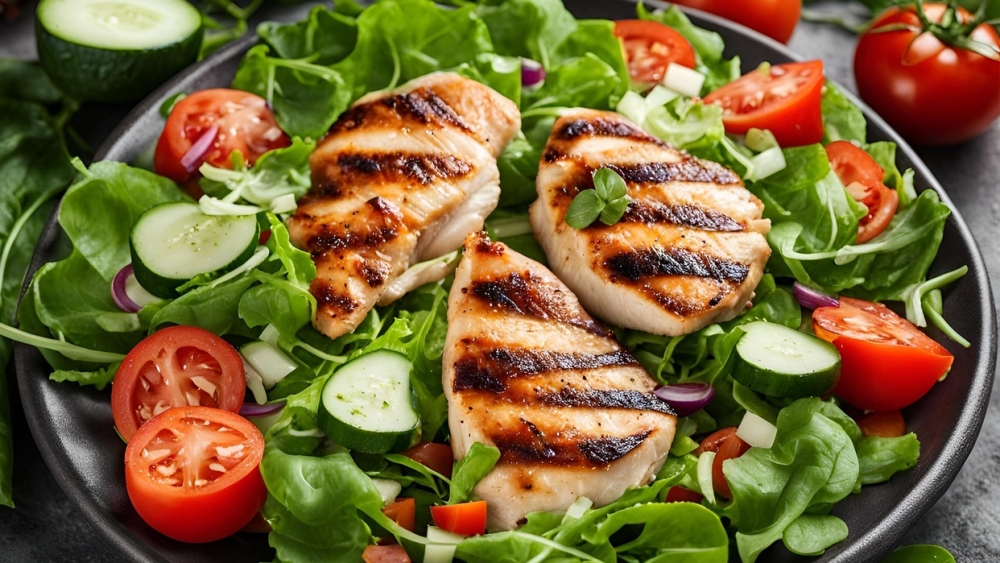
- Grilled chicken salad with mixed greens and olive oil.
- Brown rice with tofu, steamed broccoli, and sesame dressing.
- Salmon bowl with quinoa, cucumbers, tomatoes, and lemon.
Snack
- Fresh fruit like apples, oranges, or grapes.
- Yogurt with a drizzle of honey.
- Whole-grain crackers with hummus.
Dinner
- Salmon with rice and steamed vegetables.
- Stir-fried vegetables with lean beef or chicken served over whole-grain noodles.
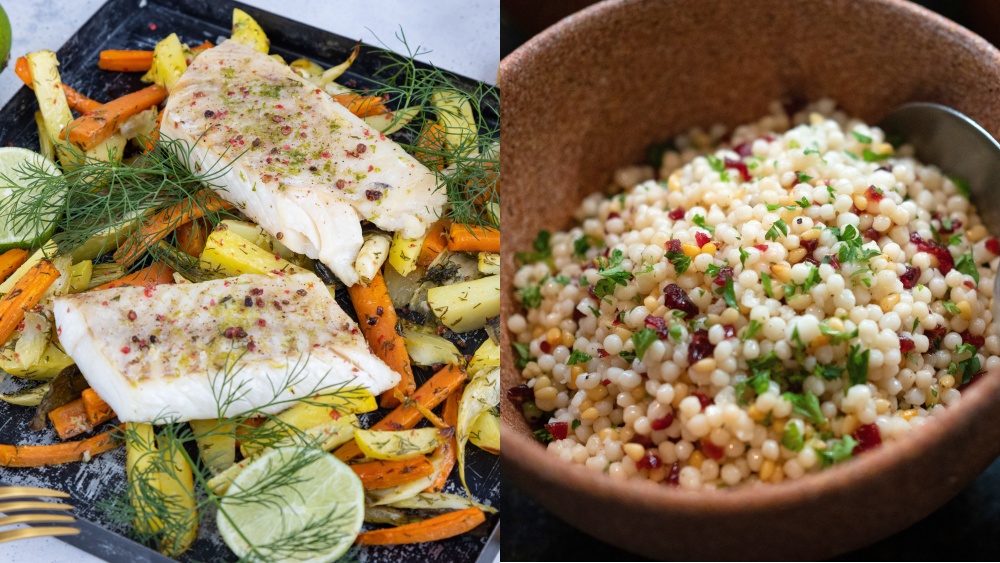
- Baked fish or tofu with sweet potatoes and mixed greens.
These meals are simple, accessible, and support daily energy without complicated planning.
FAQs On Anti-Inflammatory Diets
Q: Do Anti-Inflammatory Diets Help With Weight Loss?
A: They can, mainly because whole foods are more filling and lower in empty calories.
Q: Are These Diets Expensive To Follow?
A: Not necessarily. Many affordable foods like vegetables, rice, eggs, and fruits already support this approach.
Q: Do I Need To Avoid Certain Foods Forever?
A: No. It is more about balance rather than restriction.
Q: Can Beginners Start Without Guidance?
A: Yes. Start with small steps like reducing processed foods and adding more fresh produce.
Q: Is It Safe For Kids And Families?
A: Yes. It promotes general healthy eating habits that benefit most people.
Final Thoughts
Anti-inflammatory diets are effective for many people because they promote simple and sustainable eating habits. By focusing on whole foods and reducing processed items, you support your body in a natural way that can improve daily energy and overall well-being. It’s a gentle and realistic approach that fits easily into everyday life and helps you build long-lasting, healthy habits.
You may also like: