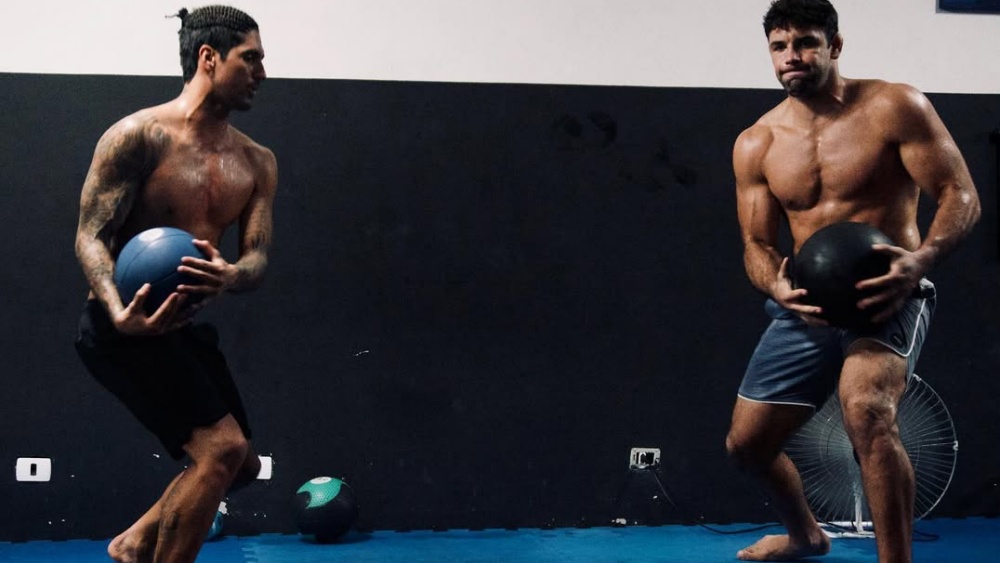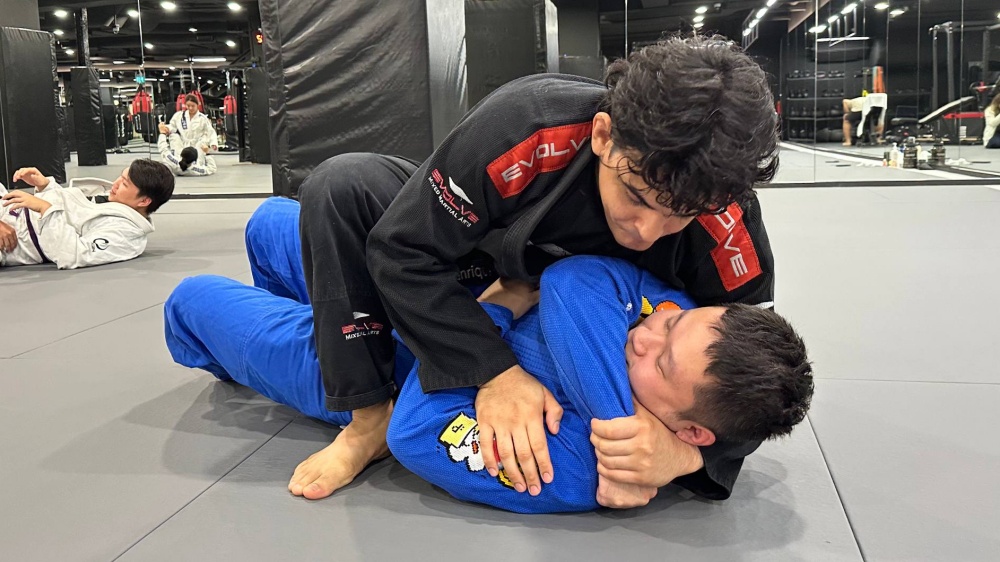
Brazilian Jiu-Jitsu, often called BJJ, is a martial art that blends strategy, technique, and physical conditioning. While rolling and sparring are the most exciting parts of training, drills are what build the foundation for success. All around the world, martial arts gyms emphasize the importance of drilling for both beginners and advanced students. They are the building blocks that sharpen technique, improve timing, and help practitioners move smoothly on the mats.
Why Drilling Matters In BJJ
In Brazilian Jiu-Jitsu, knowledge alone is not enough. You can learn a technique during class, but without repetition, it rarely becomes second nature. Drilling fills this gap by reinforcing movement patterns until they feel automatic. When you drill consistently, your reactions improve, and you waste less energy while rolling.
Drilling also allows practitioners to focus on details that are easily missed in rolling. A slight change in your hips or grip can decide whether you finish a submission or even escape an attempt. By practicing these details over and over, students develop efficiency and confidence. Whether your goal is self-defense, competition, or fitness, drilling can make you a more well-rounded grappler and develop every aspect of your game regardless of your level.
Some of the most important BJJ drills can be practiced without a partner. Solo drills focus on body mechanics and movement, making them ideal for warmups or home practice.
1) Shrimping
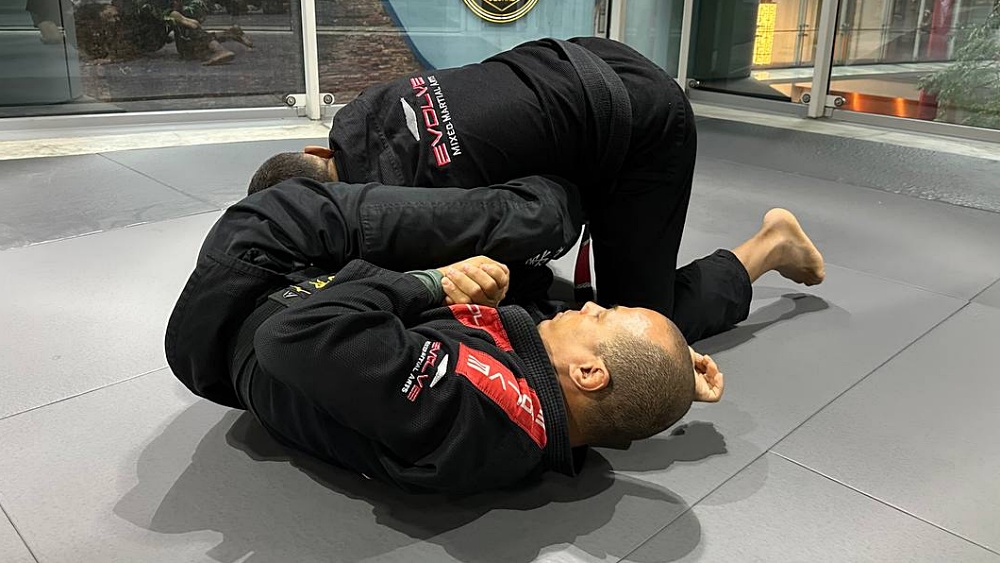
One of the most basic fundamental moves, shrimping teaches the art of moving your hips away from an opponent’s pressure. It is one of the most fundamental movements in BJJ because it underpins escapes from side control and mount.
2) Bridging
The bridge is another essential solo drill. It builds core and leg strength while teaching how to generate power from the hips. Bridging is often the first step in reversing a dominant opponent.
3) Technical Stand-Up
This drill teaches the safest way to return to your feet while protecting yourself. It is used in self-defense scenarios as well as during rolls, making it practical for every student.
These solo drills may look simple, but they develop balance, coordination, and the foundation of movement in BJJ.
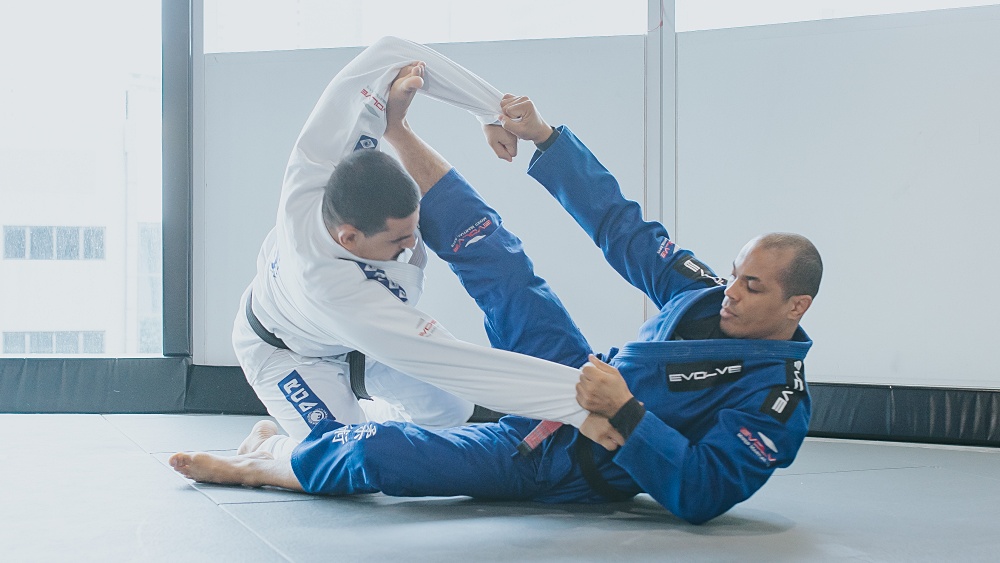
Working with a partner introduces timing and reaction into drilling. Instead of just repeating a move in the air, you practice against a live and resisting opponent.
1) Guard Passing Drills
Passing an opponent’s guard is one of the goals in BJJ. Have your partner play guard while the other works on different passing techniques. The goal is not to resist but to build smooth, continuous motion.
2) Positional Control Drills
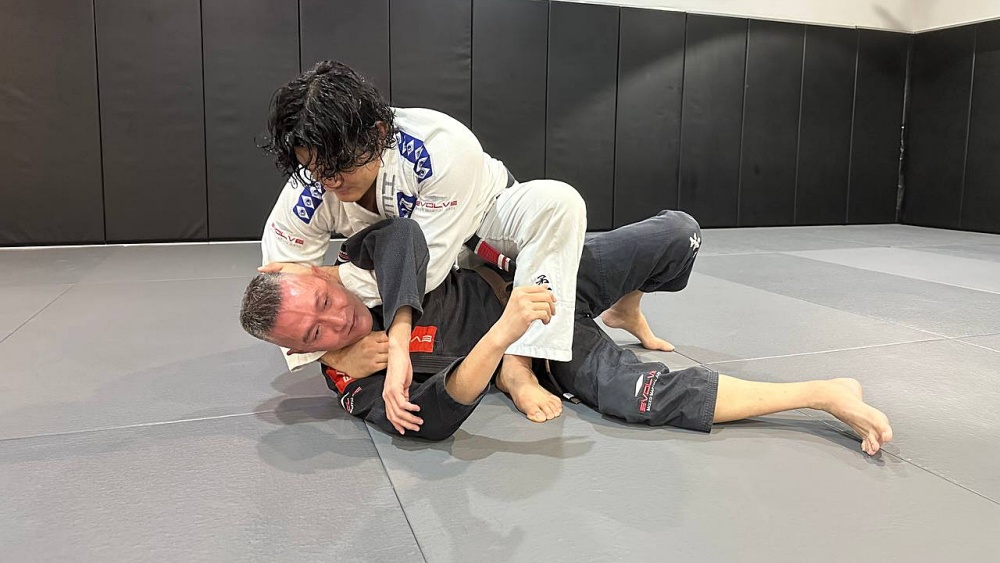
These focus on maintaining dominant positions like mount, back control or side control. The partner on bottom tries to escape lightly, while the top partner works to adjust balance and control.
3) Guard Retention Drills
The guard is one of the most important positions in BJJ. In this drill, the top partner applies steady pressure while the bottom partner practices framing, hip movement, and regaining guard.
These drills teach control without the intensity of full rolling, which allows students to refine technique in a focused way.
Positional And Submission Drills
Beyond movement, drilling specific submissions and sweeps builds confidence in applying techniques.
1) Armbar From Guard
By repeating the setup and finish of the armbar, students learn how to attack quickly without losing position.
2) Triangle Choke Entries
Triangles require precision and timing. Drilling the entries over and over makes the movement more natural, increasing the chance of success in live sparring.
Drilling sweeps like the scissor, hip bump, and flower sweep in combination helps build creativity. If one sweep fails, another flows immediately after.
These drills highlight how BJJ is not about single moves but about linking techniques together into effective chains.
Flow Drills
Flow drills combine everything into one sequence. Instead of practicing a single move, students link a series of techniques into a fluid cycle. For example, a guard pass transitions to side control, then to mount, and finally into a submission attempt. After completing the cycle, the partner reverses and the sequence starts again.
Flow drilling develops timing, anticipation, and adaptability. It encourages practitioners to think ahead rather than react in the moment. Many high level athletes credit flow drills for helping them develop a game that feels natural and creative. For beginners, it is also a fun way to practice transitions without the stress of full sparring.
Final Thoughts
Drills are the heartbeat of Brazilian Jiu-Jitsu. They may not carry the thrill of rolling, but they are where mastery begins. Solo drills build body awareness, partner drills sharpen timing, and submission drills turn techniques into reliable tools. Flow drills then bring everything together into a style that feels fluid and adaptable.
Every great BJJ practitioner, from beginners to world champions, relies on consistent drilling to progress. It is not about how many techniques you know, but how well you can apply them under pressure. By making drills a regular part of training, you create the habits and instincts that define success on the mats.
You may also like:
The Art Of The Wristlock: From Aikido Origins To BJJ Submissions