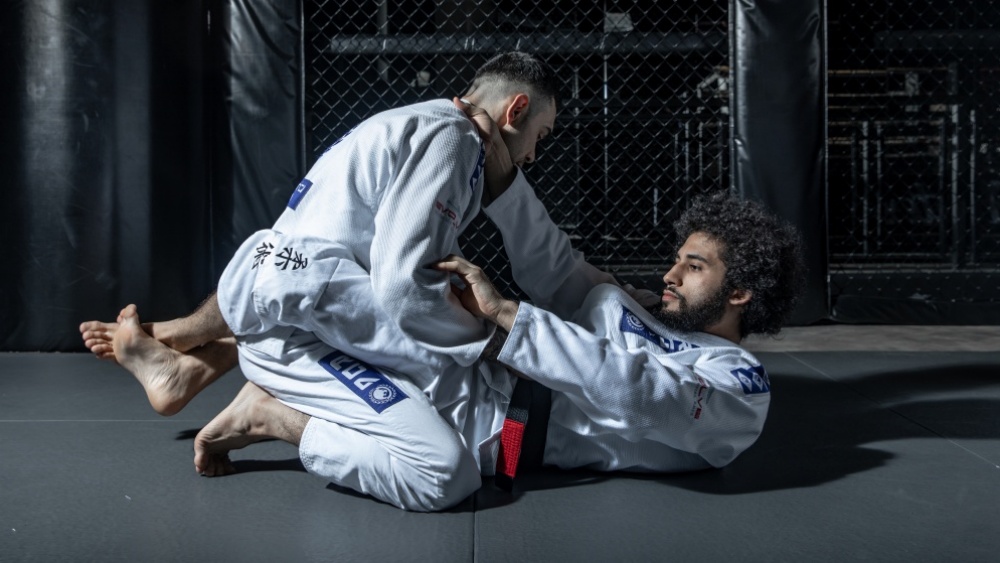
In Brazilian Jiu-Jitsu, everyone talks about sweeps and submissions from various guards. But here’s the thing, most people learn the hard way and none of that matters if you can’t keep your guard in the first place.
Guard retention is the art of staying in the fight. It’s how you stop your opponent from passing and putting you in survival mode. It’s not flashy, and it’s rarely taught with the same excitement as armbars or triangles. But without it, your guard game crumbles.
So let’s break down what guard retention actually is, how the best players build it in layers, and why the “4 Corners” rule might be the single most useful concept for keeping your hips in the fight.
What Is Guard Retention?
It’s easy to think of guard retention as just “not letting them pass.” But that’s only part of the picture. Real guard retention is about managing distance, angles, frame, and doing all of it before your opponent fully breaks your position.
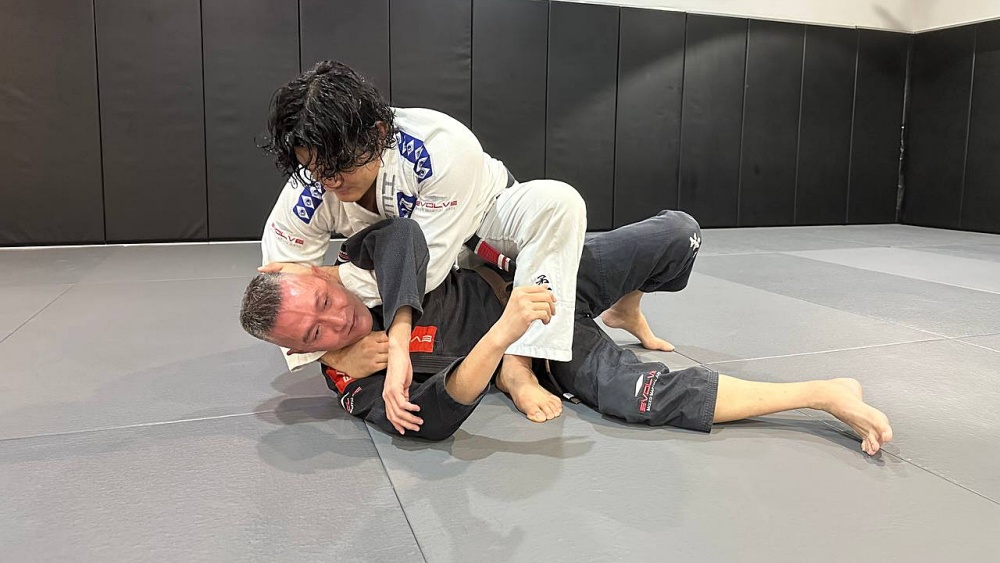
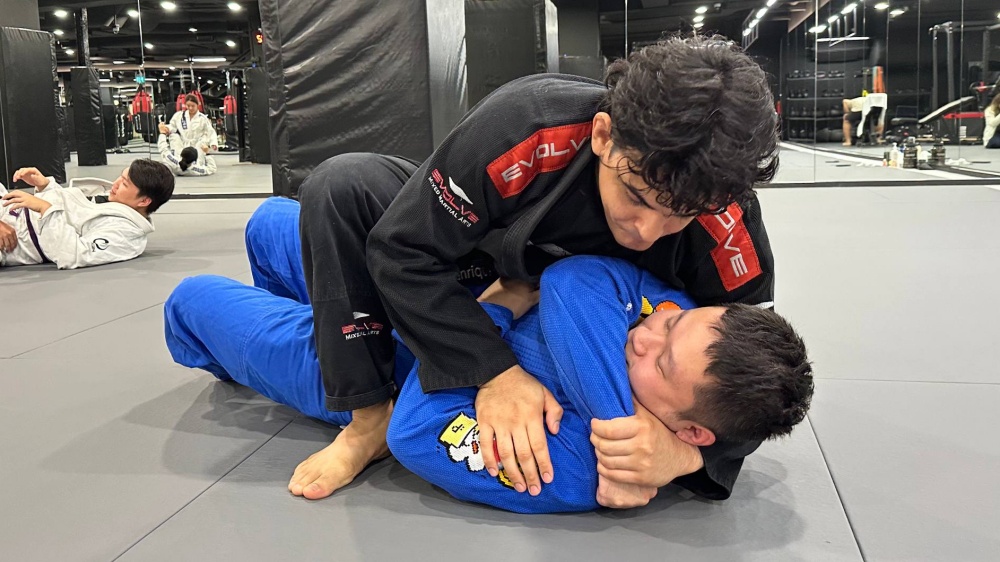
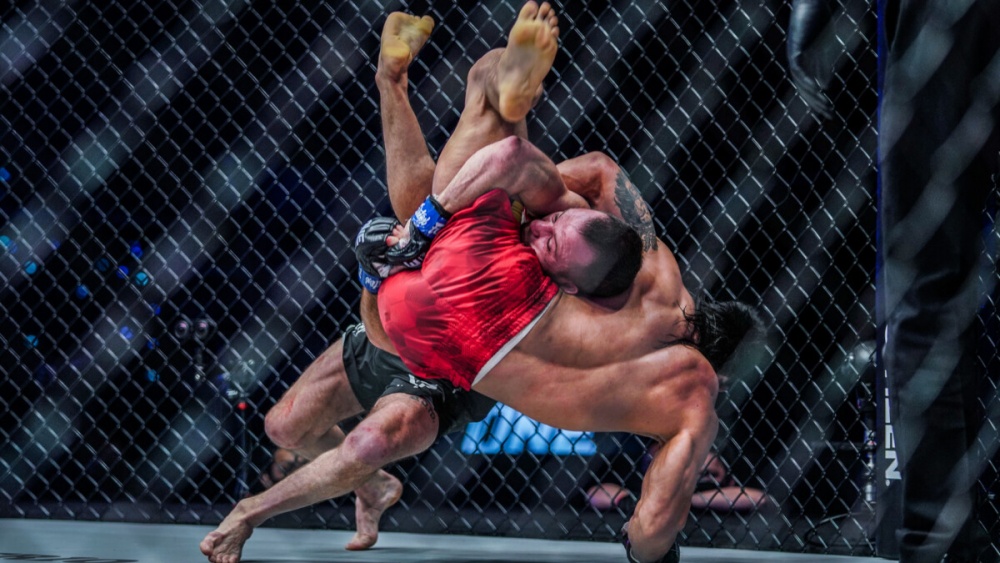
When your guard gets passed, it doesn’t usually happen in one move. It happens in stages, like a wall slowly being chipped away. The hips get pinned, your leg is controlled, your frames collapse and you get tilted or flattened. Then before you know it, you’re mounted or smashed in the side control.
Guard retention is about stopping that chain reaction before it ever gets to step two.
The Layers Of Defense
Think of your guard like a fortress with layers. The deeper your opponent gets, the more trouble you’re in. The key is learning to notice each stage and fight to regain control. With time, even the chaos becomes manageable. Let’s dive into the different layers of defense in ascending order.
1) Your Feet And Legs
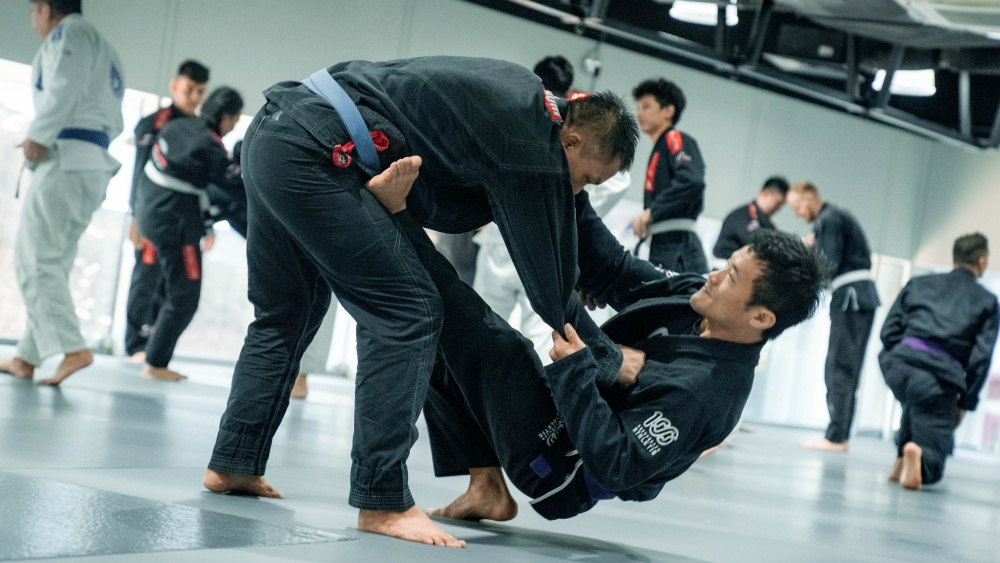
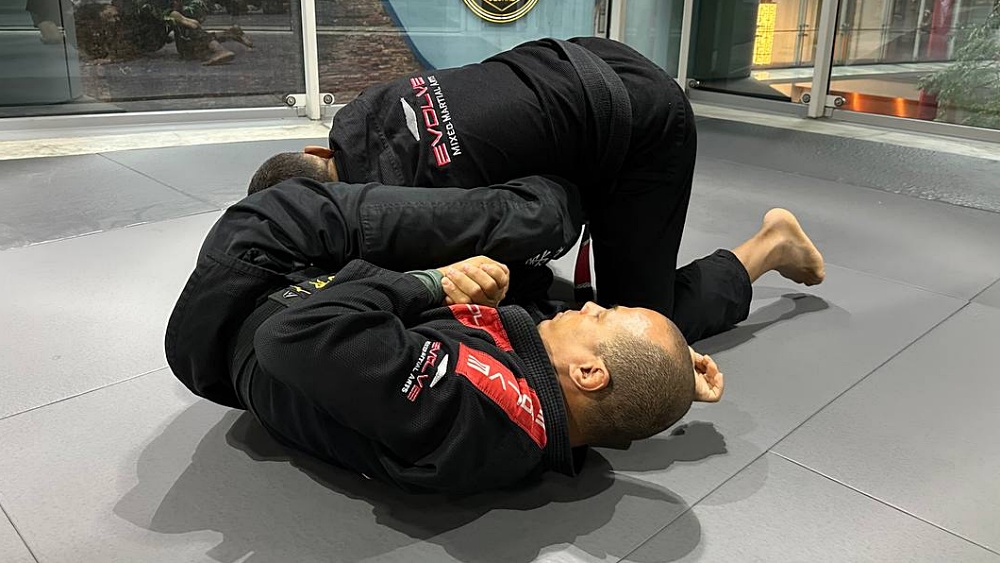
Your feet, knees, and shins are your front line. They manage distance, connect to your opponent’s body, and disrupt movement. Whether you’re using lasso, De La Riva, collar sleeve, or just a simple open guard, your legs are your shields.
When someone steps inside your legs, the first alarm goes off.
2) Your Hips And Angle
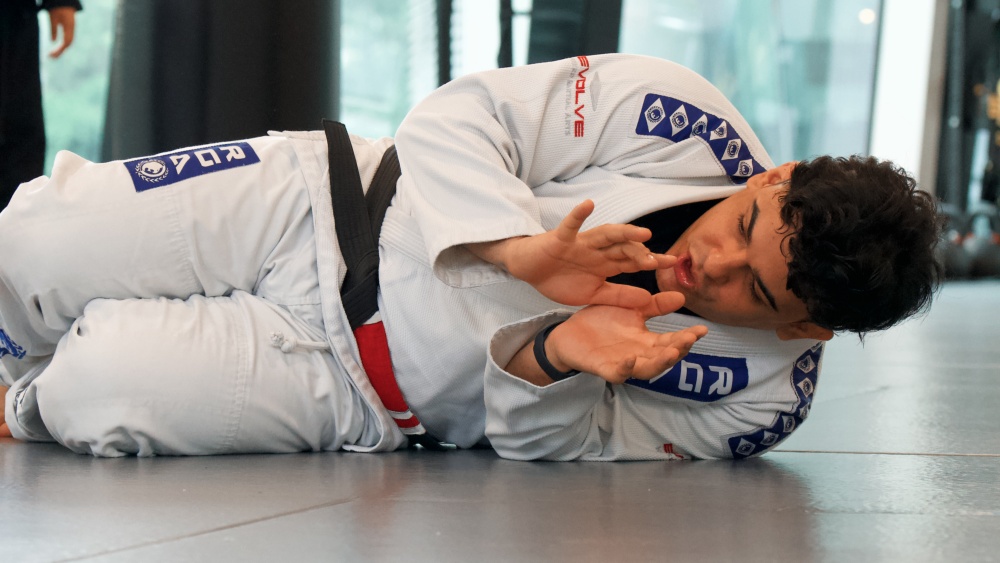
If your hips are free, you can pivot, invert, and ultimately recover. But once your hips are pinned or flattened, you’re in danger.
Guard retention often comes down to fighting to stay on your side, not your back. Shrimping, hip escapes, and granby rolls are all built to keep this line alive.
3) Your Frames
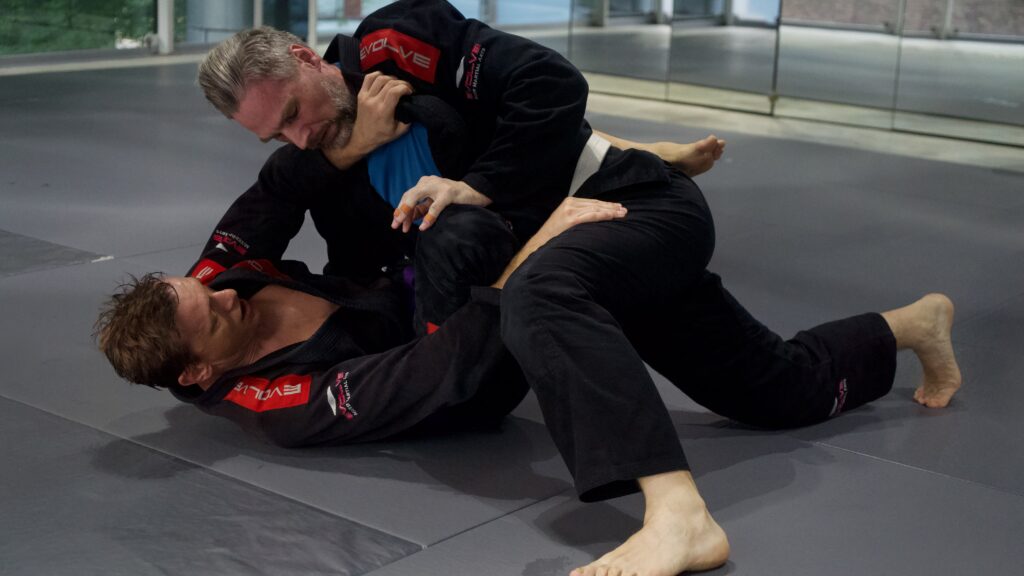
Elbows and forearms against the body, inside bicep ties, shoulder posts, these aren’t just placeholders, they’re how you stop your opponent from collapsing into tight control.
Good retention means keeping frames alive while you recover guard, not just as a reaction after the pass.
The 4 Corners Rule
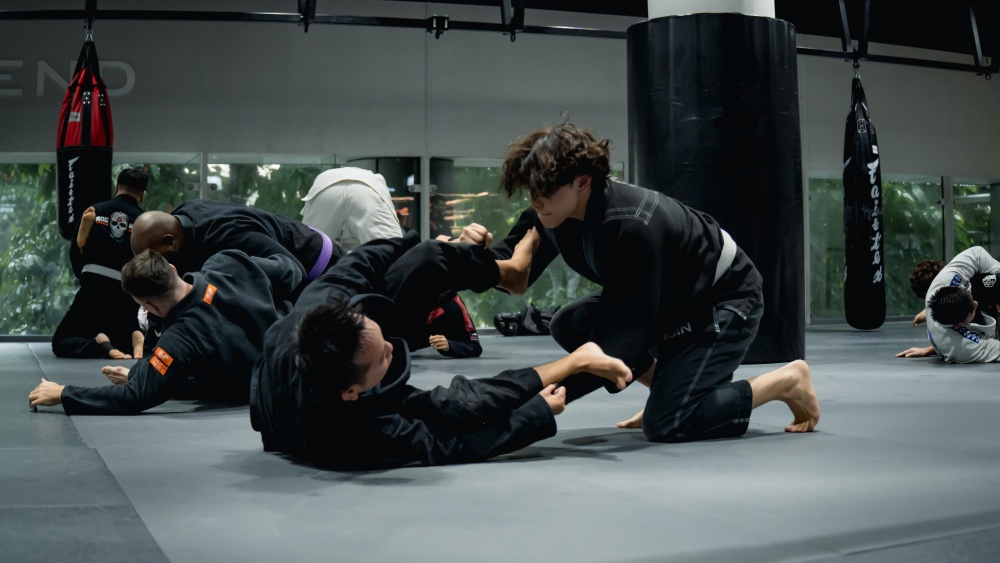
This concept comes from high-level guard retention systems and is stupidly simple, but incredibly effective.
Your guard is defined by four key points:
- Your two shoulders
- Your two hips
When your opponent controls three out of the four, they’re likely to pass.
Let that sink in. If they control your near-side hip, your far-side shoulder, and you’re flat, you’re getting passed. The solution? Never let them secure three.
This gives you a clear goal in the middle of chaos. Even if they are deep on a knee cut or smashing in a body lock, ask yourself: “Can I free one of the four?”
If you can wiggle your far hip out or post on a shoulder and reframe, the pass is stalled, and the game resets.
It’s a small shift in thinking that makes a huge difference, because it turns every moment into a manageable micro-battle.
Movement Matters More Than Muscle
Guard retention isn’t about raw strength. It’s timing, sensitivity, and intelligent movement. You’ll hear phrases like “float your hips” or “use the frames before the scramble.” All of it boils down to: don’t wait until you’re flat.
Train movements like:
- Hip escapes and side shrimps
- Technical lifts
- Inversions and granby rolls (even basic ones)
- Shin pivots and leg circles to reset frames
But more importantly, practice guard recovery drills. Start in bad positions and work your way back, again and again. Train your weak points and turn them into your strongest suit.
Build The Habit, Not Just The Reaction
The best guard players don’t react to the pass. They preempt it. That means they start recovering before the pass is locked in. They don’t wait to get crushed before moving, they’re already halfway back to the guard while their opponent is still celebrating the knee cut.
That’s the level you want to work toward. Guard retention that feels like a reflex.
Final Thought
You don’t need a dozen flashy guard systems. You just need the ability to keep the fight in your world.
Learn the layers. Protect your four corners. Move before you’re forced to. And suddenly, your guard isn’t something people pass, it’s something they have to survive.
You may also like: