Athlete recovery has become an industry of its own. Scroll through social media and you’ll see pros dipping into cryo chambers, lounging in compression boots, or swearing by the latest massage gadget. For everyday athletes and martial artists, it can feel like you need these tools just to keep up.
But here’s the reality: most of these methods are luxuries, not necessities. They might make you feel better, but their actual impact on recovery and performance isn’t as strong as the marketing suggests.
1) Foam Rolling And Massage Guns: Relief Or Placebo?
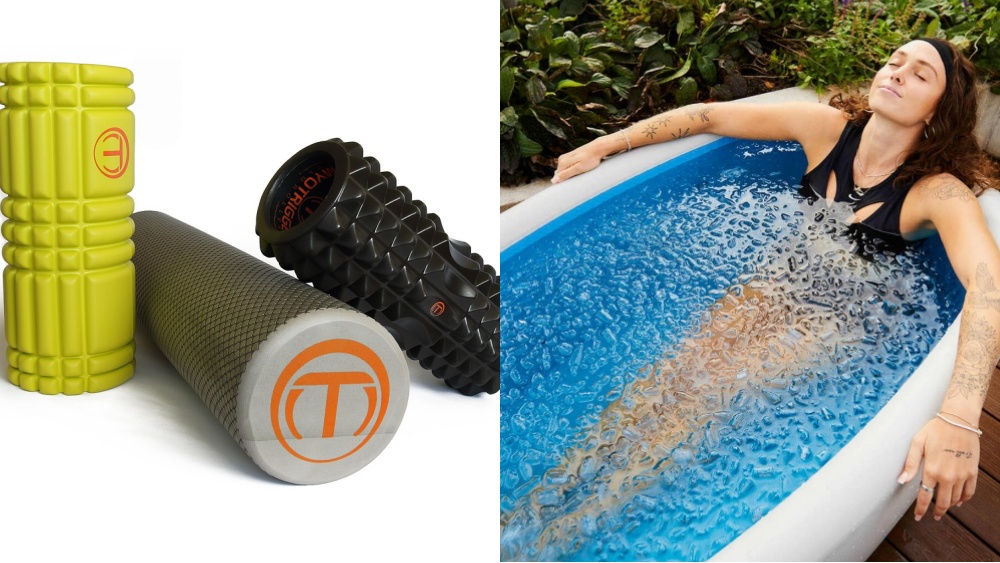
Foam rolling and massage guns are everywhere, promising looser muscles and faster recovery. The science shows mixed results: some people do feel relief, while others notice little difference. At best, they provide temporary comfort, but they don’t fundamentally change recovery timelines.
That doesn’t mean they’re useless; anything that helps you relax and feel ready to train has value. Just don’t mistake that relief for magic.
2) Compression Boots: Comfort Over Performance
Compression boots and sleeves claim to improve circulation and speed up muscle recovery. Research shows they can reduce the feeling of soreness, which is nice after an intense sparring session or a long run. But the long-term performance benefits are still murky.
For most athletes, they’re more about comfort and ritual than a game-changer.
3) The Ice Bath Debate
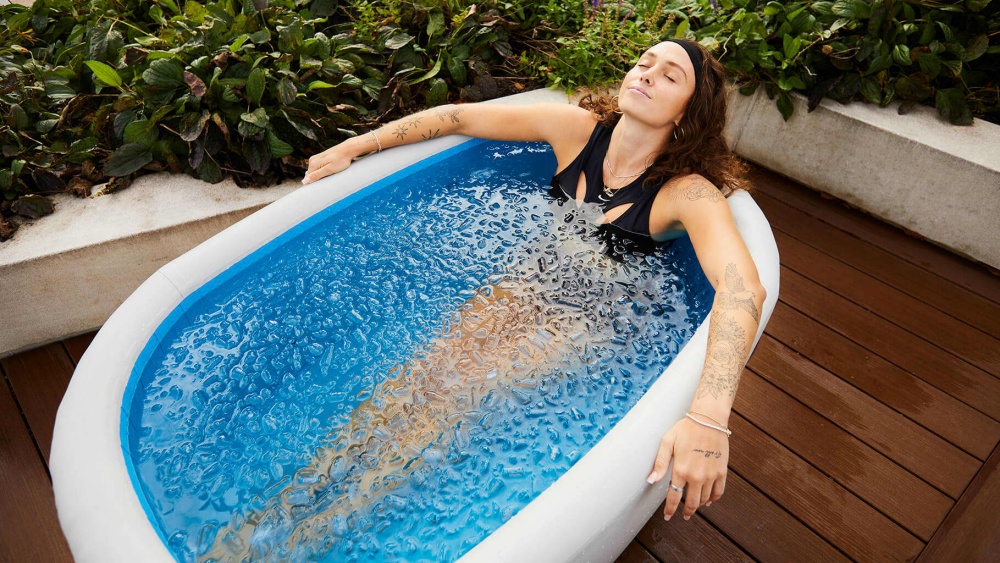
Few recovery methods are as iconic as the ice bath. Cold exposure is believed to reduce inflammation and soreness, and it often does. But here’s the twist: ice baths may actually blunt muscle growth if used immediately after strength training.
Heat therapy, or alternating between hot and cold immersion, is gaining traction as a potentially better option for muscle repair. The verdict? Ice baths aren’t useless, but they’re not a cure-all either.
The Timeless Basics That Actually Work
Here’s the truth: the most effective recovery strategies don’t require gadgets or subscriptions. They’ve been around forever:
- Sleep: The gold standard for recovery. Nothing beats it.
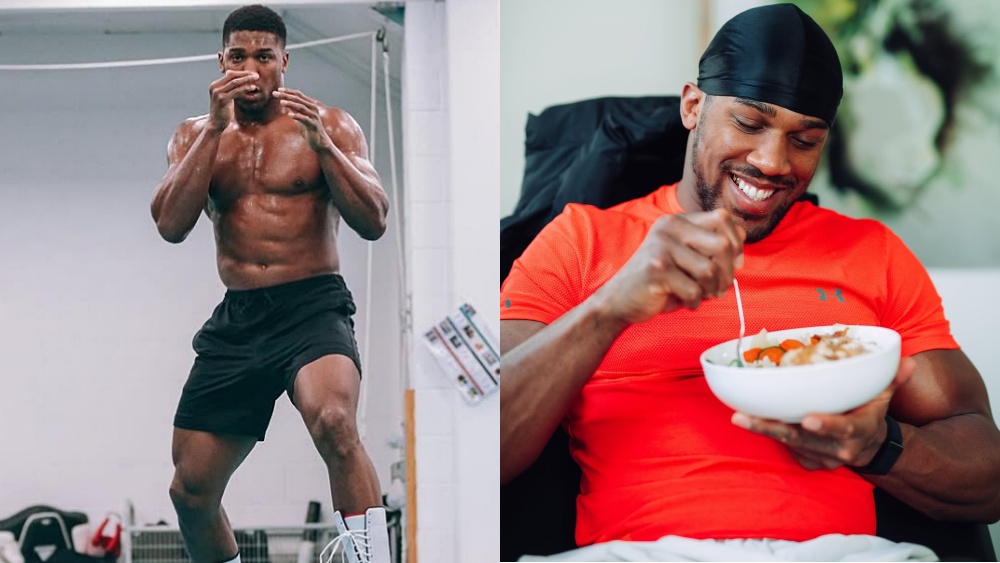
- Nutrition: Proper post-training fuel matters more than any massage gun.
- Hydration: Simple, but often overlooked.
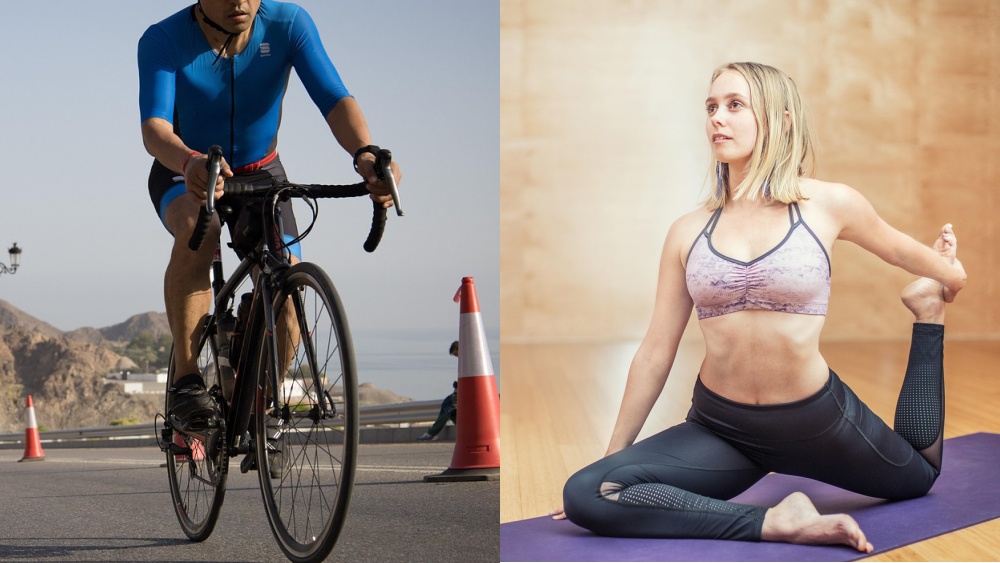
- Active Recovery: Light movement, mobility work, and stretching are proven to aid recovery.
These are boring compared to cryotherapy chambers, but they’re reliable, cost nothing extra, and deliver the most consistent results.
Why Hype Still Sells
So why do so many athletes buy in? Because recovery rituals feel good. They give athletes a sense of control, and that mental benefit shouldn’t be dismissed. If a method helps you feel confident, relaxed, or motivated to train again, it has value, even if the science is lukewarm.
Final Thoughts
Modern recovery tools aren’t scams, but they’re not shortcuts either. Foam rolling, compression, or ice baths can provide temporary relief, and there’s nothing wrong with using them if they help. But for martial artists and athletes, the essentials still reign supreme: sleep, nutrition, hydration, and intentional recovery.
The next time you’re tempted by the latest gadget, ask yourself: do you really need it, or are you chasing hype?
FAQ: Recovery Methods For Athletes
Q: Are Ice Baths Good Or Bad For Recovery?
A: They can reduce soreness but may interfere with muscle growth if used after strength training. Use them strategically.
Q: Do Compression Boots Really Work?
A: They reduce soreness perception but don’t significantly speed up recovery.
Q: Are Massage Guns Worth It?
A: They provide short-term relief and relaxation but don’t drastically change recovery outcomes.
Q: What’s The Single Best Recovery Tool?
A: Sleep. Nothing else comes close to its impact on recovery and performance.
You may also like:
Running For Martial Artists: Is It Still Necessary Or Are There Better Alternatives?