Summary
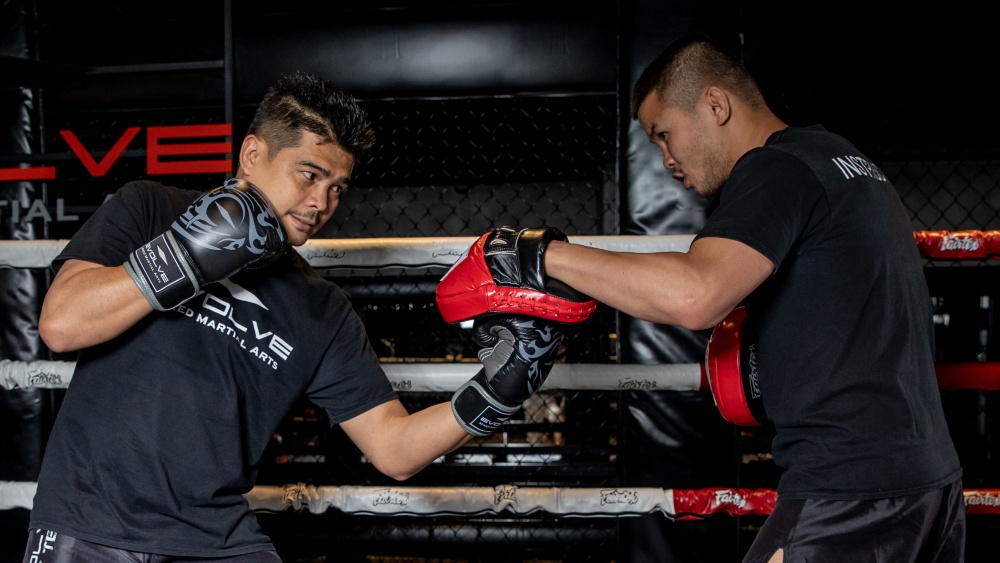
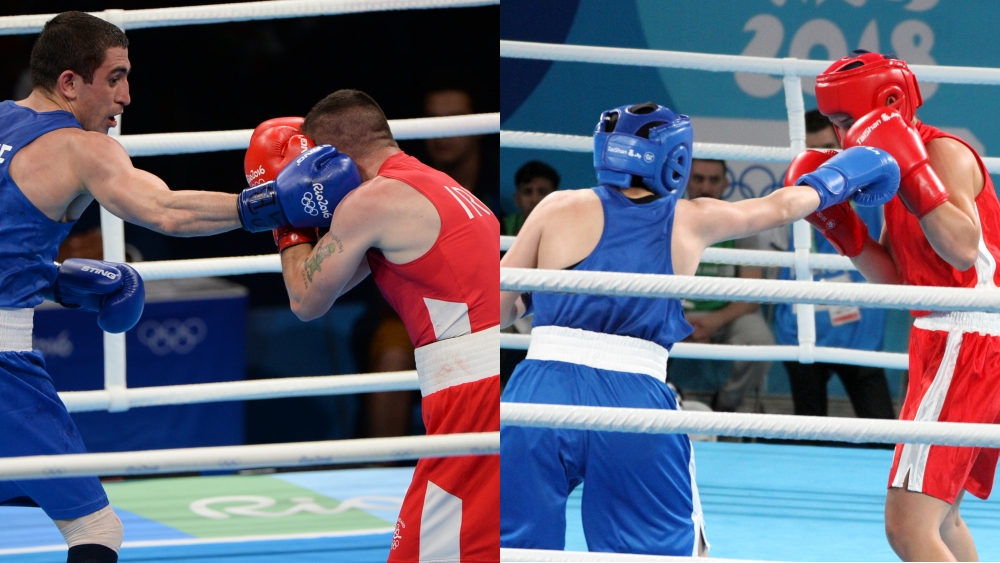
Punching power is one of the most beneficial attributes you can have as a boxer, and many would even argue that it’s the number one attribute a boxer should have. Punching power prevents opponents from crowding you inside the ring and allows you to end any fight in the blink of an eye.
Unfortunately, everyone isn’t born with the type of devastating punching power boxing greats like Mike Tyson, George Foreman, and Rocky Marciano displayed inside the ring. Most boxers have to work hard at developing their punching power. Fortunately, punching power is one of those attributes you can improve significantly with training.
By incorporating the right drills into training, fighters can improve their speed, coordination, and ability to transfer force through their strikes. These drills highlight practical ways to develop stronger punches while refining the fundamentals of boxing technique.
Key Takeaways
- Punching power is generated through the entire body rather than the arms alone. Proper technique involves using the legs, hips, and core to transfer force efficiently through each strike.
- Training drills that focus on speed, coordination, and explosive movement can significantly improve punching power. Exercises such as heavy bag work, shadowboxing, and resistance training help build the mechanics behind powerful punches.
- Consistent practice is essential for developing stronger strikes. Repeating technical drills allows fighters to build muscle memory and improve the timing and accuracy of their punches.
- Conditioning and strength training also contribute to punching power. A well conditioned athlete can maintain explosive movements and proper technique throughout longer rounds of training or competition.
1) Plyometric Pushups
Plyometric pushups help to improve the explosive strength and speed in your shoulders, arms, and chest, which are the main body parts that generate power in your punches. The exercise is the same as a conventional pushup, with just one main difference: you explode off the ground as you finish each rep. Here’s what the exercise looks like:
- Get into the high plank position with your hands shoulder-width apart. Keep your abs and core tight.
- Drop down as if you were performing a standard pushup, then explode off the ground as you push off it.
- You can make the exercise more challenging by clapping your hands as you explode off the ground.
2) Heavy Bag
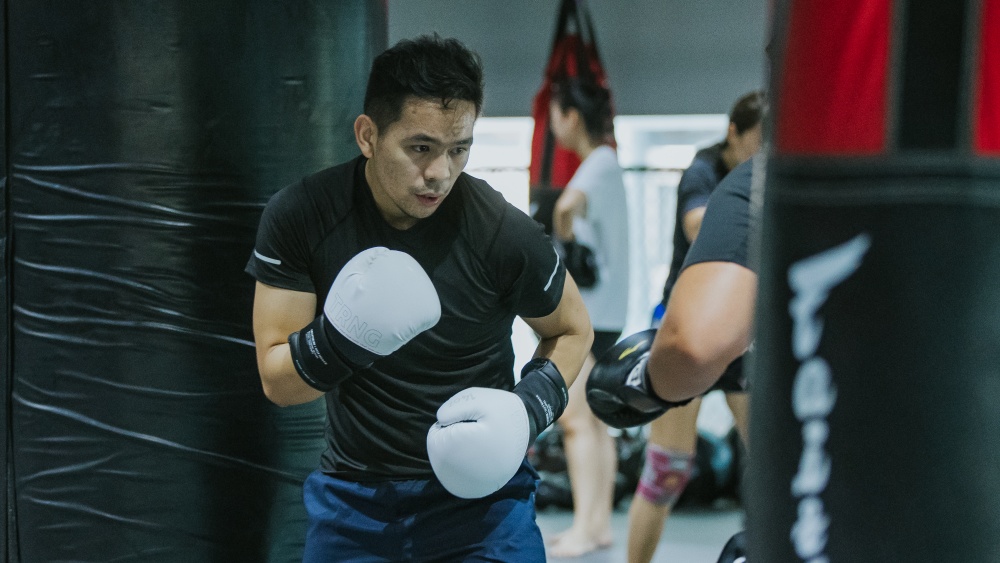
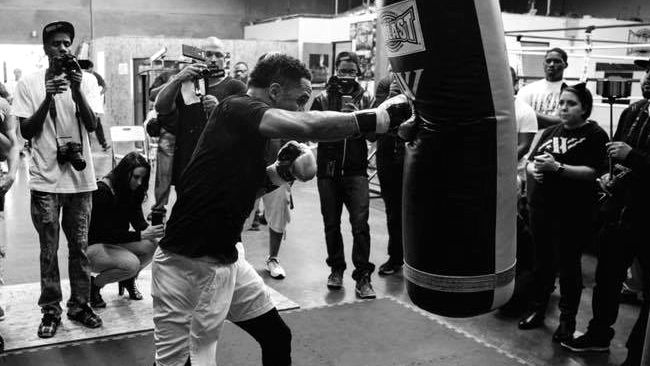
Working with a heavy bag does wonders for your punching power. Wrap your hands, put on a pair of boxing gloves, and go to work. The key to getting the most out of your heavy bag drills is imagining the heavy bag is a real opponent and keeping your technique clean as you work. You don’t want to stand in front of a heavy bag and mindlessly punch away.
A simple way to start with a heavy bag is to punch for 15-second intervals followed by 15-second breaks. Repeat the process for a few three-minute rounds, taking one-minute breaks between rounds. Wear wrist weights to make things more interesting if you want more of a challenge.
3) Shadowboxing
Shadowboxing might not be the first thing to come to mind when it comes to improving your punching power, but it’s an effective way to improve your technique and execution, leading to increased punching power.
Shadowboxing should be a significant part of your training routine since it allows you to work on many aspects of boxing like your technique, good work, head movement, and other defensive maneuvers.
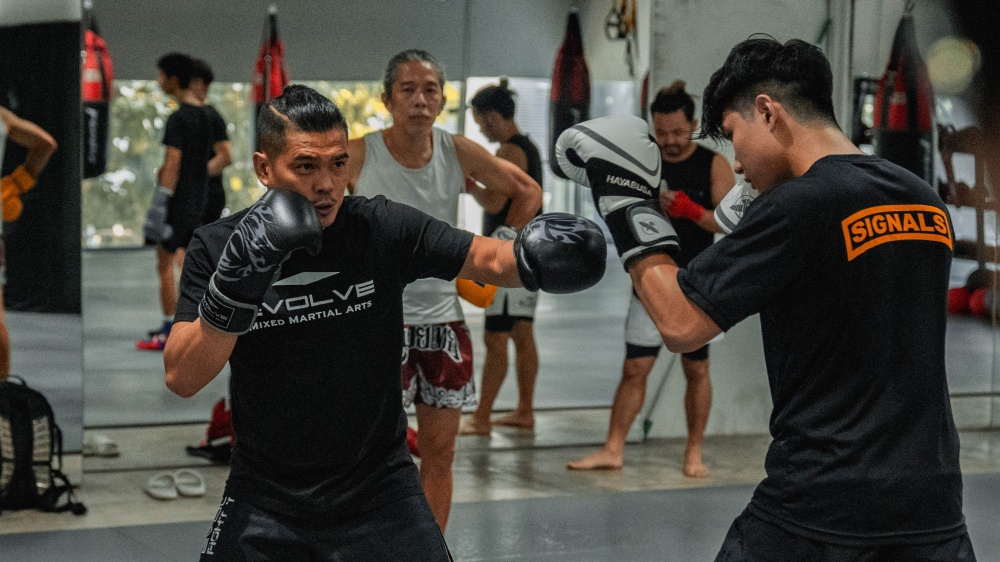
The most effective way to shadowbox is right in front of a mirror with a trainer watching you to correct any errors in your form or movement. You can start shadowboxing on your own once you get all the basics down.
4) Medicine Ball Squats
Medicine ball squats help to increase the explosive strength in your legs. A majority of the power of your punches comes from your legs, so increasing the explosive power of your legs increases your punching. It isn’t uncommon for heavy punches like Mike Tyson to have extremely well-built legs. Tyson’s legs are still impressive even in his 50s.
Medicine ball squats mimic the standard squat, but you throw the ball up in the air as you finish your rep instead of decelerating the weight. Here’s what it looks like:
- Get into the squat position while facing a wall.
- Grab a medicine ball with both hands. You can keep it at chest level or raise it over your head.
- Drop into your squat until your thighs are at least parallel with the floor.
- Explode up from your squat, throwing the ball towards the wall as you return to the starting position.
- Grab the ball as it bounces off the wall and complete more reps.
5) Chin-Ups
Chin-ups are another effective way to increase your punching power. The exercise targets your biceps, anterior deltoids, and pecs; some of the same muscles that throwing a punch activates. Here’s what it looks like:
- Grab a pull-up bar with both hands. Your hands should be shoulder-width apart, and your palms should be facing you.
- Engage your core and upper body as you lift your chest up towards the bar. Keep going until your chin is above the bar.
- Slowly return to the starting position to complete a rep.
6) Box Of Rice
Here’s an unconventional exercise that increases your punching power while simultaneously allowing you to assess your progress. It also strengthens the structures in your hands, reducing your risk of injury as your throw punches. Here’s what the exercise looks like:
- Grab a bucket and fill it up with rice or sand. Sand is better suited for those who are experienced with the drill though.
- Insert both of your hands into the bucket and grab a handful of rice with each hand.
- Twist your hands at the wrists and release the handfuls of rice. Repeat for as many reps as you can perform in five minutes and build up from there.
7) Rotation Drills
Rotating your torso as you punch increases the power your strikes land with. It’s one of the first things you learn in boxing since failing to do so leaves your punches significantly underpowered. The more torque you can generate by twisting your torso, the harder your punches will be.
To perform this drill:
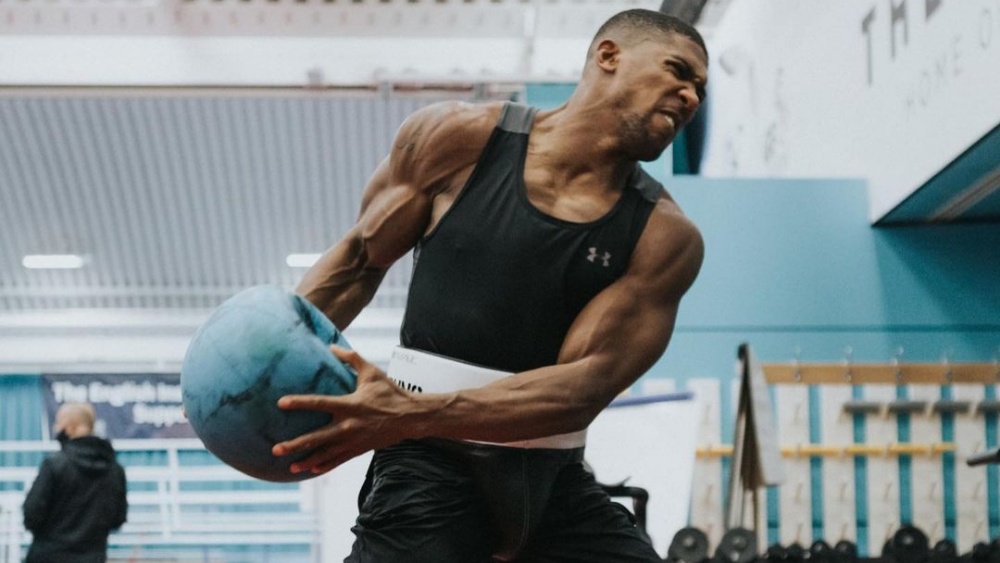
- Hold on to a heavy medicine ball with both hands while standing upright.
- Keep the ball at chest level and straighten your hands in front of you.
- Now start rotating your torso, moving continuously from right to left.
8) Jump Squats
Jump squats help build explosive power in your glutes, thighs, and lower back. It allows you to lift heavy weights without having to decelerate them during your reps as you would with a conventional squat. Here’s how to perform a jump squat.
- Get into the squat position with your feet hip-width apart.
- Drop your hips back as you lower yourself into your squat. Drop down until your thighs are at least parallel to the ground. Go lower than that if your flexibility allows for it.
- Explode back up and jump into the air explosively to finish a rep.
Start using only your body weight if you’re new to the exercise, and move on to a barbell or medicine ball as your strength increases.
9) Speed Bag Drills
Speed bag drills don’t improve your punching power directly. Instead, it improves your speed, which increases your punching power. It’s simple physics; the faster something moves, the harder it impacts with anything in its way.
Speed bags also improve your hand-eye coordination, improving your punch accuracy. Get a timer and hit a speed bag for three-minute intervals, taking one-minute breaks between each.
10) Medicine Ball Throws
One of the keys to throwing more powerful punches is increasing the power in your punching muscles and their explosive strength.
Medicine ball throws are an excellent way to improve your explosive strength, especially in your upper body, since there is no deceleration in the movement. It’s the advantage plyometric exercises like medicine ball throws have over weightlifting since lifting weights requires you to decelerate your motion during your reps.
Here’s how you perform medicine ball throws:
- Start by laying flat on your back while holding on to a heavy medicine ball.
- Keep the ball close to your chest and throw it upward as you push it away from your chest.
- Catch the ball with both hands as gravity brings it back to you, and repeat until fatigue kicks in.
You can also perform medicine ball throws while standing upright. Some would say this variation is better suited for boxers looking to improve their punching power. Here’s what it looks like:
- Start by standing in your boxing stance while balancing a medicine ball on the palm of one of your hands.
- Throw the ball by pushing it forward. You can throw it at a wall or a training partner who can throw it back to you.
- The key to getting the most out of this exercise is throwing the ball as if you were throwing a punch each rep.
FAQ On Increasing Punch Power
Q: What makes a punch powerful?
A: A powerful punch comes from proper technique and full body coordination. Fighters generate force by driving from their legs, rotating their hips and core, and delivering the punch with correct timing and balance.
Q: Can Punching Power Be Trained Or Is It Natural?
A: Punching power can be significantly improved through training. Drills that focus on technique, speed, strength, and explosive movement help fighters develop more effective strikes over time.
Q: Do Heavier Fighters Naturally Punch Harder?
A: Heavier fighters may generate more force due to their size and mass, but technique plays a major role in punching power. Skilled fighters can deliver powerful strikes regardless of weight class by using proper mechanics.
Q: How Often Should Fighters Train Punching Power?
A: Many fighters include punching power drills several times per week as part of their boxing or striking training. Combining technical drills with strength and conditioning helps develop consistent power over time.
Final Thoughts
Developing punching power requires more than simply hitting harder. It involves refining technique, improving coordination, and building strength throughout the entire body. By practicing targeted drills and focusing on proper mechanics, fighters can gradually increase the force behind their punches while maintaining accuracy and control. With consistent training and attention to fundamentals, stronger and more effective punches become a natural part of a boxer’s skill set.
You may also like: