Summary
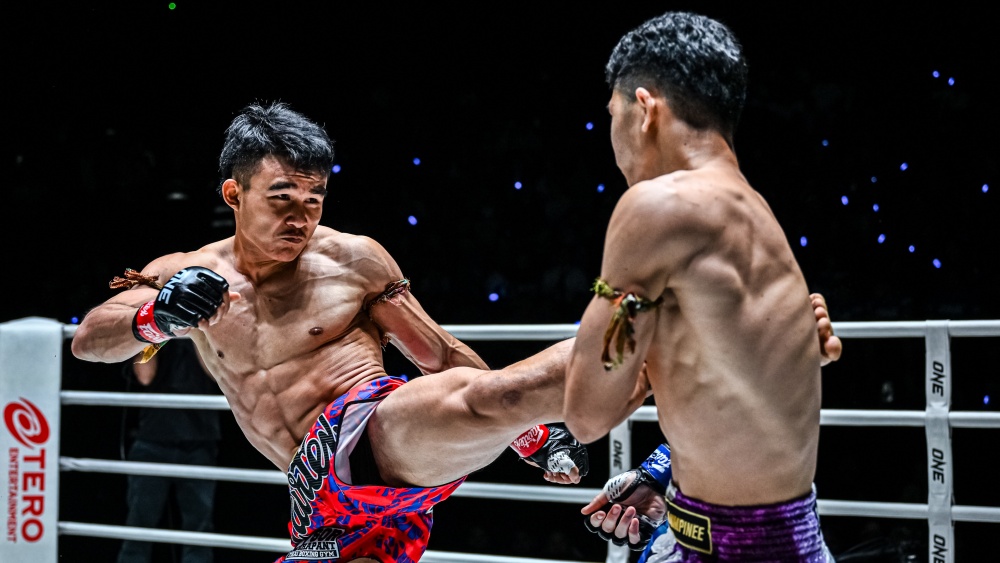
Your core is the foundation of your movement. Every strike you throw starts from the ground and transfers through your core before reaching your limbs.
In Muay Thai, a strong core does far more than give you visible abs. It powers every punch, kick, knee, and elbow while also helping to protect you from your opponent’s attacks. Your core connects your upper and lower body, allowing you to generate force, stay balanced, and absorb impact throughout every movement.
Developing your core isn’t about endless crunches. It’s about functional strength, building muscles that move and stabilize together.
This article highlights the best core exercises for Muay Thai, how they translate to better performance, and how you can add them to your training routine.
Key Takeaways
-
A strong core is essential in Muay Thai for generating power, maintaining balance, absorbing impact, and enhancing endurance.
-
Functional core exercises—like planks, rotational drills, and dynamic strikes—directly improve striking mechanics and stability.
-
Consistent, controlled core training 2–3 times per week boosts performance, efficiency, and injury resilience in training and sparring.
Benefits Of A Strong Core
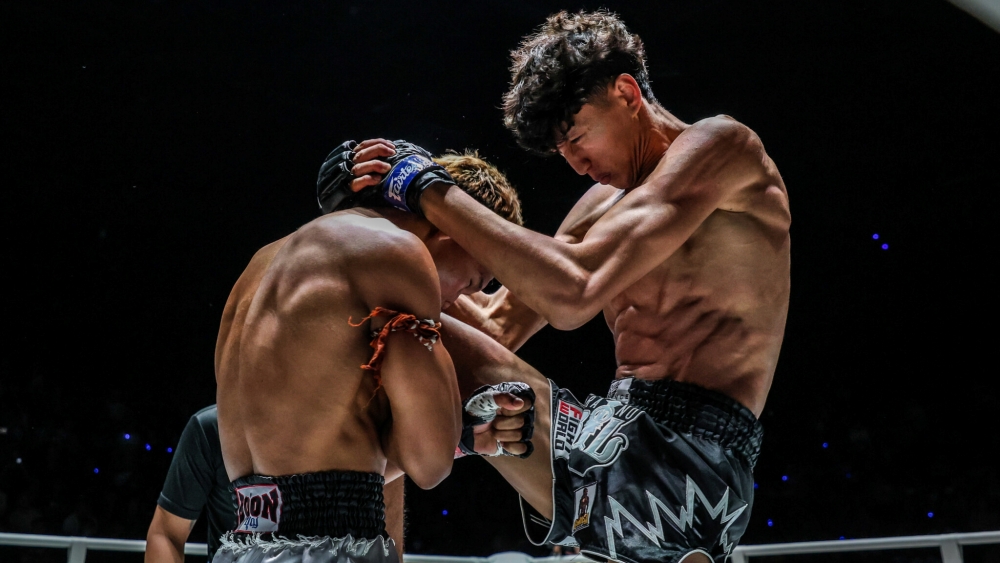
Before diving deeper, we thought we might want to share some key benefits of having a strong core:
- Power Generation: You can hit harder when your core transfers energy efficiently.
- Balance And Stability: Staying centered helps you throw kicks and knees without losing control.
- Endurance: A strong midsection supports longer training sessions and faster recovery.
- Defense: A conditioned core helps absorb body shots and maintain posture in the clinch.
Exercises For Developing Core Strength For Muay Thai
1) Plank Variations
Planks strengthen your entire midsection, from your abs to your lower back. They also teach you how to engage your core during movement.
How to practice:
- Start in a push-up position.
- Keep your body straight and core tight.
- Hold for 30 to 60 seconds.
Variations:
- Side planks (for obliques and balance)
- Shoulder tap planks (to train stability)
- Plank knee drives (to mimic knee motion)
2) Hanging Knee Raises
This exercise builds explosive core strength while improving control in your hip flexors, essential for delivering fast, sharp knees.
How to do it:
- Hang from a pull-up bar with arms straight.
- Bring your knees up toward your chest using your core.
- Lower them slowly and repeat.
For more challenge, extend your legs straight instead of bending them.
3) Russian Twists
Rotational power is key in Muay Thai for strikes like hooks and elbows. Russian twists build this by training your obliques and improving torso control.
How to do it:
- Sit on the ground with your knees slightly bent.
- Lean back slightly and clasp your hands together.
- Rotate your torso from side to side, touching the floor each time.
Keep the motion controlled; your goal should be precision, not speed.
4) Medicine Ball Rotations
Using a medicine ball helps you develop rotational force for punches and kicks.
How to practice:
- Hold a medicine ball at chest level.
- Twist your torso from side to side as if throwing hooks.
- Perform 10 to 15 controlled reps each direction.
You can also add a partner drill by throwing and catching the ball to train reaction and power transfer.
5) Sit-Up To Elbow Strike
This dynamic movement builds both strength and striking coordination.
How to do it:
- Lie flat on your back with your knees bent.
- Perform a sit-up, then simulate an elbow strike at the top of the motion.
- Alternate sides for each rep.
This integrates striking mechanics directly into core work, making it more practical for Muay Thai.
6) Reverse Crunch
Reverse crunches strengthen the lower abs, which play a big role in balance and knee control.
How to practice:
- Lie on your back and lift your legs with your knees bent.
- Pull your knees toward your chest, lifting your hips slightly off the floor.
- Lower slowly and repeat.
Focus on using your abs, not the momentum, when lifting your legs.
7) Bicycle Crunches
A classic exercise that builds endurance and strengthens your obliques for rotational strikes.
How to do it:
- Lie on your back and lift your legs off the floor.
- Alternate touching your elbow to the opposite knee in a pedaling motion.
- Keep your movements controlled and steady.
This exercise mimics the twisting motion used in knees, kicks, and punches.
8) Stability Ball Rollouts
This exercise strengthens your entire core and improves posture during strikes.
How to practice:
- Kneel in front of a stability ball and place your forearms on it.
- Roll the ball forward while keeping your core tight.
- Pull it back slowly to the starting position.
It’s an advanced variation of the plank that builds control and endurance.
9) Side Leg Raises
Side leg raises strengthen the obliques and hip stabilizers, helping you stay balanced during kicks and clinch work.
How to do it:
- Lie on your side with legs straight.
- Lift your top leg slowly, pause, and lower it back down.
- Repeat for both sides.
This improves hip control and supports smoother transitions between strikes.
10) Core Rotational Drill With Resistance Band
Attach a resistance band to a wall or anchor point. Stand side-on and pull the band across your body with your arms extended.
This drill develops core torque, the same motion used in turning your hips for kicks, knees, and punches.
Training Tips For A Stronger Core
- Train your core two to three times per week.
- Focus on form and control instead of speed.
- Combine static (plank) and dynamic (twisting) exercises for full development.
- Always engage your core during Muay Thai techniques, not just conditioning sessions.
Your goal is to build strength that supports movement, not just appearance.
FAQs On Core Training For Muay Thai
Q: How Often Should I Train My Core?
A: Two to three sessions a week are enough. Core muscles recover quickly, so consistency matters more than volume.
Q: Can Core Training Improve My Kicks And Knees?
A: Yes. Stronger core muscles generate more power and help you stay stable during explosive strikes.
Q: Should I Train My Core Before Or After Muay Thai Class?
A: After class or on separate days is ideal so you don’t fatigue your midsection before striking drills.
Q: Do I Need Equipment For Core Training?
A: Not necessarily. Many effective core exercises use only bodyweight, though medicine balls and resistance bands can add variety.
Final Thoughts
A strong core is the foundation of every great Muay Thai fighter. It powers your strikes, stabilizes your movement, and protects you from fatigue.
By training your core regularly and with purpose, you’ll notice better control, improved power, and greater efficiency in every round. Over time, your body will move as one, balanced, powerful, and ready for any challenge in the ring.
You may also like: