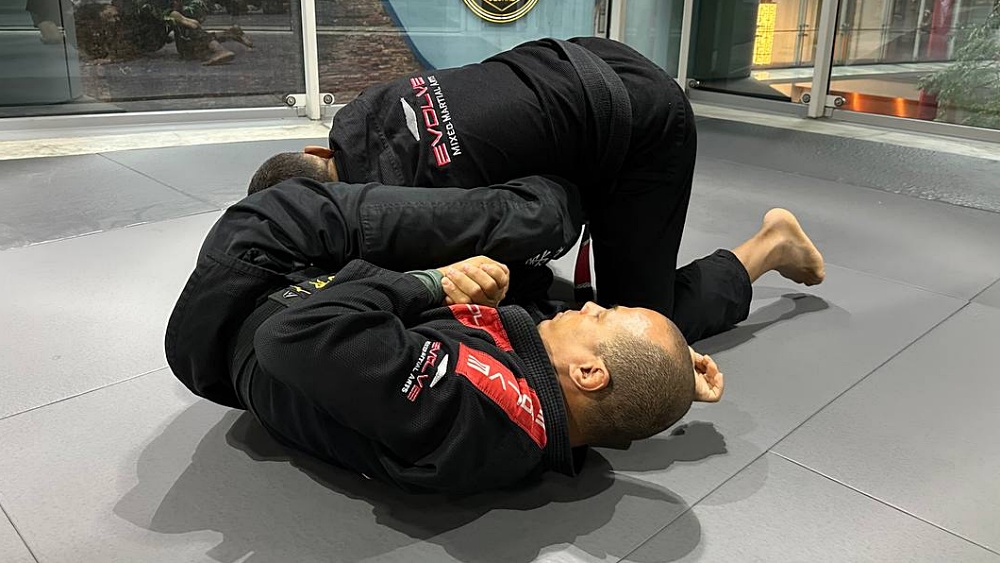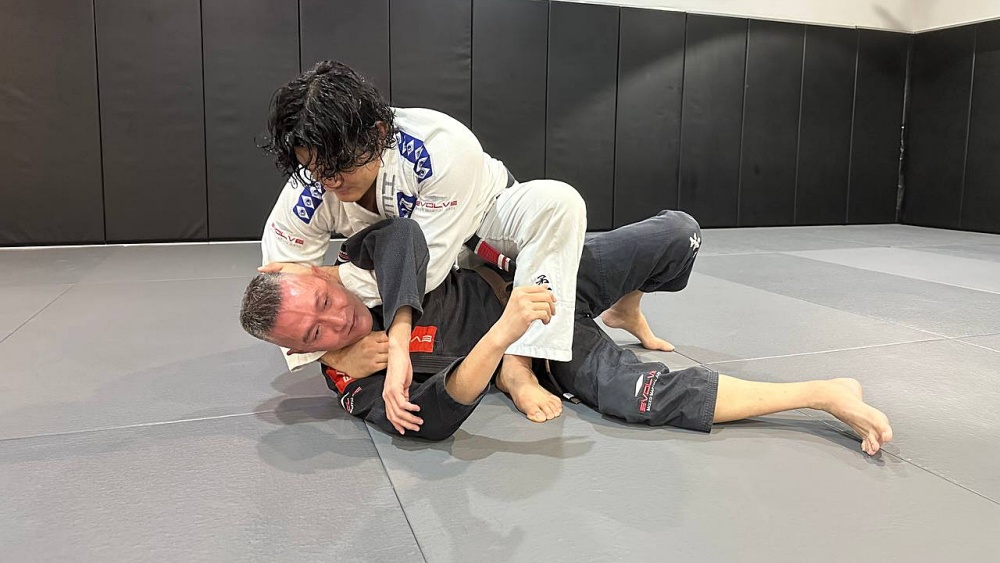
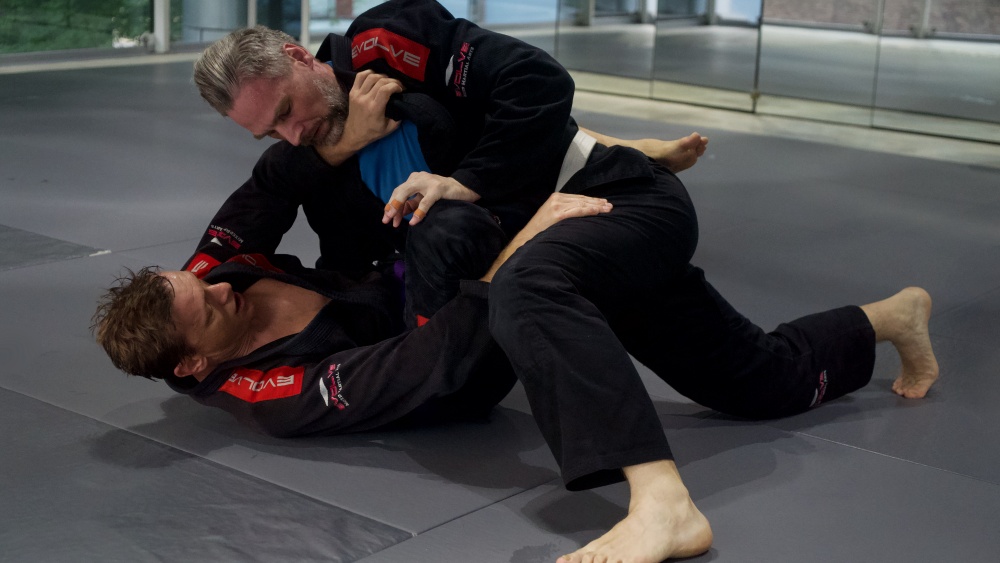
Walk into any BJJ academy and you’ll probably see a mix of fresh-faced twenty-somethings drilling berimbolos, competitive purple belts sweating through shark tank rounds, and somewhere in the corner, a guy in his 50s with a calm smile, moving like he’s got nothing to prove. That’s old man Brazilian Jiu-Jitsu, and it’s not about age as much as it’s about approach.
Why Longevity Matters
Brazilian Jiu-Jitsu is addictive. The problem? So is the temptation to train like you’re indestructible. For younger athletes, pushing through sore joints, ignoring nagging tweaks, and going to war every roll is almost a rite of passage. But for practitioners in their 40s, 50s, and beyond, the goal shifts from maximal performance to sustainable practice.
Longevity in BJJ means you can still step on the mats years from now. It’s about preserving your body so you’re not limping into work the next morning or racking up surgeries like competition medals.
The Old Man Game: Smarter, Not Harder
Older practitioners thrive when they adapt their style to minimize physical setbacks and maximize efficiency. That means trading explosive scrambles for deliberate, high-percentage movements. You don’t have to keep up with the gym’s fastest athletes, you just have to make your game effective on your own terms.
Here are a few proven approaches:
1) Pressure Passing Over Speed Passing
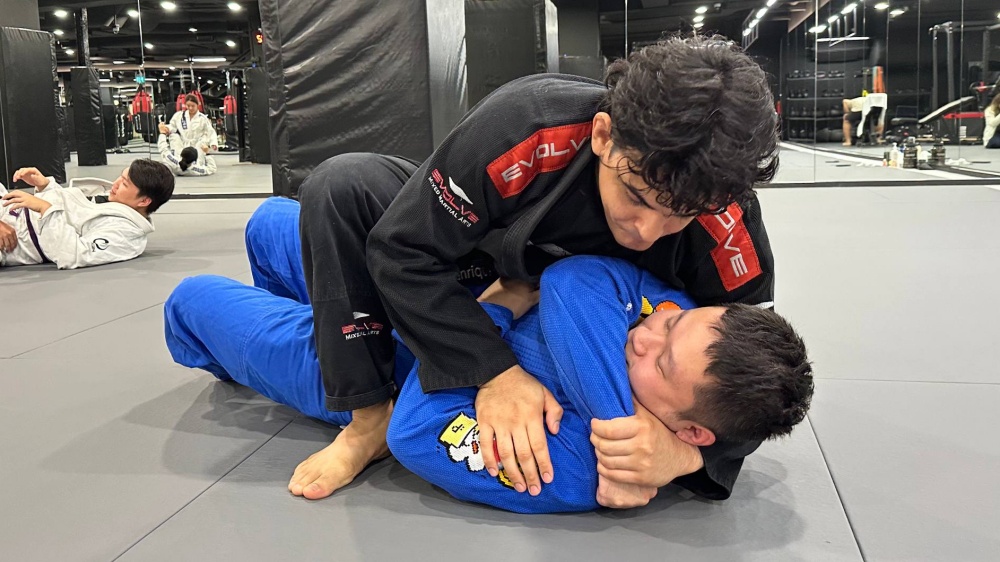
Instead of blitzing past someone’s guard, focus on heavy, methodical pressure. Knee cuts, over-unders, and tight chest-to-chest passing allow you to control the pace while wearing your opponent down. Think tactical, not physical.
2) Top Game First
Playing guard is essential, but being on top puts less stress on your neck, lower back, and hamstrings. Develop a strong takedown or sweep game, then settle into dominant positions where you can dictate the action. Unless you’re looking to scramble with a berimbolo or a spider guard sweep, you’re better off starting and staying on top, where you can control the pace and dictate the match.
3) Closed Guard And Half Guard
These guards slow the pace, allow you to control distance, and reduce the chaotic scrambles that often lead to potential setbacks. Half guard, in particular, can be a resting position while still offering plenty of sweep and submission options.
4) Submission Hunting Without Overextension
Chasing low-risk submissions, like cross–collar chokes from mount or kimuras from top, keeps you in safe positions even if the attack fails. It’s not always about the ‘fancy’ chokes or the stunning passes. Remember, even the great Roger Gracie could finish matches with the basics, like the cross collar choke. Avoid submissions that require putting your own joints in precarious angles.
Safety As A Core Principle
Training with longevity in mind doesn’t mean avoiding challenges. It means managing them. That starts with a few key habits:
- Pick Your Training Partners Wisely: Roll with people you trust to control their intensity.
- Tap Early And Often: Protecting your joints today keeps you training tomorrow.
- Limit Hard Sparring Sessions: Mix in plenty of situational drilling and light rolling.
- Warm Up Thoroughly: As you age, you need extra prep before they’re ready to move dynamically.
The Mindset Shift
The biggest change for “old man BJJ” is in the head, not the body. You stop viewing training as a series of battles to be won and start treating it as a craft to be honed. Progress is measured not in how many people you tap, but in how much you improve without wrecking yourself.
Brazilian Jiu-Jitsu has no expiration date. If you train smart, you can keep learning, rolling, and enjoying the art for decades and maybe even outlast those young guns who only know one speed!
You may also like:
From White To Blue Belt In BJJ: How To Thrive After Your Promotion