Summary
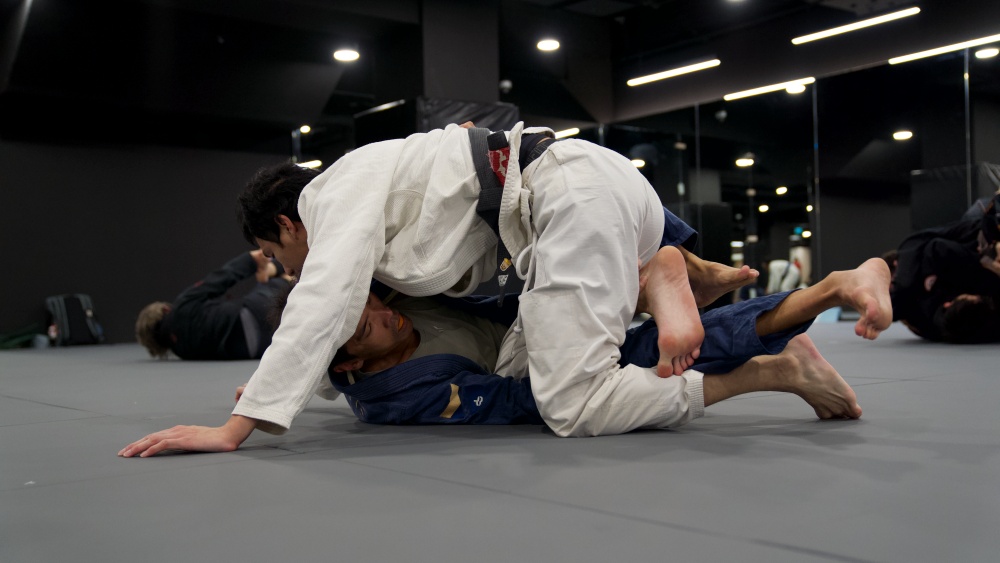
Basing is one of the most important but often overlooked skills in Brazilian Jiu-Jitsu. It refers to your ability to stay balanced, grounded, and stable while applying pressure or defending against sweeps. Strong basing allows you to maintain top position, avoid being off balance, and move with control instead of reacting in panic.
Basing is most important when you are on top, but it also applies in kneeling, standing, and transitional positions. It allows you to move confidently without overcommitting or losing control.
This article explains what basing is in BJJ, why it matters, and how to improve it in real training situations.
Key Takeaways
-
Strong basing is essential for balance, pressure, and control, helping you resist sweeps, stay composed, and move smoothly through positions.
-
Good posture, hip positioning, weight distribution, and active posting work together to keep you stable without relying on strength.
-
Developing a dynamic base turns defensive moments and scrambles into opportunities to advance and apply effective pressure.
Why Basing Matters In Brazilian Jiu-Jitsu
Many sweeps and reversals succeed not because of advanced technique, but because the top player loses balance. Poor basing leads to collapsed posture, extended limbs, and exposed hips.
Good basing helps you:
- Stay heavy without being stiff.
- Apply pressure safely.
- Transition between positions smoothly.
- Resist sweeps and reversals.
- Stay calm during scrambles.
Strong base turns defensive moments into opportunities to advance position.
Key Elements Of Strong Basing
1) Posture
Your spine should stay aligned and upright relative to the position you are in. Collapsing forward or leaning too far back makes you easy to off-balance.
2) Weight Distribution
Effective basing means spreading your weight through multiple points of contact rather than loading everything onto one limb. This makes it harder for your opponent to isolate and move you.
3) Hip Position
Your hips control balance. Keeping them low and centered allows you to adjust quickly when your opponent shifts underneath you.
4) Active Posting
Posting with hands, feet, or knees is not static. Strong basing involves constantly adjusting posts as your opponent moves.
Common Positions Where Basing Is Crucial
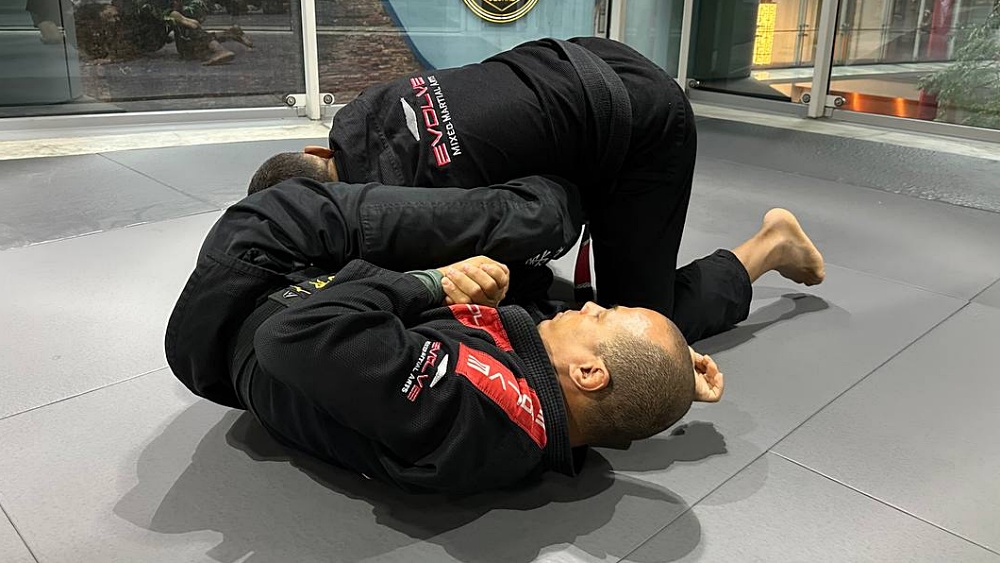
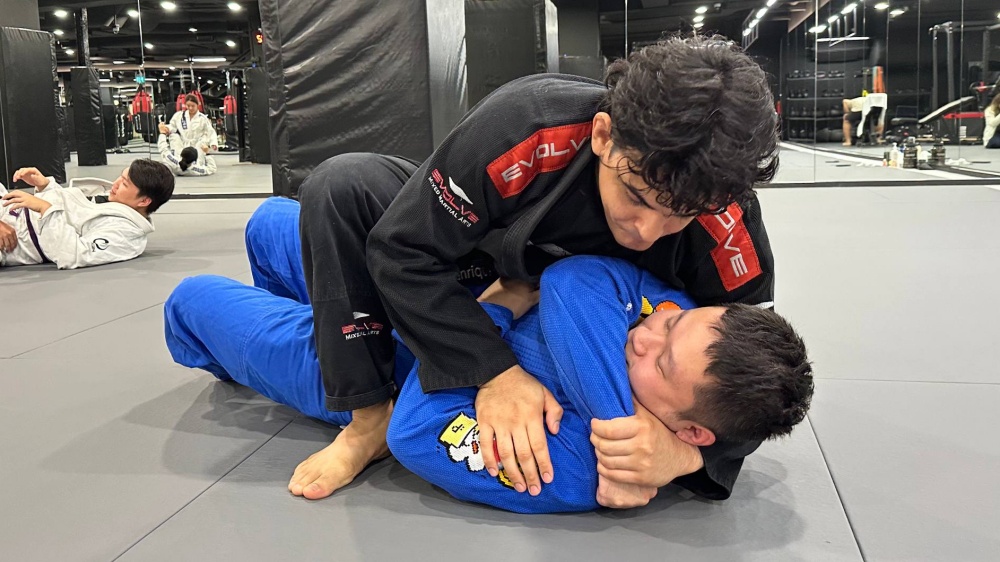
- Top Guard: When inside someone’s guard, good basing prevents you from being pulled forward or tilted sideways. Keeping your knees wide and posture upright helps maintain balance.
- Passing Positions: During guard passes, basing allows you to apply pressure without committing too much weight in one direction. This helps you avoid being rolled or re-guarded.
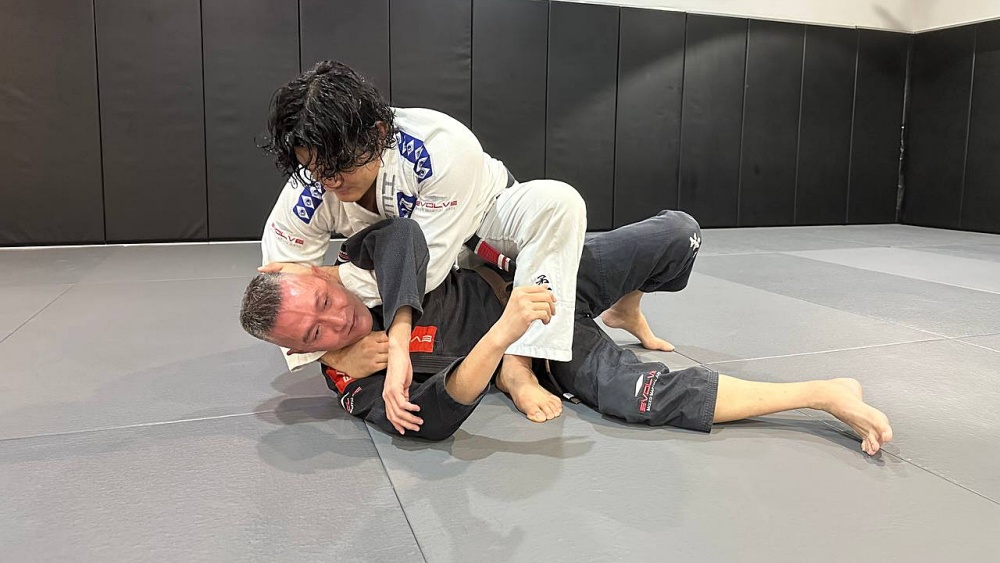
- Mount And Knee On Belly: Strong basing lets you float and adjust as the opponent bridges or shrimps. Without it, the mount becomes unstable.
- Scramble Situations: In scrambles, basing helps you stay composed and recover position rather than falling into bad angles.
Common Mistakes That Break Your Base
Many practitioners lose their base due to avoidable habits.
- Leaning forward with the head down.
- Locking arms straight and stiff.
- Placing too much weight on one knee or foot.
- Chasing submissions without stabilizing.
- Staying static instead of adjusting.
Good basing is dynamic and responsive, not rigid.
How To Improve Your Basing In Training
1) Slow Down Your Top Game
Rushing through movements often leads to mistakes and loss of balance. Moving with intention allows you to feel where your weight is distributed, maintain control, and make better adjustments as your opponent reacts. Over time, this deliberate approach helps build a stronger, more reliable base.
2) Perform Off-Balancing (Kuzushi) Drills
Rolling with training partners who actively try to off-balance you sharpens your base awareness and reactions. Consider starting from positions that challenge your balance, such as standing exchanges or dynamic guards like X-guard, where constant adjustment is needed to stay stable and in control.
3) Drill Transitional Positions
Practicing guard passes and mount maintenance builds your base naturally, especially since many grapplers tend to overcommit or lose balance during transitions. Focusing on posture, weight distribution, and controlled movement helps you stay stable while applying pressure and adjusting to your opponent’s reactions.
How Basing Connects To Pressure
Pressure without a solid base is unstable, while a base without pressure becomes passive. In Brazilian Jiu-Jitsu, the two must work together. A strong base allows you to apply pressure safely while staying balanced and ready to adjust as your opponent moves.
Watch the video demonstration by Polish BJJ star Adam Wardziński to see how he maintains relentless top pressure. Notice how his pressure begins with a strong base, allowing him to float his weight rather than force it. This is a hallmark of high-level grappling, staying heavy while remaining mobile and never getting stuck in one position.
FAQs On Basing For BJJ
Q: Is Basing Only Important For Top Positions
A: No. While most obvious on top, basing also applies to standing, kneeling, and transitions.
Q: Does Basing Require Strength
A: No. Balance and awareness matter more than strength.
Q: Can Beginners Learn Basing Early
A: Yes, in fact, beginners should develop good basing habits early, which helps prevent bad habits later in their game.
Q: Why Do I Get Swept Even When I Feel Heavy
A: Weight without balance makes you more prone to being off balance.
Final Thoughts
Basing is a foundational skill that supports everything in Brazilian Jiu-Jitsu. Without it, techniques feel unstable and reactive. With it, movements become calm, controlled, and effective. By focusing on posture, hip position, and dynamic balance, you build a base that allows you to stay grounded, resist sweeps, and apply pressure with confidence.
You may also like:
Understanding The Fireman’s Carry And It’s Application For BJJ