Summary
In martial arts, small details often create big breakthroughs. Most of the time, growth comes from mastering fundamentals, and Brazilian Jiu-Jitsu teaches the same lesson on the mats. One of those overlooked fundamentals is the belt grip in BJJ.
For beginners, the belt grip may look simple or even unimportant. But in reality, it can control distance, prevent escapes, and create powerful transitions. If you are starting BJJ or refining your basics, understanding how and when to use the belt grip can instantly improve your control and confidence during any roll.
Key Takeaways
- The belt grip in BJJ is a powerful control tool for both beginners and elite level grapplers.
- It helps to not only manage distance but also prevent opponents from escaping.
- Belt grips are commonly used in back control, guard passing, and transitions.
- Mastering small grips early builds strong long-term fundamentals.
What Is The Belt Grip In BJJ?
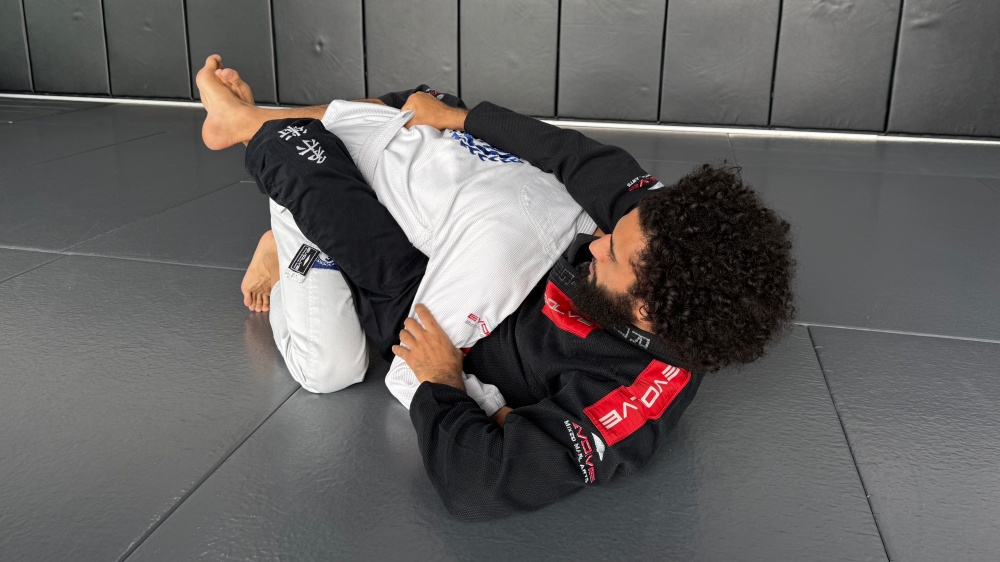
In Brazilian Jiu-Jitsu, grips are everything. They dictate control, pressure, and positional dominance. A belt grip refers to grabbing your opponent’s belt, usually at the back or side of their waist, to anchor your position.
While many beginners focus heavily on sleeve and collar grips, the belt grip offers a different type of control. Because the belt sits at the center of your opponent’s hips, it allows you to influence their movement directly. In grappling, hip control more often or not determines who wins the exchange.
For beginners in BJJ, this grip is simple to learn but extremely effective when applied correctly. It provides stability without requiring advanced technique.
Why The Belt Grip Is So Effective For Beginners
One of the biggest challenges beginners face in BJJ is maintaining control once they achieve a dominant position. It is common to pass someone’s guard, only to lose position seconds later. The belt grip helps solve this problem.
By anchoring your hand to the belt, you create a strong connection to your opponent’s hips. Since most escapes begin with hip movement, controlling the belt slows down their ability to turn, shrimp, or spin out. This gives beginners extra time to adjust their base and pressure.
According to analysis shared by grappling coaches in outlets like FloGrappling, hip control remains one of the core pillars of positional dominance in modern BJJ. The belt grip directly supports that principle.
Common Situations Where Belt Grips Are Used
The belt grip appears frequently in several core positions. In back control, grabbing the belt can help prevent your opponent from sliding their hips down to escape.
It keeps them anchored while you work to secure hooks or transition to submissions.
During guard passing, a belt grip can stabilize your opponent’s hips as you move around their legs. This is especially useful in pressure passing styles where control matters more than speed.
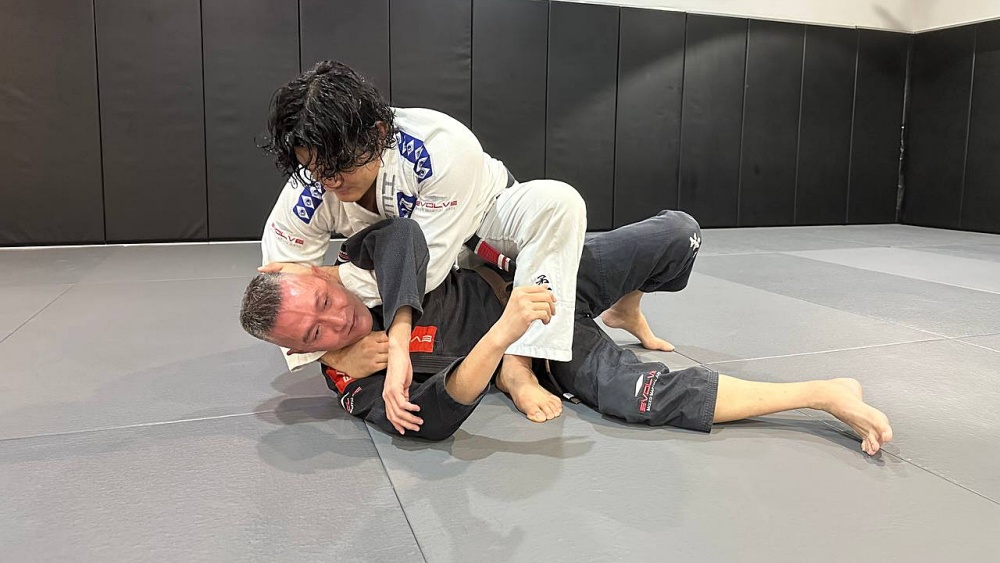
It is also used in transitions, particularly when moving from side control to mount. A secure belt grip can prevent explosive bridges that often catch beginners off guard.
Mistakes Beginners Make With Belt Grips
Even though the belt grip is simple, beginners sometimes rely on it incorrectly. One common mistake is squeezing too tightly without adjusting body position. A grip alone does not control someone. It must be supported by proper weight distribution and posture.
Another mistake is telegraphing the grip. Reaching too obviously for the belt can expose your arm to counters or sweeps. In BJJ, grips should feel natural and connected to the flow of movement.
Finally, beginners sometimes forget that grips are temporary tools. The belt grip helps you control, but you must still transition toward a stronger position or submission.
FAQs On The Belt Grip For BJJ
Q: Is The Belt Grip Legal In All BJJ competitions?
A: In most Gi-based BJJ competitions, belt grips are legal. However, rules may vary depending on the organization and age division. Always check the specific rule set before competing.
Q: Should Beginners Focus On Belt Grips Early In Training?
A: Yes. For beginners, learning simple and effective grips like the belt grip builds strong fundamentals. It reinforces the importance of hip control and positional awareness.
Q: Can You Use A belt Grip In No-Gi BJJ?
A: No. Since no gi BJJ does not involve a belt or gi jacket, this specific grip is not available. However, similar hip control concepts apply using body locks or waist control.
Q: Is The Belt Grip Better Than Collar Or Sleeve Grips?
A: It is not about better or worse. Each grip serves a different purpose. Collar and sleeve grips control upper body movement, while the belt grip directly influences the hips.
Q: Does The Belt Grip Work Against Advanced Practitioners?
A: Yes, but it must be combined with proper technique and positioning. Advanced practitioners will counter poor grip usage quickly, so understanding when and why to use it is key.
Final Thoughts
In BJJ, progress rarely comes from mastering flashy techniques. It comes from mastering the details. The belt grip may seem small, but it teaches one of the most important lessons in martial arts. Control the hips, control the movement.
For beginners, this grip builds confidence. It slows the chaos. It creates stability in fast exchanges. And over time, mastering small tools like the belt grip lays the foundation for long-term success on the mats.
In martial arts, the difference between average and exceptional often comes down to fundamentals. The belt grip is one of them.
You may also like:
Inside vs Outside Heel Hook: Differences, Effectiveness, And When To Use Each