Summary
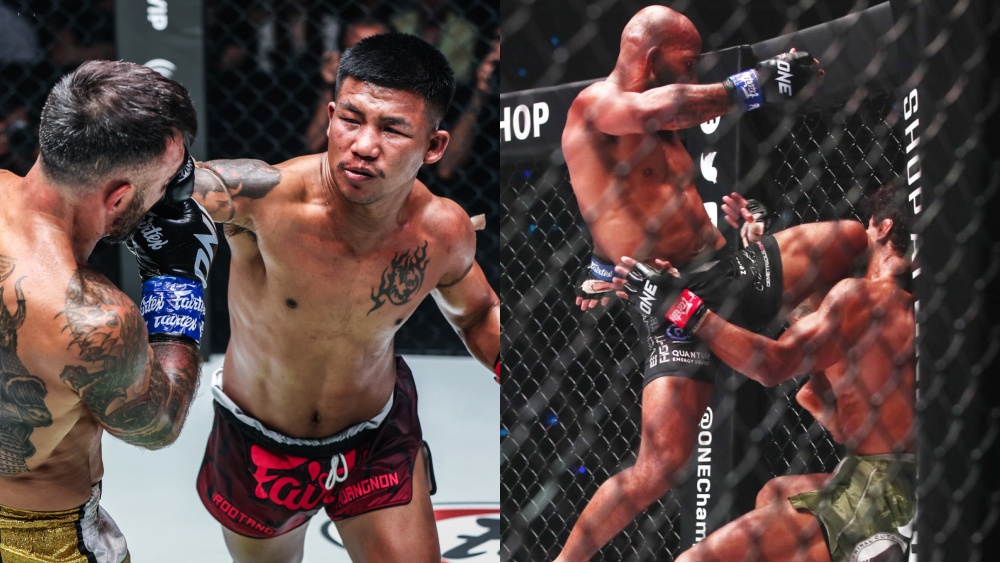
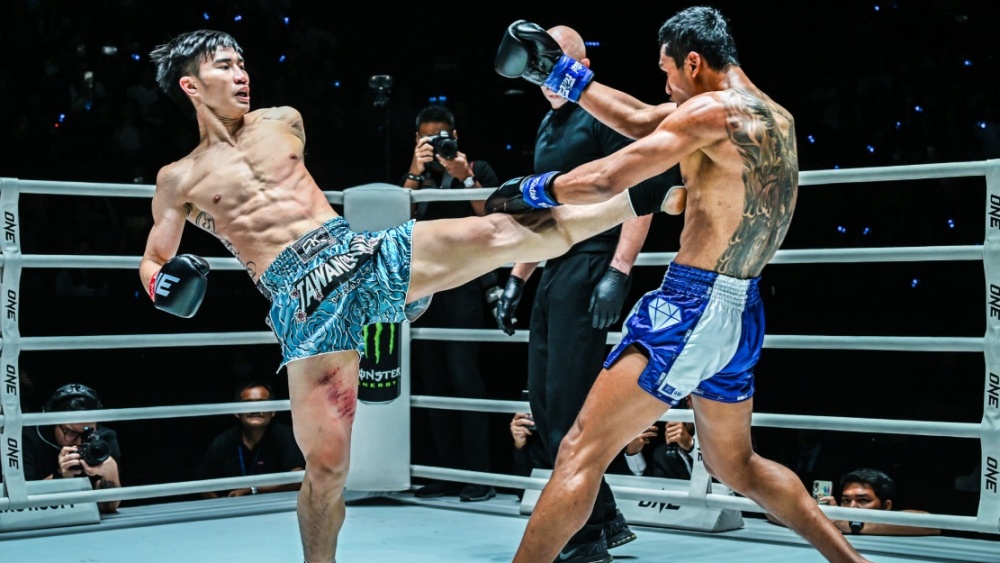
In Muay Thai, elbows are called sok, and they are both versatile and devastating. They can be thrown from multiple angles, upward, downward, horizontal, and even spinning, making them a key tool in clinch exchanges and short-range battles.
To use them effectively, you need timing, accuracy, and fluid motion. Training elbow techniques goes beyond power. The goal is to connect cleanly, control distance, and recover quickly after every strike. Through consistent drilling, fighters learn how to use elbows instinctively, blending them with punches, kicks, and knees for seamless combinations.
This article breaks down essential elbow drills that help develop coordination, balance, and striking rhythm for practitioners of all levels.
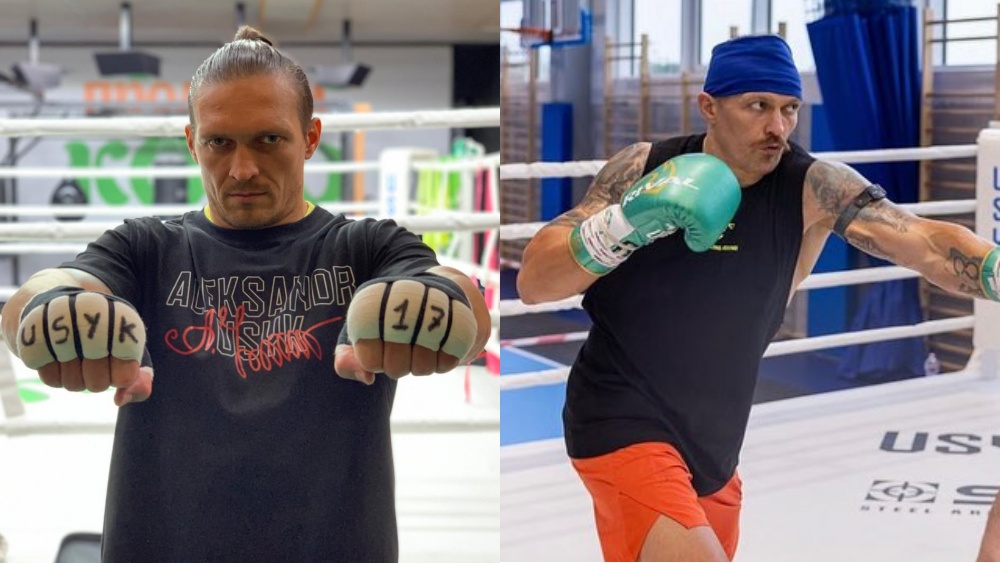
1) Shadowboxing With Elbow Focus
The ultimate training tool for all martial artist, shadowboxing is the foundation of all technical training. Adding elbow sequences helps improve flow and mobility.
How to practice:
- Start with light movements, keeping your guard high.
- Mix different elbow angles: horizontal across, upward, and downward.
- Focus on balance and recovery after each strike.
- Visualize an opponent in front of you to make every motion purposeful.
This builds awareness of spacing and rhythm while allowing you to explore natural transitions between elbows and other strikes.
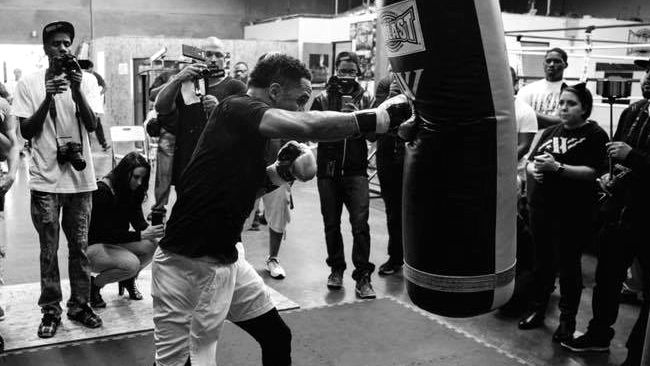
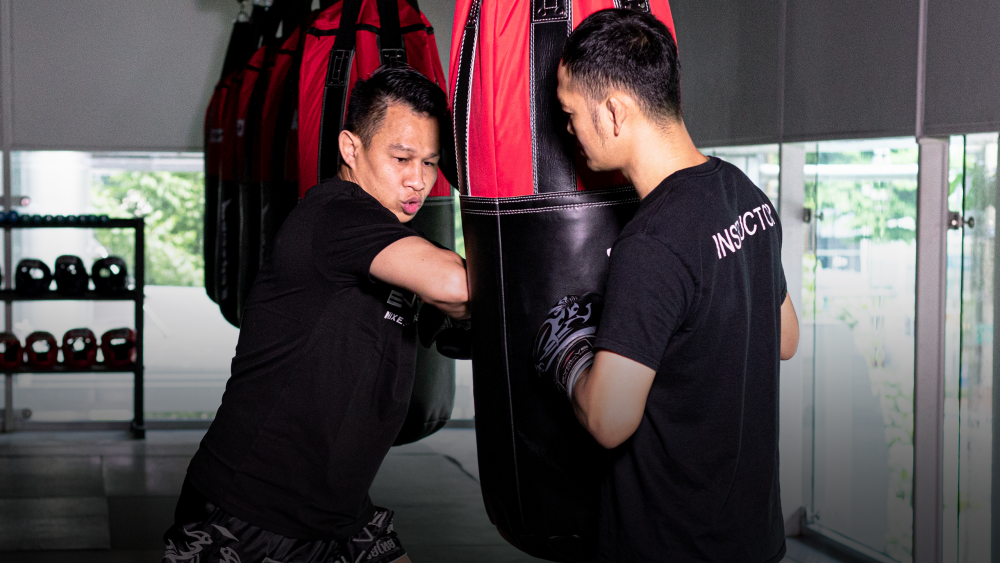
2) Heavy Bag Combination Elbow Drills
The purpose of this is fluidity of moments, endurance, and follow-through. It also develops stability in your stance when generating power.
How to practice:
- Start with single elbows to find proper distance.
- Add combinations, alternating between left and right elbows.
- Mix in knees or short punches to simulate close-range exchanges.
- End each set with a defensive reset. Guard up, step back, and breathe.
This drill builds both striking rhythm and durability in the forearms and shoulders.
3) Heavy Bag Clinch Elbow Drills
Elbows become especially effective when tied in close range moments like the clinch. Tie a resistance band around the heavy bag and position yourself on the inside to mimic the close distance.
How to practice:
- Start in a light clinch, with an arms length away from the heavy bag. You should already feel some resistance because of the band.
- Use one arm to create space, then bring your free hand to control your opponent’s arm before throwing the elbow.
This helps develop timing and control within real Muay Thai ranges rather than static striking.
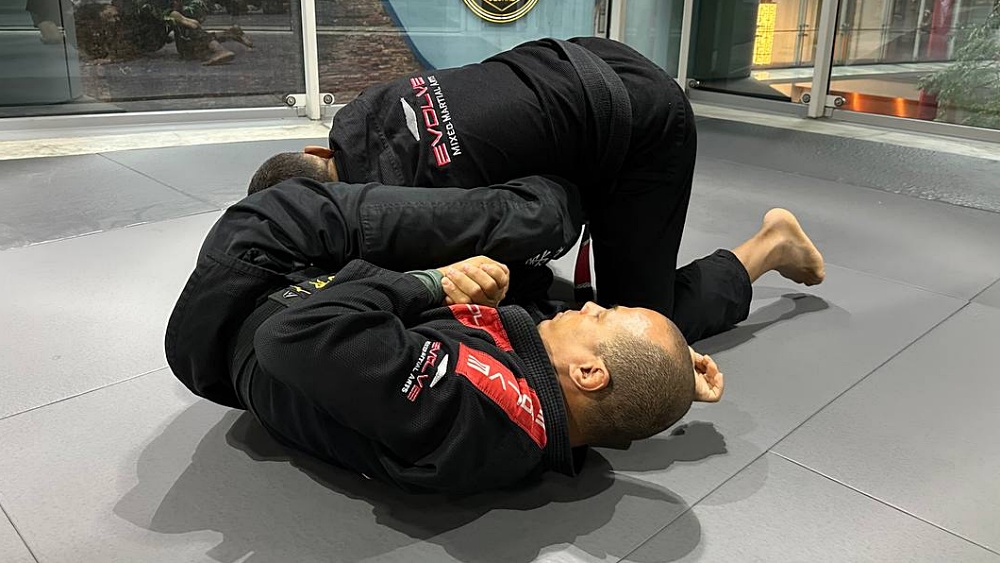
4) Partner Flow Drills
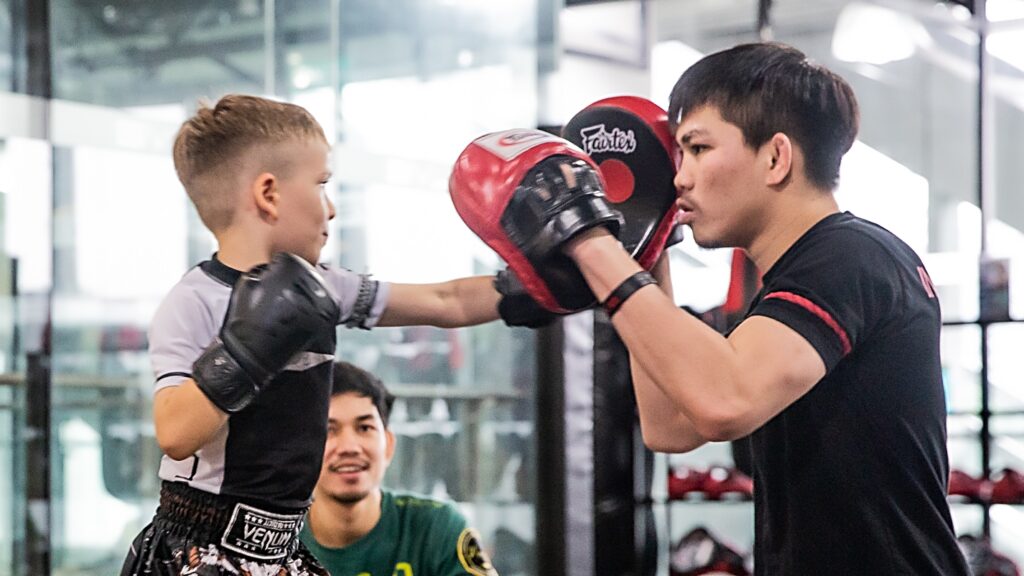
Working with a partner teaches timing and control. Have your partner hold a defensive guard while the you practices quick elbow entries.
The focus of this drill is awareness of openings and distance while reinforcing proper positioning. Power and speed are secondary.
You can train those on a heavy bag, but learning to expect reactions and recognize openings is something you only develop through training with a partner.
5) Elbow-Knee Coordination Drill
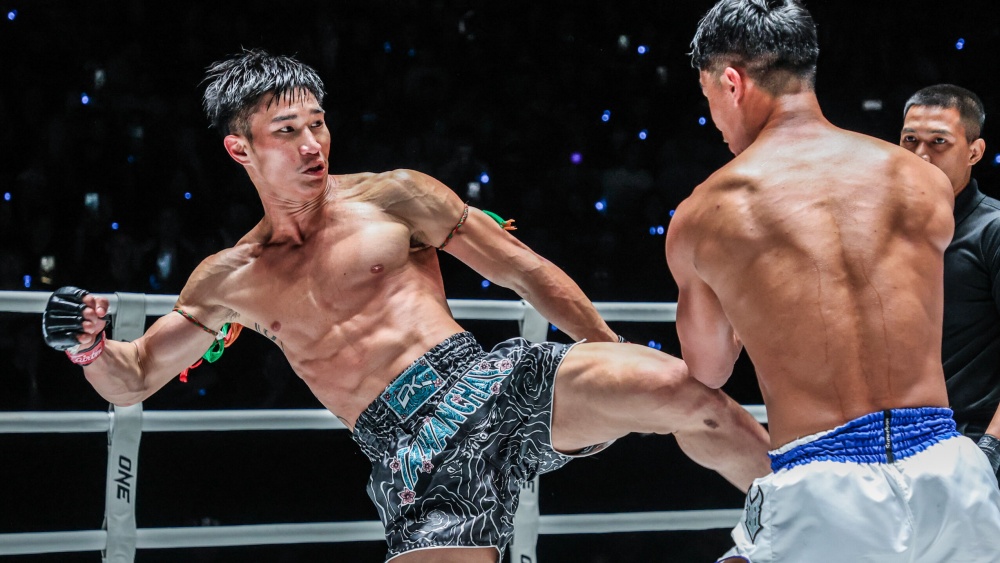
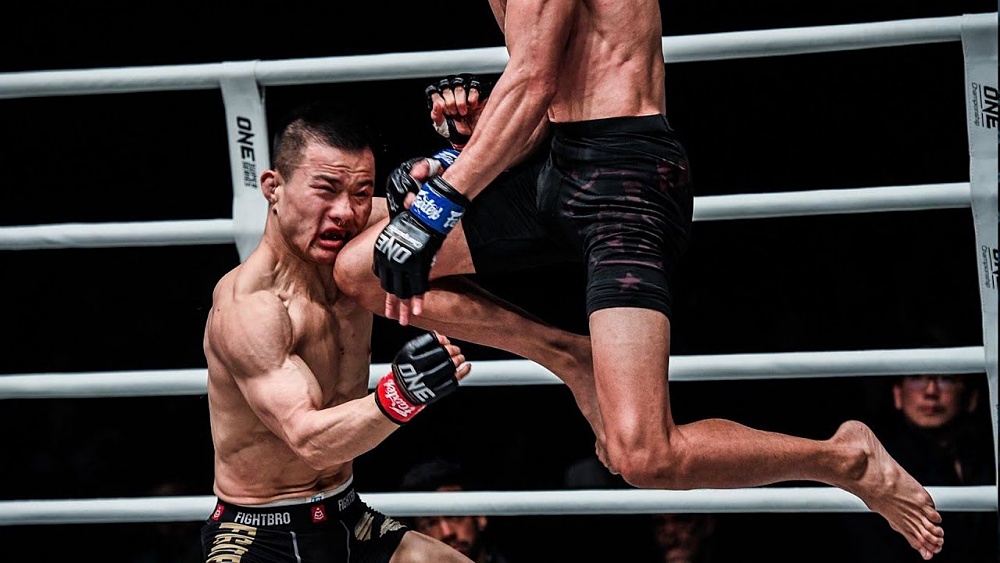
Elbows and knees work together naturally in Muay Thai. This drill connects both for rhythm and balance.
Example:
Throw a right horizontal elbow, pivot slightly, and follow with a left knee. Mix in upward, horizontal, and diagonal elbows before adding knees to your combination. Keep your core engaged and maintain proper posture throughout.
Focus on the transition. Smooth and controlled rather than rushed.
6) Pad Work Combo Drills
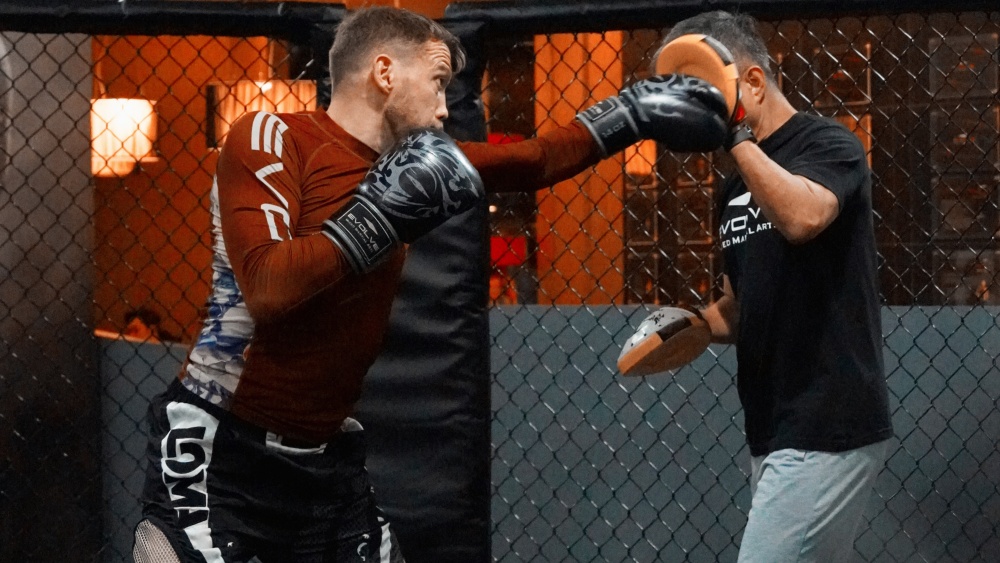
Once you’re comfortable and confident with the movements, combine it together in a pad work session to build muscle memory and control impact. Coordinate with your pad holder to practice combinations that include elbows.
Some Examples:
Jab, Cross, Lead Horizontal Elbow
Rear Uppercut, Lead Upward Elbow
Rear Knee, Teep, Spinning Elbow
Keep your elbows tight and sharp. Accuracy is more important than speed when learning. As you progress, add movement and pivoting to simulate real-fight adjustments.
Common Mistakes When Training Elbows
- Over-rotating the body: Causes loss of balance and exposes openings.
- Dropping the opposite hand: Always keep the guard up to protect against counters.
- Chasing power too early: Focus first on precision and rhythm.
- Neglecting recovery position: Every elbow should end in a ready stance.
- Forgetting to breathe: Controlled breathing helps maintain fluid motion.
FAQs On Elbows In Muay Thai
Q: How Often Should I Train Elbows?
A: Two to three sessions a week is ideal. Include light drills in technical practice and pad work during power sessions.
Q: Do I Need Pads Or Gloves For Elbow Drills?
A: Yes, especially because elbows can be sharp, so always protect your training partners with proper equipment.
Q: What Are The Most Common Elbow Types In Muay Thai?
A: Horizontal, upward, downward, spinning, and diagonal elbows are the main variations used in competition and training.
Q: Can Beginners Practice Elbows Right Away?
A: Yes, but start slow. Focus on form, distance, and control before adding power or combinations.
Q: How Do I Add Elbows Into Combinations Naturally?
A: Insert them after punches or knees when you’re close to your opponent. For example, jab-cross-lead elbow or knee-elbow-pivot.
Final Thoughts
Elbows represent the artful precision of Muay Thai, sharp, efficient, and versatile. Training them through structured drills improves timing, coordination, and awareness at close range.
By combining shadowboxing, pad work, and partner flow, you’ll develop the ability to throw elbows with confidence and control. The goal is not just to strike harder but to move smarter, blending technique, rhythm, and creativity into your Muay Thai game.
You may also like:
Teep Combinations: Mastering the Art Of The Push Kick In Muay Thai