Summary
Unlike three-round fights, five-round bouts require sustained output with minimal drop off. Fighters must manage fatigue while still defending takedowns, striking effectively, and making decisions under stress.
Energy systems are constantly shifting. Explosive bursts, grappling exchanges, and clinch work all tax the body differently. Endurance training must reflect this complexity rather than relying on one type of conditioning.
This article explains how MMA fighters train endurance for five-round bouts and why smart preparation matters more than simply working harder.
Key Takeaways
- Fighting through five rounds in MMA requires both aerobic and anaerobic conditioning.
- Fight-specific training matters more than general cardio alone.
- Mental pacing and recovery play a major role in long-duration fights.
What It Takes to Maintain Performance Across Five Rounds
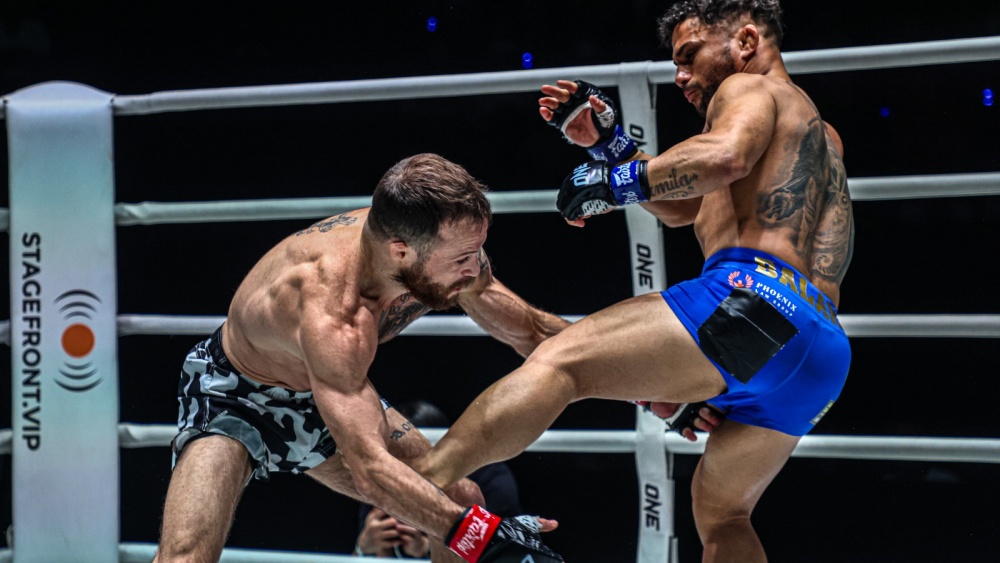
Five-round MMA fights place extreme demands on both the body and the mind. Fighters must sustain power, speed, and clear decision-making for up to twenty-five minutes under constant pressure. Endurance at this level is not built through random cardio or isolated workouts. It comes from structured conditioning that reflects the physical intensity, pace changes, and mental stress of a real fight. The following six training approaches explain how MMA fighters build the endurance needed to perform across all five rounds.
1) Building A Strong Aerobic Base
The aerobic system supports recovery between high-intensity efforts. A strong aerobic base allows fighters to lower their heart rate between exchanges and rounds.
MMA fighters often build this base through steady state cardio such as road work, cycling, or long-duration movement sessions. These sessions are usually kept at moderate intensity and performed regularly.
This foundation allows fighters to handle repeated bursts of effort without exhausting too quickly.
2) Training Anaerobic Endurance
Anaerobic endurance supports short, intense actions like flurries, takedown attempts, and scrambles. Without proper training, these bursts lead to rapid fatigue.
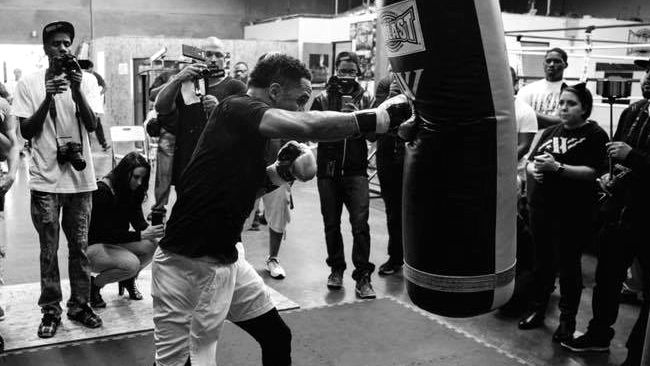
Fighters develop anaerobic endurance through interval-based training. This includes short rounds of high-intensity work followed by brief recovery periods. Pad rounds, wrestling drills, and cage work are often structured this way.
The goal is to maintain output even as fatigue builds.
3) Fight Specific Conditioning
General fitness alone is not enough. Endurance must be trained within MMA movements.
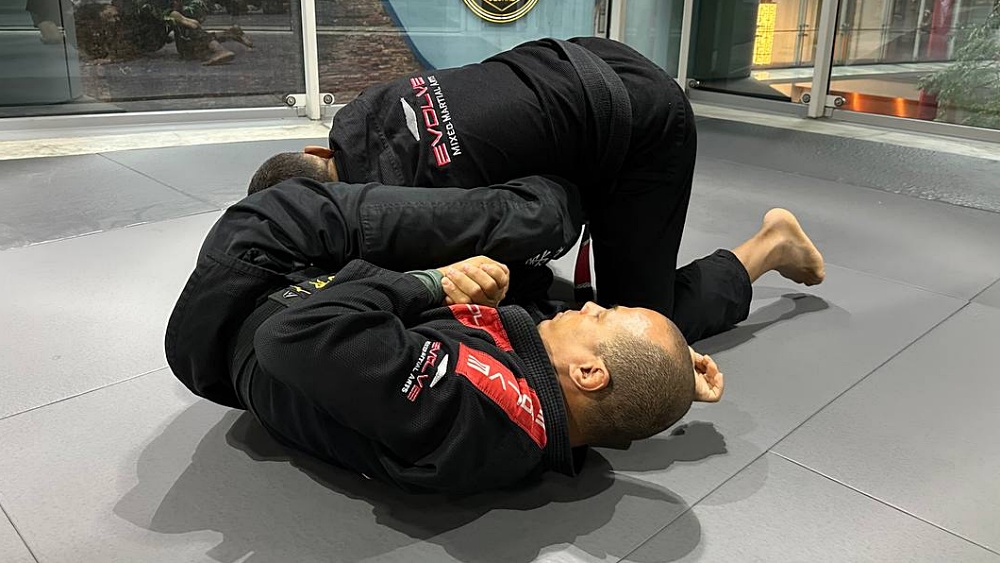
Grappling under fatigue, clinch work against resistance, and controlled sparring all build sport-specific endurance. These drills condition the body to move efficiently when tired.
Efficiency becomes critical in five-round fights. Fighters who waste energy early often struggle later.
4) Managing Pace And Energy
Endurance isn’t just about physical traits. It’s a strategic play.
Experienced fighters learn how to manage pace. They choose when to explode and when to recover. This ability prevents unnecessary energy loss and allows stronger finishes in later rounds.
Pacing is trained through experience, controlled sparring, and awareness of breathing and movement.
5) Recovery Between Rounds
Recovery during the one-minute break between rounds is vital.
Fighters practice controlled breathing, posture management, and mental reset techniques to lower heart rate quickly. Coaches also play a role by providing clear and concise instructions without overwhelming the fighter.
Effective recovery can make the difference in championship rounds.
6) Mental Endurance And Focus
Five-round fights test mental resilience. Fatigue affects concentration, reaction time, and emotional control.
Training under controlled pressure helps fighters stay composed when tired. Visualization, repetition, and experience build confidence that carries into later rounds.
Mental endurance often separates elite fighters from physically equal opponents.
Common Mistakes In Endurance Training
Although many athletes prepare with endurance in mind to last longer during rounds, some still fall into traps of the common mistakes, such as:
- Relying only on long-distance cardio.
- Neglecting grappling endurance.
- Overtraining without recovery.
- Ignoring pacing strategies.
- Training hard without structure.
Balanced preparation reduces burnout and improves performance.
FAQs On Endurance For MMA
Q: Is Long-Distance Running Enough For MMA Endurance
A: No. It helps build a base, but must be combined with fight-specific conditioning.
Q: How Early Should Fighters Start Endurance Training
A: Endurance development usually begins early in training camps and continues throughout.
Q: Does Strength Training Affect Endurance?
A: When structured properly, strength training can improve efficiency and reduce fatigue.
Q: How Important Is Breathing Control
A: Very important. Proper breathing supports recovery and focus.
Q: Can Endurance Improve Without Sparring
A: Yes, but controlled sparring helps simulate fight conditions.
Final Thoughts
Endurance for five-round MMA fights is built through intelligent training rather than excessive effort. By combining aerobic development, anaerobic conditioning, fight-specific drills, and mental preparation, fighters learn to perform consistently under prolonged pressure. The ability to stay composed, efficient, and resilient over five rounds is what defines championship-level performance.
You may also like: