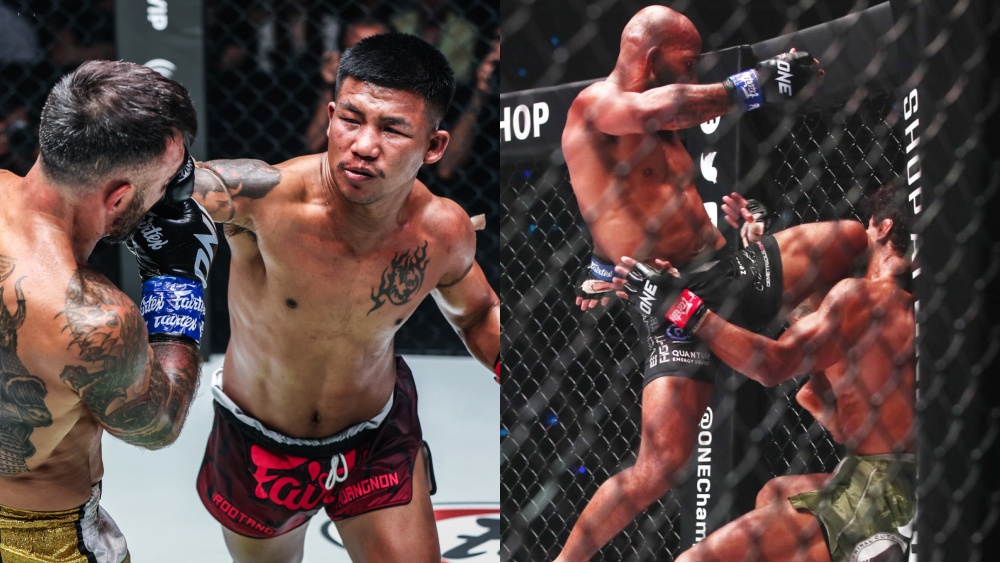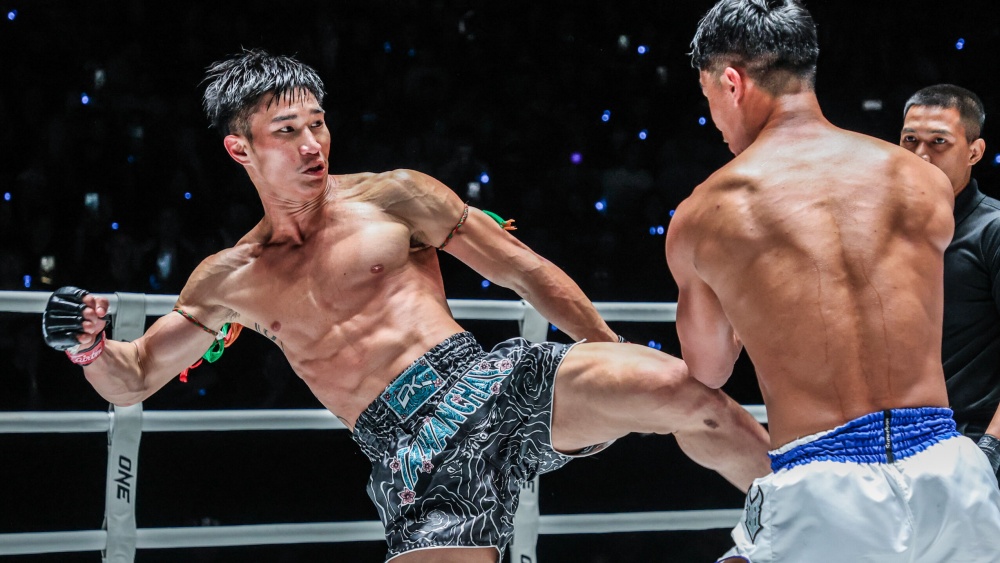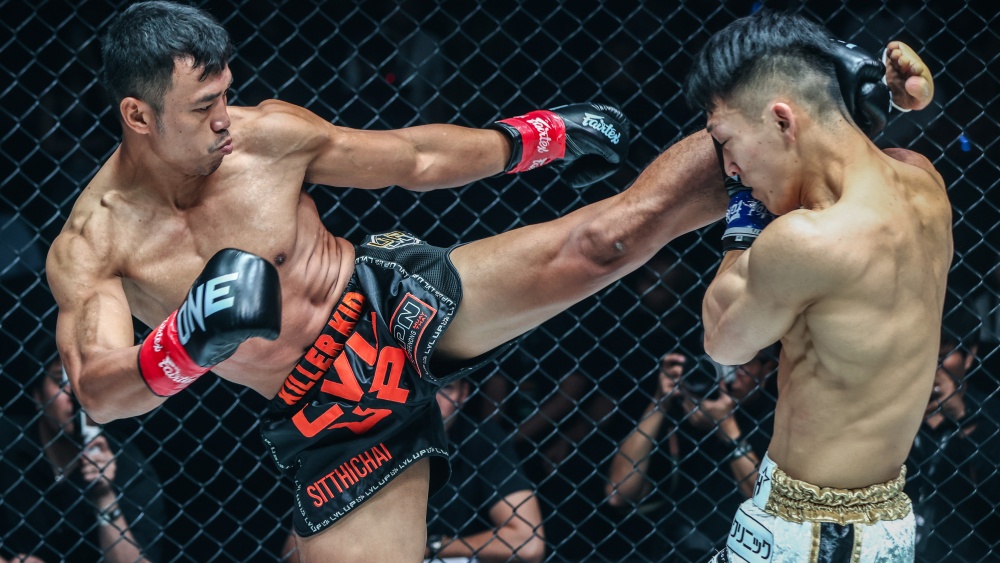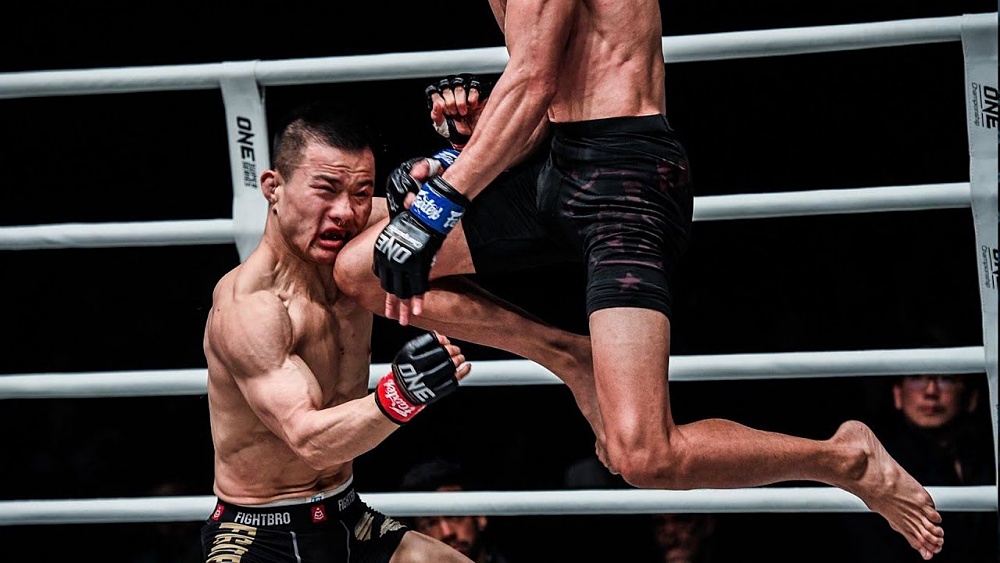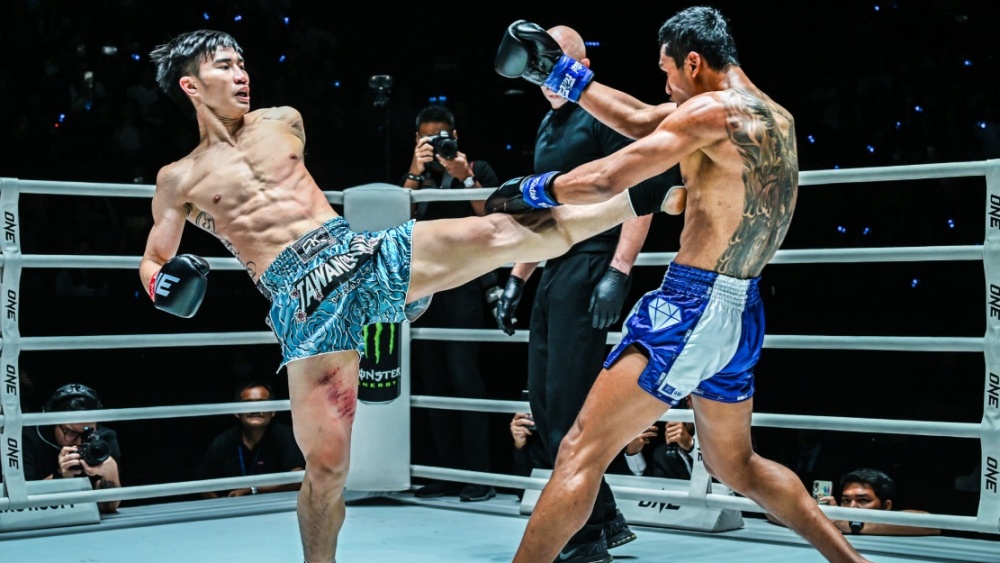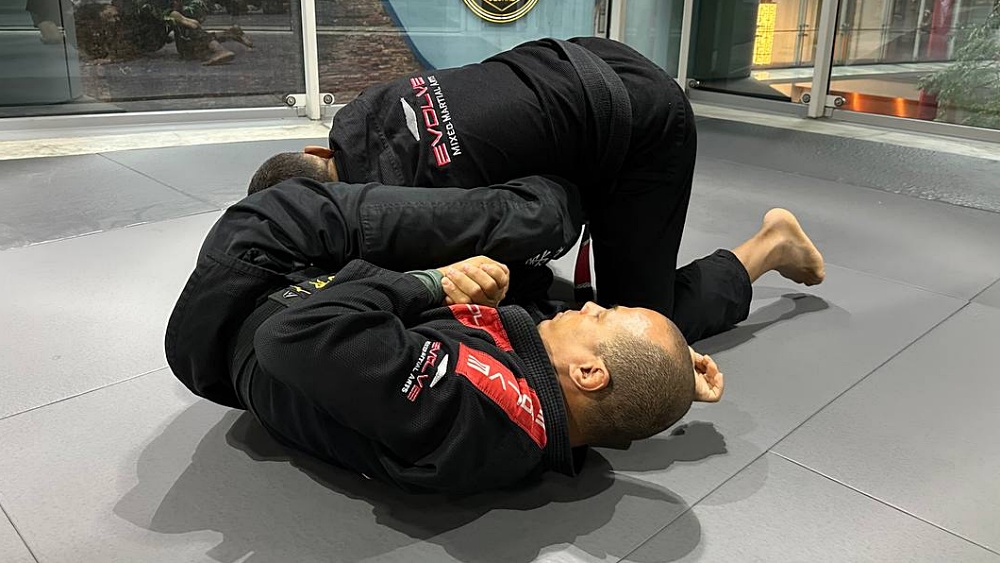
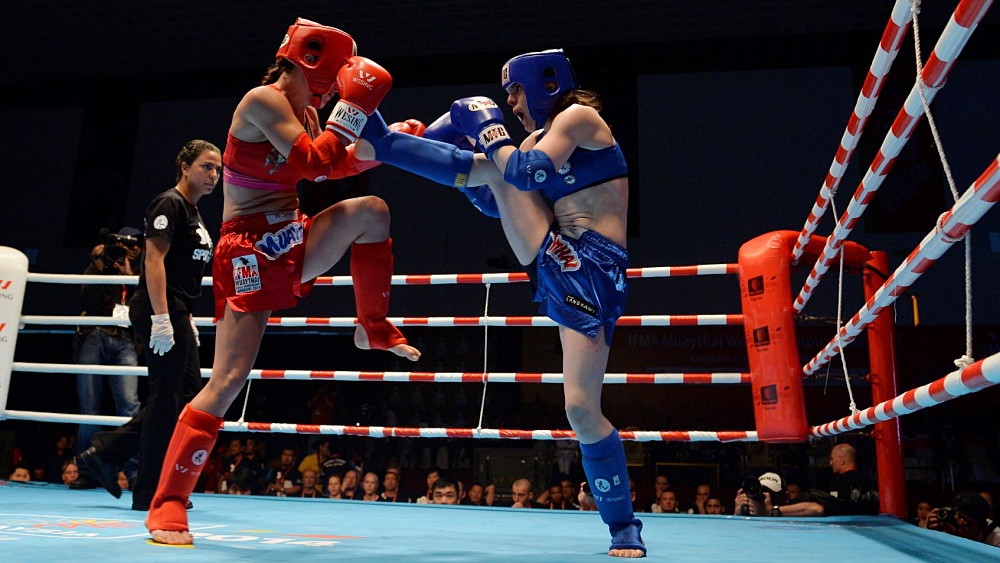
Muay Thai is often called the art of eight limbs, using fists, elbows, knees, and kicks in fluid combinations. While power and technique get a lot of attention, rhythm is what ties everything together. Fighters with rhythm move smoothly, control distance, and make their attacks flow naturally. Many martial arts instructors emphasize rhythm because it separates beginners from more advanced students. Developing rhythm is not about rushing or throwing more strikes; it is about moving with timing, confidence, and control.
Why Rhythm Matters In Muay Thai
In Muay Thai, rhythm is more than just moving to a beat. It is the tempo of your footwork, the timing of your strikes, and the way you transition between offense and defense. Fighters with good rhythm are more often or not more composed, even under pressure. They know when to push forward, when to pause, and when to counter.
Without rhythm, strikes feel forced or predictable. With rhythm, every movement flows, making it harder for an opponent to read your intentions. Rhythm also helps conserve energy, as it allows you to move efficiently without unnecessary effort.
Start With Footwork
Footwork is the foundation of rhythm. In Muay Thai, staying light on your feet allows you to control distance and set the pace of the fight. Start by practicing simple step and slide movements. Keep your weight balanced, moving forward and backward without crossing your feet.
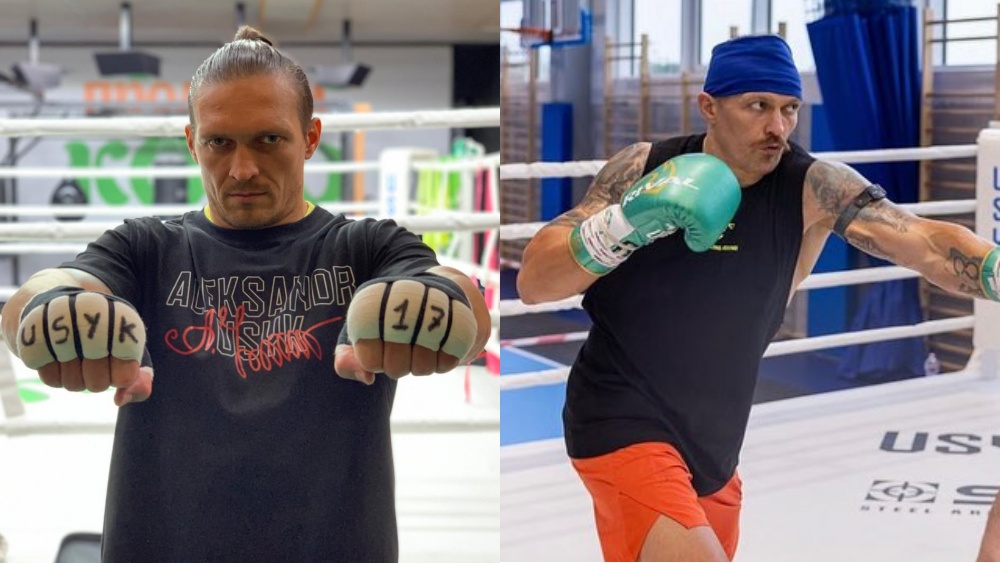
Shadowboxing is one of the best ways to train footwork rhythm. Set a timer and practice moving around the space, throwing light strikes, and imagining an opponent in front of you. Focus on keeping a steady flow rather than rushing. Over time, you’ll notice your movements becoming more natural and consistent.
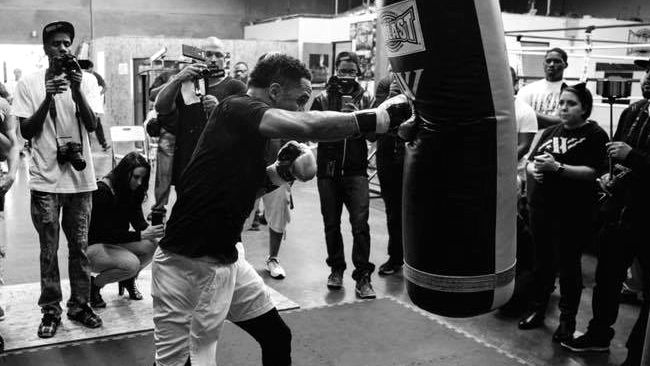
The heavy bag is not just for power; it is also a tool for rhythm. Instead of throwing random strikes, practice combinations in a steady tempo. For example, jab–cross-kick, reset, then repeat. Listen to the sound of your strikes and pay attention to how the bag swings. The goal is not to hit as hard as possible but to create a smooth and controlled pace.
Over time, you can add variety by mixing in knees, elbows, or body shots. Focus on the transitions between strikes. This will train your ability to link techniques together without hesitation.
Work With Pad Holders
View this post on Instagram
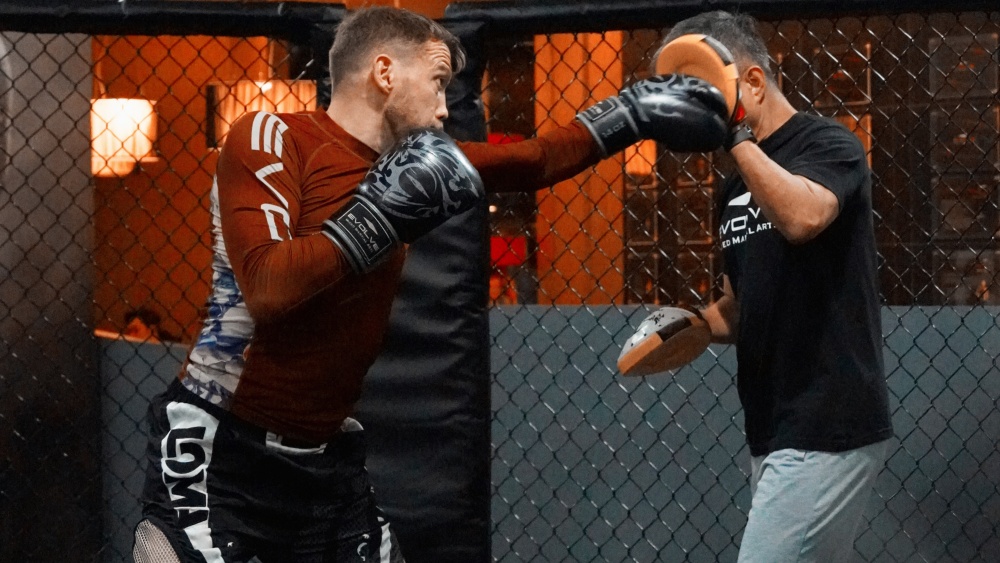
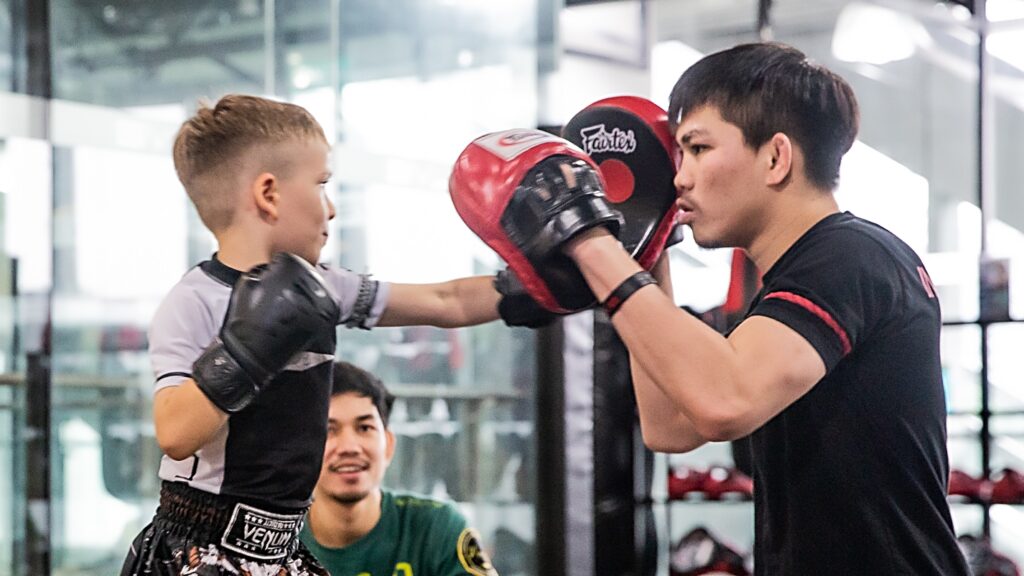
Pad work brings rhythm training to life. A good pad holder will guide you through sequences that mimic real fight situations. Instead of memorizing combinations, pay attention to the timing cues given by your coach. This develops your ability to react and maintain flow under pressure.
Pad work also teaches you how to reset after finishing a combination. Instead of stopping after a big strike, step back, move your feet, and prepare for the next sequence. This keeps your rhythm consistent, making it harder for an opponent to catch you off guard.
Practice With Music
One of the most enjoyable ways to train rhythm is by working with music. Many Muay Thai gyms in Thailand train with the traditional background music, and the tempo naturally influences movement. In Singapore, some gyms also use music during conditioning or shadowboxing sessions to keep students in sync.
Alternatively, you may also choose tracks with steady beats and practice striking, moving, and breathing in time with the rhythm. This not only makes training more engaging but also builds timing and fluidity. Over time, you will develop an internal rhythm that carries into sparring and fights.
Sparring With Controlled Tempo
When sparring, it is easy to lose rhythm in the heat of the moment. Beginners often rush or throw techniques without timing. To fix this, focus on sparring at a controlled tempo. Move deliberately, throw combinations with pauses, and reset before continuing.
Experienced fighters often change rhythm mid-round, mixing fast bursts with slow movements to throw opponents off balance. Practicing this variation in sparring helps develop adaptability and fight IQ. Remember, rhythm is not about speed but control and timing.
Building Rhythm Outside The Gym
Developing rhythm is not limited to training sessions. Activities like skipping rope, dancing, or even shadowboxing at home improve coordination and timing. Skipping in particular is a classic Muay Thai exercise. The steady bounce of the rope helps build footwork rhythm while strengthening endurance.
Even simple drills like clapping to a beat or practicing breathing in patterns can improve rhythm awareness. The more you engage with rhythm in daily life, the more naturally it will show in your Muay Thai practice.
Frequently Asked Questions About Rhythm In Muay Thai
Q1: Can Beginners Improve Their Rhythm Quickly In Muay Thai?
A: Yes. Beginners often see improvements within a few weeks of regular training. Simple drills like shadowboxing and skipping rope build rhythm quickly when practiced consistently.
Q2: Does Skipping Rope Really Help With Rhythm In Muay Thai?
A: Absolutely. Skipping rope develops footwork, coordination, and timing. It is a staple exercise for Muay Thai fighters and directly improves rhythm in movement and striking.
Q3: How Does Sparring Help With Rhythm?
A: Sparring forces you to apply rhythm in real time. It helps you practice controlling tempo, adjusting to an opponent’s timing, and staying composed under pressure.
Q4: Can Music Improve Muay Thai rhythm?
A: Yes. Training with music helps align movement with a steady beat, making it easier to develop timing and flow. Many fighters use music during shadowboxing to practice rhythm.
Q5: Is Rhythm More Important Than Power In Muay Thai?
A: Both matter, but rhythm often comes first. Power is less effective without timing and flow, while rhythm allows you to land strikes more cleanly and efficiently.
Conclusion
Rhythm is what gives Muay Thai its flow and beauty. It turns individual strikes into seamless combinations and helps fighters stay calm and efficient under pressure. By focusing on footwork, heavy bag drills, pad work, music, and controlled sparring, you can build rhythm step by step.
For martial artists in Singapore and beyond, developing rhythm is not just about becoming a better fighter. It is about learning control, timing, and balance, skills that improve every part of your training journey. The more you practice, the more natural your rhythm becomes, until movement feels effortless both inside and outside the ring.
You may also like: