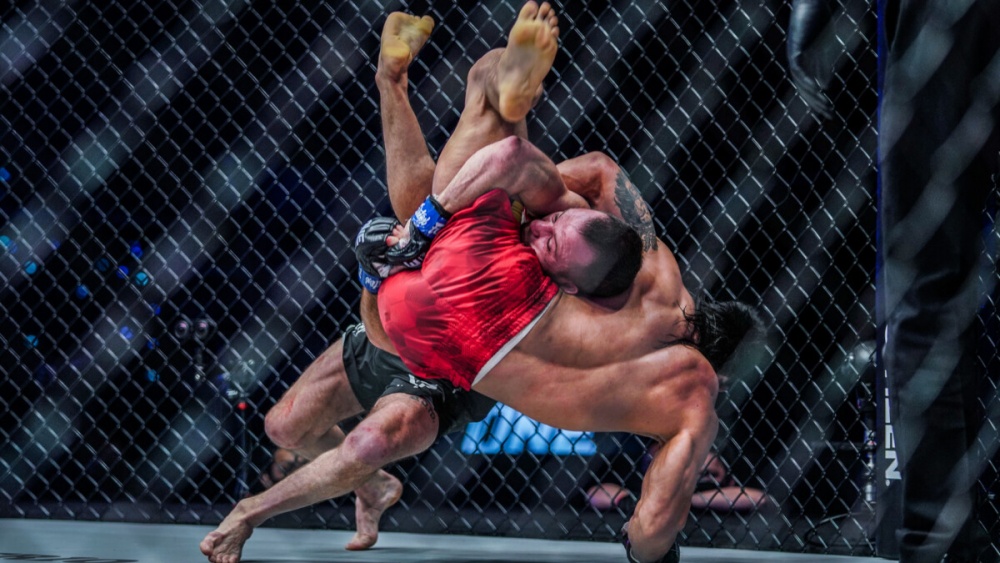
In Brazilian Jiu-Jitsu, some techniques are flashy and explosive. Others are quiet, almost unassuming, but absolutely brutal when done right. The arm drag falls into the second category.
At first glance, it doesn’t look like much. A simple pull across the body, often used in scrambles or warmups. But dig deeper, and you’ll find that the arm drag is one of the most versatile, high-percentage moves in all of grappling, used by world-class athletes in both Gi and No-Gi competition.
Whether you’re trying to take the back, enter into leg entanglements, or break your opponent’s posture, the arm drag opens doors. Here’s why it works, and how to make it part of your game.
What Is An Arm Drag?
At its core, an arm drag is really a redirect. Instead of fighting strength vs. strength, you pull your opponent’s arm across their centerline, exposing their back or off-balancing them. Think of it as a shortcut to dominant angles.
You’re not just pulling their arm, you’re pulling yourself into a better position.
Done well, the arm drag gives you:
- Immediate access to the back
- Inside control
- A path to off-balancing and sweeping
- Easy transitions into single legs, leg locks, or collar drags (in the gi)
It’s efficient. It’s quick. And it works from standing, seated guard, or even mid-scramble.
Why It’s So Effective
But the question is this: why is it so effective and efficient? Here are some reasons why:
- It Creates An Angle, Fast: Most attacks in BJJ require angles. The arm drag gives you one in a single beat. When your opponent’s arm crosses their body, they lose structure, and you gain leverage. It’s like opening a side door when the front door is locked.
- It’s Energy-Efficient: You don’t need to be stronger. In fact, arm drags reward timing over force. Once you understand the mechanics, grip, pull, and step, you can easily off-balance opponents who are much bigger or stronger.
- It Sets Up The Back, Every Time: One of the highest percentage positions in BJJ is the back control. The arm drag gives you direct access. Whether you’re dragging from standing or seated guard, you’re setting up a path to hook in and secure the back control, without having to force a pass or scramble blindly.
- It’s A Reaction Trap: Even if the drag fails, it often triggers a predictable reaction of your opponent pulling their arm back or overcommiting their base. That’s your cue to chain into another attack: think single leg, sumi gaeshi, or a quick ankle pick.
Where You’ll See It In Action
After discussing what an arm drag is and why is it so effective, let’s look at where we can see it in action.
From Seated Guard (Butterfly / Open Guard)
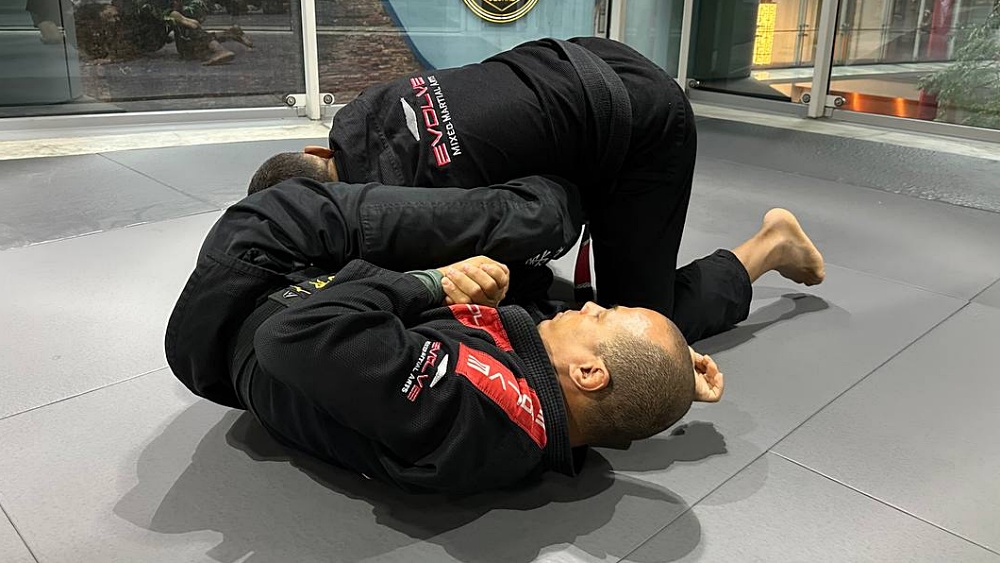
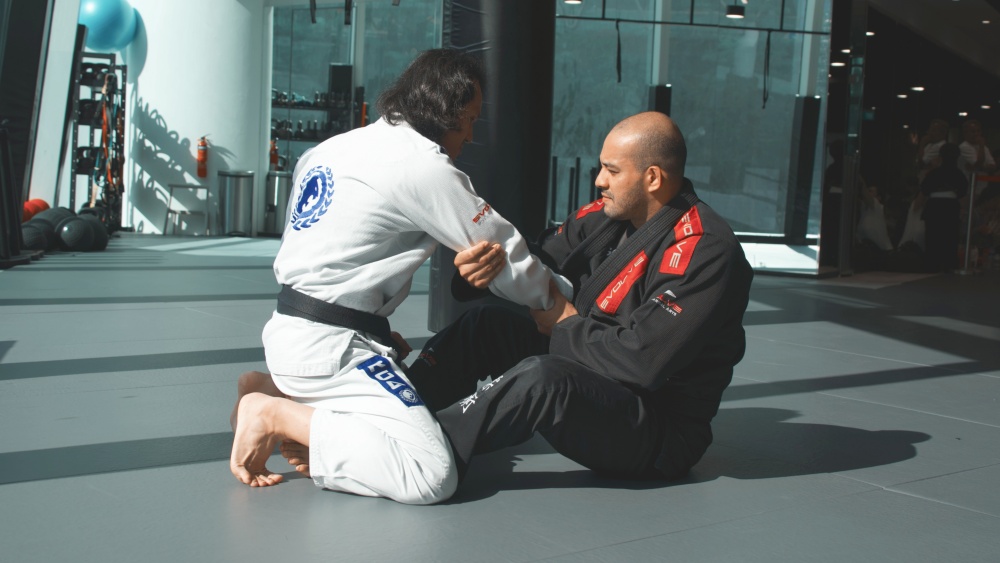
This is where most people first learn the drag. You grip the wrist and tricep, pull the arm across, and use your hips to slide in. The goal? Back exposure or to force your opponent to post, creating sweep opportunities.
From Standing
Common in wrestling, but deadly in BJJ. A clean drag from the feet opens up the rear body lock, trips, or a seamless back take.
In Scrambles Or Half Guard
When opponents post or reach, you can quickly switch grips and drag into an advantageous angle. Especially if they’re not expecting it.
Making It Part Of Your Game
Here’s how to start building it into your training:
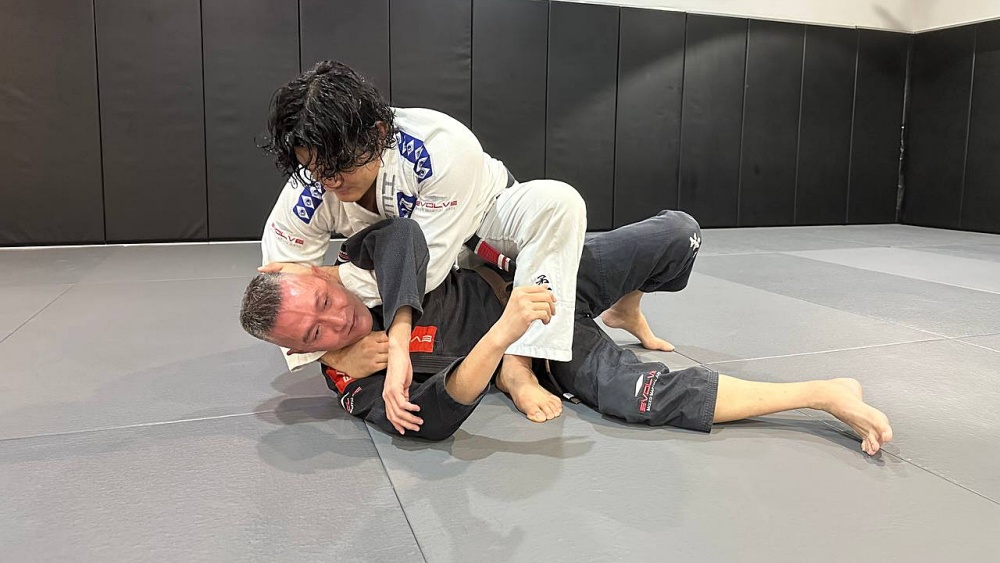
- Drill It Slowly At First. Focus on mechanics: wrist grip, tricep control, pulling to your hip, and stepping in with your foot.
- Chain It. Don’t treat the arm drag as a one-and-done move. If the back isn’t available, be ready to transition into single legs or sweeps.
- Watch For Opportunities. Look for overreaching arms, stiff frames, or extended posts. Ultimately you need to time it perfectly to drag and go.
- Study The Best. Top athletes like Marcelo Garcia and Andre Galvao made careers off tight arm drags. Watch how they use minimal movement to get to dominant positions.
Final Thoughts
In a sport where control leads to victory, the arm drag is one of the cleanest, most direct ways to get there. It doesn’t rely on brute force or complex setups, just good timing, body positioning, and the ability to see the angle before your opponent does.
If you haven’t added the arm drag to your arsenal yet, it’s time. Because sometimes, all it takes to win the exchange is one simple pull in the right direction.
You may also like: