Summary
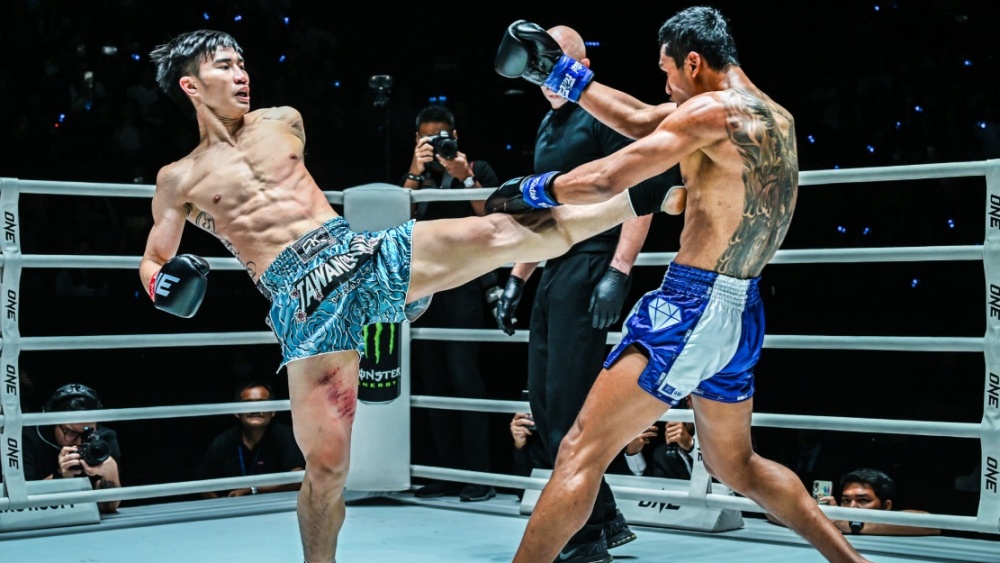
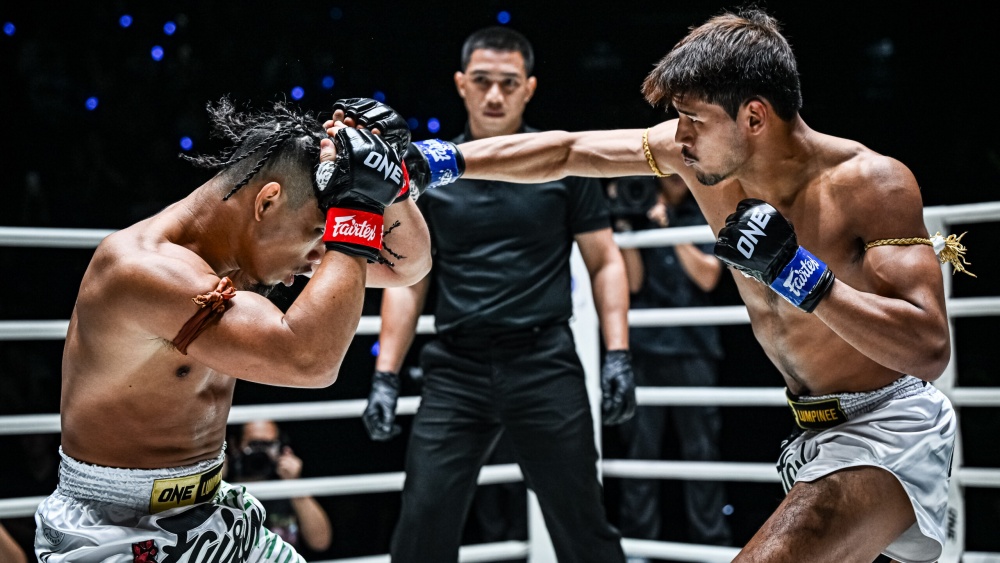
Ring control is one of the most important yet subtle skills in Muay Thai. It refers to a fighter’s ability to dictate where exchanges happen inside the ring and how opponents move. Fighters with strong ring control force opponents into unfavorable positions, limit escape routes, and score more cleanly without throwing more strikes.
This includes steering your opponent toward the ropes or corners while maintaining balance and composure.
It does not mean chasing or rushing forward. True ring control is calm and deliberate. Fighters with good ring control appear relaxed while opponents feel pressured and restricted.
This article explains what ring control is in Muay Thai, why it matters, and how it is developed through positioning, footwork, and awareness.
Key Takeaways
- Ring control is about positioning and pressure, not constant forward movement.
- Good ring control limits an opponent’s options and increases scoring opportunities.
- Footwork, balance, and timing are the foundations of effective ring control.
Why Ring Control Matters
Judges value control and dominance in Muay Thai. Fighters who consistently push the action, maintain balance, and dictate positioning are often rewarded even without throwing more strikes.
Ring control also improves defense. When you control space, you reduce the angles your opponent can use to attack or escape. This leads to cleaner exchanges and fewer surprises.
How Ring Control Connects To Scoring
In Muay Thai, scoring values balance and dominance. Fighters who control the ring often land cleaner strikes because opponents are off balance or reacting.
Even when strike volume is similar, the fighter controlling the space often appears more composed and effective.
Ring Control Vs Pressure Fighting
Pressure fighting involves forward movement. Ring control involves intelligent positioning.
Some pressure fighters lack ring control and get countered easily. Skilled fighters combine pressure with footwork and awareness to maintain control without overextending.
How Ring Control Works In Practice
1) Cutting Off The Ring
Cutting off the ring means stepping diagonally rather than following directly. This limits lateral movement and gradually narrows your opponent’s space.
Instead of chasing, you guide your opponent toward the ropes, where movement becomes predictable.
2) Controlling The Center
The center of the ring offers the most options. Fighters who control the center can attack, defend, or disengage more easily.
Holding the center forces opponents to work harder to escape and often causes them to circle into pressure.
3) Using The Ropes To Your Advantage
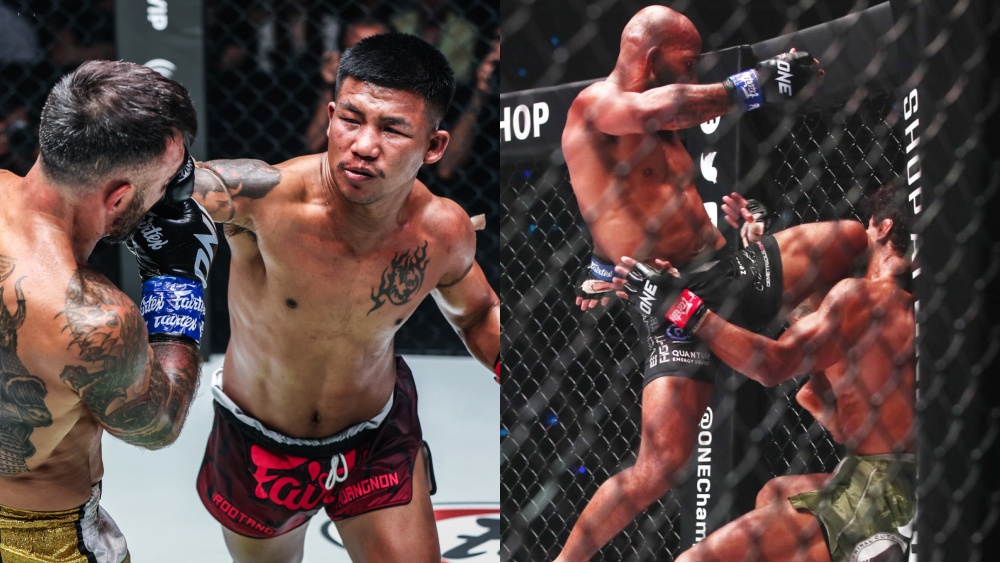
The ropes restrict movement and balance. When an opponent’s back is near the ropes, their ability to evade strikes or reset posture is reduced.
Strong ring control often leads naturally to clinch entries, knees, and off-balancing near the ropes.
4) Footwork And Balance In Ring Control
Footwork is the engine of ring control. Small steps, stable stance, and proper weight distribution allow you to move efficiently without overcommitting.
Balance is critical. Losing balance while pressing forward breaks pressure and gives the opponent space to escape.
Ring control is built through steady movement rather than sudden bursts.
5) The Role Of Feints And Rhythm
Feints help freeze opponents and influence their reactions. A simple shoulder twitch or step can force movement without throwing a strike.
Changing rhythm also disrupts timing. Fighters who vary tempo make it harder for opponents to predict movement and escape patterns.
Common Mistakes When Trying To Control The Ring
While ring control might sound easy, many fighters tend to make small, unknowing mistakes like:
- Chasing the opponent in straight lines.
- Crossing feet or overstepping.
- Throwing punches without positioning.
- Leaning forward and losing balance.
- Mistaking aggression for control.
Proper ring control is calm and planned, not rushed upon.
How To Improve Ring Control While Training
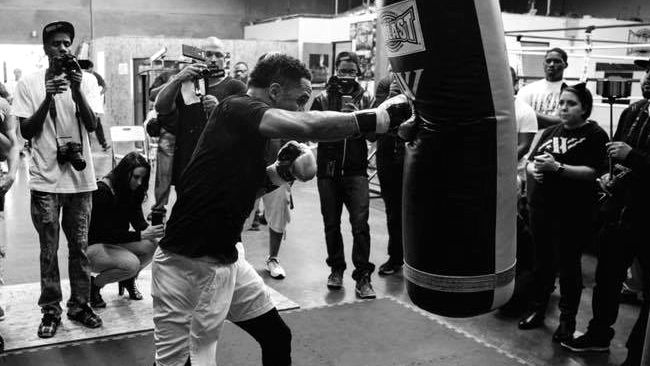
- Shadowboxing With Movement: Focus on stepping, angling, and returning to the center after combinations.
- Controlled Sparring: Practice guiding partners toward the ropes without increasing power.
- Footwork Drills: Simple stepping drills build awareness and balance over time.
- Awareness Training: Pay attention to where you are in the ring during every exchange.
FAQs On Ring Control In Muay Thai
Q: Is Ring Control Only Important For Taller Fighters?
A: No. Fighters of all sizes can develop ring control through footwork and timing.
Q: Does Ring Control Mean Throwing More Strikes?
A: No. It focuses on positioning rather than volume.
Q: Is Ring Control More Important Than Power?
A: Both matter, but control often leads to better scoring opportunities.
Q: Does Ring Control Help In Clinch Fighting?
A: Yes. In fact, it makes clinch entry and off-balance easier.
Final Thoughts
Ring control is a defining skill in Muay Thai that separates effective fighters from reactive ones. By mastering footwork, balance, and positioning, fighters can dictate the pace and location of exchanges without unnecessary effort. While it may not be flashy, strong ring control quietly shapes outcomes and consistently leads to cleaner scoring and greater dominance inside the ring.
You may also like: