Summary
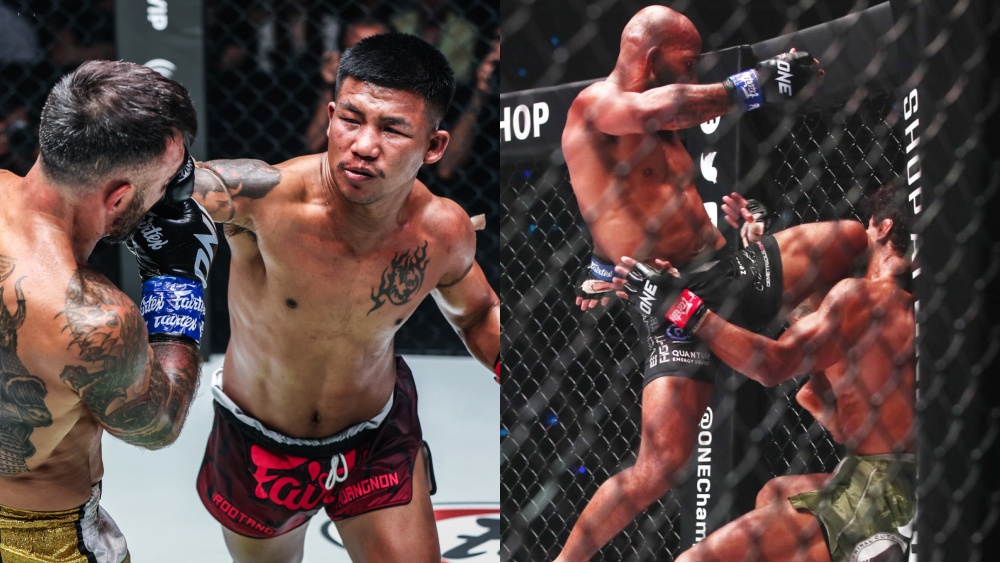
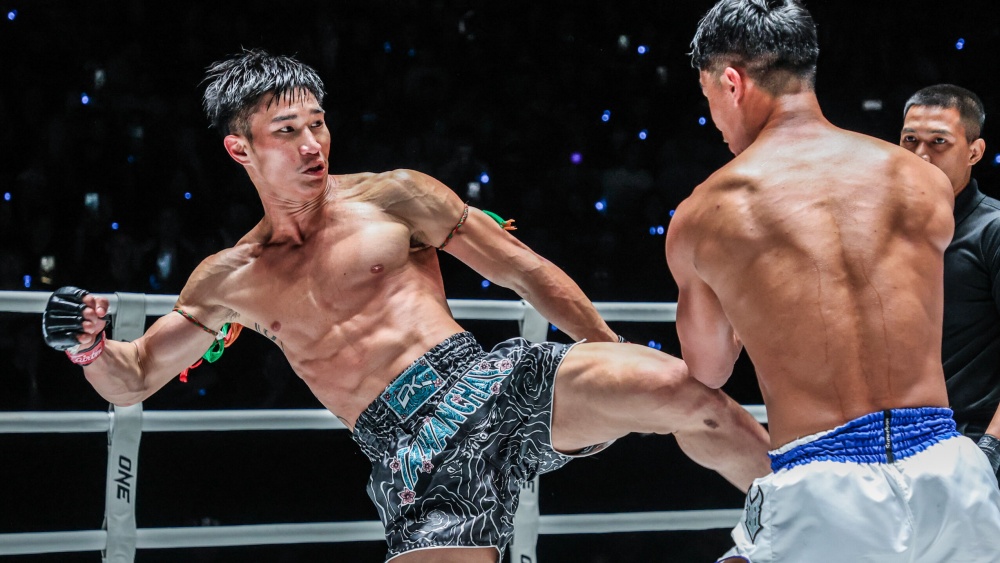
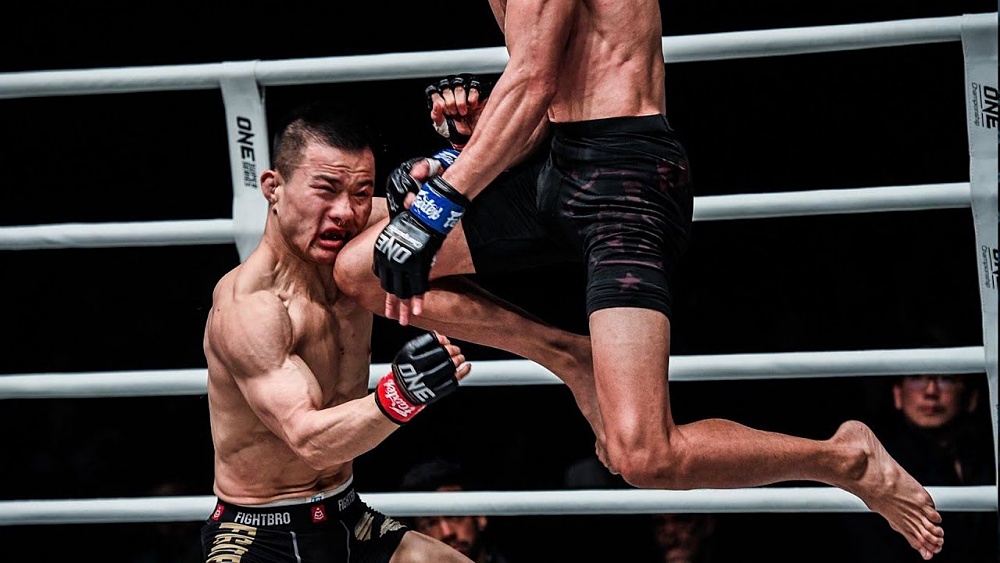
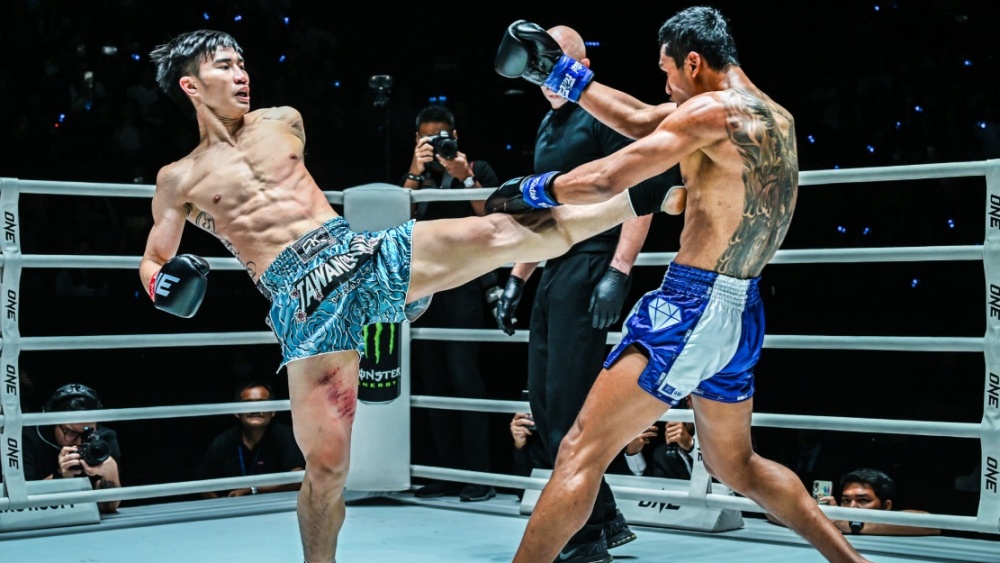
When people think of Muay Thai, they picture explosive roundhouse kicks, sharp elbows, and powerful knees. But many fights are not determined by flashy and loud techniques. They are shaped by smaller, often overlooked tools that control rhythm, create openings, and frustrate opponents. These underrated techniques may not look flashy, but they are extremely effective and remain staples among experienced fighters and coaches.
Key Takeaways
-
Underrated techniques control fights. Subtle tools like teeps to the lead leg, hand fighting, and off-balancing don’t finish fights, but they dictate rhythm, distance, and momentum which helps set up finishing moves.
-
Small details create big advantages. Angles after kicks, body jabs, and light disruptive low kicks quietly break timing, force mistakes, and open clean scoring opportunities.
-
Experience shows in control, not flash. Great Muay Thai fighters rely on positioning, patience, and efficiency, winning exchanges before power even comes into play.
The Techniques People Don’t Talk About Enough
In every era of Muay Thai, some techniques are popularized more than others. Fighters build reputations around knockout elbows or devastating kicks. But behind those moments are in-between movements that make everything possible.
Some of these “in-between” movements:
- Disrupting balance
- Managing distance
- Setting traps
- Slowing down aggressive opponents
They don’t always end fights, but they often determine who controls them.
1) The Teep To The Lead Leg
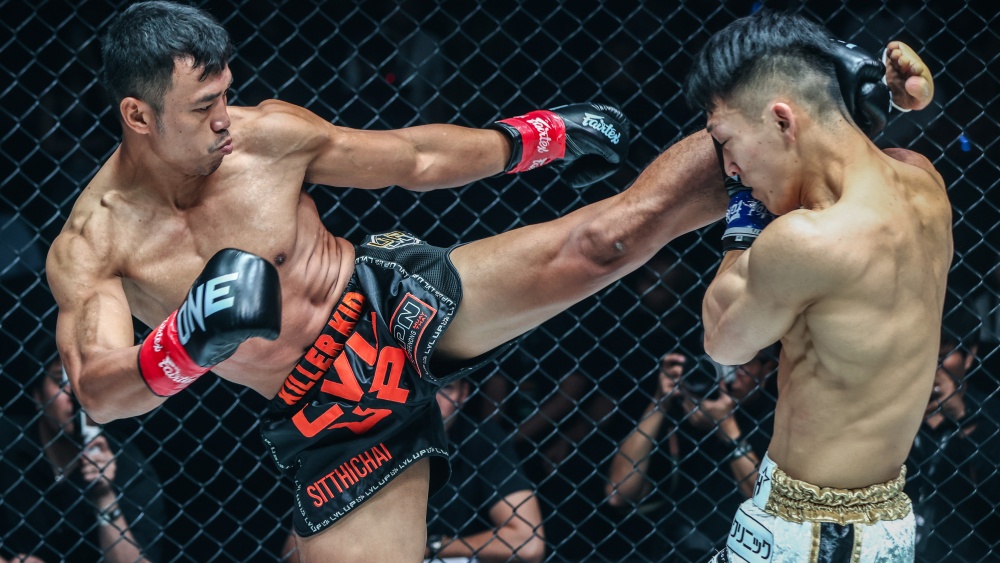
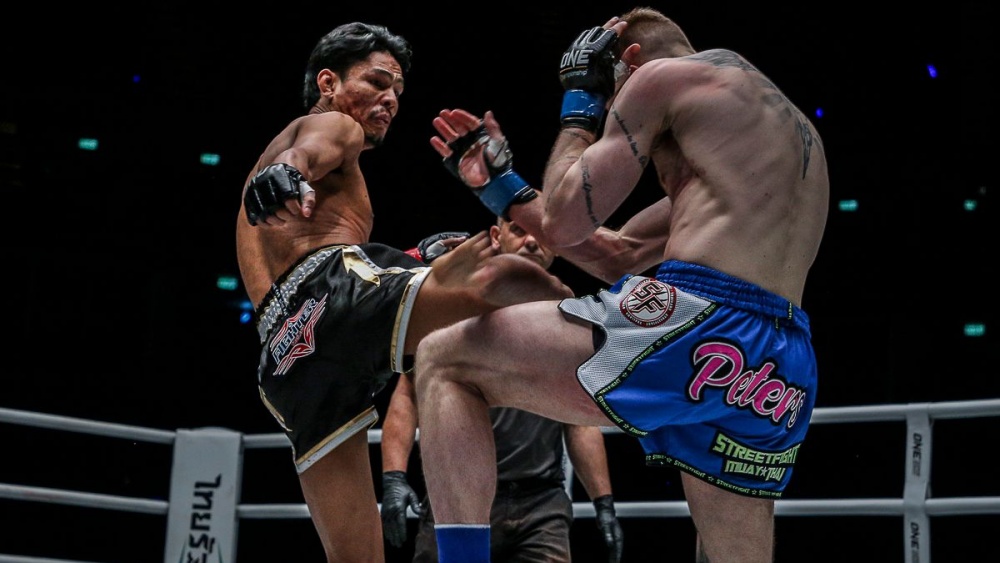
Most people associate the teep with pushing the body. The teep to the lead leg is far less discussed, yet incredibly effective.
Some key benefits include:
- Disrupting an opponent’s stance.
- Prevents forward pressure.
- Breaking the opponent’s rhythm.
Against aggressive fighters, this simple technique can neutralize their momentum early. It forces resets and buys time to while opponents reposition themselves. Experienced fighters use it repeatedly, not dramatically. Just enough to frustrate.
2) Hand Fighting And Frame Control
Before strikes land, there’s always a battle for positioning. Subtle hand fighting, checking wrists, and framing against the shoulders or even collarbone often determine who lands first.
These in between movements help fighters create better angles and control distance without always needing to strike. They rarely show up on highlight reels, but they play a major role in shaping exchanges. Fighters who consistently win these small battles often end up controlling the pace and dominating entire rounds.
3) Step-Offs After Kicks
Many beginners throw a kick or knee and reset straight back to position. More experienced fighters step off at an angle immediately after striking. This simple adjustment improves defensive safety, opens new attacking lanes, and disrupts opponents looking to counter. A small pivot after a kick can instantly turn defense into offense. It may seem like a minor detail, but it changes how exchanges unfold.
4) Body Jabs
Muay Thai is known for power strikes, but many underestimate how short, precise punches often set them up. Some benefits of utilizing body jabs include:
Though they are not always meant to finish fights, they often help set up the finish. Imagine throwing a body jab before a roundhouse kick. A body jab thrown before a roundhouse kick forces a reaction. That moment of hesitation is often all an experienced fighter needs.
5) Off-Balancing In The Clinch
The clinch isn’t only about throwing strike. Subtle shifts, pulls, and turns drain energy and break posture.
Experienced clinch fighters focus on control before offense. Rather than forcing strikes, they use subtle movements to put opponents in uncomfortable positions.
- They move opponents instead of chasing knees, forcing reactions and opening space naturally.
- They create imbalance first, making strikes land cleaner with less effort.
- They conserve energy while opponents tense up and waste strength trying to regain balance.
By off balancing an opponent, clean knees become available without relying on brute strength. This is efficiency disguised as control.
6) Low Kicks That Target Rhythm
Not every low kick is meant to hurt. Some are meant to disrupt. Light, well timed low kicks serve a purpose beyond damage:
- They interrupt an opponent’s combinations before they can build momentum.
- They force stance resets, breaking rhythm and balance.
- They slow aggressive fighters who rely on pressure.
Over time, these small disruptions add up. Opponents begin to hesitate. Their timing falls apart. Confidence fades. That is often when the fight starts to shift.
Why These Techniques Matter More Than Flashy Ones
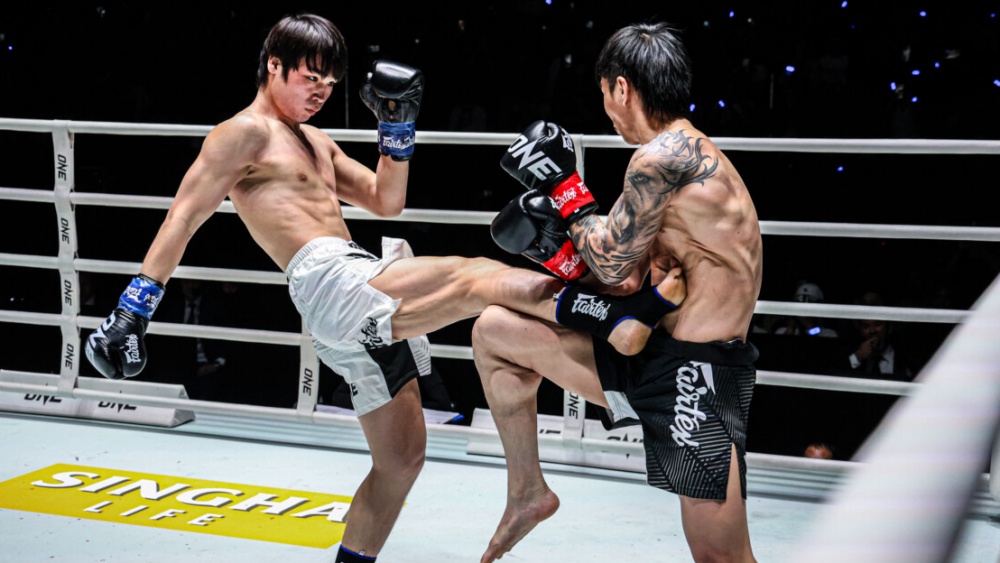
Flashy techniques draw the eye, but it is the underrated ones that decide rounds. They help fighters slow the pace, conserve energy, and create openings by forcing opponents into poor decisions. Rather than relying on power alone, skilled fighters apply pressure patiently and methodically.
The separation is rarely about strength. It comes down to how well a fighter controls space before striking.
The Mark Of Experienced Muay Thai Practitioners
A seasoned fighter is often defined by restraint rather than aggression. They do not rush or overcommit. They trust positioning, timing, and control to shape each exchange.
Underrated techniques reveal a deeper level of understanding. They show growth beyond combinations and conditioning alone.
Patience, awareness, and efficiency sit at the center of this approach. These are the traits that consistently separate good fighters from great ones.
FAQs About Underrated Muay Thai Techniques
Q: Why Don’t These Techniques Appear In Highlight Videos Often?
A: Because they are not designed for knockouts. They are designed to control fights and set up bigger attacks. But if you watch closely, you’ll actually catch some snippets of these before the finish.
Q: Which Underrated Technique Should Beginners Focus On First?
A: Consider starting with The Jab and teeps, they’re simple yet excellent starting points. They improve balance, defense, and control.
Q: Do Professional Fighters Rely On These Techniques?
A: Yes. In fact many elite fighters build their entire strategies around subtle positioning, hand control, and rhythm disruption.
Q: Can These Techniques Be Used For Fitness Training As Well?
A: Absolutely. They improve coordination, reaction time, and overall movement, making training more technical and engaging.
Final Thoughts
Muay Thai isn’t just about power and aggression. There’s also the other side of rhythm, positioning, and control.
The techniques that seem small often carry the greatest influence. They shape exchanges quietly, creating opportunities that others miss.
For students and fighters alike, learning to appreciate these underrated tools changes how you see the sport. You begin noticing the details, the setups, and the subtle battles happening before every strike.
Once you understand these small nuances, Muay Thai starts to look very different.
You may also like:
12 Of The Most Influential Fighters In Modern Muay Thai You Must Know