Summary
The reverse mount is an unconventional but increasingly relevant position in Brazilian Jiu-Jitsu. Instead of facing your opponent’s head like the traditional mount, the reverse mount places you facing their legs while maintaining top control. While it is not a standard scoring position in some rule sets, the reverse mount can be useful for controlling movement, shutting down escapes, and creating transitions during scrambles. This article explains what reverse mount is, how it works, and when it makes sense to use it in BJJ.
Key Takeaways
- The Reverse mount prioritizes control and transition rather than submissions.
- Its most effective during scrambles and against explosive opponents.
- Balance and hip positioning are more important than pressure alone.
What Is The Reverse Mount In BJJ
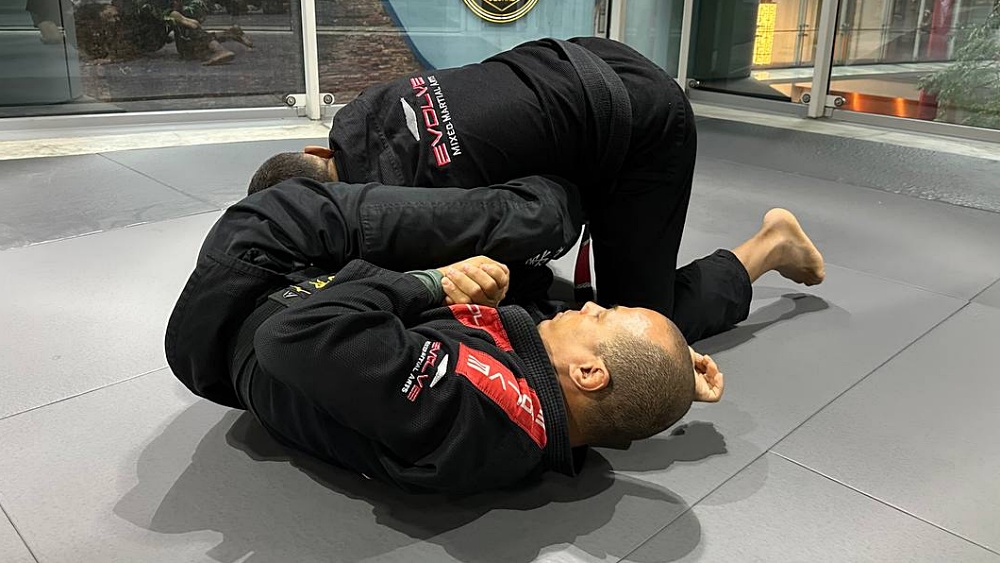
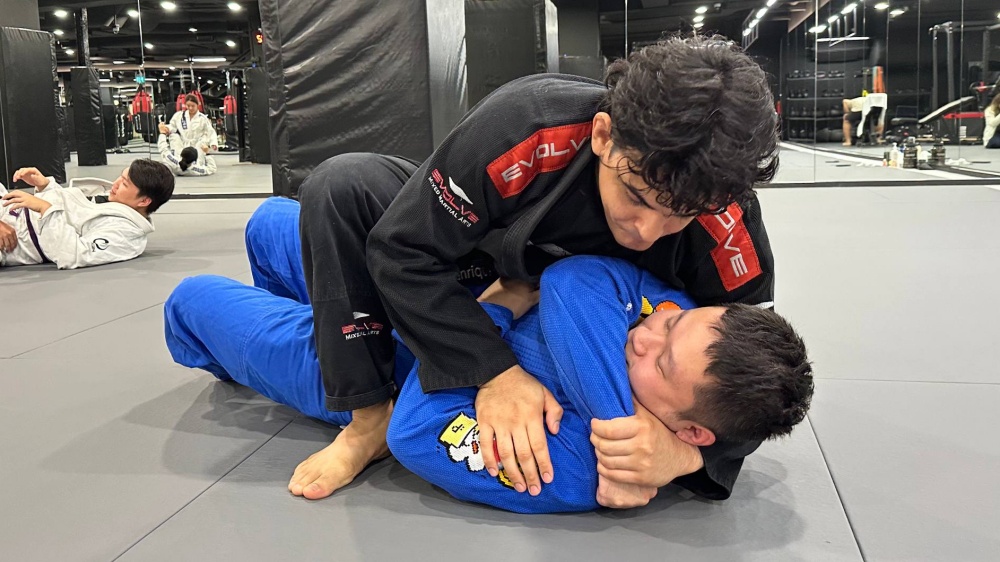
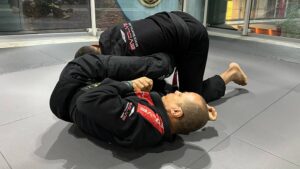
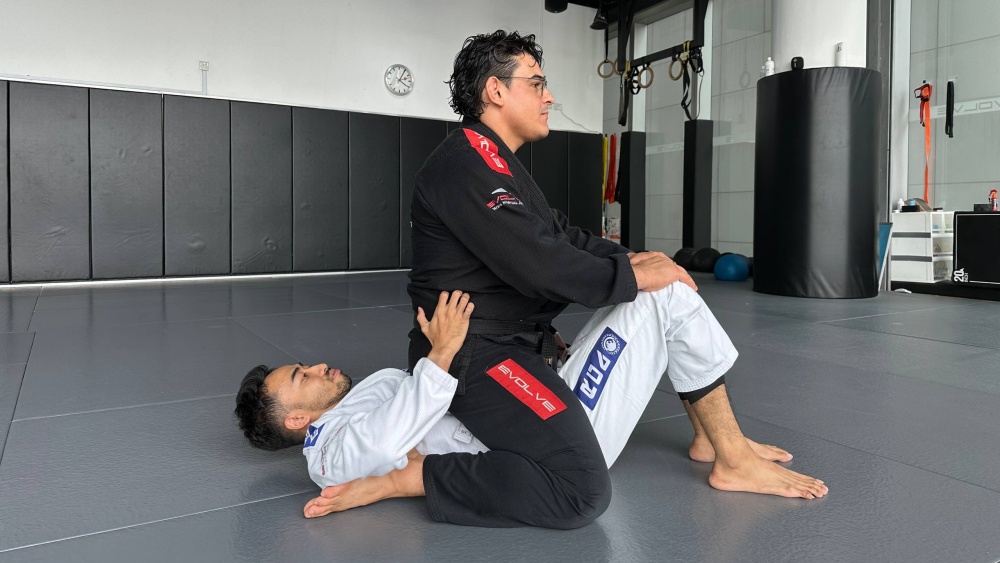
The Reverse mount occurs when you are on top of your opponent’s torso but facing their legs instead of their head. Your knees are typically near their hips or ribs, and your weight is centered to prevent turning or bridging.
Unlike a traditional mount, a reverse mount is not designed for direct submission attacks. Its main purpose is to control movement, limit escapes, and create opportunities to transition to stronger positions.
The effectiveness of reverse mount comes from hip control and balance. By facing the legs, you can block hip movement and reduce the opponent’s ability to turn onto their side.
Your weight should stay centered, with knees active and ready to adjust. Leaning too far forward or backward makes the position unstable.
Reverse mount works best as a temporary control point rather than a place to settle for long periods.
Why The Reverse Mount Exists
Reverse mount often appears unintentionally during scrambles, failed back takes, or when an opponent turns aggressively to escape mount. Instead of abandoning the top position, experienced practitioners use reverse mount to stay connected and regain control.
This position is especially useful against opponents who rely on explosive bridging or hip movement to escape.
Common Situations To Utilize The Reverse Mount
- During Mount Escapes: When an opponent bridges and turns aggressively, you may end up facing their legs while still on top. Reverse mount allows you to stay connected instead of losing position.
- Failed Back Takes: If you attempt to take the back and the opponent spins underneath, the reverse mount can appear briefly as you adjust.
- Scramble Heavy Rolls: In fast-paced exchanges, the reverse mount often shows up as a transitional control that prevents reversals.
Advantages Of The Reverse Mount
- Strong Hip Control: Facing the legs limits hip rotation and reduces explosive movement.
- Maintains Top Position: Reverse mount allows you to stay on top rather than resetting or disengaging.
- Forces Predictable Reactions: Opponents often turn or push in predictable ways, making transitions easier.
Limitations Of Reverse Mount
While the reverse mount has its advantages, it also presents a few clear weaknesses if held too long:
- Limited submission options.
- Reduced visibility of upper body threats.
- Not a scoring-dominant position in many competitions.
Because of this, it should be treated as a transitional position rather than a destination.
Best Transitions From Reverse Mount
- Traditional Mount: As the opponent turns or frames, you can rotate back into standard mount.
- Side Control: Sliding off the hip allows you to settle into a stable side position.
- Back Control: If the opponent turns away, reverse mount can lead to a back take.
- Knee On Belly: When space opens, stepping into knee on belly restores attacking options.
Practicing The Reverse Mount
The Reverse mount is best trained during positional sparring and scramble drills. Learn not just what you can execute from it but also how to escape it.
Start from mount escapes and focus on maintaining top connection rather than attacking. Pay attention to how your opponent moves their hips and legs, and practice flowing into stronger positions.
The goal is familiarity, not mastery.
FAQs About The Reverse Mount
Q: Is The Reverse Mount A Legal Position In BJJ?
A: Yes. It is legal, but it does not usually score points.
Q: Should I Hold The Reverse Mount For Long Periods?
A: No. It works best as a transitional control.
Q: Is The Reverse Mount Better In Gi or No-Gi?
A: It appears more often in No-Gi due to faster scrambles.
Q: Can The Reverse Mount Prevent Bridging?
A: It reduces hip movement but still requires active balance.
Final Thoughts
The reverse mount is not a traditional attacking position, but it plays an important role in modern Brazilian Jiu-Jitsu. It allows practitioners to maintain top control during chaotic moments and convert scrambles into dominant positions. When used with good balance and awareness, reverse mount becomes a valuable transitional tool that helps you stay on top and in control rather than giving up position unnecessarily.
You may also like: