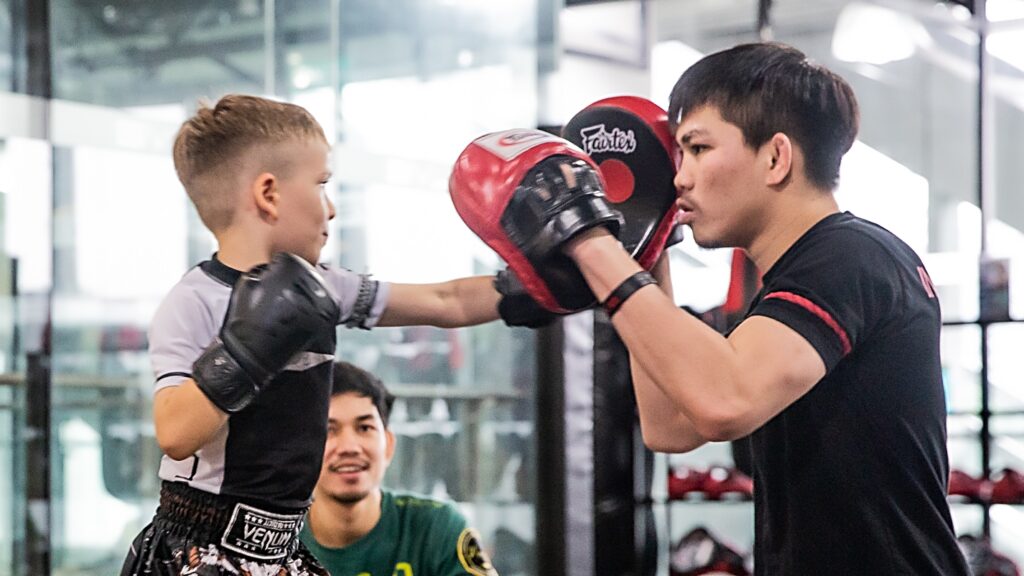
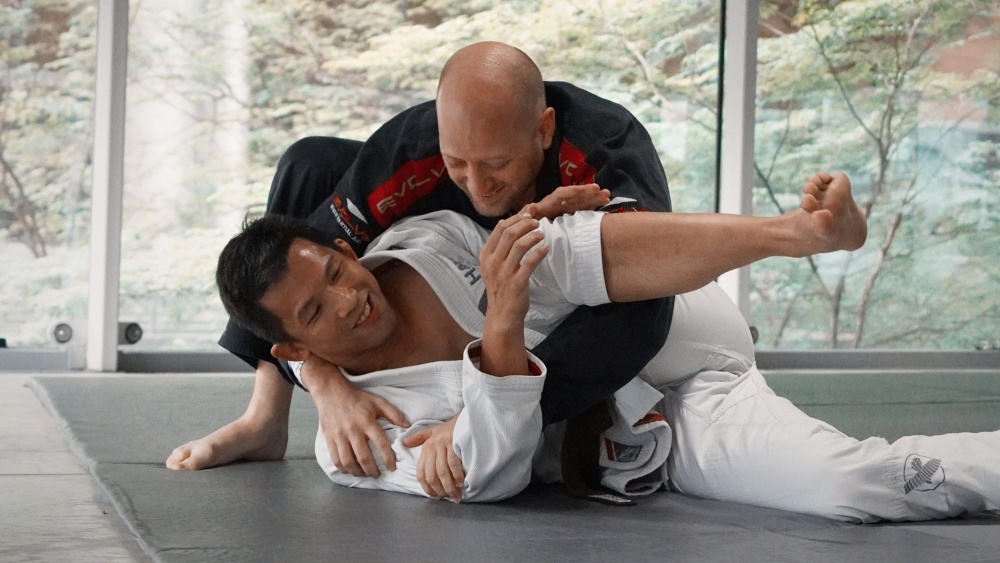
If you have ever walked past a martial arts gym anywhere, you may have noticed groups of people in uniforms grappling on padded mats. What you are seeing is likely Brazilian Jiu-Jitsu, also known as BJJ. This grappling-based martial art has gained massive popularity worldwide, and recently in Singapore, thanks to its emphasis on technique, discipline, and mental clarity. Whether you are training to compete or simply looking for a new way to stay active, understanding what a BJJ class typically involves can help you feel more confident stepping onto the mats for the first time.
Arriving And Settling In
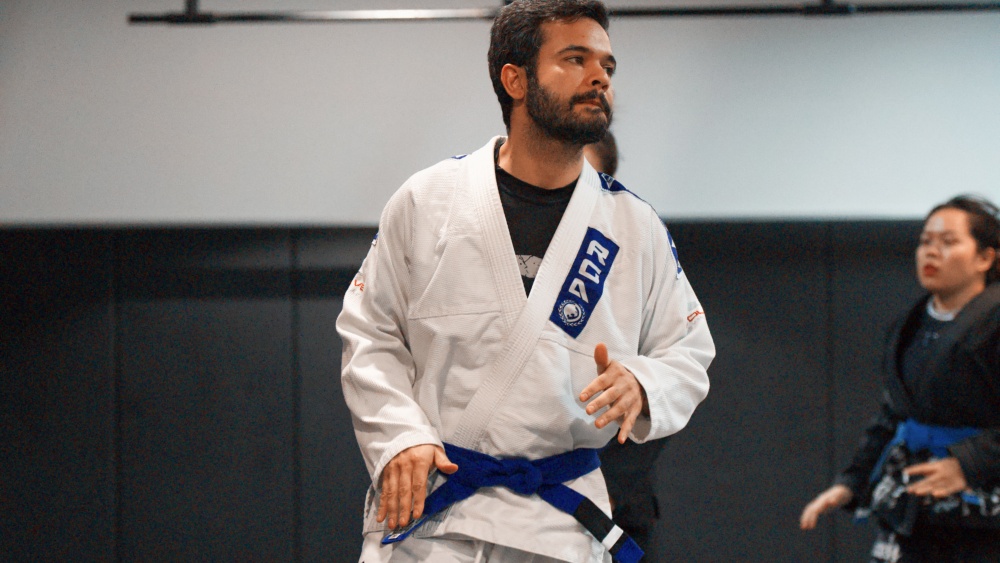
Most Brazilian Jiu-Jitsu gyms encourage students to arrive at least 10 to 15 minutes before class begins. This gives you time to change into your Gi or rash guard, tie your belt, and get settled. Some students use this time to stretch, warm up lightly, or catch up with teammates. In places like Singapore, where work and school schedules can be packed, this early arrival time also allows you to mentally shift gears and focus on training.
Classes often start right on time, and instructors will usually gather students into lines or a circle to formally start the session. A short bow or acknowledgment to the coach or gym is common. This helps set the tone for respect and focus during the class.
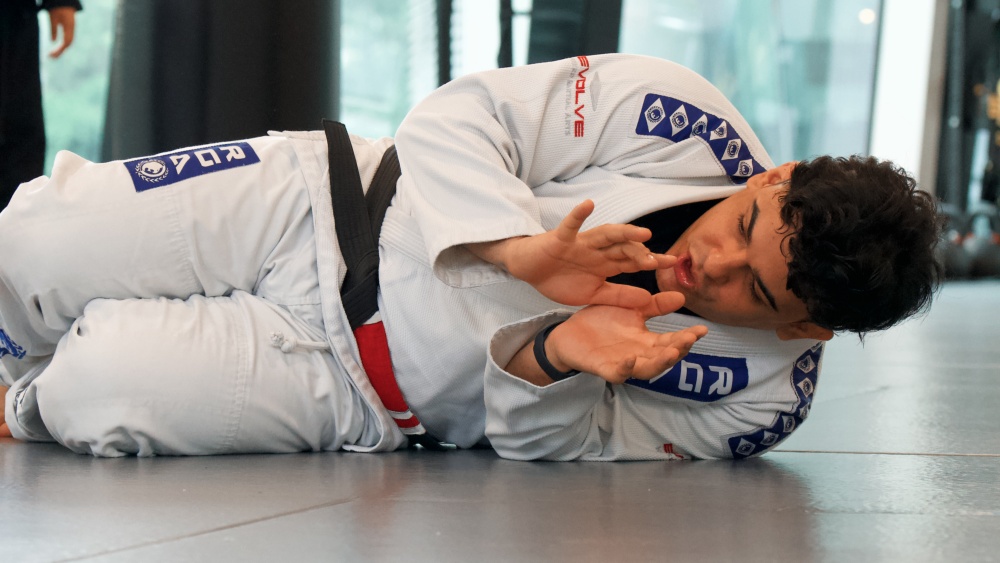
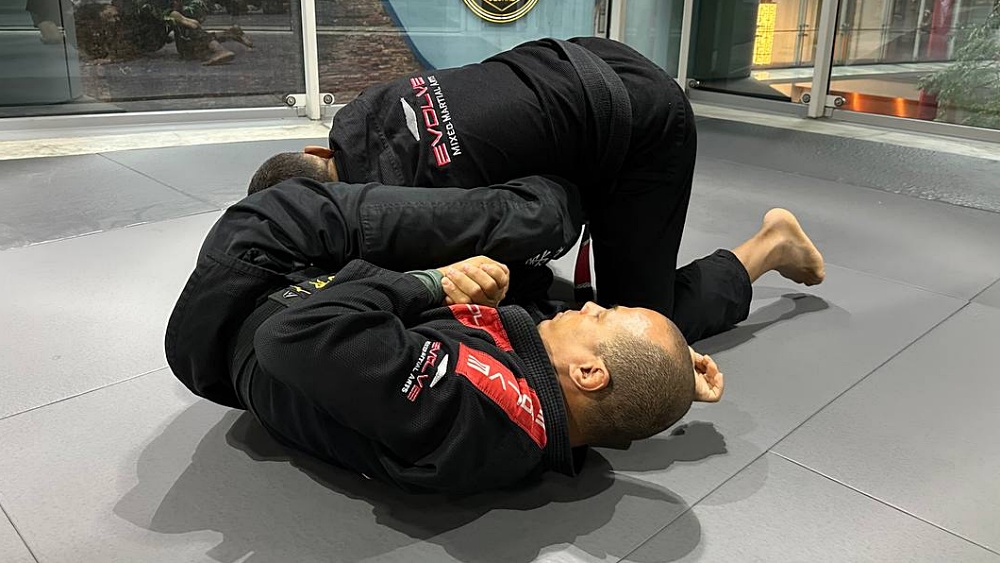
Before diving into techniques, BJJ classes begin with a warm-up. These routines are meant to get your heart rate up and prepare your body for movement. Common exercises include hip escapes, forward rolls, shoulder bridges, and shrimping drills, all of which are foundational motions used during sparring.
Some gyms may include light strength and conditioning movements, such as push-ups or planks, but the focus is on moving your body the way you will during live training. The warm-up is also a good time to loosen any tight muscles from your day, especially in a fast-paced city like Singapore, where most students spend their time sitting at their desks for long hours.
Technique Breakdown
After warming up, the instructor introduces the main technique or concept of the day. This is the heart of the class. Techniques may include guard passes, sweeps, submissions, or escapes. The instructor will demonstrate the movement step by step, often repeating it from different angles and explaining the small details that make it work.
Students are then paired up to practice the move with each other. This part of the class is often referred to as “drilling.” One person performs the move, and the other acts as a training partner, giving realistic resistance while still allowing their partner to learn. After a few rounds, partners usually switch roles.
The focus during this section is repetition and accuracy. You are not trying to move fast or apply strength. Instead, you are learning how to control your body and apply leverage. Over time, this builds muscle memory and a deeper understanding of each technique.
Positional Training And Situational Drills
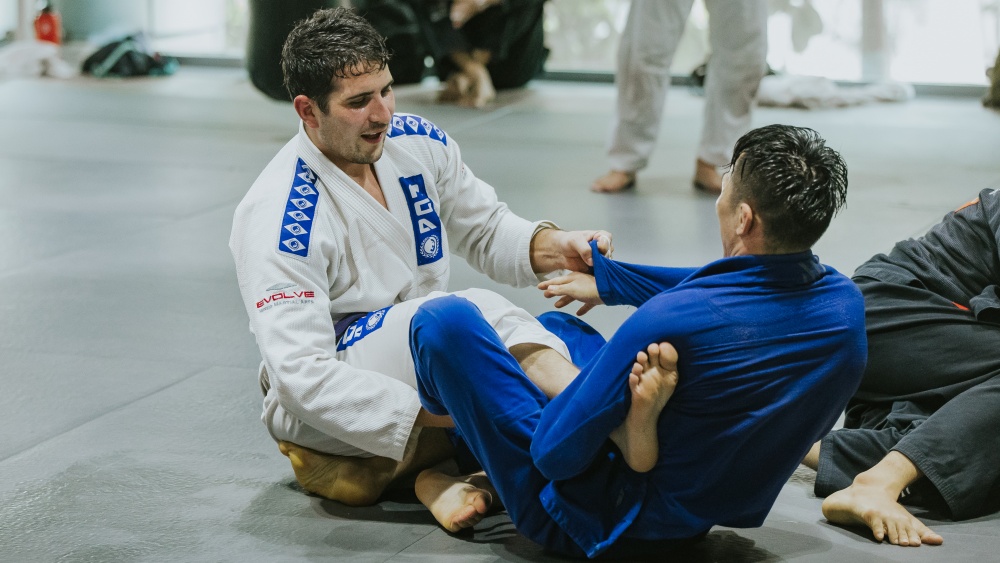
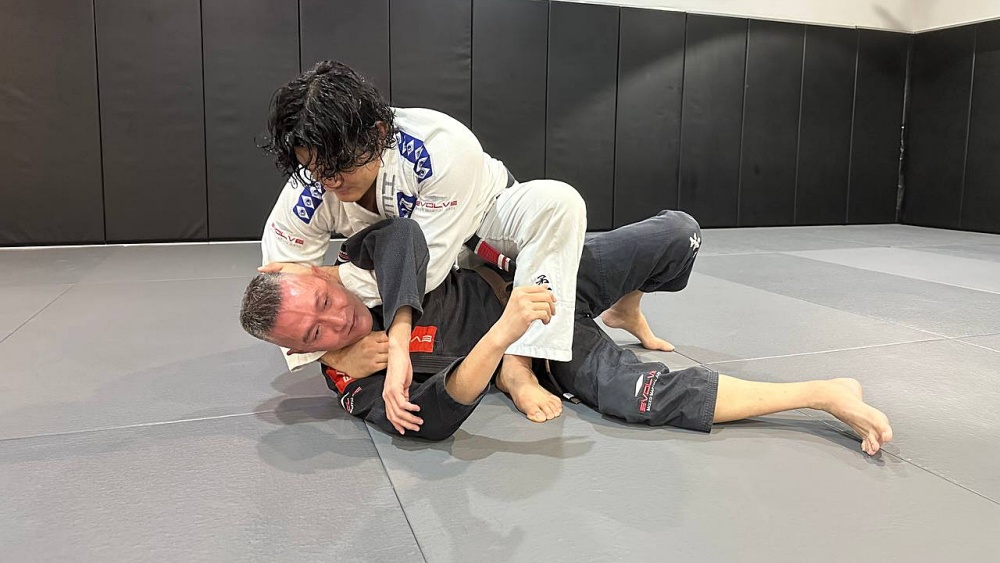
Some classes include a section between drilling and sparring called positional training. This involves starting from a specific position, such as mount, side control, or guard, and working through a scenario. One partner might try to escape while the other tries to maintain control or go for a submission.
Positional training is valuable because it lets students apply what they have just learned in a more dynamic but still controlled setting. It also teaches you to stay calm in both offensive and defensive positions, which is key in Brazilian Jiu-Jitsu.
In a martial arts gym setting, especially in cities like Singapore, you will often see students of all levels working together during this portion. Beginners get to learn from more experienced teammates, while advanced students refine their timing and control.
Sparring Or Rolling
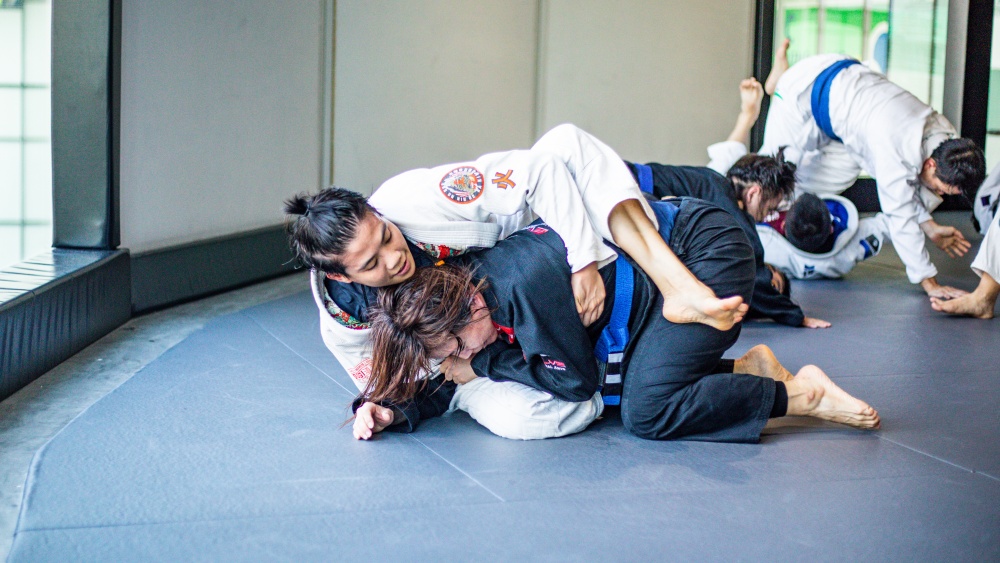
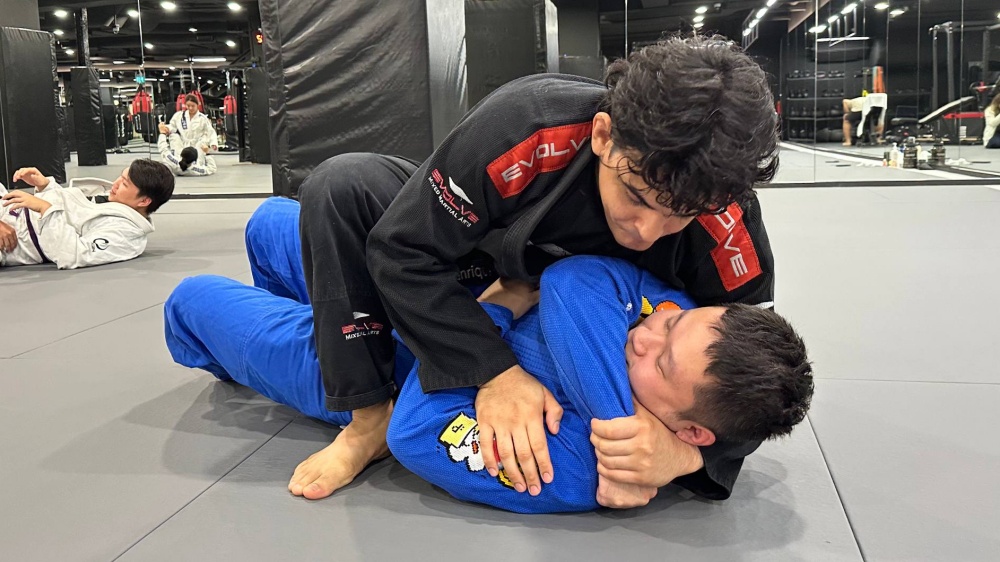
The final part of a typical BJJ class is sparring, often referred to as “rolling.” This is where students put their skills into action with a live partner. Rolling is not about winning or overpowering your opponent. It is a way to apply techniques, improve timing, and awareness on the mat.
Most gyms will pair you with different partners each round to give you varied experiences. Rounds can last anywhere between three to seven minutes, depending on the class structure. You will tap to signal when a submission is successful, and then reset and start again.
While sparring may sound intense, most schools focus on safety, control, and learning. Instructors often remind students that sparring is not a fight but a tool for development. You are encouraged to roll at a pace that suits your level, and more experienced partners are usually respectful and helpful toward newer students.
Cool Down And Class Wrap-Up
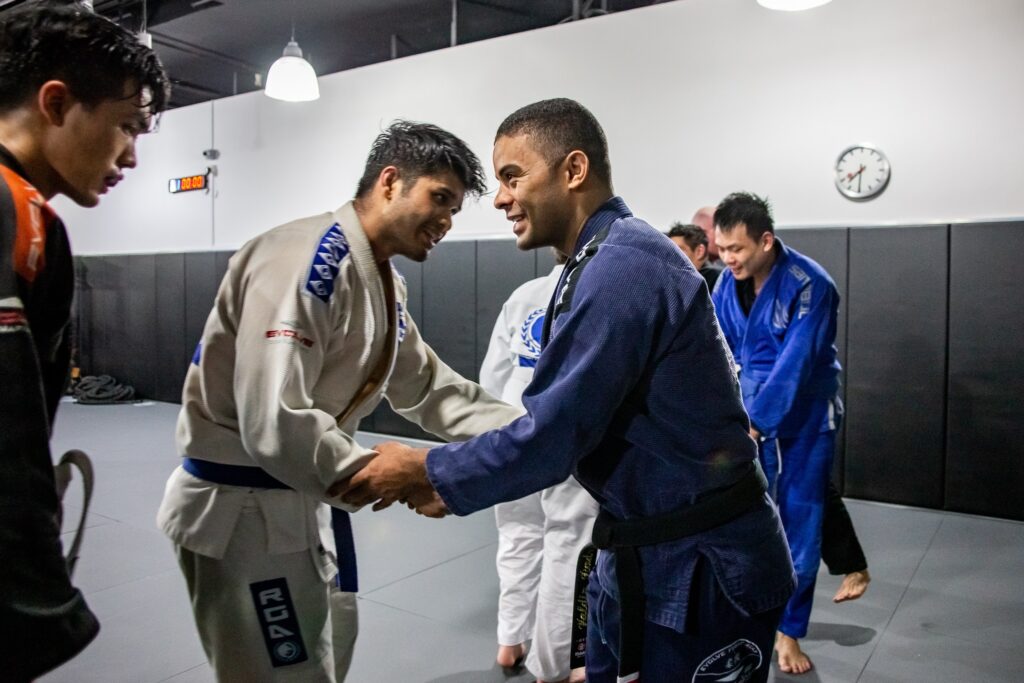
After sparring, classes typically end with a short cool-down. This may include light stretching or a few words from the instructor. Instructors often take a moment to review the day’s techniques or share tips on how to improve their training habits.
At the end of class, students bow or shake hands with each other as a sign of respect. This gesture reinforces the community and shared growth that is at the heart of Brazilian Jiu-Jitsu.
What You Learn Beyond The Techniques
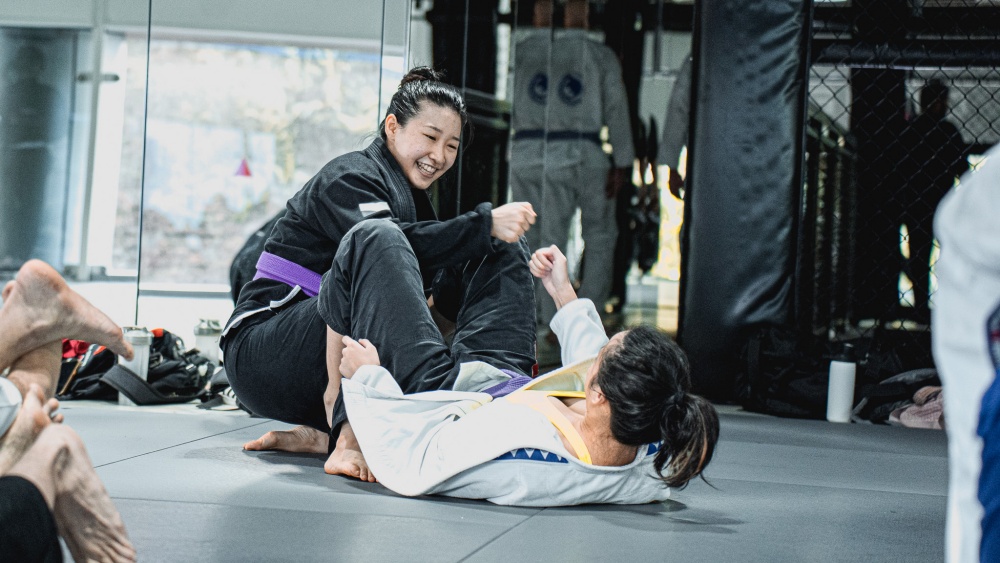
A BJJ class is not just about learning submissions and escapes. It is also about building confidence, improving focus, and staying physically active. Many students say that training helps them stay balanced and grounded outside the gym as well. The discipline and humility learned through regular practice can carry over into work, school, and everyday life.
In places like Singapore, where stress levels can run high and routines can get overwhelming, having a physical outlet like Brazilian Jiu-Jitsu can be a powerful way to reset. The environment in most martial arts gyms is welcoming and supportive, making it easier for beginners to start their journey without fear of judgment.
Frequently Asked Questions About BJJ Classes
Still unsure about trying BJJ? Here are 5 common questions that can help you feel more prepared before stepping onto the mats.
Q: Do I Need To Be Fit Before Starting Brazilian Jiu-Jitsu?
A: Not at all. BJJ is for everyone, regardless of fitness level. You will build strength, endurance, and flexibility over time as you train consistently.
Q: What Should I Wear To My First BJJ class?
A: Most gyms provide a uniform called a Gi for Gi classes. For No-Gi sessions, wear a rash guard and athletic shorts or leggings without zippers. If you are unsure, contact the gym ahead of time or wear comfortable sportswear.
Q: Is Sparring Mandatory For Beginners?
A: Most martial arts gyms allow you to ease into sparring. While sparring is an important part of learning, you will never be forced to roll before you feel ready.
Q: How Often Should I Train As A Beginner?
A: Two to three times per week is a great starting point. This gives your body time to adjust and helps you build a strong foundation without feeling overwhelmed.
Q: Will I Be Training With People Much More Experienced Than Me?
A: Yes, and that is a good thing. Experienced students are often eager to help beginners learn. You will be guided and supported, not left behind.
Final Thoughts
Whether you are a complete beginner or just curious about martial arts, attending a BJJ class for the first time can be a rewarding experience. From the warm-ups to the live sparring, every section of the class is designed to help you improve step by step. You will learn more than just how to defend yourself — you will discover how to move better, think sharper, and grow more resilient both on and off the mats.
If you are thinking about starting Brazilian Jiu-Jitsu in Singapore or anywhere else, the best way to understand it is to experience it for yourself. Once you step onto the mats, you may just find yourself hooked.
You may also like: