Summary
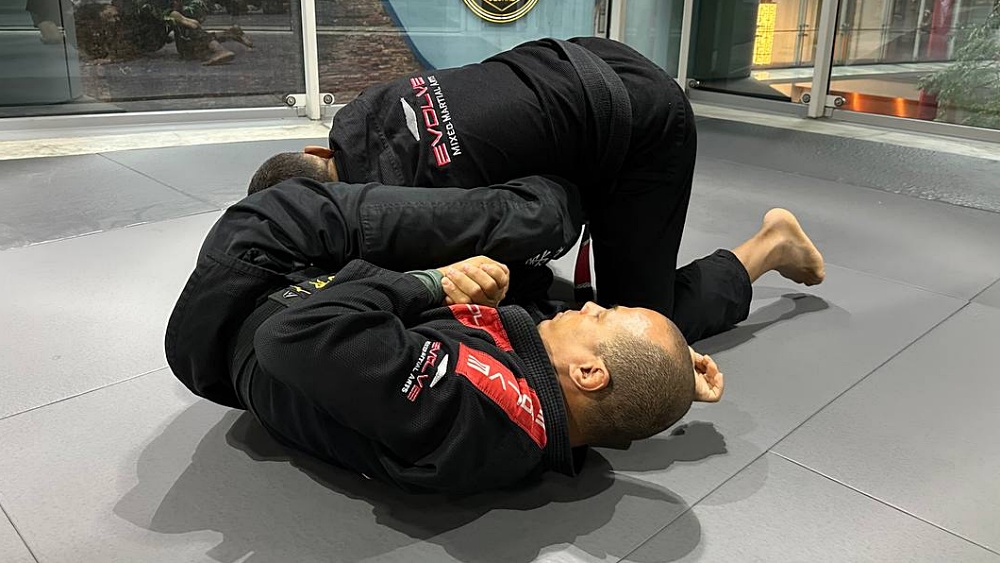
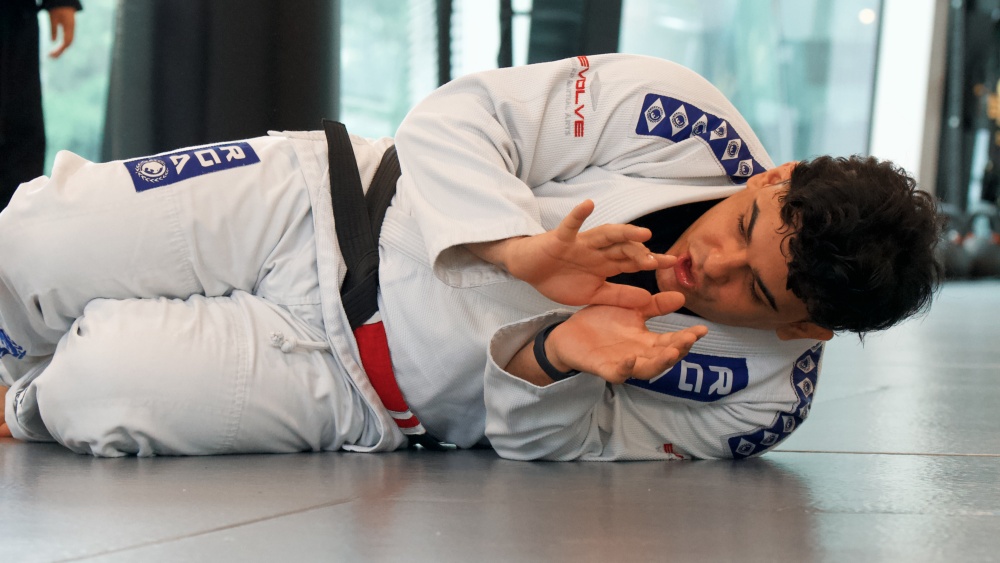
Shrimping refers to the action of moving your hips away from your opponent by pushing off the mat with your feet and shoulders. The movement resembles a shrimp curling its body, which is where the name comes from.
It’s one of the most fundamental movements in Brazilian Jiu-Jitsu and a core skill used to create space, recover guard, escape bad positions, and move efficiently on the ground. While it looks simple, effective shrimping relies on timing, hip movement, and proper body positioning rather than strength. This article explains what shrimping is in BJJ, why it matters, and how it is used throughout live training and competition.
Key Takeaways
- Shrimping is a hip movement used to create space and improve positioning on the ground.
- It plays a major role in escapes from side control, the mount, and against back pressure attacks.
- Good shrimping relies on timing and angle rather than speed or power.
Why Shrimping Is So Important
Most escapes in BJJ begin with space creation. Shrimping is one of the most reliable ways to make that space without relying on strength.
Without shrimping, you remain flat and pinned. With it, you gain angles that make frames effective and transitions possible. This is why shrimping shows up in nearly every guard recovery and positional escape.
Common Situations Where Shrimping Is Used
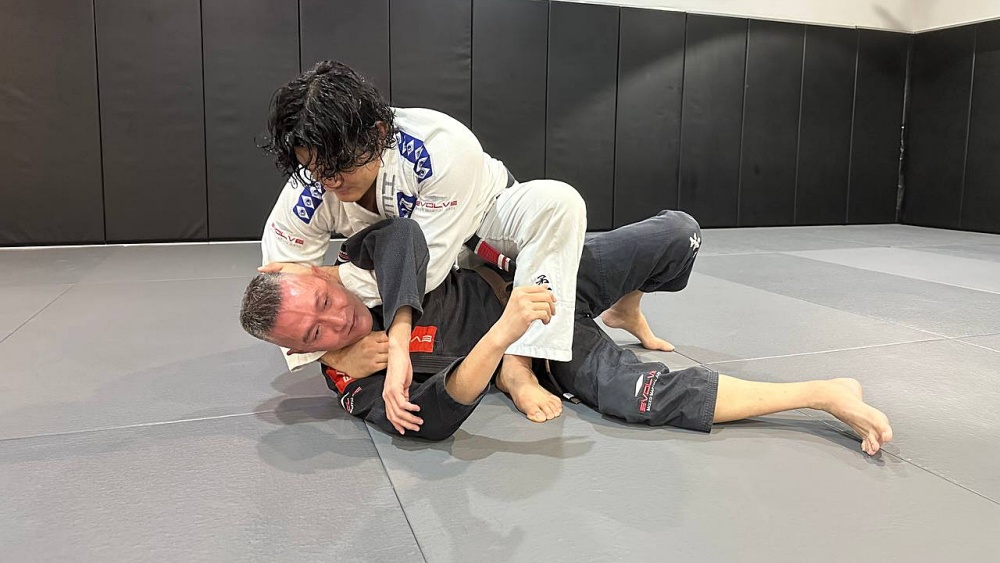
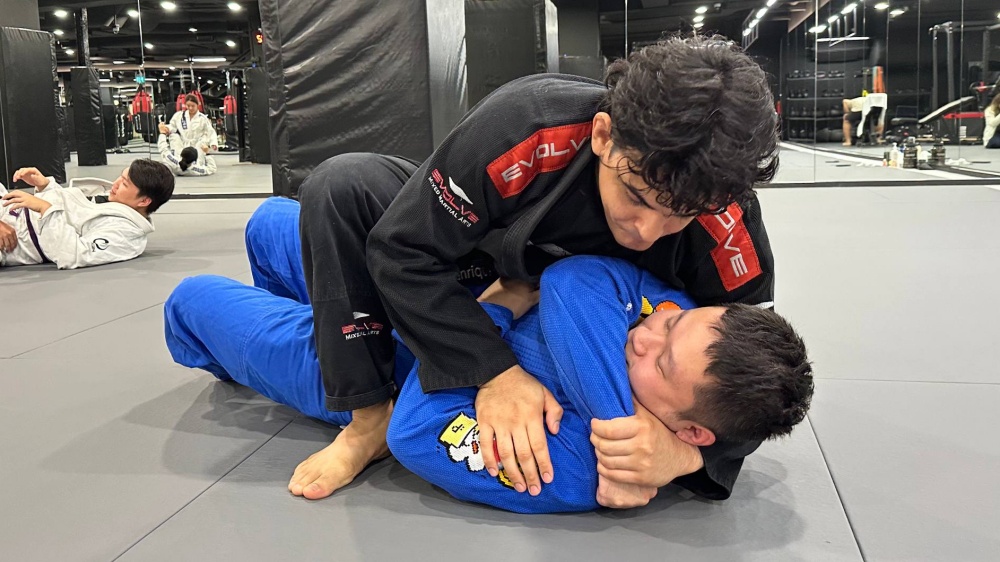
- Escaping The Side Control: Shrimping helps you move your hips away from pressure, allowing you to insert a knee or recover guard. It also makes it harder for the top player to settle their weight.
- Escaping The Mount: By shrimping after a bridge or during a moment of imbalance, you can slide your hips out and bring a knee inside to begin guard recovery.
- Defending The Back: Shrimping helps you create space to turn toward your opponent and prevent hooks from settling.
- Guard Retention: When an opponent passes, shrimping lets you follow their movement and reinsert frames or legs.
How Shrimping Actually Works
Effective shrimping starts with your shoulders and feet. Your feet push into the mat while your shoulders stay connected, allowing your hips to slide away at an angle.
The key is not moving straight backward. Shrimping works best when done diagonally, creating angles that break pressure rather than fighting it head-on.
Small, repeated hip movements are often more effective than one large explosive motion.
Common Mistakes When Shrimping
Many beginners struggle with shrimping due to a few common errors.
- Moving only your legs and not the hips.
- Staying flat on the back.
- Trying to push the opponent instead of moving away.
- Shrimping straight back instead of at an angle.
- Rushing the movement without frames.
Correcting these habits makes shrimping far more effective.
How Shrimping Connects To Framing
Shrimping and framing work together. Frames create space, and shrimping uses that space.
A frame without shrimping often collapses. The key thing here is to create space and escape. If you’re not framing to create space, you won’t be able to escape or get out of any position.
Combining both allows you to maintain structure while moving your hips to safety.
Drilling Shrimping In Training
Shrimping is commonly drilled both solo and with a training partner. One effective partner drill to try is having your partner stand shoulder-width apart over you, with their feet positioned near your waist. From there, practice shrimping your hips away to create space and recover guard or improve your position.
This drill teaches you how to generate movement from your hips rather than relying on your arms, while reinforcing the importance of angles and distance management. When drilling, focus on smooth, controlled movements and proper positioning rather than speed. Over time, this helps make your shrimping more efficient and effective during live rolls.
Shrimping And Bridging
Bridging and shrimping serve different purposes in escapes. Bridging is used to move your opponent by lifting or shifting their weight and forcing a reaction. Shrimping, on the other hand, is used to move yourself by sliding your hips away to create space.
Most effective escapes combine both movements. A bridge creates imbalance or forces your opponent to adjust, and shrimping uses that moment to recover guard or reset position. Understanding when to move your opponent and when to move yourself helps you escape with control rather than relying on strength.
FAQs On Shrimping
Q: Is Shrimping Only For Beginners?
A: No. Advanced practitioners rely on shrimping constantly to create space and escape bad positions.
Q: Should Shrimping Be Explosive?
A: It should be controlled and timed rather than explosive.
Q: Does Shrimping Require Flexibility?
A: Basic mobility helps, but technique matters more.
Q: Can Shrimping Be Used Offensively?
A: Yes. It’s often used to create angles for guard attacks.
Final Thoughts
Shrimping is one of the most important movements in Brazilian Jiu-Jitsu because it allows you to escape pressure and regain control without relying on strength. By learning to move your hips with intention and angle, shrimping turns defensive moments into opportunities. Mastering this simple movement lays the foundation for stronger escapes, better guard retention, and overall confidence on the mats.
You may also like:
What Basing In BJJ And How It Helps To Maintain Balance Under Pressure