Summary
In Muay Thai, the teep is often referred to as one of the most important weapons in the arsenal. It controls distance, disrupts rhythm, and keeps aggressive opponents at bay. But beyond the push kick itself lies a more advanced layer that separates experienced fighters from beginners. The art of the teep feint.
Teep feints are not about kicking harder. They are about forcing reactions. When used correctly, they create openings for strikes, break defensive patterns, and give you control over the pace of a fight. Here is how elite fighters use teep deception to outsmart their opponents.
Key Takeaways
- A teep feint in Muay Thai is a deceptive knee lift motion that forces defensive reactions without committing to the full kick, creating openings for follow-up strikes.
- Teep feints are most effective when used to manipulate balance, disrupt rhythm, and draw predictable counters from opponents who rely heavily on catching or blocking teeps.
- Advanced fighters use teep feints to set up roundhouse kicks, step-in elbows, punches, and low kicks by exploiting how opponents shift weight or lower their guard.
- Proper drilling of teep feints improves timing, ring control, and tactical awareness, making them a high-value tool for both competitive fighters and hobbyists.
Why The Teep Is Perfect For Feinting
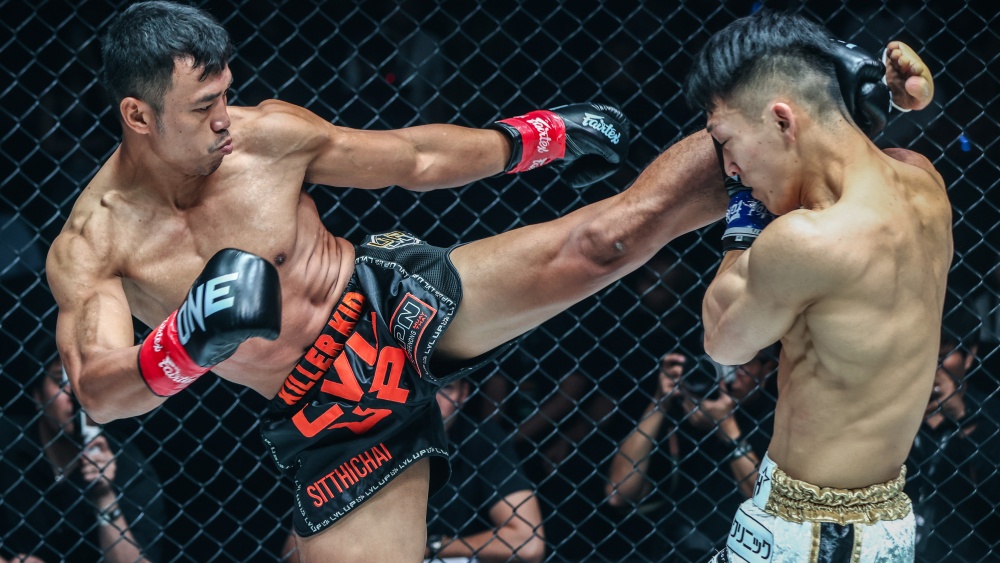
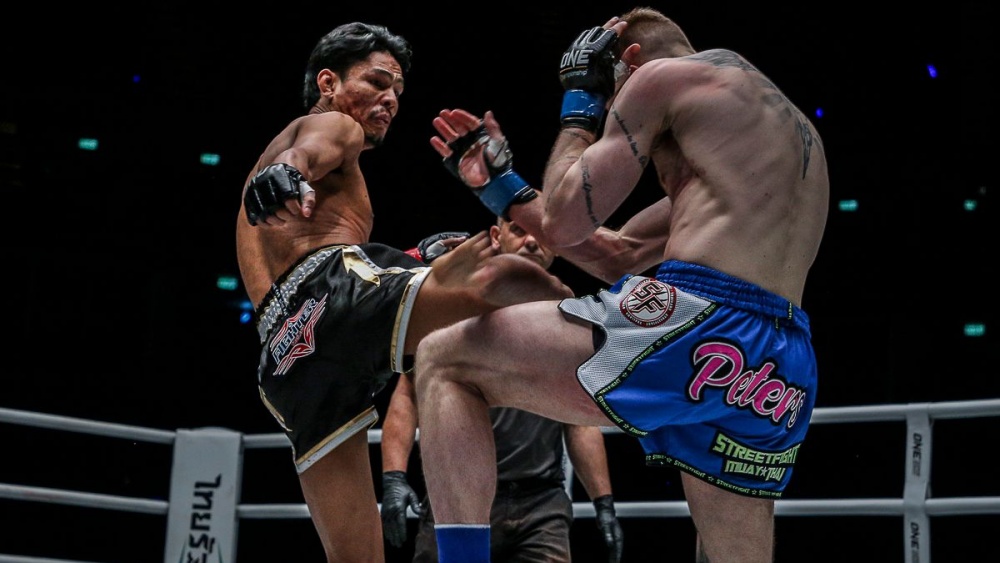
The teep naturally draws strong reactions. Because it threatens balance and scoring, opponents often overreact to it. They may lean back, drop their hands, step offline, or attempt to catch the kick.
This is why it becomes such an effective feint. When you lift your knee in a convincing teep motion, your opponent must respect the possibility of impact. That brief defensive reaction creates vulnerability elsewhere.
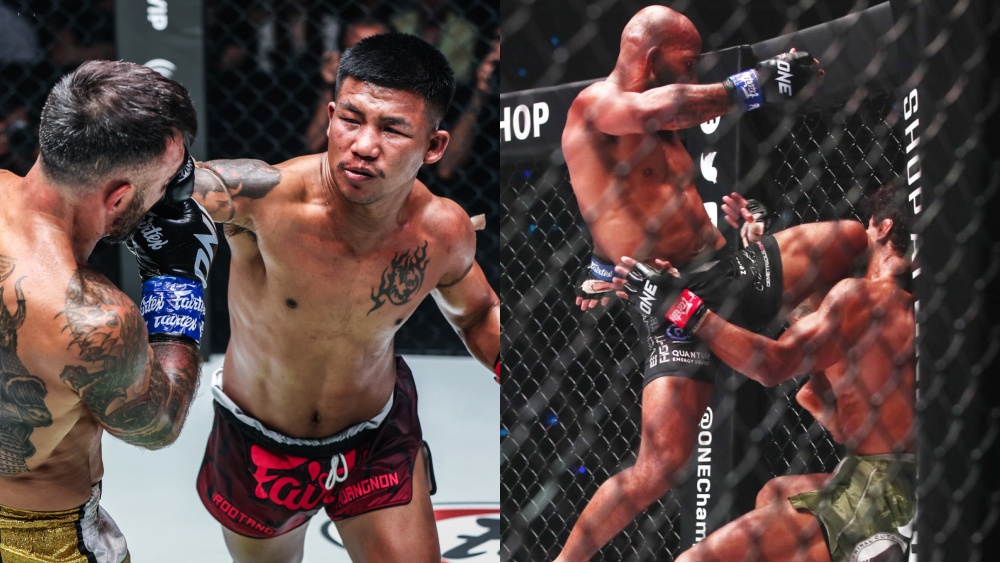
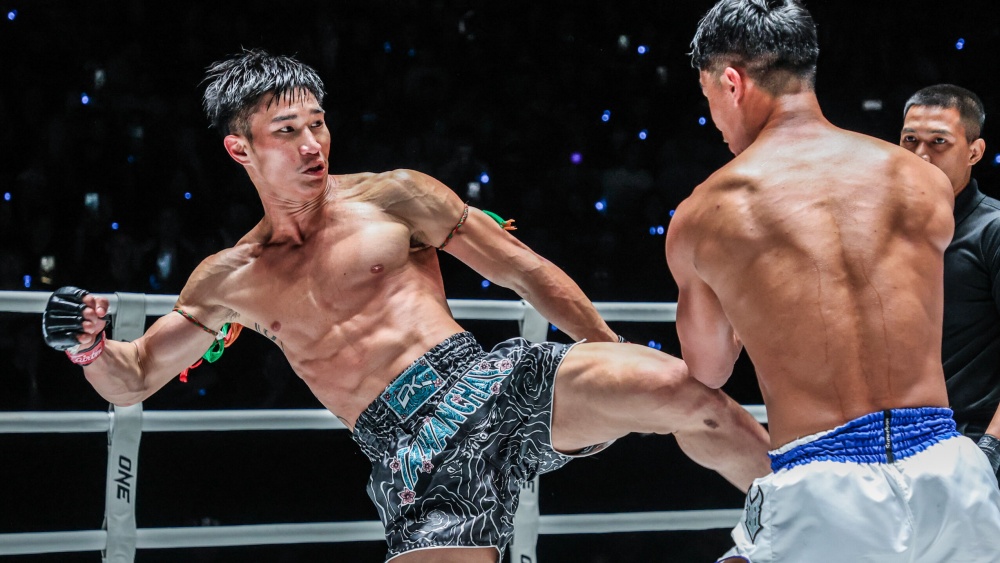
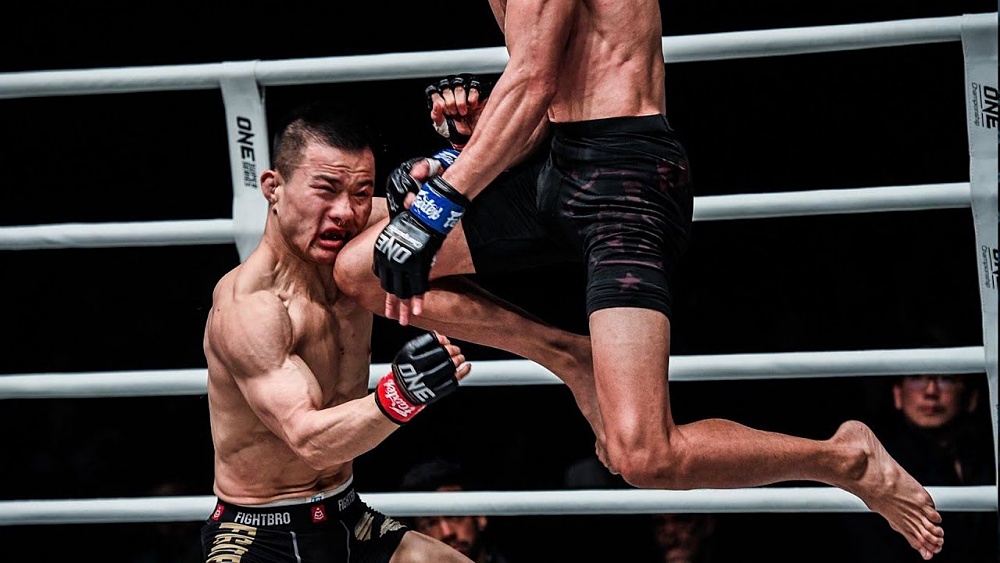
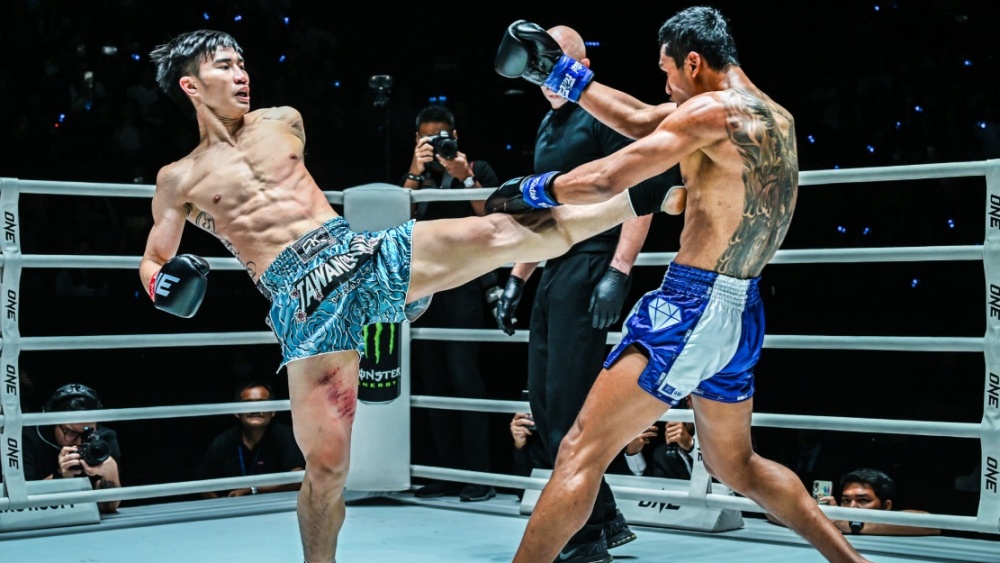
Elite Muay Thai fighters use this principle constantly. In ONE Championship bouts, fighters like Tawanchai PK Saenchai, Superlek, and others frequently lift the lead leg not only to strike, but to force hesitation before attacking with something else.
Teep Feint To Step-In Elbow Or Punch
An advanced variation is the teep feint into a forward step.
When opponents expect a teep, they often brace or lower their hands slightly to parry. Instead of kicking, plant your foot forward and step into punching range. This sudden change of distance surprises them.
A quick elbow, cross, or hook becomes much harder to defend because their defensive rhythm was built around blocking a kick, not defending punches. This works especially well in fighters who are reactive rather than proactive.
The key detail is commitment. Your teep motion must look real. Half-hearted feints rarely draw meaningful reactions.
Teep Feint To Draw The Catch
Some opponents love catching teeps. Instead of avoiding it, you can exploit it.
Lift the knee as if preparing to teep and observe their hands. If they reach forward expecting to catch the kick, you immediately retract and attack the open space. A straight punch down the middle or a quick low kick can punish their anticipation.
In high-level Muay Thai, forcing predictable reactions is often more valuable than landing every strike. Teep feints turn defensive habits into liabilities.
How To Drill Teep Feints Effectively
To build this skill, it’s essential to incorporate structured drilling. Some of which you could try include:
- Shadowboxing rounds focused only on knee lift deception. Do not throw the kick. Focus on balance and realism.
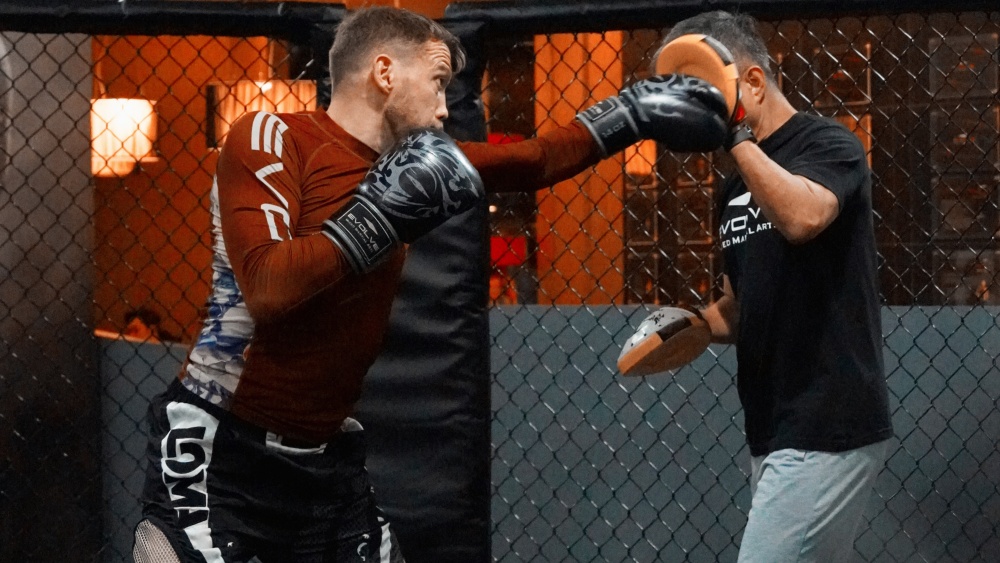
- Pad work where the coach reacts each time differently. Sometimes they defend the teep, sometimes they do not. Your job is to read and adjust.
- Controlled sparring rounds where you attempt at least five feints per round before throwing full-power strikes.
The goal is awareness. Feints are about observation as much as execution.
FAQs On Throwing Teep Feints
Q: Why Do Feints Work So Well In Muay Thai?
A: Feints exploit defensive habits. When opponents expect impact, their reaction often creates openings elsewhere.
Q: Should I Feint Every Time I Lift My Leg?
A: No. Overusing feints makes them predictable. Mix real teeps with deceptive ones to maintain credibility.
Q: Can Teep Feints Work Against Aggressive Pressure Fighters?
A: Yes. Pressure fighters often react strongly to teeps because they disrupt forward momentum. Feinting the teep can freeze them momentarily.
Q: Is Timing More Important Than Speed?
A: Timing is more important. A well-timed feint that draws a reaction is more effective than a fast but unconvincing motion.
Final Thoughts
The teep is already one of the most important tools in Muay Thai. Adding deception to it transforms it from a distance-controlling weapon into a strategic trap.
When you master teep feints, you stop reacting and start manipulating. You dictate rhythm. You create openings instead of waiting for them. In Muay Thai, that shift from predictable to deceptive is what elevates a good fighter into a dangerous one.
You may also like:
The Rise Of Stella Hemetsberger And The Journey That Shaped Her