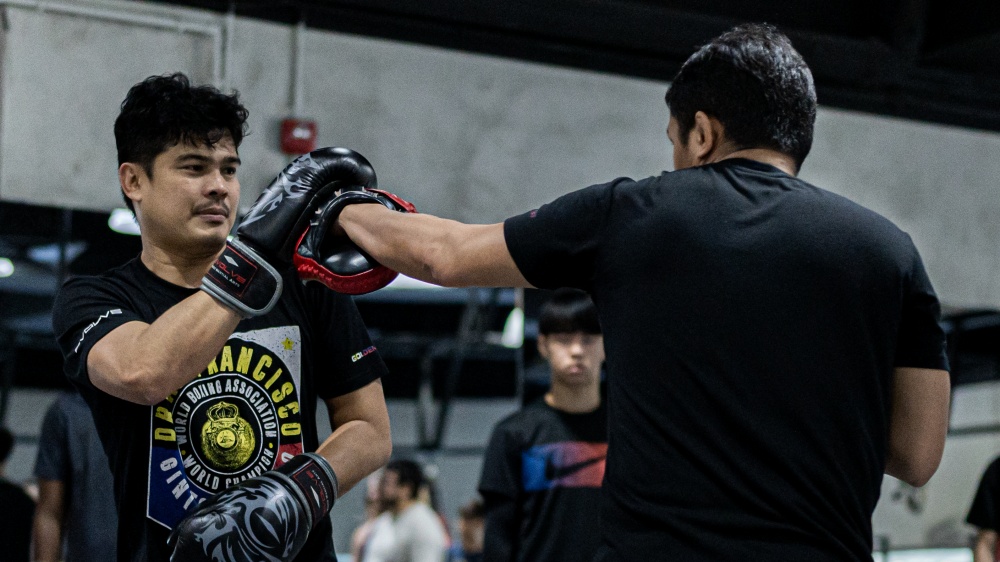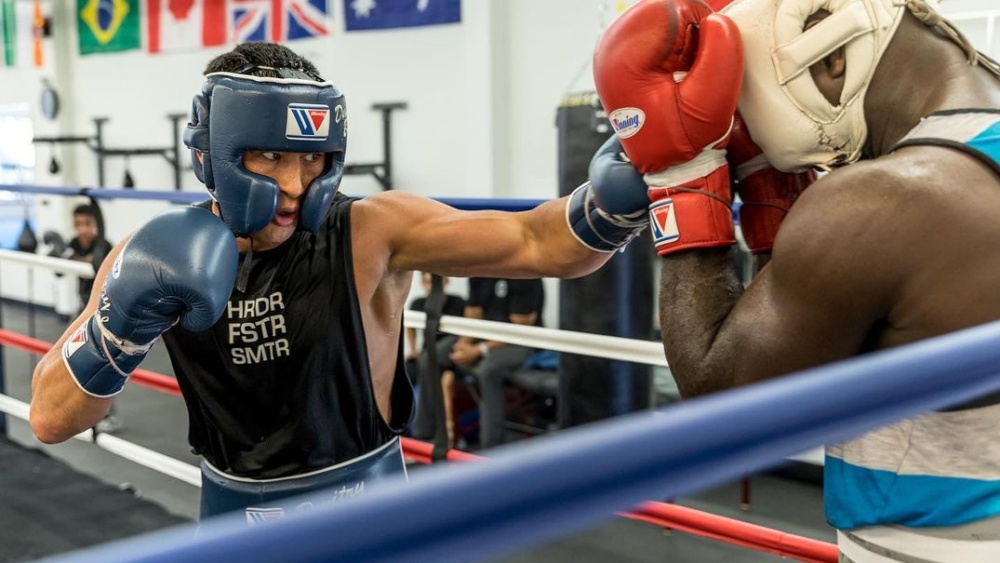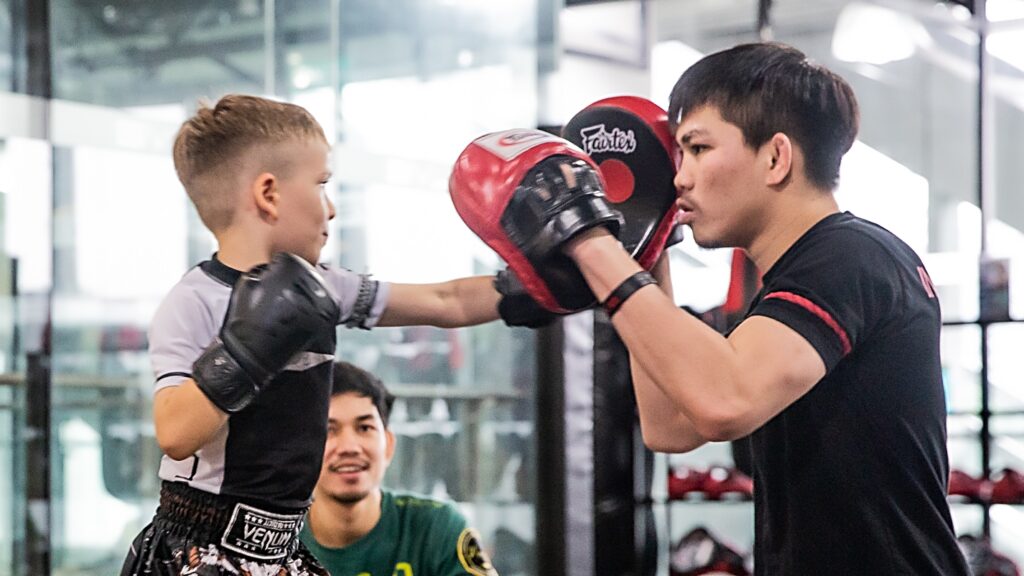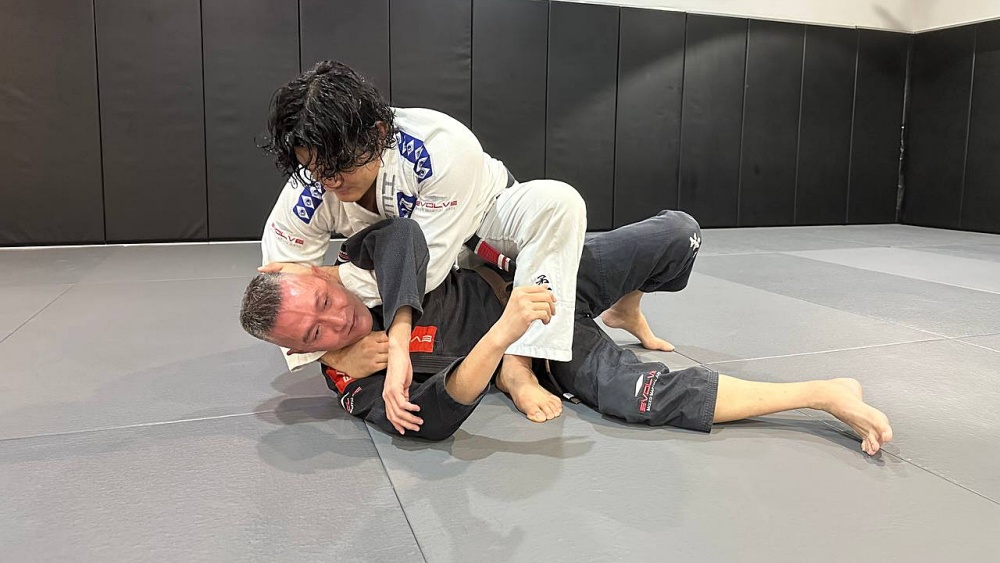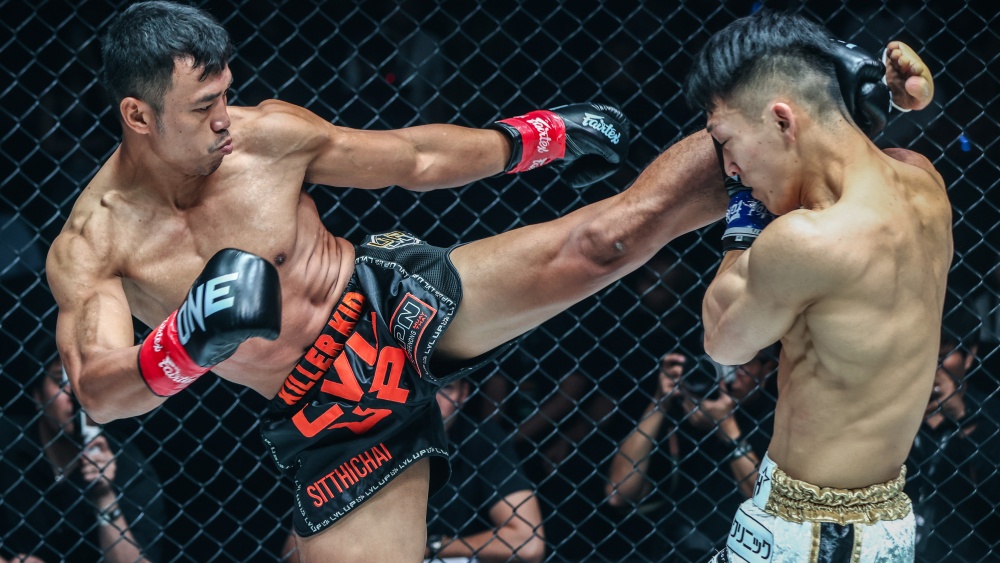

Sparring is the laboratory of boxing. It’s where fighters test timing, distance, composure, and execution under pressure. For mid- to high-level amateurs, the quality of sparring partners can make or break development. While working with peers or advanced fighters sharpens steel against steel, there are also moments when sparring with less experienced partners has its place. The key is knowing when it helps and when it can hold a fighter back.
Benefits Of Sparring With Less Experienced Fighters
1) Opportunity To Focus On Specific Skills
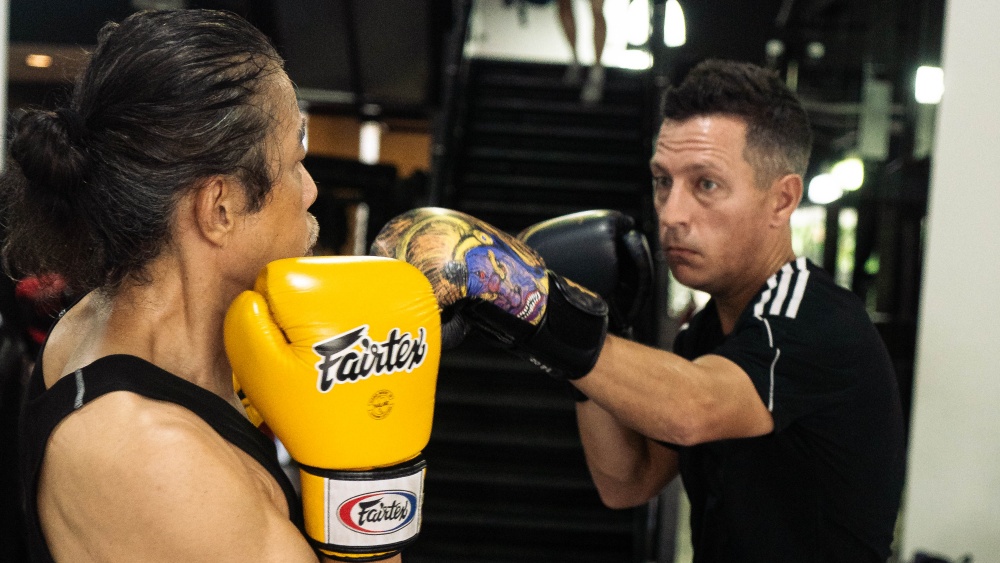
Against less experienced opponents, advanced fighters can work on drills, refine fundamentals, or test new techniques without the pressure of being outgunned. Want to sharpen the jab, practice head movement, or perfect angles? Sparring down provides a controlled environment to repeat and refine without worrying about getting punished for every mistake.
2) Building Confidence And Leadership
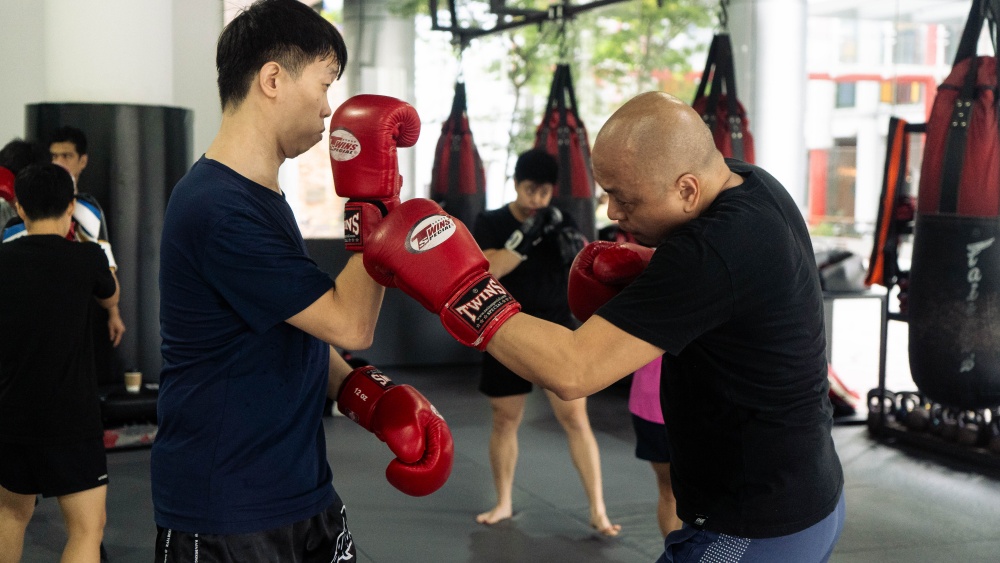
Confidence is vital in boxing. When a mid-level fighter spars with someone greener, they often get to dominate exchanges and control the pace. This builds composure and reinforces their ability to dictate a fight. Just as important, it allows them to take on a leadership role, mentoring younger fighters while sharpening their own understanding of the sport. Teaching moments force them to articulate what they know, which deepens mastery.
3) Practicing Patience And Control

Boxing is not just about landing shots; it’s about restraint. Sparring with less skilled fighters teaches advanced boxers how to dial back power, maintain control, and work at different gears. This develops a crucial attribute for competition: the ability to fight intelligently without always operating at full throttle.
Disadvantages Of Sparring With Less Experienced Fighters
1) Risk Of Bad Habits

When you consistently face slower, less technical opposition, you can get lazy. Dropping your hands, overcommitting on shots, or relying on speed and size advantages might work in those rounds, but against equal or better competition, those habits get punished quickly.
2) Limited Realistic Pressure

Sparring is meant to mimic the intensity of competition. Less experienced partners often lack the composure, stamina, or ring IQ to apply sustained pressure. For advanced fighters, this means fewer chances to practice defensive responses under fire or to adjust against someone who can truly test them.
3) Potential For Injury (Surprisingly)
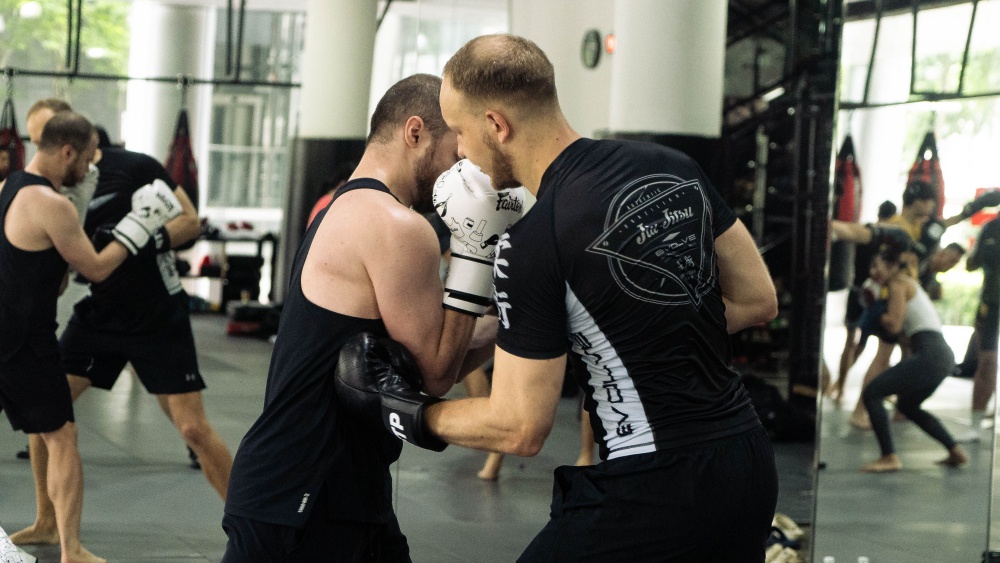
Beginners sometimes move unpredictably, with awkward angles, wild swings, or clumsy footwork. For advanced boxers, this can actually increase the chance of accidental headbutts, twisted ankles, or random shots landing where they shouldn’t.
Who And When Should Use It?
- Mid-level Amateurs: Useful for skill drilling, gaining confidence, and learning control. Should balance this with plenty of sparring against peers to avoid stagnation.
- High-level Amateurs: More limited benefit. Sparring down should be occasional, focused on mentoring or low-intensity technical work, not core preparation for competition.
- Age Factor: Younger fighters benefit from the confidence and freedom to experiment. Older, more experienced boxers should treat it as a teaching opportunity rather than a serious training challenge.
Final Thoughts
Sparring with less experienced fighters is not useless; it just has to be intentional. If you use it to refine technique, practice patience, and mentor others, it strengthens your development. But if it becomes your main diet, it can soften edges, create bad habits, and leave you unprepared for the intensity of real competition.
For mid- and high-level boxers, the priority should always be sparring up, facing partners who push pace, test limits, and expose weaknesses. Sparring down can complement that, but never replace it.
You may also like:
Everything You Need To Know About The Terence Crawford Vs Canelo Álvarez Mega Showdown