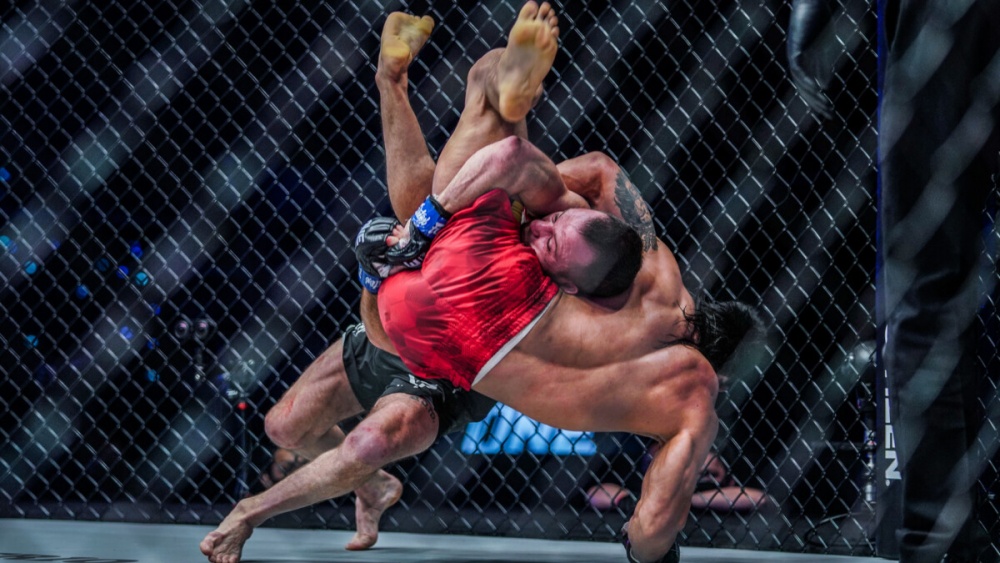
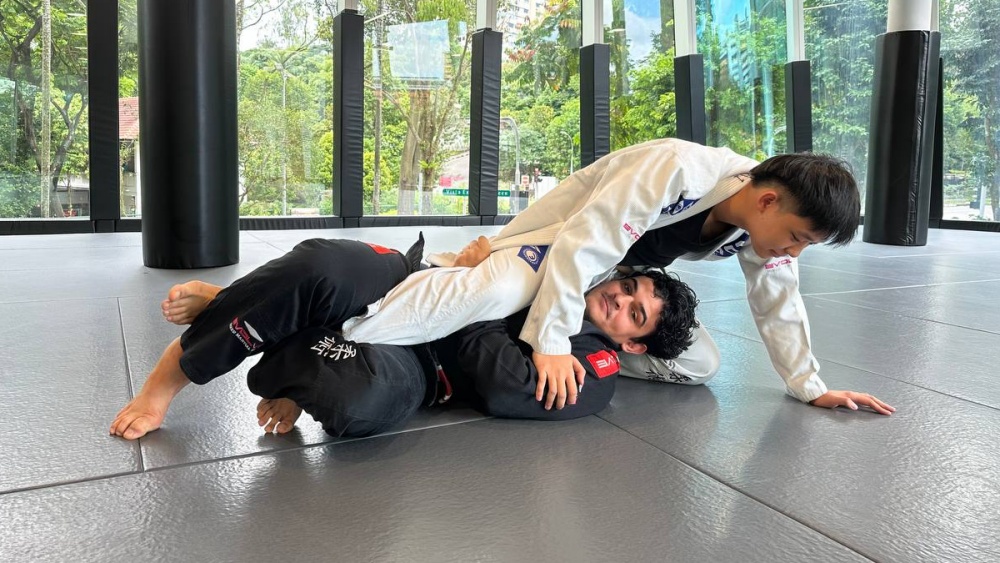
For a long time, half guard was seen as a “last resort” position, a place you ended up when your guard was getting passed. But modern BJJ flipped the script. Today, the half guard is one of the most versatile positions, giving practitioners a strong platform for sweeps, submissions, and transitions.
Sweeping from half guard allows you to reverse even stronger opponents, especially when they’re driving pressure from the top. And with the right grips, timing, and mechanics, the half guard can be a dangerous offensive weapon.
Today, let’s explore five of the most reliable sweeps from the half guard.
1) The Old School Sweep
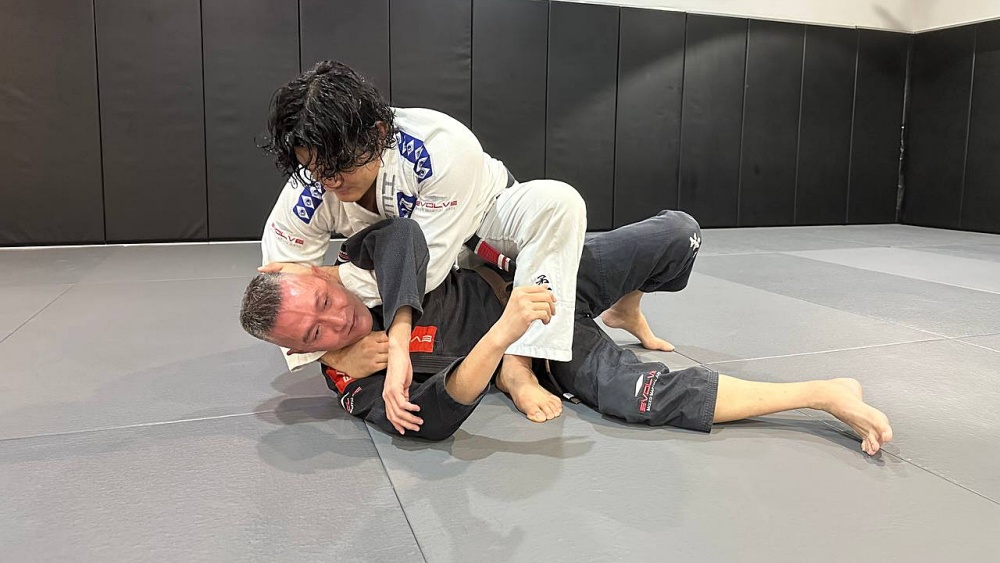
One of the classics. The old school sweep uses an underhook on your opponent’s far leg and a grip on their ankle. From there, you drive into them, lift with your underhook, and tilt them over while collecting their trapped leg.
- Why It Works: It capitalizes on your opponent’s weight distribution. When they commit pressure forward, their base becomes vulnerable.
- Best For: Beginners and up — it’s a fundamental sweep that builds your half guard foundation.
2) The Deep Half Guard Sweep
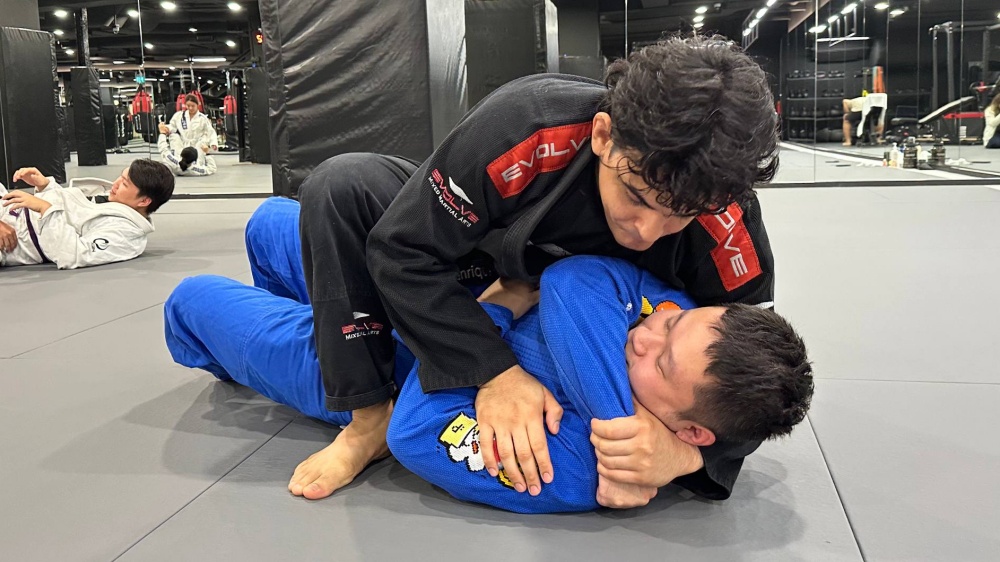
Deep half is almost a position of its own. By sliding under your opponent and controlling one of their legs with your entire body, you essentially “carry” them. From here, you can tilt, roll, or spin to take the top.
- Why It Works: It neutralizes pressure and gives you leverage against bigger opponents.
- Best For: Smaller grapplers who want to use angles and leverage rather than brute strength.
3) The Knee Lever (Lockdown Sweep)
Using the lockdown variation of half guard, you can stretch your opponent’s leg, break their base, and lever their hips sideways. With proper grips, this leads to an easy roll-over sweep.
- Why It Works: It traps their leg while creating space to off-balance them.
- Best For: Mid-level practitioners comfortable with the lockdown, also effective for those who prefer slower, pressure-oriented half guard.
4) The Back Take Sweep
Sometimes the best sweep doesn’t end on top; it ends on the back. From the half guard, using an underhook and hip escape, you can spin around and secure the back control while your opponent defends the sweep.
- Why It Works: Opponents often overcommit to stopping your sweep, which opens the door to taking the back.
- Best For: Grapplers who like hunting for submissions and positional dominance.
5) The John Wayne Sweep
A creative sweep where you use your knee shield half guard to trap their posting arm, roll underneath, and finish by kicking through their base. It’s dynamic and catches opponents off guard.
- Why It Works: Exploits opponents who post their hands to base or pressure.
- Best For: Intermediate and advanced grapplers who enjoy chaining unexpected attacks together.
Final Thoughts
Half guard isn’t just survival; it’s a weapon. Whether you’re a beginner learning the old school sweep or an advanced player experimenting with John Wayne sweeps, the half guard equips you with tools to turn defense into offense.
By drilling these five sweeps and understanding the principles of underhooks, leverage, and timing, you can make your half guard a nightmare for anyone on top.
FAQ: Half Guard Sweeps
Q: Are Half Guard Sweeps Beginner-Friendly?
A: Yes. Sweeps like the old school and deep half guard are excellent entry points for beginners.
Q: Can Smaller Grapplers Use Half Guard Effectively?
A: Absolutely. Half guard relies more on leverage, angles, and timing than on strength.
Q: Is Half Guard Risky In Competition?
A: Not if used actively. A passive half guard can get you flattened and stuck, but an offensive half guard is one of the most effective competition tools today.
You may also like:
Movement-Based Vs Control-Based Games In Brazilian Jiu-Jitsu: Which Path Should You Take?