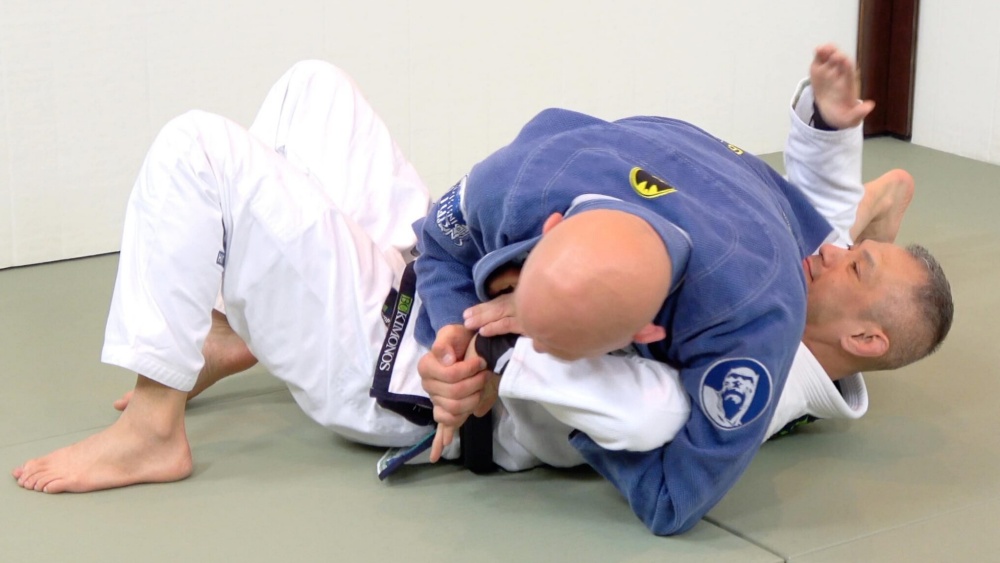
Wristlocks are among the oldest joint-manipulation techniques in grappling-based martial arts such as BJJ and many more. Their roots can be traced to classical Japanese jujutsu systems, where they were often taught to samurai as a way to control or disarm opponents without killing them. Over time, these techniques were codified into Aikido, a martial art built around the philosophy of redirecting force and using an attacker’s aggression against them.
In Aikido, wristlocks are not just submissions. They’re entry points into throws, ways to pin an opponent, and tools to maintain control without causing permanent damage. Techniques like nikyo, sankyo, and kotegaeshi showcase the versatility of wrist manipulation, ranging from pain compliance to dynamic takedowns.
The Wristlock’s Journey Into BJJ
While Brazilian Jiu-Jitsu is most famous for armlocks, chokes, and positional dominance, wristlocks eventually found their way onto the mats. Early BJJ pioneers who cross-trained in judo and Japanese jujutsu brought variations of wrist manipulations with them, but the technique remained in the background for decades.
As the sport evolved, particularly in Gi competitions where grips play such a crucial role, wristlocks started resurfacing. They became a quick, sneaky submission option against opponents who overcommitted to grips or stiff arms. Today, you’ll see wristlocks in IBJJF competition, catch wrestling crossovers, and even No-Gi settings when applied with precision.
Why Wristlocks Get A Bad Rap
Despite their long history, wristlocks are sometimes frowned upon in BJJ circles. Here’s why:
- “Cheap Submission” Stigma: Some practitioners view wristlocks as shortcuts, techniques that don’t require the same setup or positional control as an armbar or choke.
- Surprise Factor: Because wristlocks can be applied quickly, they sometimes feel like “gotcha” moves, especially in training.
- Injury Risk: The wrist is a small joint with limited mobility. If applied carelessly or if a training partner doesn’t tap quickly, wristlocks can cause nagging injuries that take a long time to heal.
But this stigma doesn’t hold up under scrutiny. A submission is a submission; if it forces your opponent to tap, it works. And wristlocks, when trained responsibly, can be an elegant and highly effective addition to a grappler’s arsenal.
Why Wristlocks Deserve Respect In BJJ
Wristlocks are not “dirty tricks.” They are legitimate techniques that demand precision and timing. Here’s why they’re worth adding to your game:
- Efficiency: Wristlocks can end matches quickly with minimal energy expenditure.
- Versatility: They can be applied from guard, mount, side control, and even standing grips.
- Grip Punishers: In Gi BJJ, especially, wristlocks punish stubborn grip-fighting and open doors to sweeps and passes.
- Surprise Factor (When Used Wisely): The very stigma against wristlocks often works in your favor; opponents don’t see them coming.
Styles Of Wristlocks In BJJ
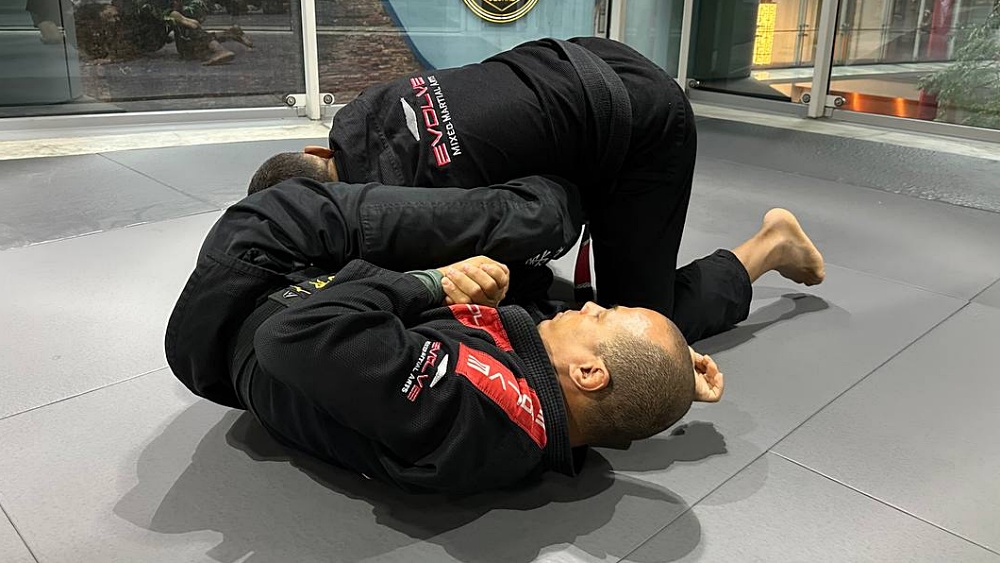
- From Closed Guard: When an opponent posts a hand on your chest or collar, collapsing their wrist into a lock is both simple and effective.
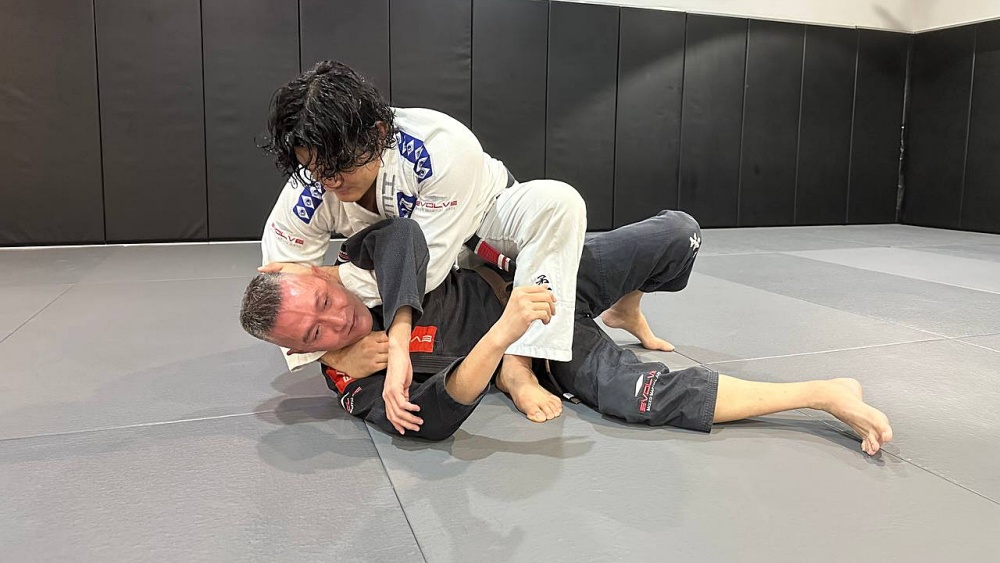
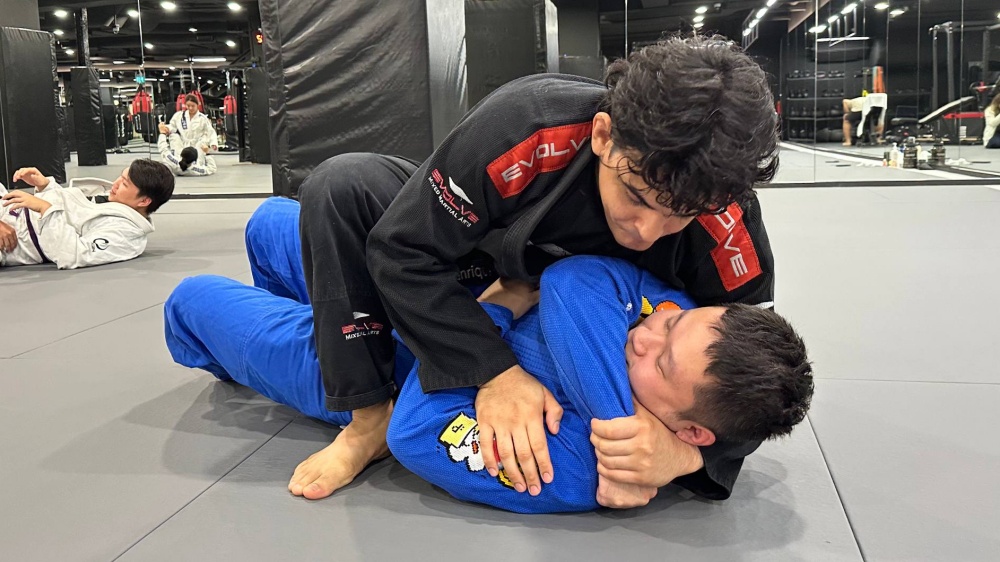
- From Mount Or Side Control: Pinning the arm and isolating the wrist creates opportunities when traditional armbars aren’t available.
- From Grip Fighting: If your opponent insists on controlling your sleeves or lapel, you can trap their hand and roll the wrist into submission.
- Standing Entries: Borrowed from Aikido and judo, standing wristlocks are rare in BJJ competition but useful in self-defense contexts.
Training Wristlocks Safely
The key to making wristlocks work and to keeping them respected in the gym is safety:
- Apply pressure slowly and with control.
- Communicate with your training partner.
- As a partner, tap early. The wrist doesn’t give much warning before damage occurs.
- Treat wristlocks as legitimate techniques, not “surprise” pranks.
Final Word
Wristlocks are among the most misunderstood submissions in Brazilian Jiu-Jitsu. While they might not have the same glamour as a flying armbar or a rear-naked choke, they carry centuries of martial tradition and remain highly practical when used with precision.
They remind us that martial arts are about more than brute strength. They’re about leverage, timing, and creativity. Whether you come from Aikido, judo, or BJJ, the wristlock deserves its place in the conversation as a powerful and underappreciated tool.
FAQ: Wristlocks In Martial Arts
Q: Are Wristlocks Legal In BJJ Competition?
A: Yes, but typically only at higher belt levels (blue belt and above), depending on the organization. Always check tournament rules.
Q: Why Do Some BJJ Practitioners Dislike Wristlocks?
A: They’re often seen as “cheap” or “sneaky” submissions, but this perception overlooks their technical depth and historical roots.
Q: Are Wristlocks Dangerous?
A: Like any submission, they can cause injury if applied recklessly or if a partner refuses to tap. When trained with control, they’re no riskier than armbars or leglocks.
Q: Do Wristlocks Actually Work In High-Level Competition?
A: Yes. While less common than armbars or chokes, wristlocks have been successfully used in major BJJ tournaments, especially as surprise submissions.
You may also like:
4 Practical Tips For Older Brazilian Jiu-Jitsu Practitioners To Improve Training Longevity