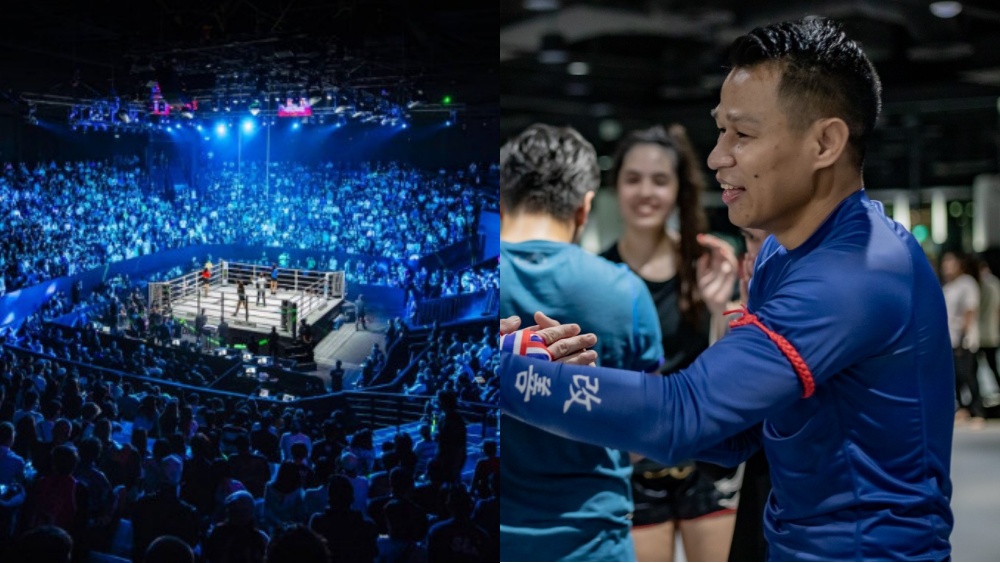
In recent years, martial arts have become more popular. More people are joining martial arts gyms to try these exciting sports. They do this for reasons like health, stress relief, and weight loss. Boxing has a standard way of competing.
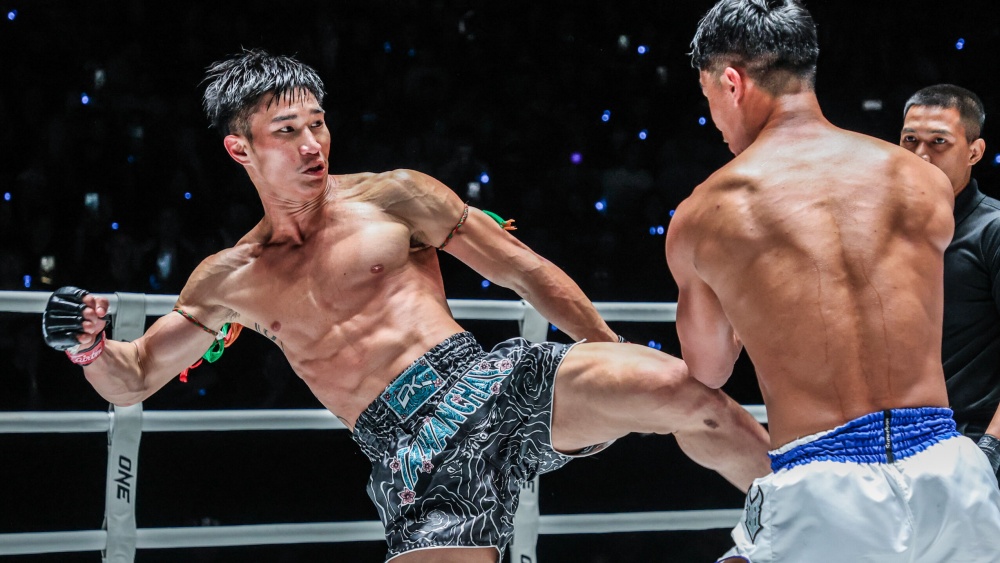
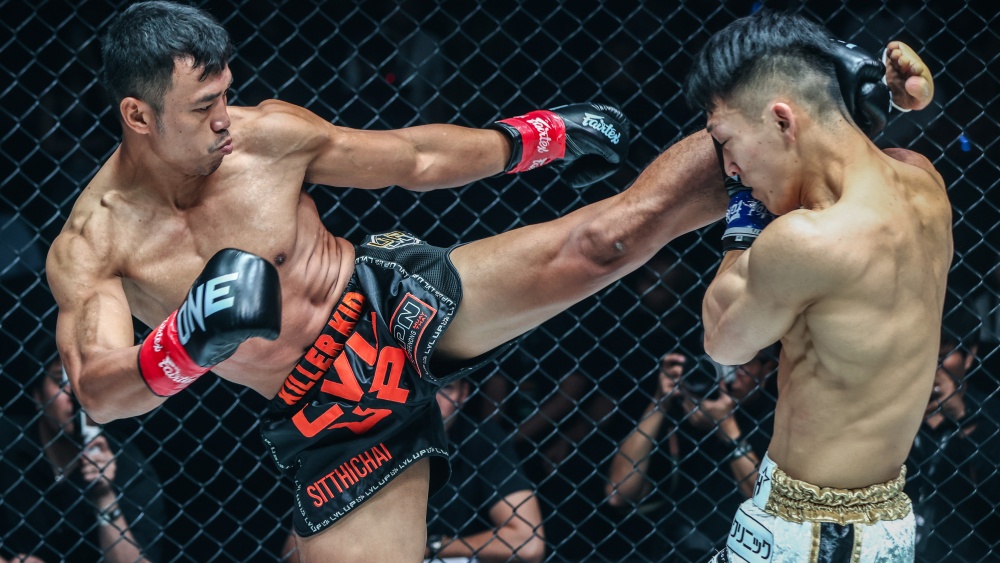
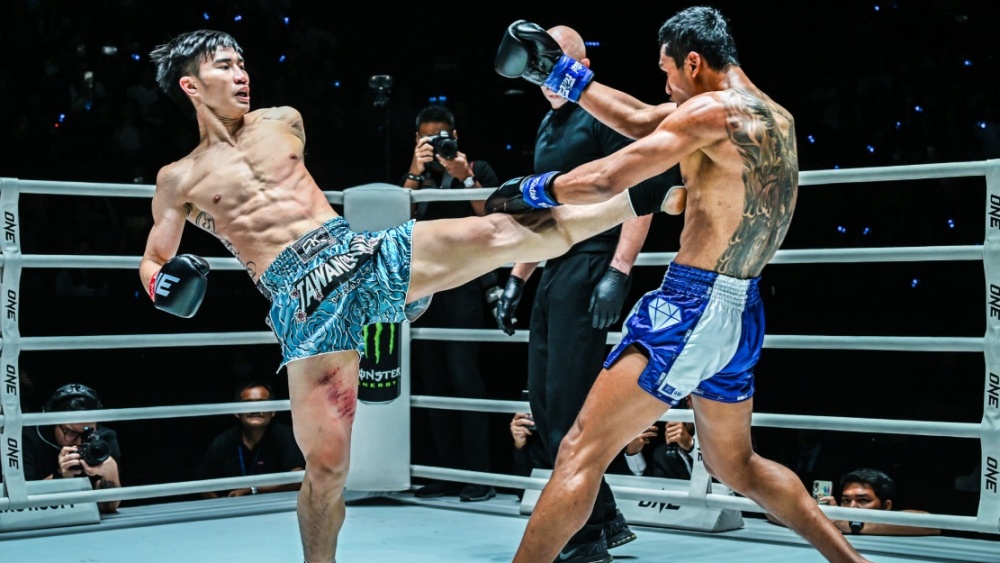
Furthermore, ONE Championship has played a major role in elevating Muay Thai to a global stage. Through its ONE Lumpinee events held in partnership with the iconic Lumpinee Stadium, the promotion has brought traditional Muay Thai to international audiences while showcasing modern production values and world-class fighters.
As a result, stadium titles and Thai venues are now being watched and respected by millions around the world. For most, watching fighters on ONE Championship becomes a gateway into Muay Thai, offering a front-row seat to elite-level striking and Thai tradition, repackaged for a global audience.
In contrast, Thai culture influences Muay Thai. It mixes tradition and technique which makes is what makes it unique.
If you are new to Muay Thai or planning to join a Muay Thai gym in Singapore, you might be curious about how ranking works and why stadiums play such a big role in the sport. This guide will help you understand both.
Do Belts Exist In Muay Thai?
Muay Thai does not have a traditional belt ranking system like Brazilian Jiu-Jitsu. Some Muay Thai gyms use colored armbands. This is especially common in the West and in places like Singapore.
These armbands, called “prajiad,” show a student’s progress. Students tie these bands around the bicep, and they often follow a color system inspired by other martial arts.
The purpose is to help students track their development in technique, fitness, and understanding of the sport. It also gives beginners goals to work toward, which can be motivating in a structured class setting.
The Prajiad System Explained
The prajiad is a colored armband traditionally worn for good luck. In modern training systems, it has evolved into a symbol of rank. While the exact colors and criteria may vary between gyms, the general order typically includes:
- White: For beginners learning the basics.
- Yellow To Green: For students developing consistency in technique.
- Blue To Purple: For intermediate levels showing solid control and timing.
- Brown And Red: For advanced students with high skill levels and sparring experience.
- Black Or Gold: Reserved for instructors or professional-level fighters.
It is important to note that this system is not universally followed. Some gyms use different colors or skip colors altogether. Others use written assessments, sparring evaluations, or pad work performance as markers for progression.
No matter where you train in Muay Thai, the prajiad system emphasizes structure and personal growth. It helps students stay engaged while respecting the traditional spirit of the sport.
What About Belt Titles In Competitive Muay Thai?
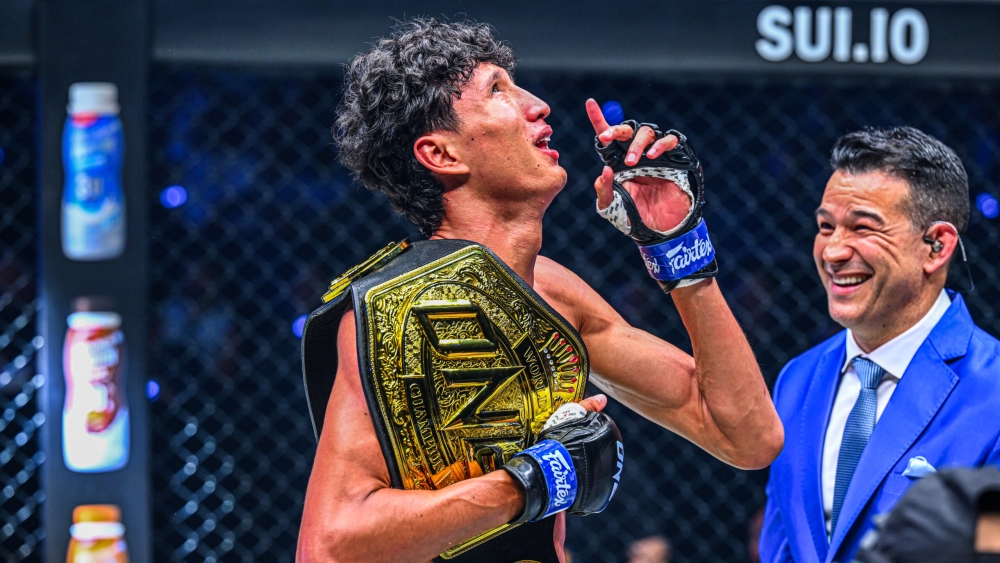
In competitive Muay Thai, especially in Thailand, there are no belts awarded in the traditional martial arts sense. Instead, fighters earn titles by competing in prestigious stadiums and winning matches against high-level opponents.
Every competitive fighter receives a ranking based on their competing weight class and performance in the ring. Much like boxing, championship belts exist at various stadiums and under different sanctioning bodies.
In recent years, ONE Championship has introduced a new global platform for elite Muay Thai fighters. Through its ONE Muay Thai World Titles and ONE Lumpinee series, fighters now have the opportunity to earn championship belts that are recognized worldwide. These titles combine the prestige of traditional Muay Thai with international exposure, larger prize purses, and a growing fanbase outside of Thailand. For many modern fighters, earning a ONE Championship title is now seen as a pinnacle achievement alongside the legendary stadium belts.
The Role Of ONE Championship And Thai Stadiums In Muay Thai
Thailand is home to some of the most respected stadiums in the world of Muay Thai. Together with ONE Championship, they are the proving grounds for fighters who dream of reaching the top
ONE Championship is Asia’s largest martial arts organization and a global powerhouse in combat sports. By launching ONE Lumpinee events in collaboration with Lumpinee Stadium, ONE has revitalized the sport for younger audiences and expanded Muay Thai’s reach beyond Thailand.
Fighters who compete and win at ONE Lumpinee gain international recognition, lucrative contracts, and title opportunities across Muay Thai, MMA, and kickboxing. Holding a ONE Championship belt is now seen as a career-defining milestone, bridging traditional Thai Muay Thai with global sports entertainment.
Lumpinee Stadium
Located in Bangkok, Lumpinee is one of the most famous Muay Thai stadiums in the world. Many people consider winning a title here a career-defining achievement.
People often view fighters who hold the Lumpinee title as elites in the sport. The stadium regularly features bouts with elite fighters. Additionally, ONE Lumpinee is held there, drawing numerous international talents to participate.
Rajadamnern Stadium
Located in Bangkok, the Rajadamnern stadium is recognized as the oldest Muay Thai arena in Thailand. Rajadamnern titles are also highly respected, just like the Lumpinee titles.
While many often debate which is better than the other, both stadiums symbolize the peak of competitive Muay Thai. With fighters like Saenchai and Buakaw competing in RWS, the stadium still shapes the sport’s lasting legacy today.
Channel 7 Stadium
This stadium is famous for broadcasting Muay Thai fights all across Thailand. It has helped introduce the sport to a broader audience. Although it might not hold the same fame as Lumpinee or Rajadamnern, it remains a prestigious title throughout Thailand.
Omnoi Stadium
Often seen as a platform for rising stars, Omnoi hosts regular bouts that showcase up-and-coming talent. It plays a key role in shaping the next generation of Muay Thai fighters. Many foreign Muay Thai fighters also begin competitive fighting at the Omnoi stadium.
How This Applies To You
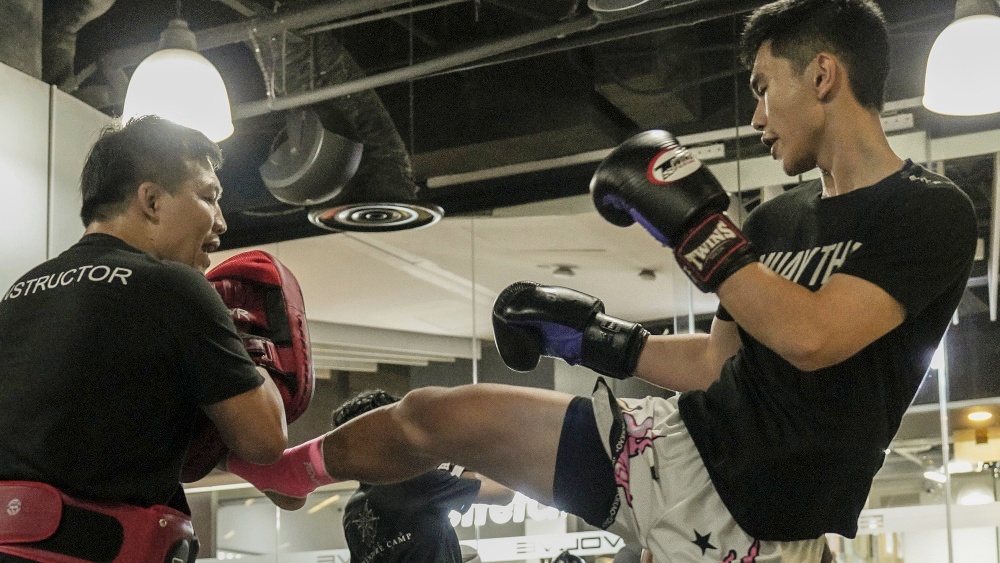
For most students training outside of Thailand, including those in Singapore, stadium titles may not be the end goal. Instead, the focus is often on personal development, fitness, discipline, and cultural appreciation. Whether your gym uses a prajiad ranking system or not, the key is to show up consistently, respect the art, and train with purpose.
Even if you do not plan to compete, knowing the structure and values of Muay Thai is important. This includes how fighters are ranked and what stadiums mean.
Understanding these aspects helps you connect more with the sport. It reminds you that you are part of something bigger than just a workout. You are engaging with a tradition that has shaped lives and communities for generations.
Final Thoughts
Muay Thai’s structure may be different from other martial arts, but that is what makes it unique. You may not earn colored belts in other martial arts, but your progress and growth can be visibly seen through hard work, commitment, and focus; you’ll find yourself.
Whether you train for fitness, skill, or competition, Muay Thai offers a clear path forward. And if you ever find yourself watching a fight from Lumpinee or Rajadamnern, you’ll know just how much heart and history are behind every strike thrown.
You may also like: