Summary
Being a well-rounded MMA fighter means more than excelling in a single discipline. Modern mixed martial arts demands the ability to strike, grapple, defend, and make decisions under pressure across multiple phases of a fight. Fighters who succeed long term develop balanced skills, strong conditioning, and intelligent game planning rather than relying on one strength alone.
Rather than trying to be the best at everything, well-rounded fighters aim to be competent everywhere and strong where it suits their style. This balance reduces exploitable weaknesses and increases adaptability against different opponents.
This article explains what it takes to become a well-rounded MMA fighter and how different elements of training work together.
Key Takeaways
- Well-rounded MMA fighters develop competence across striking, grappling, and conditioning.
- Balance and integration matter more than mastery of one skill alone.
- Decision-making and adaptability are just as important as physical ability.
Developing Well-Rounded Striking
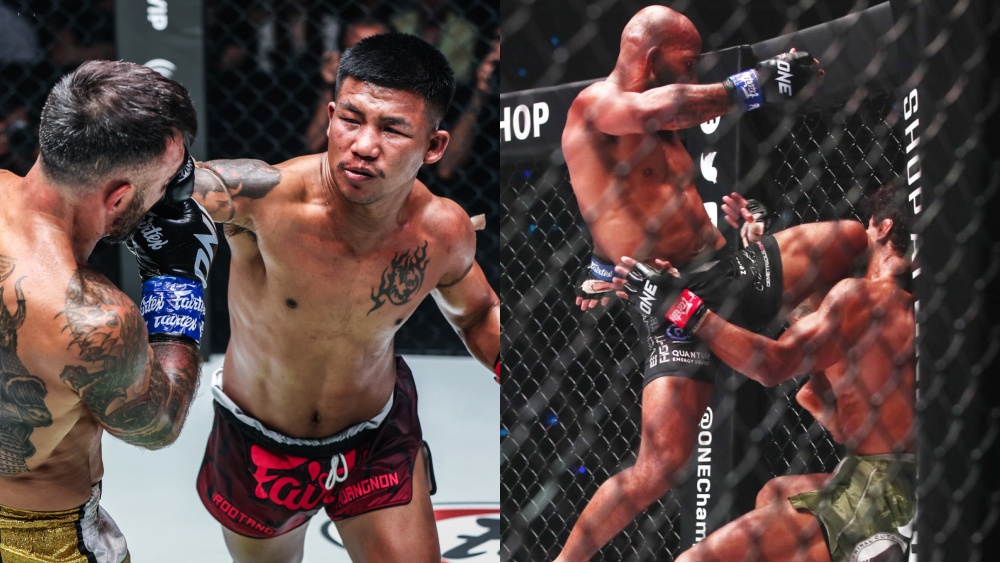
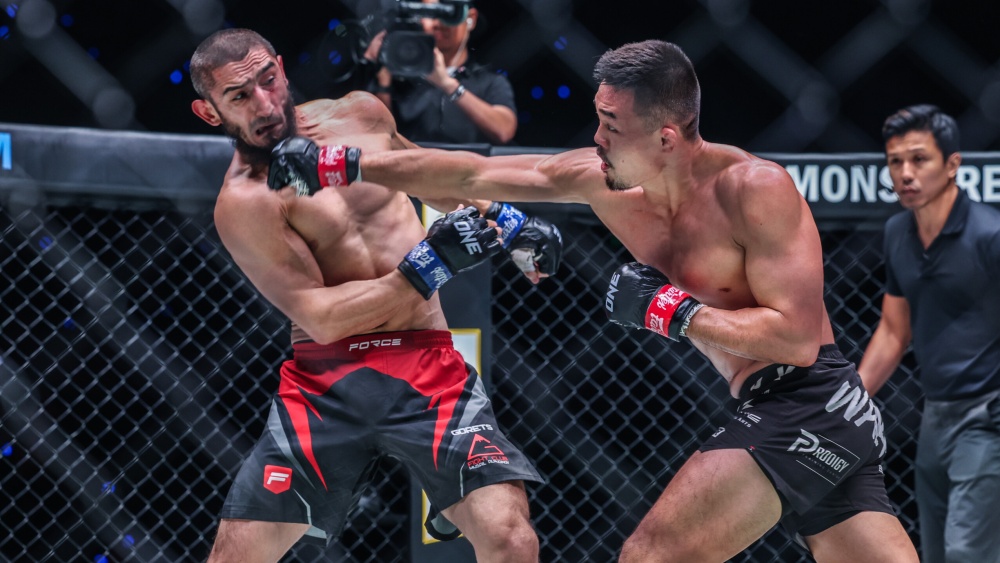
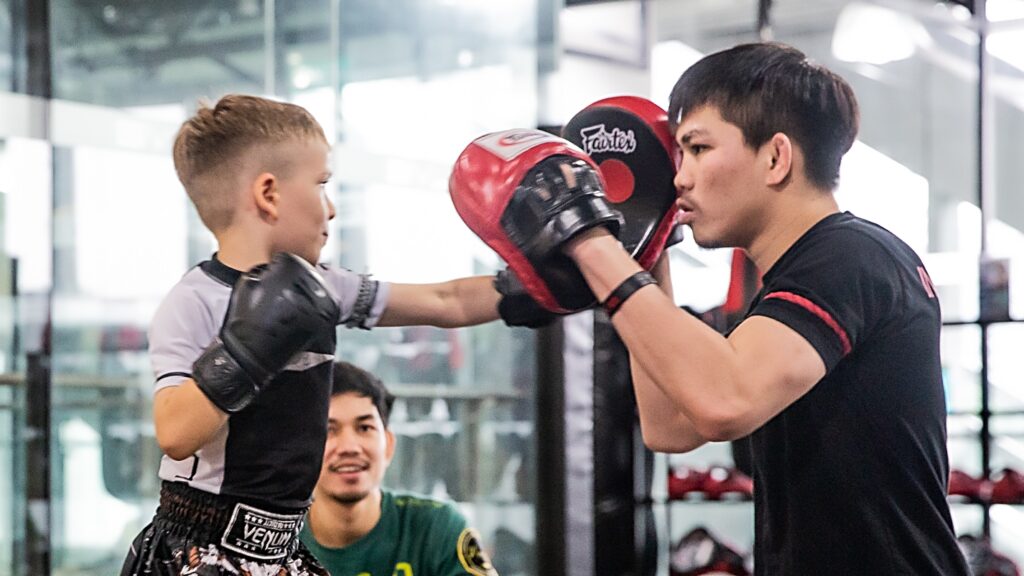
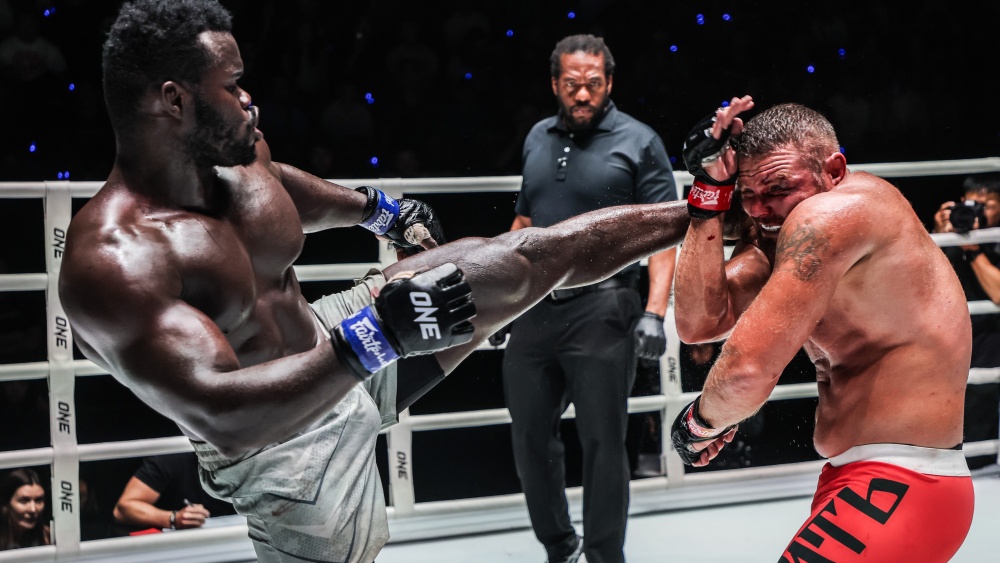
Striking in MMA goes beyond just the strikes alone. Fighters must understand the concepts of distance, timing, and defense while accounting for takedown threats.
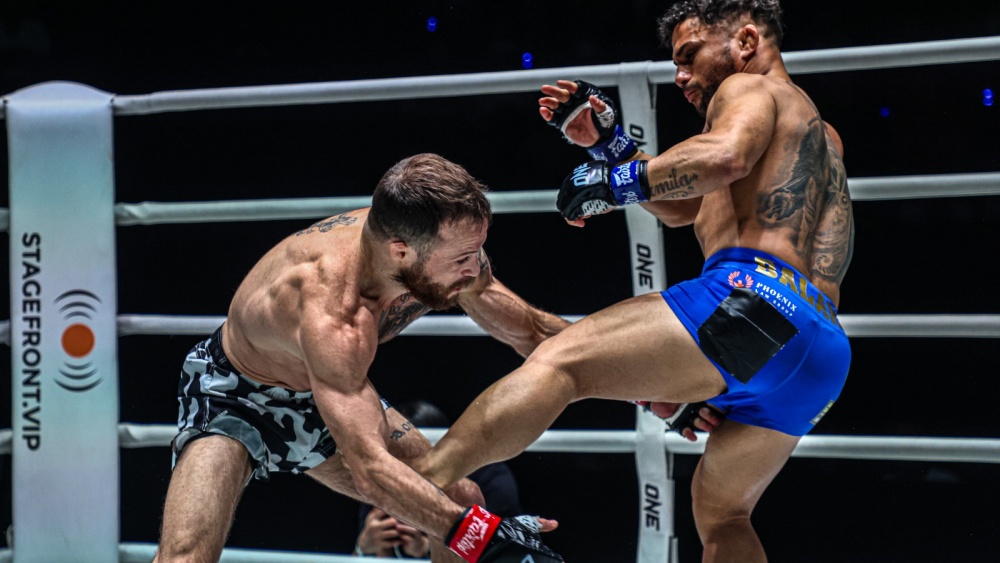
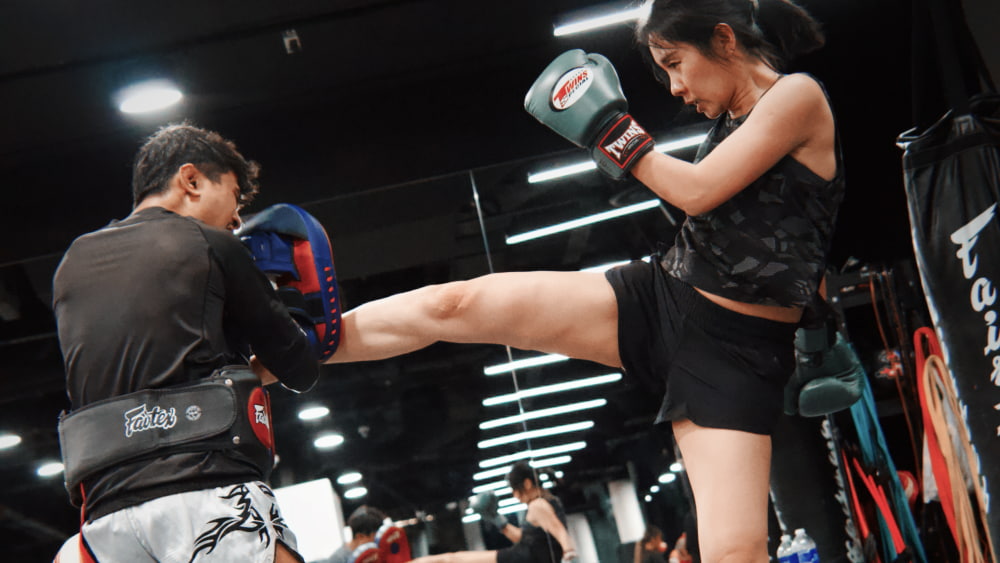
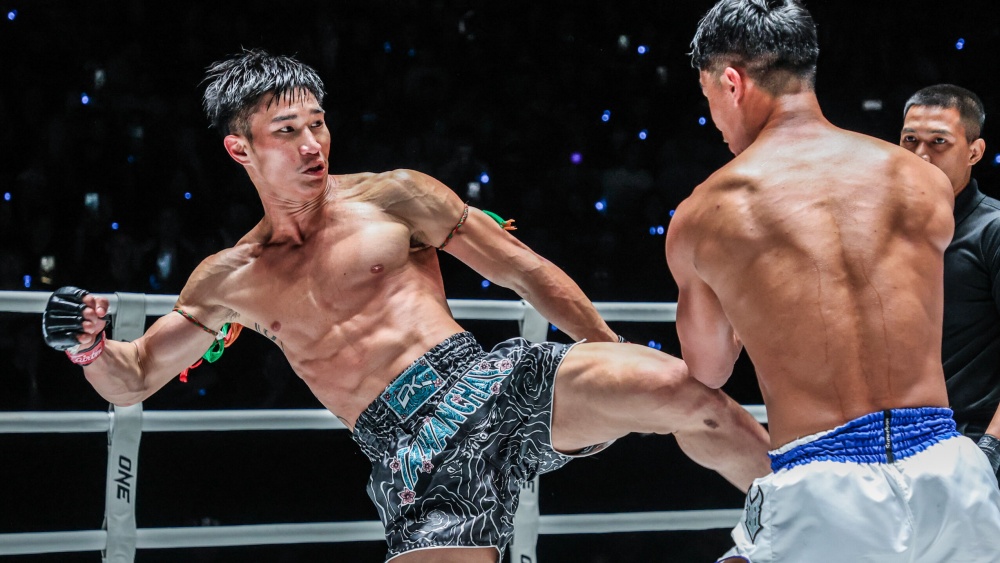
Key elements of MMA striking include punching fundamentals, such as basic kicking, defensive movement, and the ability to strike safely while changing levels. Clinch striking also plays a role, especially near the cage.
The goal is clean, efficient striking that fits MMA pacing rather than high-volume exchanges.
Building Strong Grappling Skills
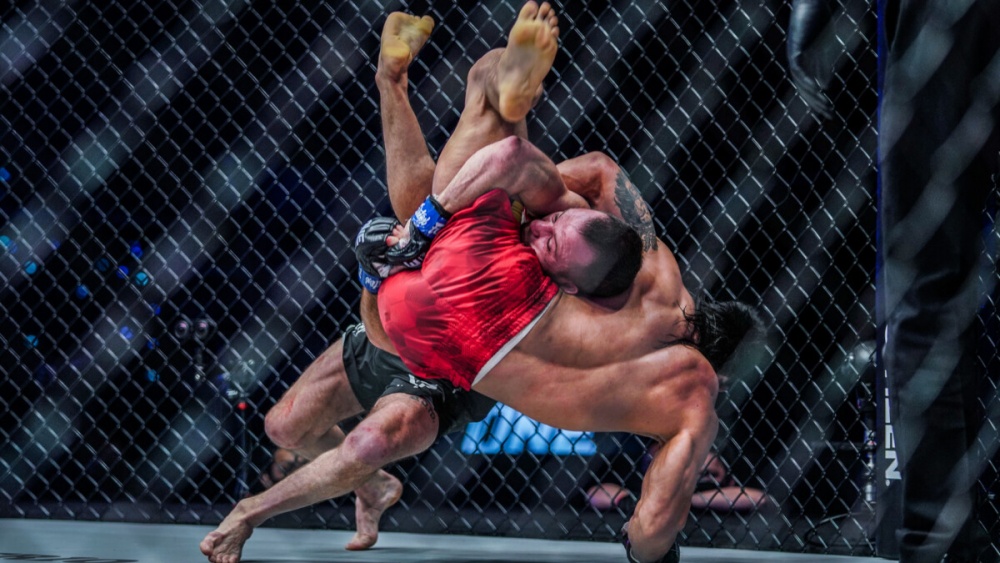
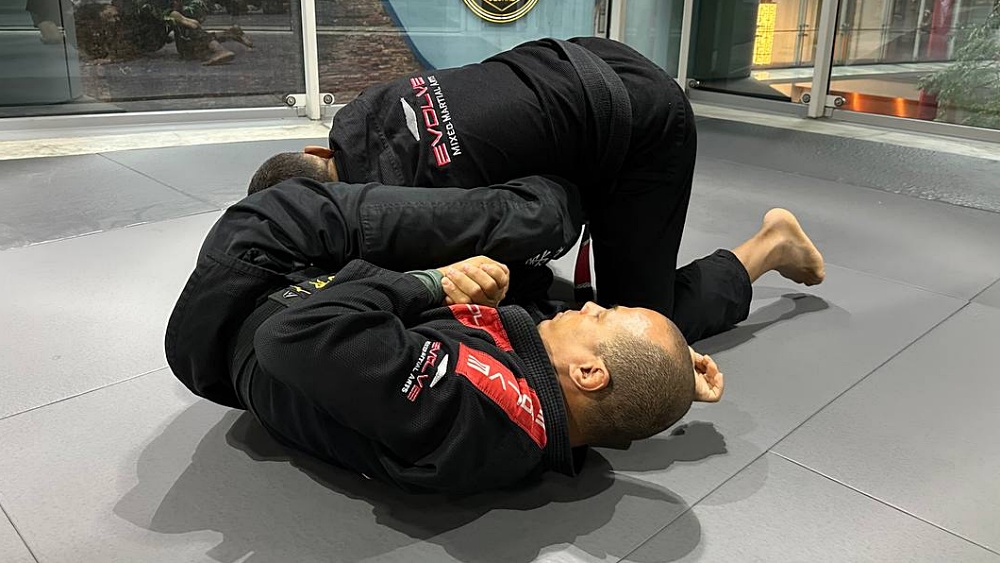
Grappling forms the foundation of MMA control. Wrestling provides takedowns, balance, and top pressure, while Brazilian Jiu-Jitsu adds submission awareness, guard work, and escapes.
A well-rounded fighter understands how to initiate grappling exchanges and how to defend them. This includes takedown defense, scrambling, and positional awareness on the ground.
Rather than specializing in submissions alone, a well-rounded fighter knows the ins and outs of both, being equipped to avoid threats and finish the scramble.
Integrating Striking And Grappling
One of the biggest challenges in MMA is blending skills together. Striking sets up takedowns while grappling opens space for strikes.
Training should include transitions such as striking into clinch, clinch to takedown, and ground to standing. One way to do this is to balance out your training days, allocating time in the week for sufficient striking and grappling.
Fighters who can switch smoothly between phases control the pace of the fight. Look at fighters like Demetrious Johnson and Georges St Pierre, their knowledge and exposure to both striking and grappling made them one of the most well-rounded fighters in MMA history.
That being said, integration reduces hesitation and improves decision-making under pressure.
Conditioning For MMA
MMA conditioning must support repeated bursts of effort over multiple rounds. Fighters train both aerobic endurance for recovery and anaerobic endurance for explosive actions.
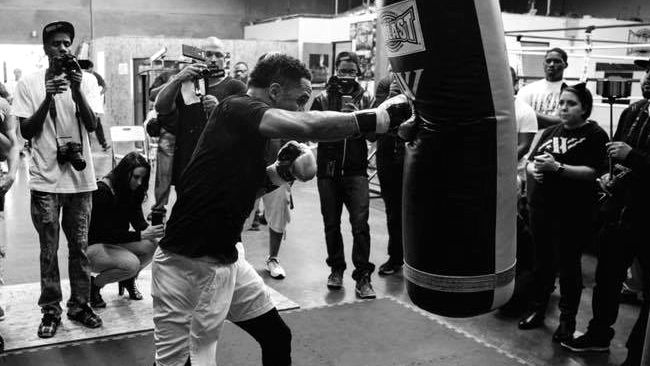
Conditioning is most effective when it mirrors fight movements. Practice drills that combine striking, grappling, and movement build usable endurance rather than generic fitness.
Some exercises you could potentially try are medicine ball throws that mimic punches, suplex drills using a grappling dummy, and even ground and pound circuits.
Mental Skills And Fight IQ
Well-rounded fighters also develop strong mental skills. Fight IQ includes understanding timing, managing energy, reading opponents, and making adjustments mid-fight.
Mental composure under pressure allows fighters to execute skills rather than panic. This comes from experience, controlled sparring, and structured training environments.
Adaptability is often what separates well-rounded fighters from specialists.
Structuring Training For Balance
Balanced training requires planning. Focusing too heavily on one area creates gaps elsewhere.
Most fighters rotate training blocks to address striking, grappling, and conditioning while maintaining baseline work in all areas. Recovery and rest are also important to prevent burnout and injury.
Consistency matters more than intensity over time.
FAQs On Being A Well-Rounded Fighter
Q: Do I Need To Be Good At Every Discipline To Be Well-Rounded
A: No. You need competence and understanding across areas rather than mastery of all.
Q: How Long Does It Take To Become Well Rounded In MMA
A: It varies, but balance develops gradually through consistent training.
Q: Is Grappling More Important Than Striking In MMA
A: Both are important. Effectiveness comes from how they work together.
Final Thoughts
Becoming a well-rounded MMA fighter is about balance, integration, and adaptability. By developing solid fundamentals in striking and grappling, building sport-specific conditioning, and sharpening decision-making, fighters reduce weaknesses and increase control in every phase of a fight. Well-rounded skills create confidence, consistency, and long-term success in mixed martial arts.
You may also like: