If you’re stepping into your first boxing class, one of the most exciting parts is learning combinations. Boxing, at its core, is about rhythm, timing, and control. While it may look like just throwing punches, there is a science behind it. Combos, short for combinations, are planned sequences that help you flow from one strike to the next smoothly.
For beginners, learning these foundational combos builds coordination and gives you the confidence to move, react, and think like a boxer. Whether you’re training for fitness, discipline, or even sparring in the future, understanding how combos work is an important first step.
Why ‘Combos’ Matter In Boxing
Boxing combinations teach you more than just how to punch. They train your footwork, balance, range awareness, and muscle memory. You learn how to transition between offense and defense without overcommitting. Most importantly, combos help you develop a rhythm that makes boxing feel more natural.
When you first start out, you’ll hear numbers thrown around in class, like “one-two” or “three-four.” These refer to specific punches. For example:
1 = Jab
2 = Cross
3 = Lead hook
4 = Rear hook
5 = Lead uppercut
6 = Rear uppercut
Once you get familiar with the number system, combinations will start to make sense. Now let’s dive into some basic ones you can practice anywhere:
This is the most fundamental combination in boxing. The jab sets up the attack, helps with distance, and can distract the opponent. The cross is your power punch that follows through.
Why it works: It’s fast, efficient, and easy to learn. The jab keeps your opponent at bay, and the cross delivers impact.
Tip: Keep your elbows in and make sure your rear foot pivots with the cross.
2) Jab, Cross, Hook (1-2-3)
Once you’re comfortable with the jab and cross, adding the hook introduces lateral movement into your strikes. It also forces you to rotate your body and hips properly.
Why it works: This combo hits straight, then from the side, giving you angles and unpredictability.
Tip: After the cross, reset your feet quickly so your hook has balance and power behind it.
3) Jab, Cross, Uppercut (1-2-5)
This combination brings in a vertical punch, your lead uppercut. After landing the jab and cross, the uppercut sneaks under a high guard and can catch opponents off guard.
Why it works: Mixing up your angles keeps things unpredictable and helps you train full-body coordination.
Tip: Drop your body slightly before the uppercut and come up with your legs, not just your arm.
4) Double Jab, Cross (1-1-2)
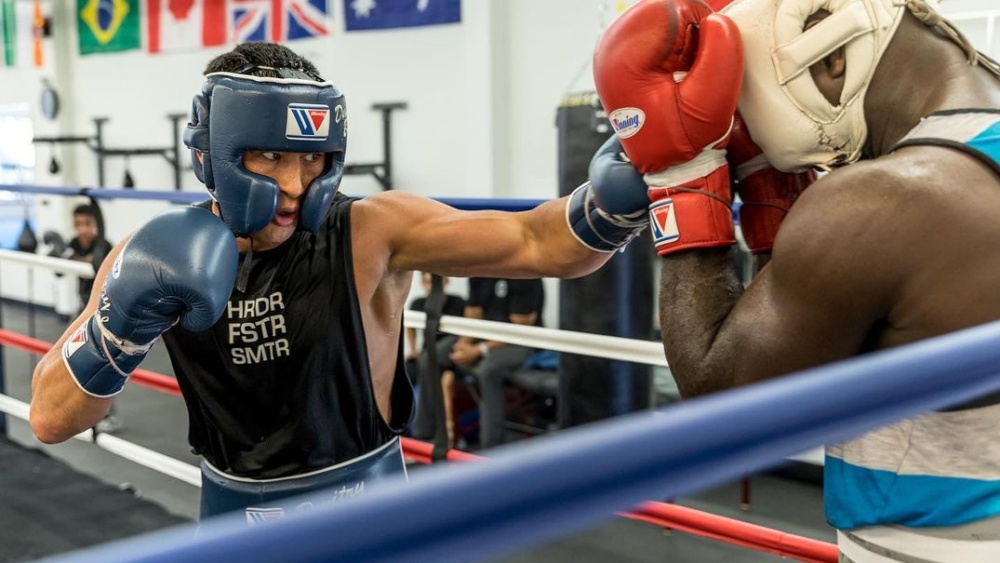
The double jab adds pressure. You use the first jab to gauge distance, and the second jab to disrupt your opponent’s defense before firing off the cross.
Why it works: It’s effective in sparring and pad work, building rhythm and forward movement.
Tip: Make sure both jabs are quick and light; do not overextend or lose form before throwing the cross.
5) Jab, Cross, Lead Hook, Rear Uppercut (1-2-3-6)
This is a more advanced combo that teaches flow and balance. It mixes all the punch directions, straight, horizontal, and vertical.
Why it works: You cover all angles, making it difficult to predict what’s coming next.
Tip: Practice slowly at first. The key is smooth transitions, not speed.
Building Good Habits Early
It’s easy to get carried away trying to punch hard. But in boxing, technique beats force. Start slow, listen to your coach, and focus on form. Here’s what you should remember:
- Breathing: Exhale with each punch to stay relaxed.
- Guard: Always bring your hands back to your face after punching.
- Footwork: Keep your feet moving and never cross them.
- Head Movement: Even in beginner combos, start building the habit of slipping or rolling after combos.
Practicing in front of a mirror helps you check your posture, alignment, and rotation. Don’t worry if it feels awkward at first; it gets smoother with repetition.
What You’ll Likely See In A Boxing Class
In boxing classes at most martial arts gyms, you’ll practice combos in a few formats:
- Shadowboxing: Practicing combos without equipment to work on form.
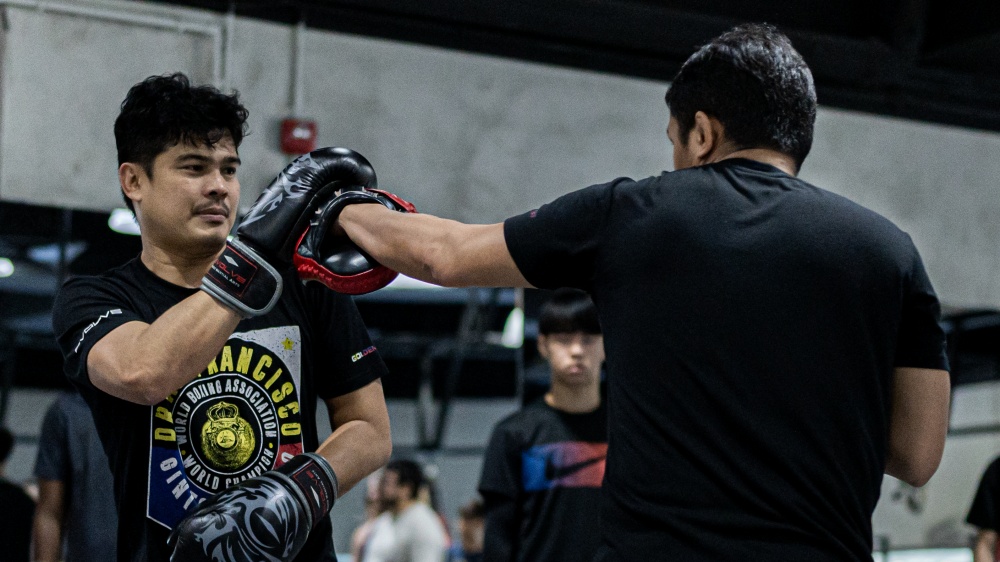
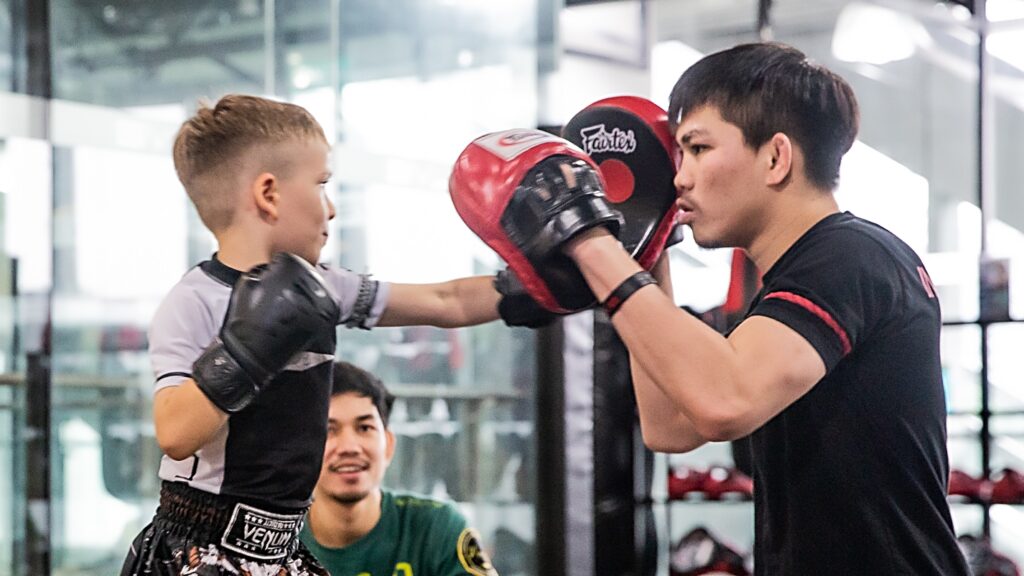
- Pad Work: With a training partner or coach holding focus mitts for feedback.
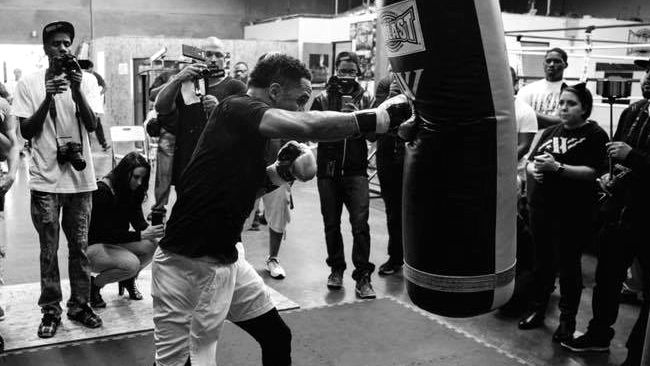
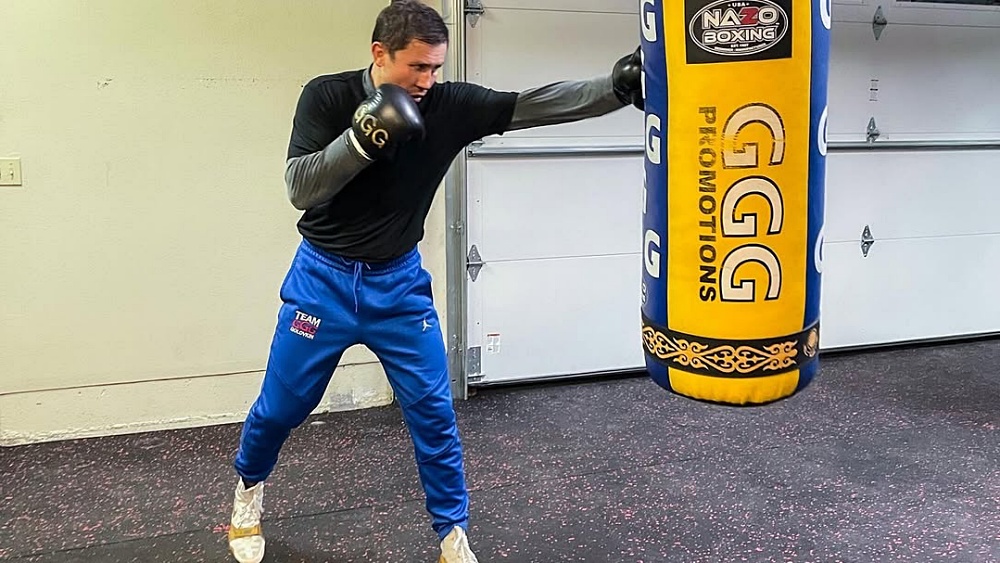
- Bag Work: Repeating combos on a heavy bag for conditioning.
- Technical Drills: Breaking down the mechanics of each punch.
These sessions help you understand how and when to use each combo. The more you practice, the more natural it becomes.
Final Thoughts
Boxing is beyond just throwing random punches; it’s about strategy, timing, and staying sharp. For beginners, these essential combinations are your first step to developing real skill in the ring or on the bags.
Whether you’re training at a local martial arts gym or just getting started at home, start small, stay consistent, and always focus on technique over speed. With practice, the rhythm of combos will become second nature, making boxing both effective and enjoyable.
You may also like: