Summary
In Boxing, staying still makes you an easy target. Upper body movement helps you become unpredictable while keeping your guard intact. It connects directly to your offense, defense and counterpunching ability.
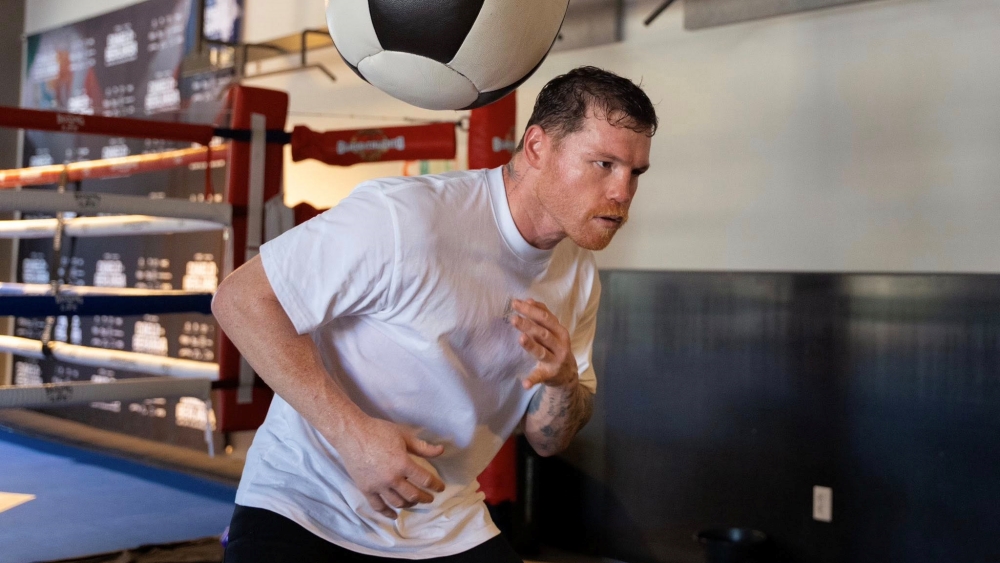
Upper body movement in boxing is more than just dodging punches, it’s about control, rhythm, and positioning. From slips to rolls and shoulder defenses, these movements help you avoid strikes, create angles, and set up powerful counters. Good boxers don’t just move their feet, they move their shoulders, head, and torso in rhythm with their opponent’s attacks.
This article breaks down the key types of upper body movement and drills to help you develop better timing, fluidity, and balance in the ring.
Key Takeaways
-
Upper body movement is essential for staying unpredictable, protected, and ready to counter in boxing.
-
Slips, rolls, shoulder defenses, and other head–torso movements create angles, improve rhythm, and sharpen offense–defense flow.
-
Mastering these movements builds timing, balance, and fluidity—making your overall boxing game far more effective.
Main Types Of Upper Body Movement In Boxing
1) Slipping
Slipping is a small side movement of the head to avoid straight punches like jabs or crosses. Instead of leaning away, you rotate your shoulders and shift your weight slightly to either side.
How to practice:
- Stand in your stance with your guard up.
- Rotate your torso and head slightly to the left or right as if avoiding a jab.
- Keep your eyes on your opponent and your balance centered.
Slipping allows you to stay close and counter immediately with hooks or uppercuts.
2) Rolling
Rolling (also known as bobbing and weaving) helps you evade hooks by moving your head under the punch in a U-shaped motion.
How to practice:
- Imagine a punch coming toward your head.
- Bend your knees slightly and move your head under the imaginary punch.
- Keep your spine straight and eyes forward.
Rolling builds rhythm and flow, helping you transition between defense and attack smoothly.
3) Shoulder Roll
The shoulder roll is a defensive technique popularized by fighters like Floyd Mayweather. It uses the lead shoulder to deflect punches while turning the torso to absorb impact.
Key points:
- Keep your rear hand high to guard your chin.
- Turn your lead shoulder slightly inward when a punch comes.
- Rotate your upper body so punches glance off rather than land cleanly.
The shoulder roll takes practice but becomes highly effective once mastered because it allows for immediate countering opportunities.
4) Pullback
The pullback is a subtle move used to make punches miss by inches. It involves leaning slightly backward while staying balanced and ready to counter.
How it works:
- Start in your stance and imagine a straight punch coming toward you.
- Shift your weight slightly to your back leg while keeping your feet grounded.
- Return forward quickly with a counterpunch.
It’s especially useful against aggressive opponents who overextend their strikes.
5) Ducking
Ducking helps you avoid punches by lowering your head and torso. It’s quick, controlled, and keeps you close enough to respond.
How to practice:
- Bend your knees slightly, lowering your level instead of bending at the waist.
- Keep your guard up and eyes forward.
- Rise smoothly after the motion to stay balanced.
Ducking pairs well with counter hooks or body shots right after an opponent misses.
Combining Upper Body Movements
The best boxers blend these techniques together. For example, you can slip a jab, roll under a hook, and counter with your own cross, all in one motion.
Linking head and torso movement with your footwork creates a flow that makes you harder to predict. Every motion should feel natural, not forced. The more you drill these patterns, the more instinctive your defense becomes.
Drills To Improve Upper Body Movement
1) Slip Rope Drill
Hang a rope across the gym at shoulder height. Move along it, slipping and rolling under as if avoiding punches. Keep your stance, rhythm, and eyes forward.
2) Shadowboxing With Defense Focus
Instead of only throwing focus in on head movements, ducks, and rolls between combinations. Imagine an opponent throwing back. This forces you to commit to only using all of the defensive movements above. Once you’re more confident and fluid, then add in the combinations.
3) Mirror Drill
Practice in front of a mirror to ensure you stay compact and balanced. Focus on keeping your chin tucked and shoulders relaxed.
4) Partner Reaction Drill
Have a partner throw light punches so you can practice slipping, rolling, or pulling back in real time. Start slow, then build speed and fluidity. The key is to train your reaction and to anticipate the movements until your upper body movements are ingrained in your muscle memory.
These drills help you connect body awareness with timing and defense.
Common Mistakes To Avoid
- Moving too much and losing balance
- Dropping your hands when slipping or rolling
- Overcommitting backward during pullbacks
- Forgetting to counter after defense
- Breaking stance while ducking
Precision and control matter more than large movements. The best defensive fighters barely move but always stay safe and ready.
FAQs On Upper Body Movements In Boxing
Q: What Is The Purpose Of Upper Body Movements In Boxing?
A: It helps you avoid punches, maintain defense, and create openings for counterattacks.
Q: How Can I Improve My Head Movement?
A: Practice shadowboxing and rope drills regularly. Focus on smooth, small motions instead of exaggerated dodges.
Q: Should I Always Move My Upper Body After Punching?
A: Yes. After throwing a punch, add a slight slip, roll, or step to avoid counters and reset your position.
Q: What’s The Difference Between Rolling And Ducking?
A: Rolling involves moving under hooks in a U-shape, while ducking is a shorter, downward motion to evade high punches.
Final Thoughts
Upper body movements make you harder to hit, smoother in your combinations, and more confident in exchanges.
Focus on keeping movements compact and coordinated with your stance. With time, these defensive habits will become automatic, helping you move like water, adapt to pressure, and stay one step ahead of every punch.
You may also like: