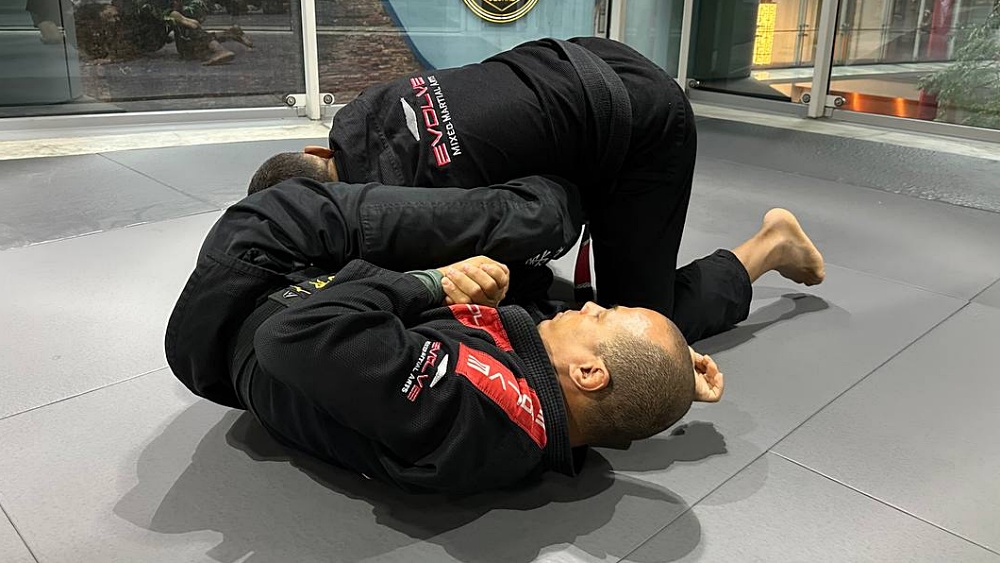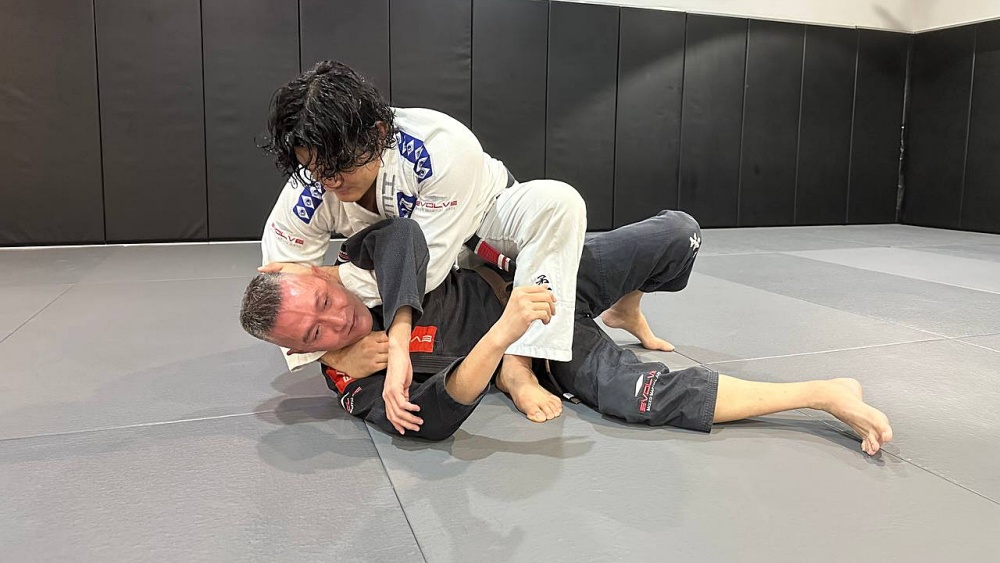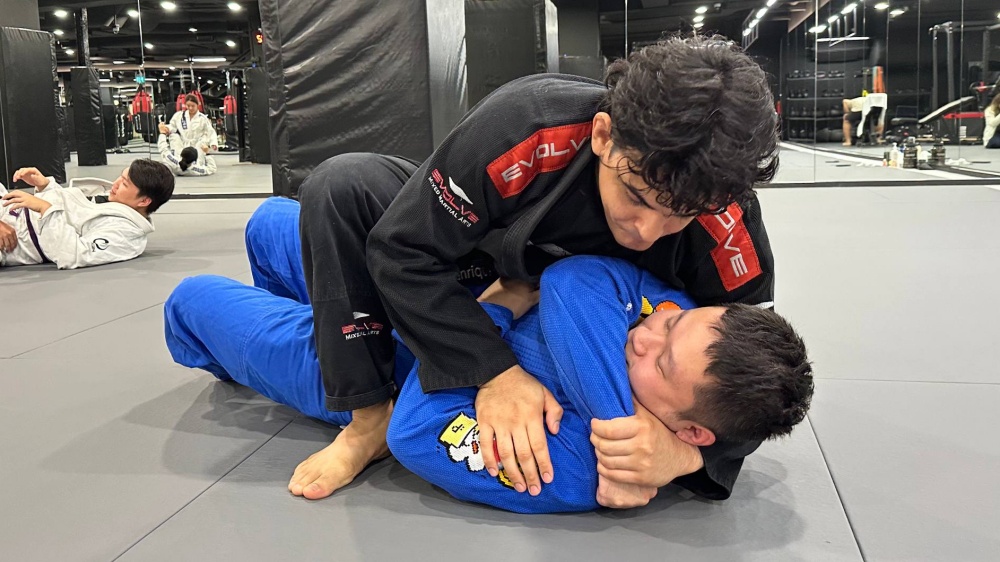
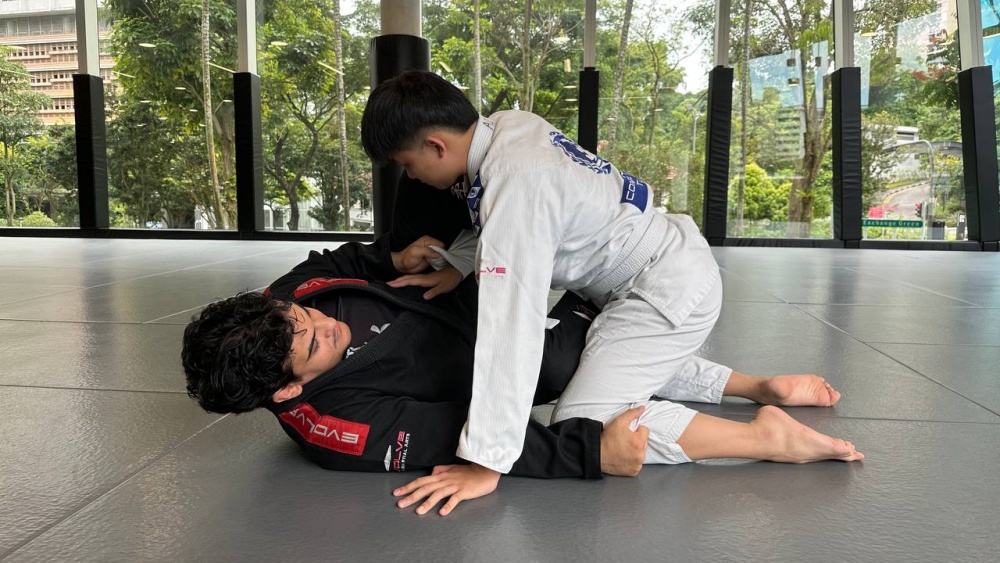
In BJJ, the lasso guard is a variation of open guard that uses your leg to wrap around and control your opponent’s arm, “lassoing” their arm with your shin hooked behind their tricep and grip locked onto their sleeve.
This setup creates a web of control that’s notoriously difficult for opponents to break. With one arm trapped in your lasso and the other usually tied up in a sleeve or collar grip, you drastically reduce their ability to pass your guard. It’s a favorite position for Gi players who want to shut down aggressive top players and create sweeping or submission opportunities.
Why The Lasso Guard Is So Effective
- Control: The lasso traps one side of your opponent’s body, making it hard for them to generate passing pressure.
- Sweeping Platform: By breaking posture and off-balancing, the lasso opens up angles for reliable sweeps.
- Transition Options: From the lasso, you can flow into triangles, omoplatas, spider guard, or De La Riva variations seamlessly.
- Defensive Safety: It’s one of the safest guards for beginners to intermediate players because it neutralizes top pressure.
1) The Classic Lasso Sweep
Once you have the lasso set and control their far sleeve, drop your free leg to the mat and extend your lasso leg upward, tipping them over sideways.
- Why It Works: Their trapped arm kills their ability to base out.
- Tip: Keep tension in your lasso leg to maintain control throughout.
2) The Push Sweep (Lasso + Spider Hybrid)
Combine your lasso on one arm with a spider hook on the other. By extending the spider hook while circling your lasso leg, you can tip them off balance and sweep to mount or top half guard.
- Why It Works: The combination of sleeve control and double-leg extension makes their base unstable.
- Tip: Aim your push diagonally, not straight back.
3) The Overhead Sweep
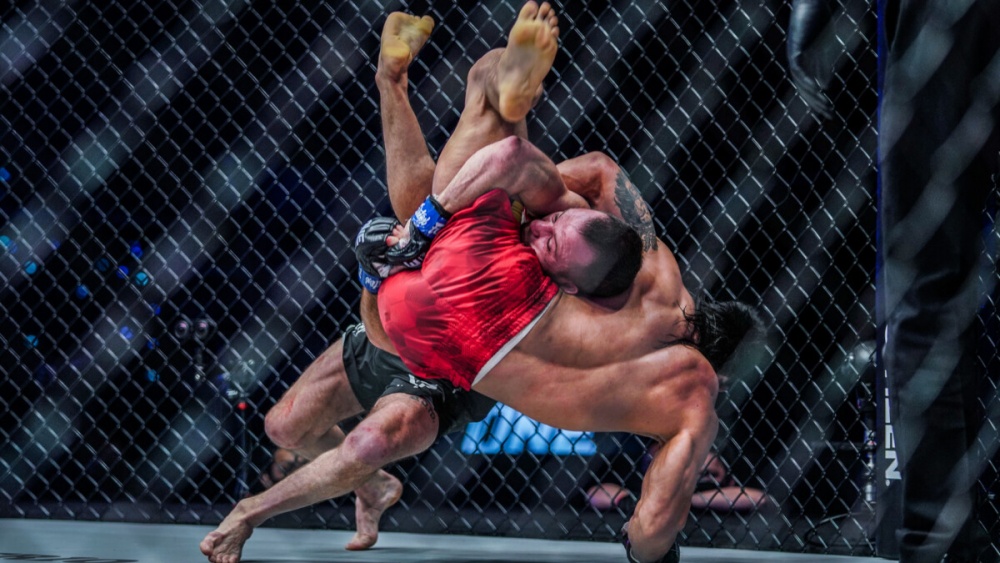
From a deep lasso, use momentum to pull your opponent forward and elevate them with your free leg, launching them overhead into a classic sweep.
- Why It Works: Their trapped arm prevents posting, while your hips provide lift.
- Tip: Commit to the movement; partial elevation won’t break their balance.
4) The Omoplata Sweep
Lasso setups naturally funnel into the omoplata. If your opponent resists your sweep attempts by posturing, thread your leg through to trap their shoulder and sit up into the omoplata. Even if the submission fails, the motion sweeps them.
- Why It Works: Transitions a failed sweep into a dominant finishing position.
- Tip: Control their belt or hip to stop them from rolling out.
5) The Back Take From Lasso
Instead of sweeping forward, you can use the lasso to spin under and attack their back. With sleeve and collar grips, pivot your hips, kick your free leg through, and climb to their back.
- Why It Works: Opponents focus so much on defending the sweep, they expose their back.
- Tip: Keep grips tight; loose control lets them retreat.
Final Thoughts
The lasso guard is a modern staple in BJJ, especially in Gi training. It’s safe, reliable, and highly versatile, giving you the ability to sweep, submit, or transition to dominant positions. By mastering sweeps like the classic lasso, push sweep, and omoplata transitions, you turn the guard from a defensive tool into an offensive weapon.
As always, the secret isn’t knowing having countless of sweeps in your arsenal, but learning when to apply each one. Drill these sweeps, understand the balance points they exploit, and your lasso guard will quickly become one of the toughest puzzles for anyone trying to pass.
FAQ: Sweeps From The Lasso Guard
Q: Is The Lasso Guard Only For Gi BJJ?
A: Mostly, yes. The lasso relies on sleeve grips, which aren’t available in No-Gi. However, some No-Gi variations use overhooks instead.
Q: Can Beginners Use The Lasso Guard?
A: Absolutely. It’s a safe guard that neutralizes pressure, making it ideal for beginners.
Q: What Submissions Connect With Lasso Sweeps?
A: Triangles, omoplatas, and armbars are the most natural submissions to pair with lasso sweeps.
Q: Is The Lasso Guard Good For Smaller Practitioners?
A: Yes. Smaller players often excel at lasso guard because it emphasizes leverage and control over strength.
You may also like: