Summary
While many beginners focus on submissions from the top, experienced grapplers know that leg control systems create the foundation for sweeps, back takes, and dominant transitions. One of these systems is the bear trap.
The bear trap in BJJ is a leg entanglement position that can help beginners control scrambles and slow down aggressive opponents. It blends control and leverage rather than strength. When drilled properly, it becomes a reliable tool that improves balance, timing, and positional awareness.
Key Takeaways
- The bear trap in BJJ is a leg control and entanglement system that’s widely used in the grappling world today.
- The position is often used in scrambles, sweeps, transitions, and can be beginner-friendly when taught with proper fundamentals.
- Drilling entries and control mechanics are essential in effectively applying the technique and long-term confidence.
What Is The Bear Trap In BJJ?
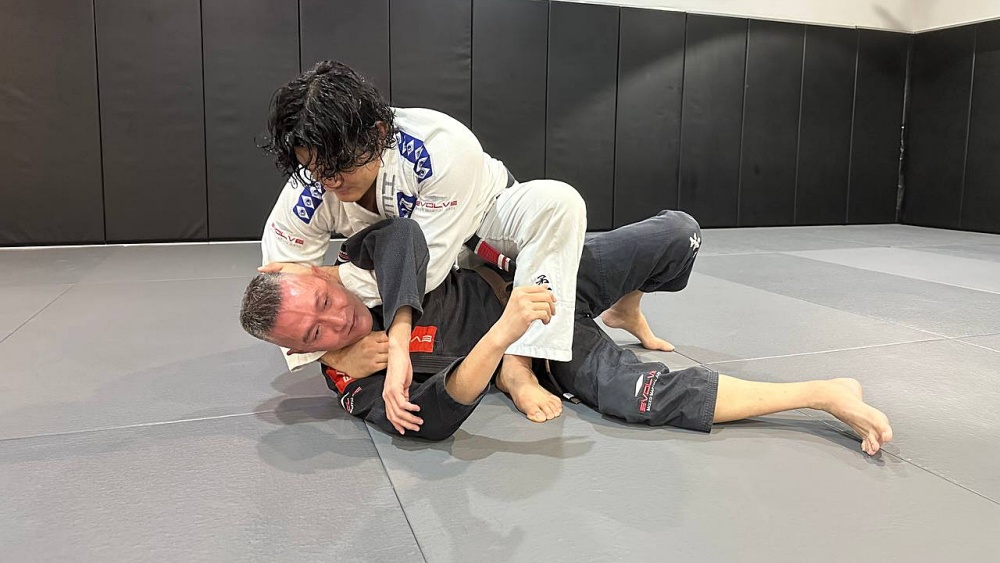
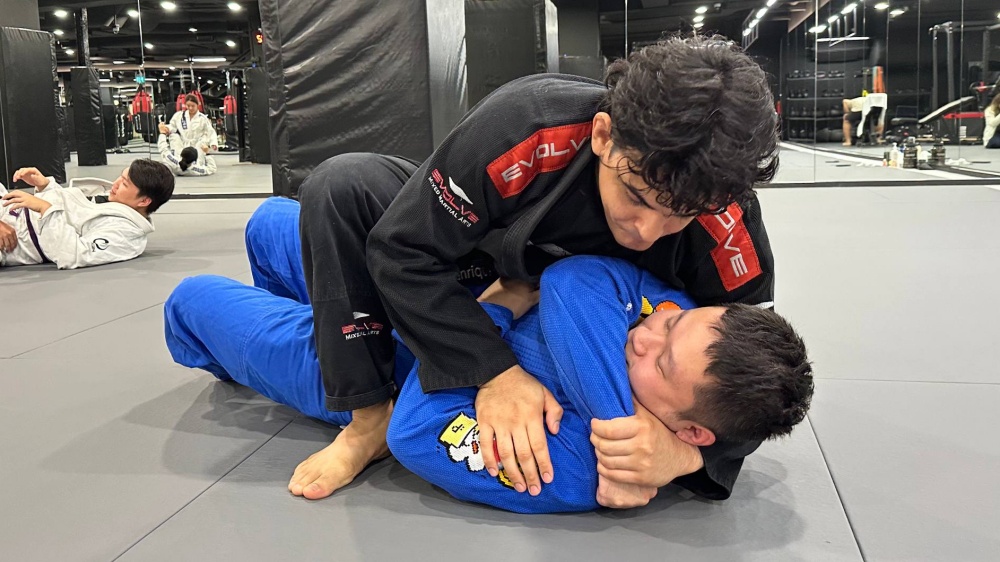
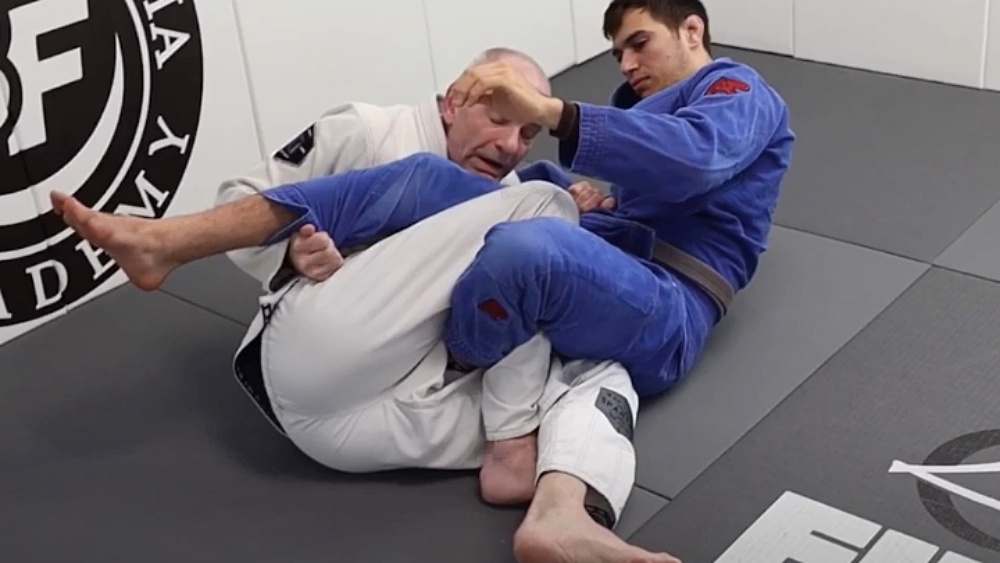
The bear trap in BJJ typically refers to a leg entanglement where you trap your opponent’s leg between your own, limiting their mobility and creating sweeping or attacking opportunities. It is commonly seen during transitions when an opponent attempts to stand, pass, or disengage.
Unlike advanced heel hook systems that require precise breaking mechanics, the bear trap can first be used as a control position. Beginners can learn it as a way to stop movement and reset before attacking or sweeping.
The key principle behind the bear trap is isolating one leg while controlling the hip line. In modern grappling, leg control has become increasingly important, as highlighted by various recent competition footage from ADCC and IBJJF, among others. Controlling the lower body prevents explosive movement and opens pathways to dominant positions.
Is The Bear Trap Suitable For Beginners?
While advanced leg lock systems can feel overwhelming for beginners, the bear trap as a control mechanism is very approachable. Instead of focusing on submission finishes, beginners should treat it as a way to:
- Slow down scrambles. Considering how everything is fast-paced, the control the trap provides helps slow things down.
- Helps to prevent an opponent from standing and or escaping.
- Create various off-balancing opportunities for potential finishing setups.
For beginners in BJJ, learning how to manage distance with the legs is just as important as learning grips. The bear trap introduces this concept in a structured way.
How The Bear Trap Is Used In High-Level BJJ
Leg entanglements have been widely popularized by athletes like Gordon Ryan and the Danaher Death Squad, but many modern competitors across IBJJF and ADCC events use variations of leg trapping systems during transitions.
Athletes such as Lachlan Giles have demonstrated how leg entanglements can neutralize larger opponents, especially during ADCC competition. While not always labeled specifically as a “bear trap,” similar trapping mechanics appear frequently in sweeps and leg control sequences.
The broader lesson is clear. Modern BJJ increasingly rewards athletes who understand lower-body control. The bear trap fits directly into that evolution.
How Beginners Can Drill The Bear Trap Step By Step
1) Entry Drill From Standing Opponent
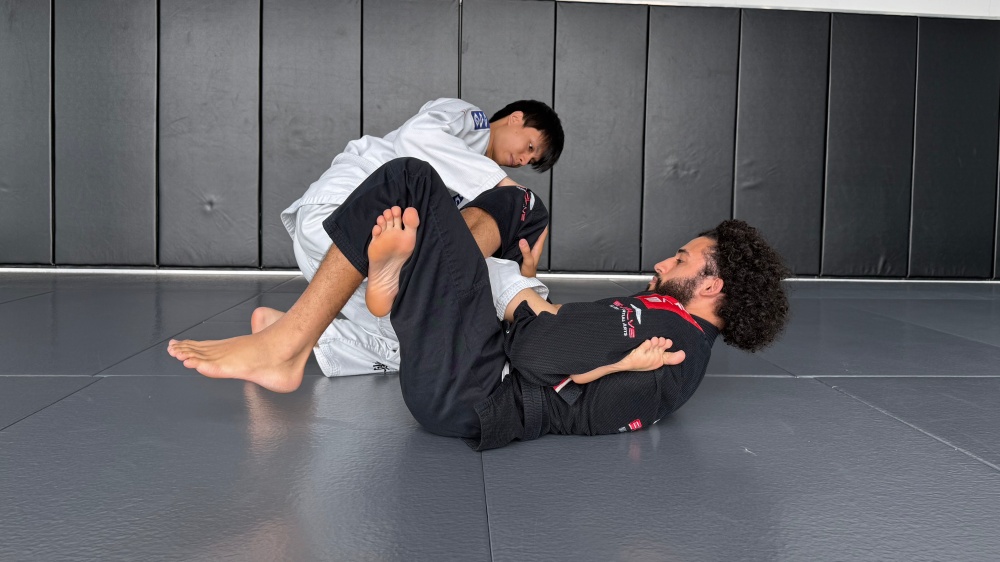
Start with your training partner attempting to stand from open guard.
Step 1: Sit up and control one of their legs with your arms.
Step 2: Thread your outside leg over and across their trapped leg.
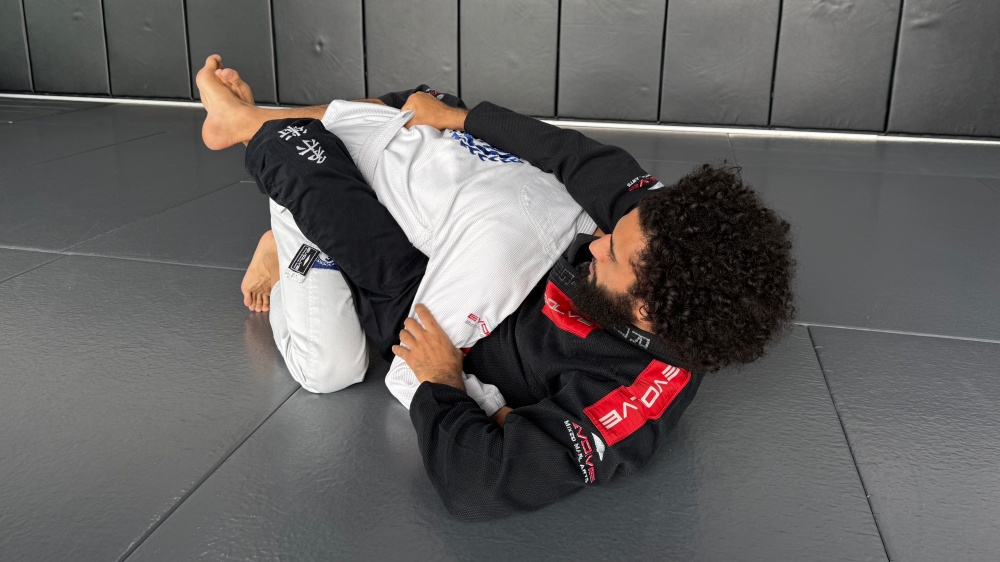
Step 3: Clamp your legs together, pinching their thigh between yours.
Step 4: Keep your knees tight and hips engaged to limit their movement.
Repeat slowly for 10 reps each side before adding light resistance.
2) Positional Control Drill
Start directly in the bear trap position. Your goal is to maintain control for 30 seconds while your training partner tries to free their leg at 50 percent intensity.
Your key focus are:
- Keeping your knees pinched.
- Adjusting the hip angle.
- Staying connected to their trapped leg.
- Switch roles after each round.
This builds sensitivity and reaction timing, which are essential in BJJ.
3) Sweep Integration Drill
Once you’re comfortable controlling the leg, add a sweep.
Try this from the bear trap:
- Off-balance your partner by pulling the trapped leg inward.
- Rotate your hips underneath.
- Come up to the top position while maintaining control.
Practice slowly. Prioritize balance over speed. Like every technique, once you’re able to visualize and find the openings, you’ll begin to better integrate these techniques into your rolling game.
Common Mistakes Beginners Make
One common mistake is squeezing without proper hip alignment. If your hips are too flat, your opponent can spin out easily.
Another mistake is chasing submissions too early. The bear trap should first be about control. Submissions come later.
Finally, beginners sometimes forget upper body awareness. Even when focusing on legs, always monitor your opponent’s hands and posture.
FAQs On The Bear Trap In BJJ
Q: Is The Bear Trap A Submission?
A: No. The bear trap is primarily a control position. It can lead to sweeps or leg attacks, but its main purpose is to trap and isolate the leg.
Q: Is The Bear Trap Legal In Beginner Competitions?
A: Control positions like the bear trap are generally legal. However, if transitioning into heel hooks or certain leg locks, rule sets vary by belt level and organization. Always check IBJJF or competition-specific guidelines.
Q: Does The Bear Trap Work In Gi And No-Gi BJJ?
A: Yes. The mechanics of leg entanglement apply in both formats. Friction may vary slightly, but the control principle remains the same.
Q: How Long Does It Take Beginners To Learn The Bear Trap?
A: With consistent drilling, beginners can understand the position within a few weeks. Mastery comes with live sparring and repetition.
Final Thoughts
The bear trap in BJJ reflects the evolution of modern grappling. Control the legs, control the movement. For beginners, this position builds awareness of balance, leverage, and timing.
Instead of viewing leg entanglements as advanced or intimidating, treat the bear trap as a learning bridge. It teaches patience. It teaches control. And most importantly, it teaches how to slow chaos into structure.
In Brazilian Jiu-Jitsu, the athlete who understands control will always have the advantage.
You may also like: