Opening the closed guard is one of the most fundamental and often frustrating skills for beginners in Brazilian Jiu-Jitsu. If you’re stuck inside someone’s guard, your movements and offense strategies are completely limited. This article explains the importance of guard opening, outlines key principles, and walks through a few basics every beginner should know. We’ll also discuss common mistakes and answer some frequently asked questions to help you progress faster.
Why Guard Opening Matters
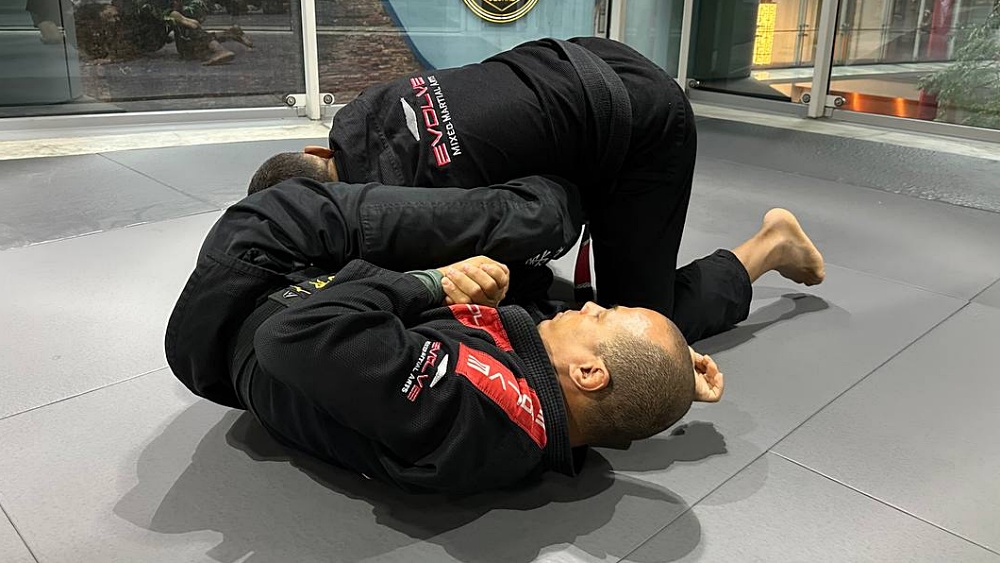
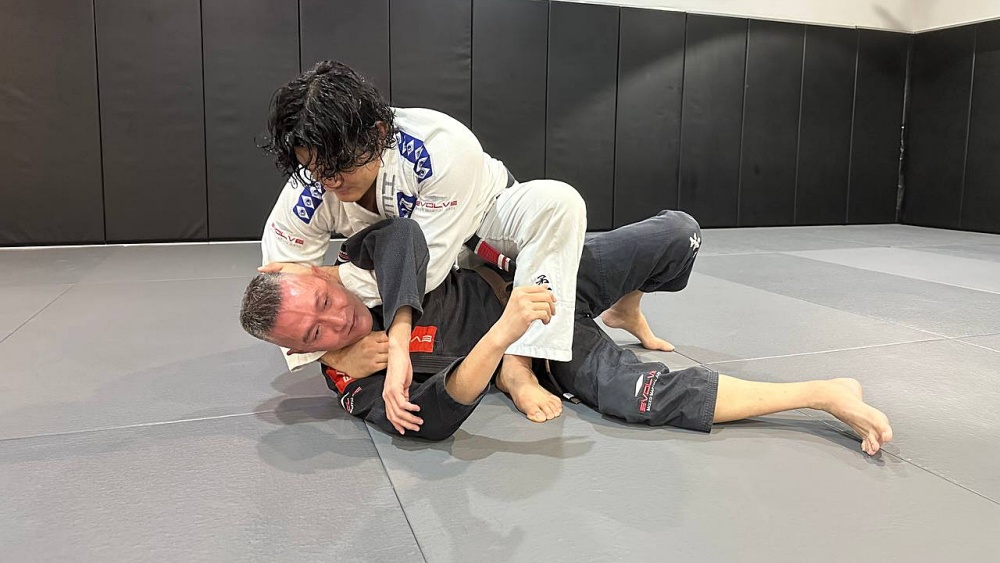
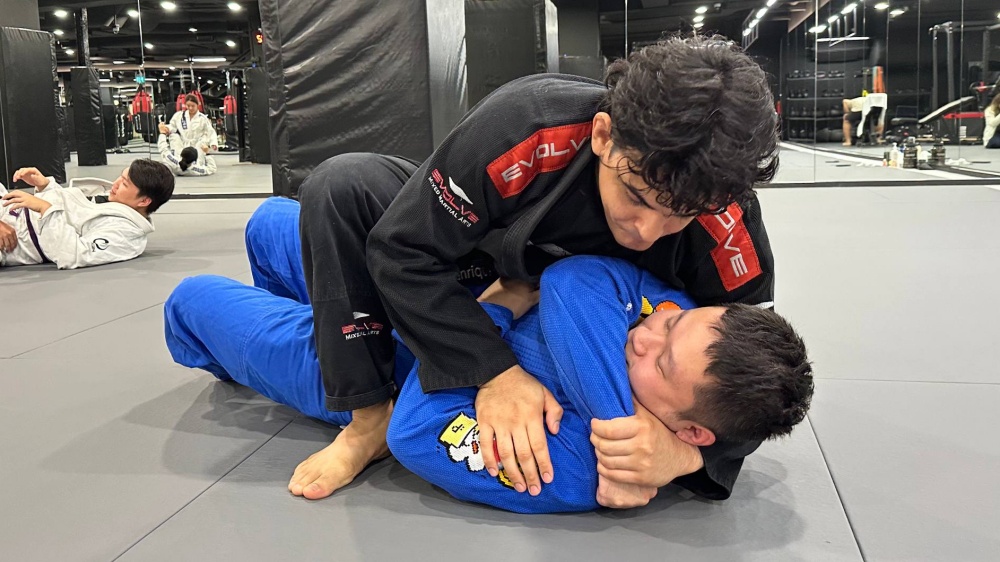
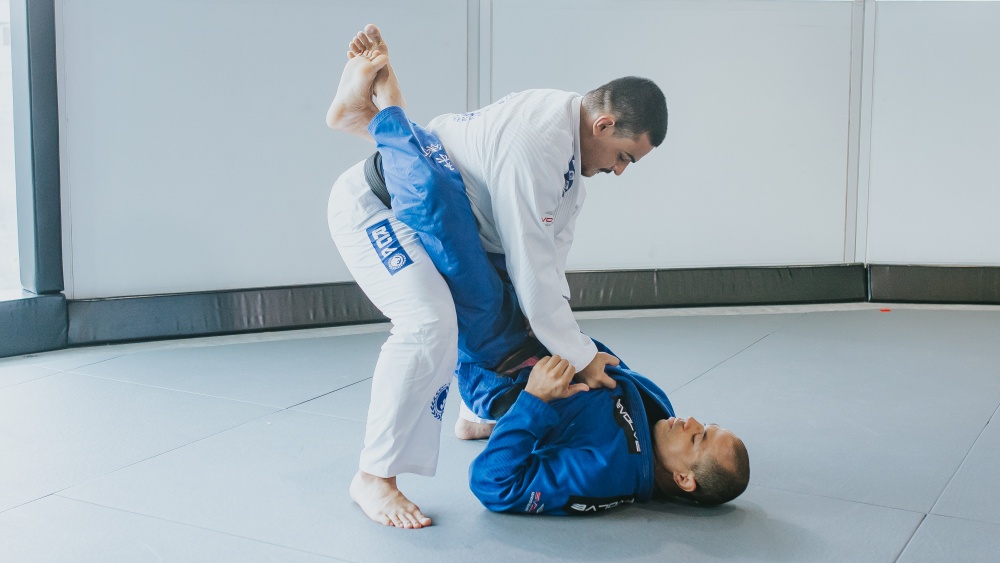
The closed guard is a strong control position. If you’re trapped inside it, your opponent can attack with sweeps, submissions, and posture breaks. Without proper knowledge of how to open the guard, you’ll always be on the defensive. Learning proper guard opening teaches you how to stay safe, regain movement, and begin your own passing game.
The Fundamentals Of Guard Opening
- Posture First: Before you even think about opening the guard, you need good posture. Keep your back straight, head up, and hands placed safely (typically on the biceps, hips, or midline). Bad posture makes it easy for your opponent to break you down and attack.
- Base And Balance: Always maintain balance with wide knees and active toes. If you sit too close or keep your knees together, sweeps become much easier for your opponent.
- Create Pressure, Don’t Rush: Opening the guard is less about explosive force and more about steady, controlled pressure. Think of it as prying something open, not yanking it apart.
Basic Guard Opening Techniques
After learning the key fundamentals of guard opening, let’s look at some basic techniques you can use to open your opponent’s guard.
1) The Knee-In-Tailbone Break
Before learning any guard passing techniques, basic guard opening techniques are essential. This technique utilizes only your posture and frames before attempting the guard break.
- Maintain posture with hands on the opponent’s body.
- Step one leg up and place your knee directly into their tailbone.
- Push backward with your hips until the ankles unlock.
2) The Stand-Up Guard Break
Standing is another effective way to open the guard. By standing up, you’re essentially putting pressure on the opponent’s guard, which can ultimately force them to break their guard.
- Posture up and control the opponent’s sleeve or collar.
- Step both feet up while keeping a straight back.
- Push down on their leg to break the ankles apart.
3) The Elbow-To-Inner-Thigh Method
This method uses leverage instead of force:
- Posture upright and keep elbows tight.
- Drive one elbow gently into the opponent’s inner thigh.
- As pressure builds, the guard will naturally open.
Common Mistakes Beginners Make
- Rushing: Trying to open the guard with brute strength usually results in the attacking party getting swept.
- Poor Posture: Leaning forward exposes your neck to chokes and your arms to armlocks.
- Ignoring Grips: If you don’t control their sleeves or collar, they’ll control you.
FAQ: Guard Opening In BJJ
Q: Why Is The Closed Guard So Strong?
A: Because it limits your movement by locking their legs around your waist, giving your opponent a wide range of sweeps and submissions.
Q: What’s The Safest Guard Break For Beginners?
A: The knee-in-tailbone break is usually simple, safe, and the easiest to learn first, considering how it doesn’t require many movements. Focus on this before attempting others, like the stand-up.
Q: Should I Always Stand To Open The Guard?
A: Not always. Standing works well, but if your opponent has strong grips or is taller, you may risk getting swept. Mixing both standing and kneeling breaks is often more effective, depending on the situation.
Q: How Do I Stop Getting Submitted While Trying To Open The Guard?
A: Posture is everything. Keep your elbows in, hands safe, and never extend your arms straight toward your opponent. Remember, anything that’s hanging loose can potentially give your opponent the opening for a submission.
Q: How Long Does It Take To Get Good At Guard Opening?
A: It varies, but most beginners need months of consistent drilling before guard opening feels natural. With time, it becomes second nature.
Final Thoughts
Every BJJ practitioner, from white belt to black belt, needs reliable guard opening skills. It’s not glamorous, but it’s the gateway to passing and controlling from the top. Drill the basics patiently, focus on posture, and you’ll find yourself escaping closed guard more often and building confidence in your top game.
You may also like: