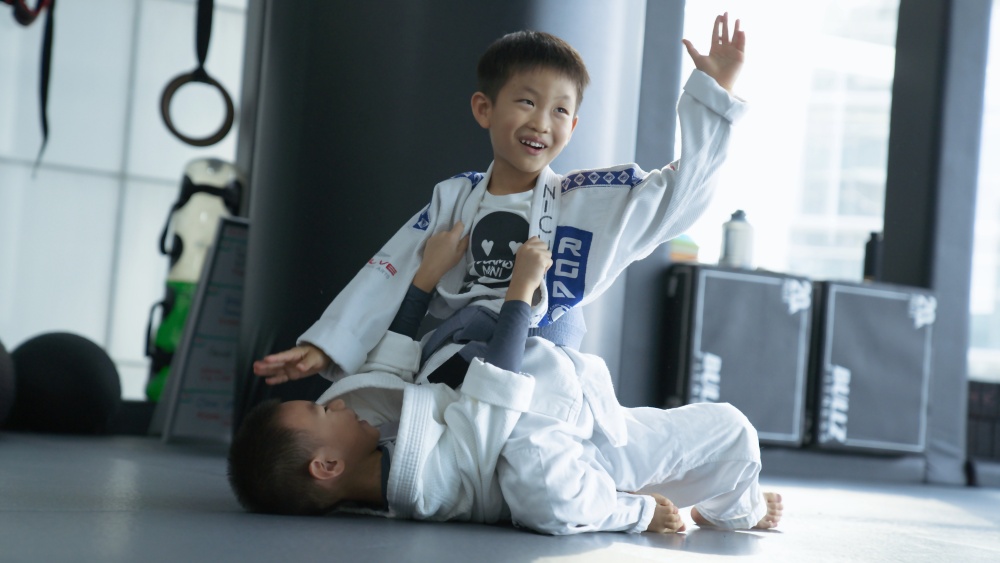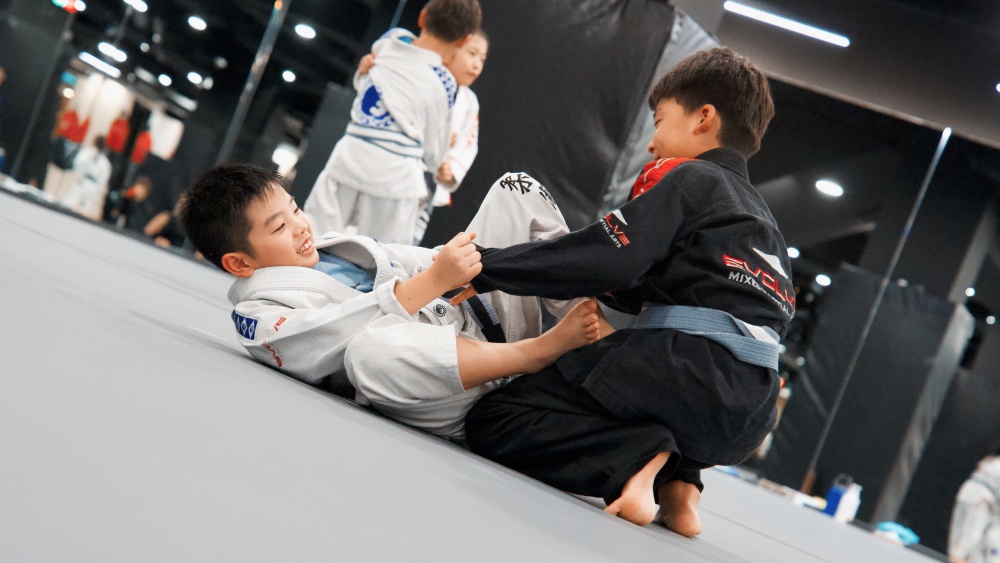
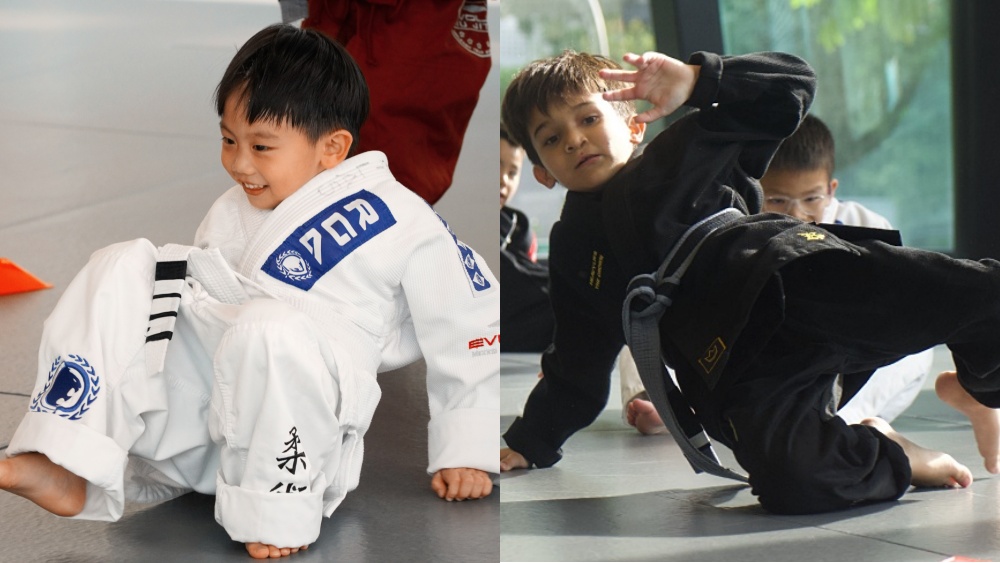
In Brazilian Jiu-Jitsu, belts represent progression, skill, and time spent on the mats. But the system for children is different from adults. Because kids mature physically, mentally, and emotionally at different rates, the International Brazilian Jiu-Jitsu Federation (IBJJF) developed a separate belt system for ages 4 to 15.
Children don’t jump straight from white belt to blue belt like adults. Instead, they move through multiple belt colors that keep them motivated, provide smaller milestones, and encourage consistent training.
Belt Progression For Children (Ages 4–15)
White Belt (Starting Point)
- Age: 4+
- Meaning: Every child begins at white belt. This is where they learn the foundations, basic positions, movement, discipline, and respect.
- Goal: Develop comfort on the mats, build coordination, and start understanding the flow of BJJ.
Grey Belts (Ages 4–15)
Grey belts are the first step beyond white. They’re divided into three ranks:
- Grey/White Belt (minimum age 4)
- Solid Grey Belt (minimum age 5)
- Grey/Black Belt (minimum age 6)
These belts reward consistency and understanding of fundamental techniques like guard retention, basic sweeps, and simple submissions. They encourage kids to stick with training beyond the initial excitement of starting.
Yellow Belts (Ages 7–15)
Once a child has shown consistency and improvement, they can progress to yellow. Like grey, it has three levels:
- Yellow/White Belt (minimum age 7)
- Solid Yellow Belt (minimum age 8)
- Yellow/Black Belt (minimum age 9)
At this stage, kids start refining their technique and improving their ability to apply moves in live rolling. The emphasis is still on learning, not competition, though many kids at the yellow belt start exploring tournaments.
Orange Belts (Ages 10–15)
- Orange/White Belt (minimum age 10)
- Solid Orange Belt (minimum age 11)
- Orange/Black Belt (minimum age 12)
This rank marks the transition into more complex movements and strategies. Kids are now developing a deeper understanding of concepts like guard passing, submissions in combination, and transitions. They begin to show their own style of rolling.
Green Belts (Ages 13–15)
- Green/White Belt (minimum age 13)
- Solid Green Belt (minimum age 14)
- Green/Black Belt (minimum age 15)
Green belts are the highest rank for children before moving into adult belts. A green/black belt at 15 is eligible to transition into a blue belt at age 16, which is the first rank in the adult system.
At green belt, kids demonstrate maturity, strong technical knowledge, and leadership qualities. Many begin helping lower belts in class, preparing them for the challenges of adult training.
Key Points Parents Should Know
- Stripes vs. Belts: Instructors often award stripes on belts before a full promotion. This keeps kids motivated and helps track smaller milestones.
- Time And Consistency: Kids don’t jump belts quickly; each stage can take a year or more, depending on the child’s attendance and growth.
- Competition Isn’t Required: While many kids compete, promotions are based on technical knowledge, effort, and personal development, not just medals.
- Age-Eligibility Matters: Even if a child is skilled, they cannot receive certain belts until they reach the minimum IBJJF age.
Conclusion
The children’s BJJ belt system isn’t just about ranking up — it’s about keeping young practitioners motivated, teaching discipline, and rewarding consistent effort. From their first white belt class to earning a green/black belt at 15, every step builds confidence, resilience, and technical skill.
When they finally transition into the adult system at age 16, they’ll already have years of mat time behind them. This gives them not only a strong foundation for BJJ, but for life.
FAQ: Children’s BJJ Belt System
Q: Can Kids Skip Belts If They’re Very Talented?
A: No. The IBJJF requires minimum ages for each belt rank to keep progression consistent.
Q: When Can Kids Earn A Blue Belt?
A: Only once they turn 16. Before that, green/black is the highest belt.
Q: Do All Gyms Follow IBJJF Rules?
A: Most reputable academies follow the IBJJF system, though some smaller gyms may use slight variations.
Q: Is The Belt System Important For Kids?
A: Yes. It provides structure, rewards effort, and keeps them engaged in long-term training.
You may also like:
Why Martial Arts Is One Of The Best Ways To Bullyproof Kids In Singapore