Summary
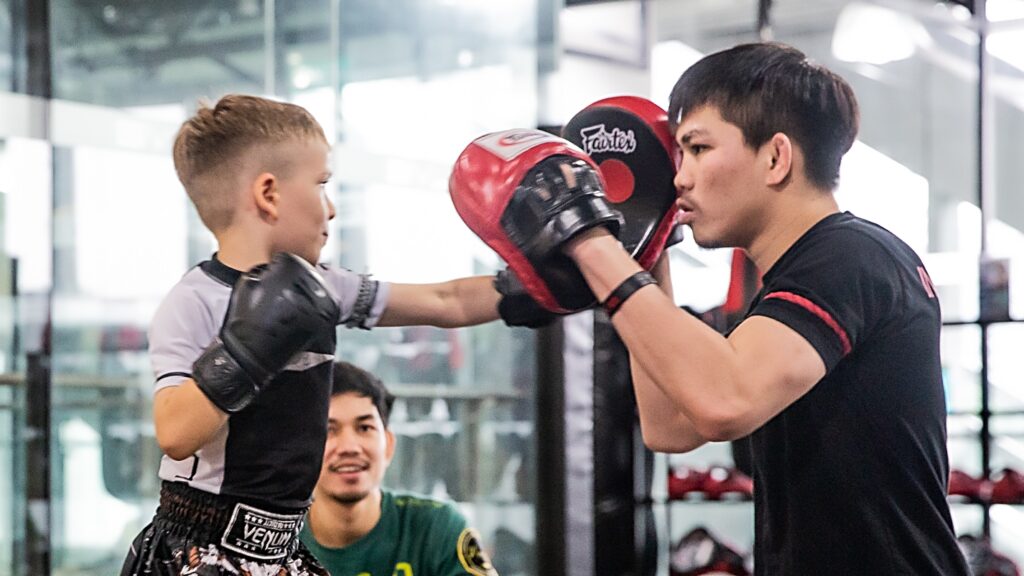
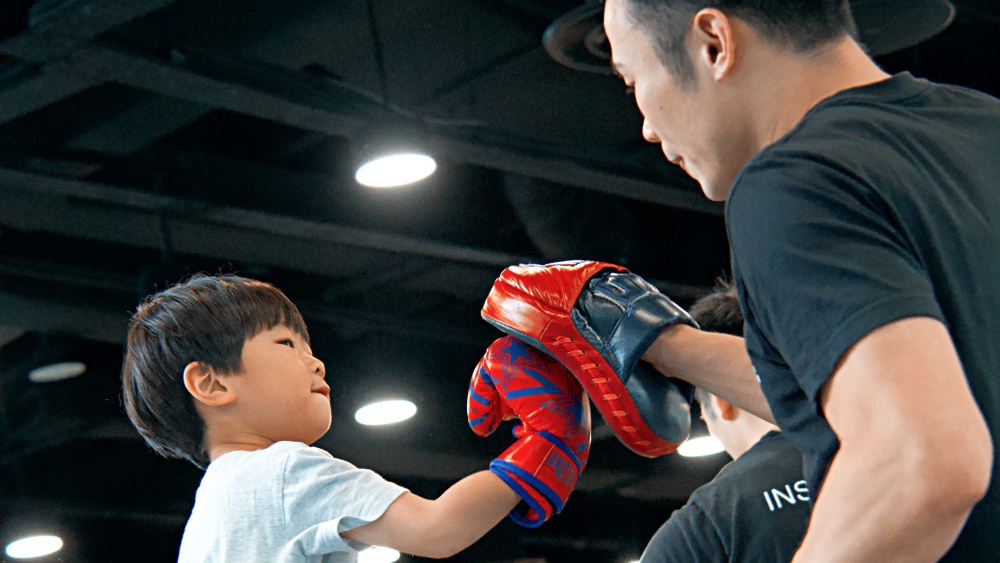
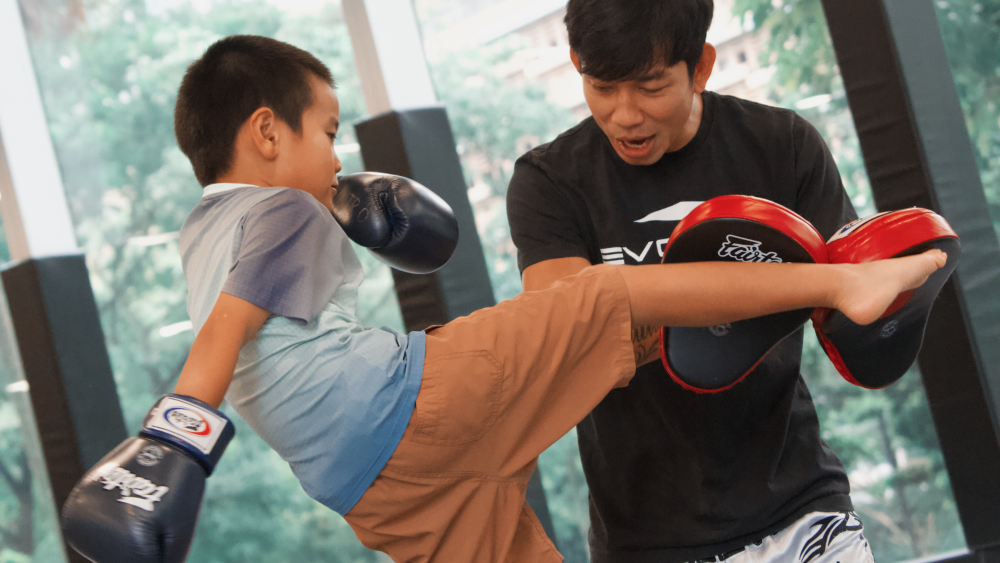
Children learn best when they are curious, engaged, and free to explore. This is exactly why play-based learning works so well in martial arts training. Instead of relying only on repetition and structure, instructors use creative games and fun drills that help kids learn naturally.
In martial arts, play is more than fun. It’s an important teaching tool that helps kids learn movement, build social interaction, and develop problem-solving in a natural and enjoyable way.
This article explores how play-based learning strengthens martial arts training for kids and why it creates a positive foundation for growth.
Key Takeaways
- Play-based learning helps children understand martial arts movements in a relaxed and engaging environment.
- Games improve coordination, focus, teamwork, and confidence without overwhelming young learners.
- Kids who learn through play often build stronger motivation and long-term enjoyment in martial arts.
1) Play Helps Kids Learn Movement More Naturally
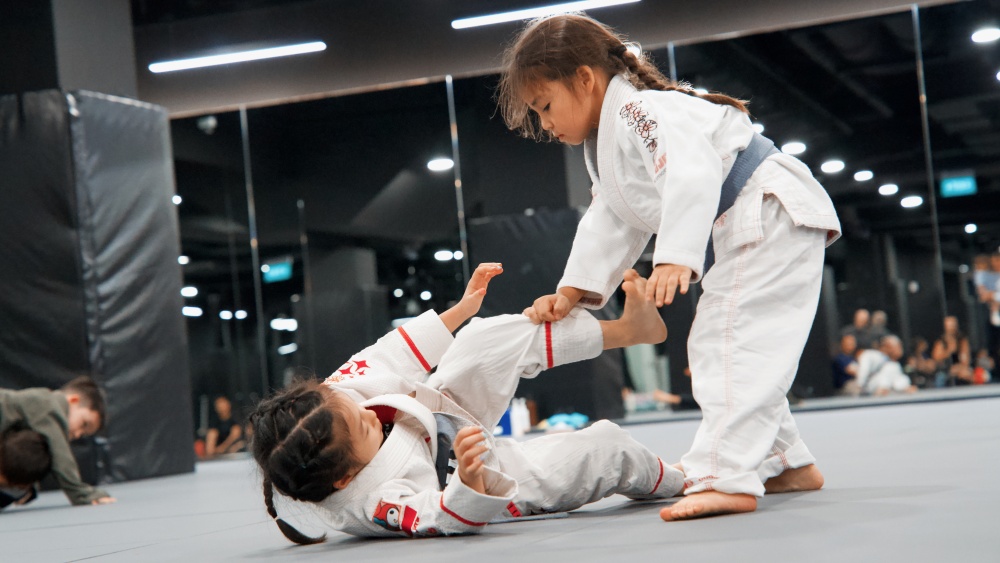
Martial arts movements like stepping, balancing, blocking, and reacting can feel technical at first. Through play, kids practice these skills without feeling pressured.
Games that involve dodging, chasing, hopping, or copying movements teach:
- Agility
- Body Coordination
- Body Awareness
- Timing
Children begin to understand how their bodies move long before formal techniques are introduced.
2) It Builds Focus Through Enjoyable Challenges
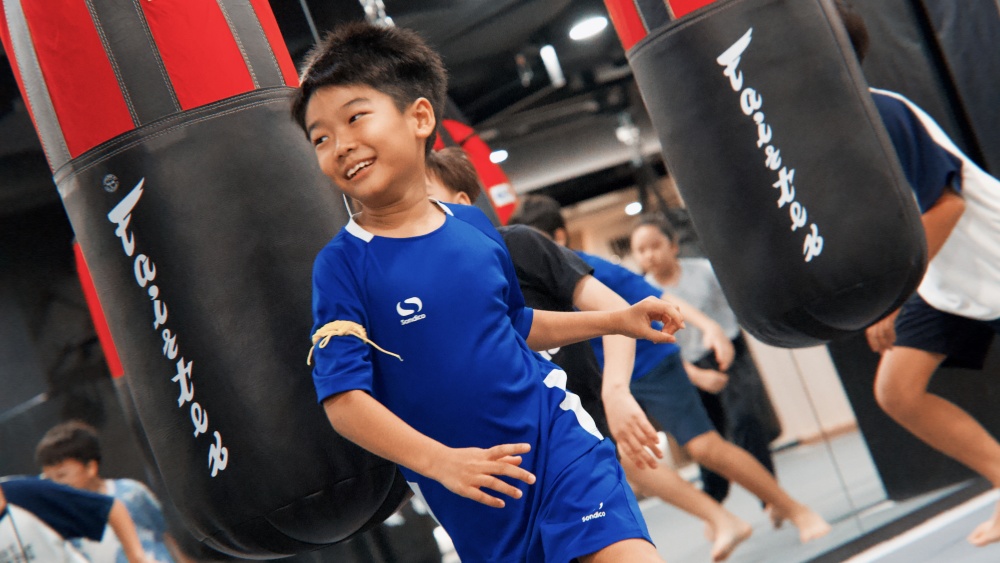
Many martial arts games require listening, reacting quickly, and following instructions. When kids focus because they want to win or complete a challenge, the skill becomes easier to develop.
Games like reaction drills, obstacle courses, or movement puzzles help children:
- Sharpens Attention
- Improves Listening
- Builds Discipline
- Stay engaged
The fun environment makes focus feel rewarding instead of demanding.
3) Play Encourages Confidence And Creativity
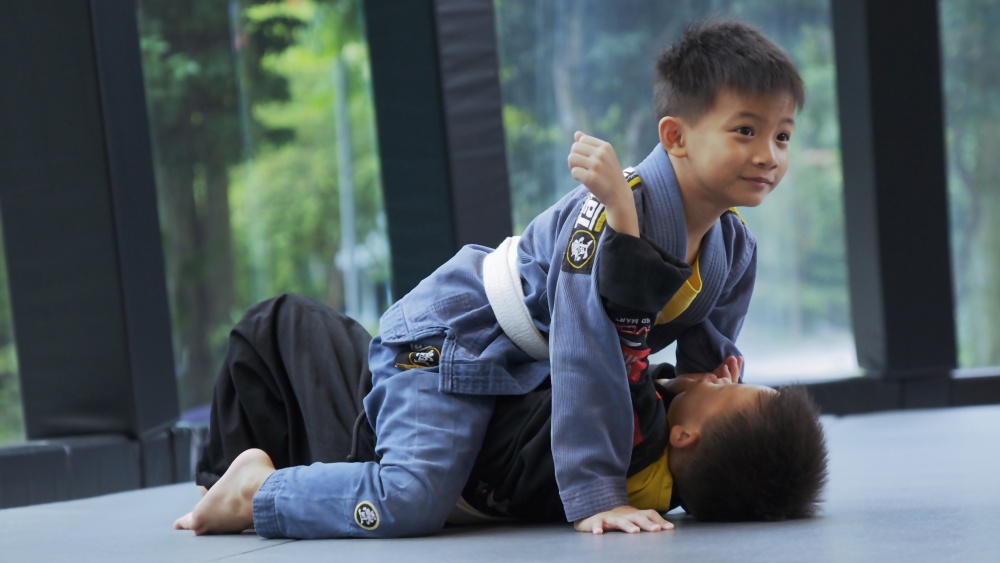
Kids feel more confident when they are free to try, explore, and express themselves. Play-based environments let them experiment with movement, adapt to challenges, and feel proud of their progress. When an activity feels fun, children naturally become braver and more willing to push themselves. This builds confidence that carries into both martial arts and daily life.
4) It Teaches Teamwork And Social Awareness
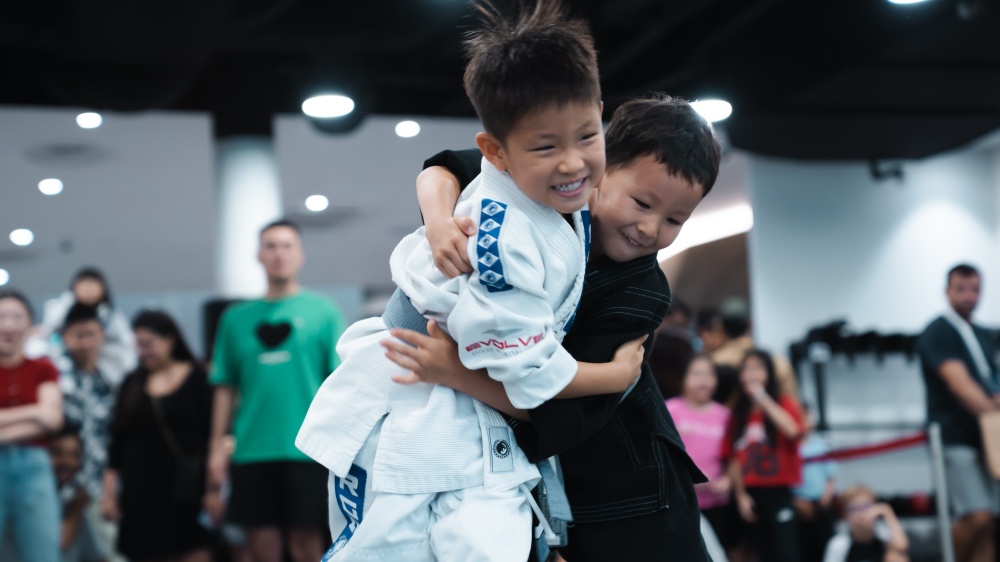
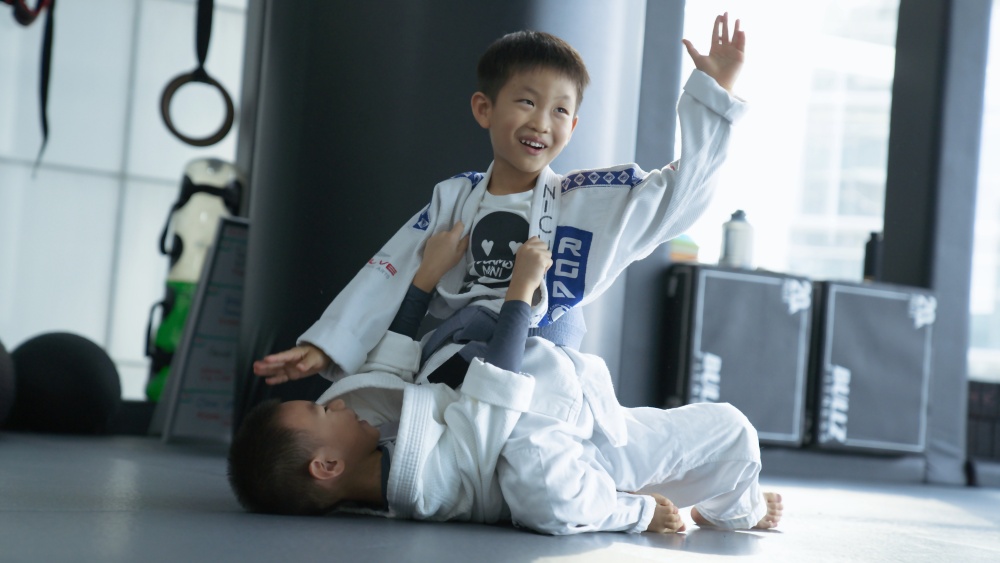
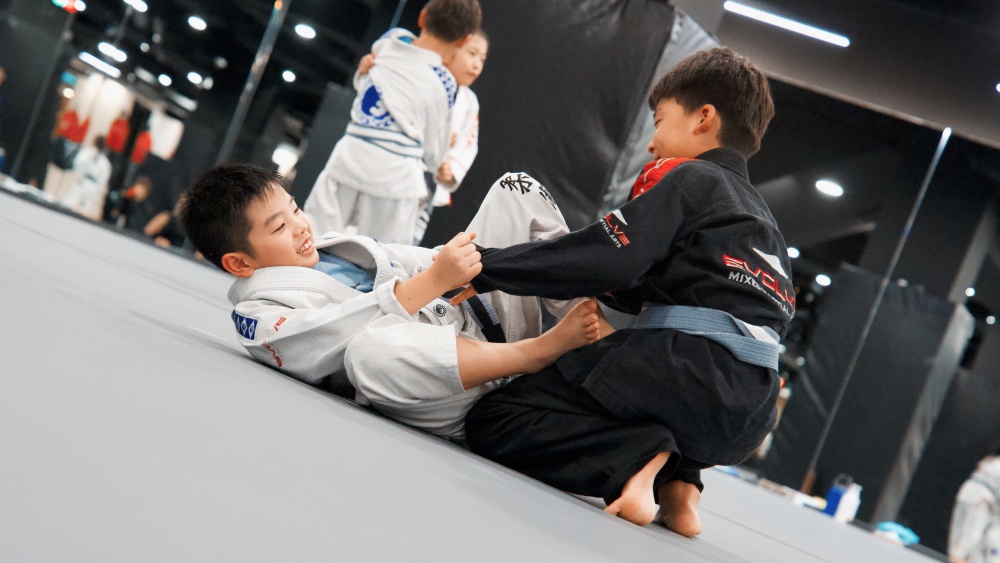
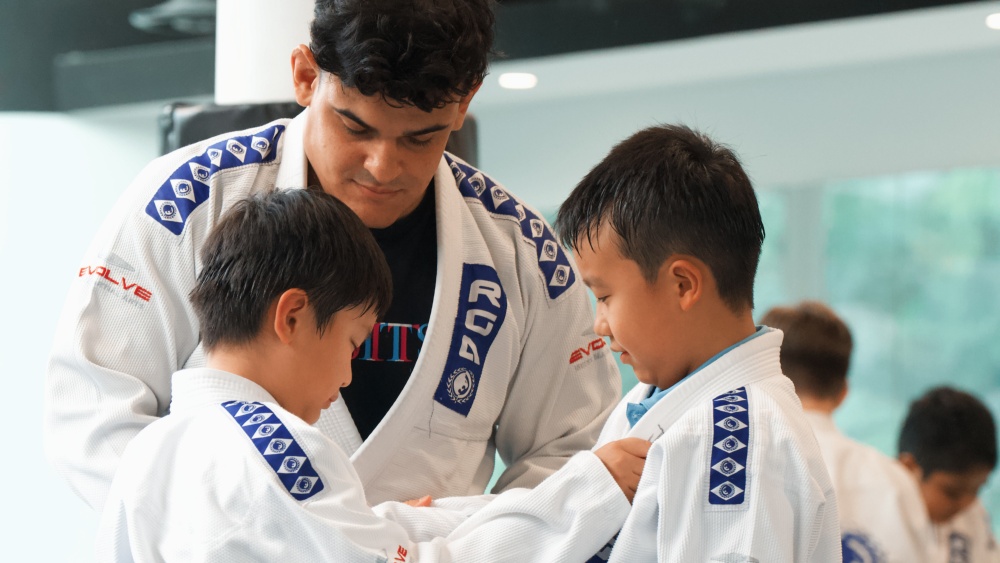
Many martial arts games involve partners or groups. These activities help kids develop cooperation through supervised partner drills. Children learn how to help teammates, cheer for others, and understand personal space. These social skills become important parts of their martial arts journey and overall emotional intelligence.
5) Play Supports Emotional Regulation
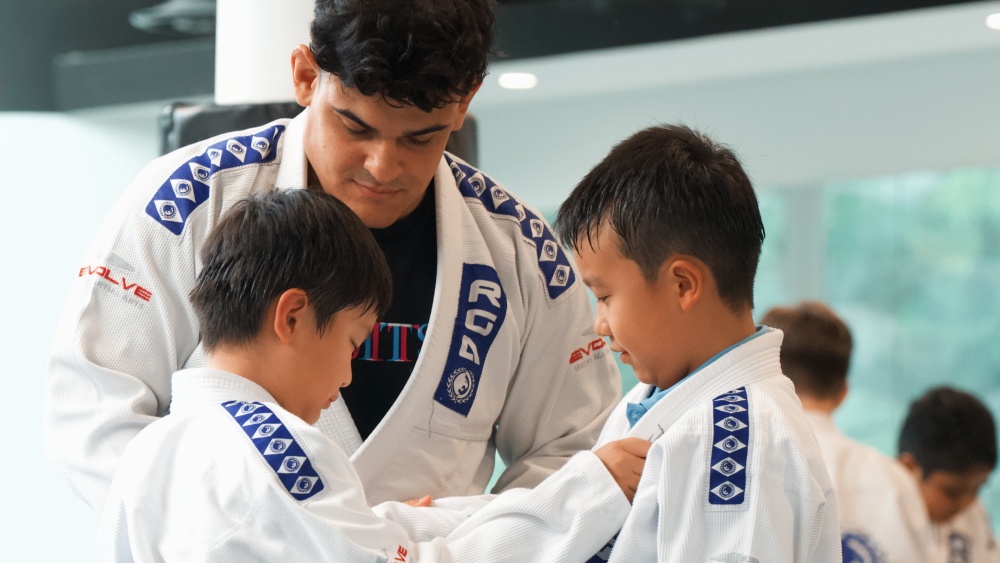
Play-based drills help kids understand emotions like excitement, frustration, and nervousness. For example, games that involve losing and trying again teach resilience.
Instructors guide children through these moments, so they learn how stay calm, reset, and communicate their feelings.
Emotional awareness strengthens a child’s ability to handle challenges both inside and outside the gym.
6) Games Make Repetition More Engaging
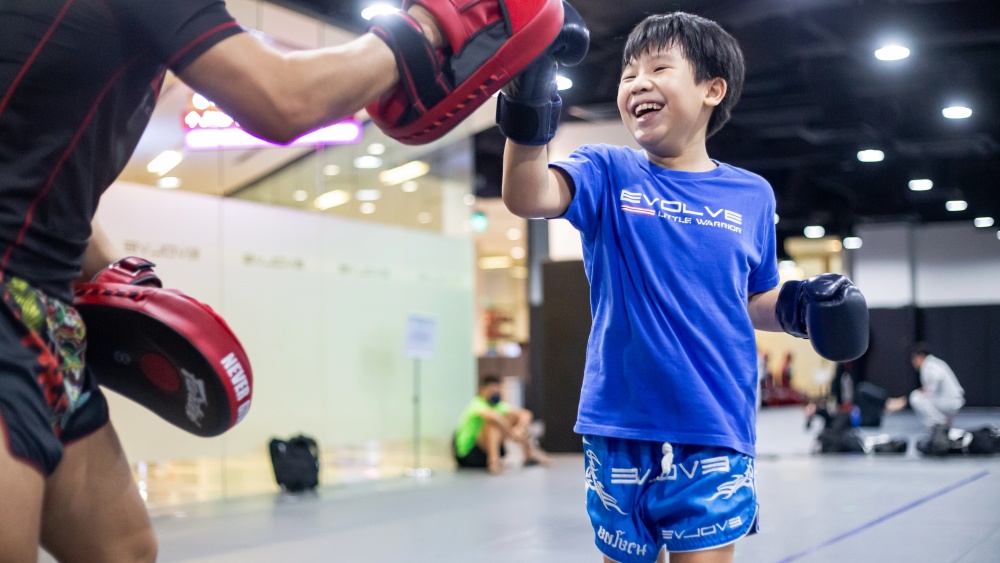
Repetition is essential in martial arts, but young kids often lose interest if drills feel too serious. Play-based training allows instructors to disguise repetition through fun challenges.
Examples include:
- Racing To Complete A Technique.
- Striking Targets In a Pattern.
- Balance Games That Teach Stance Control.
Kids practice essential movements without feeling bored or overwhelmed.
7) Play Builds Long-Term Motivation
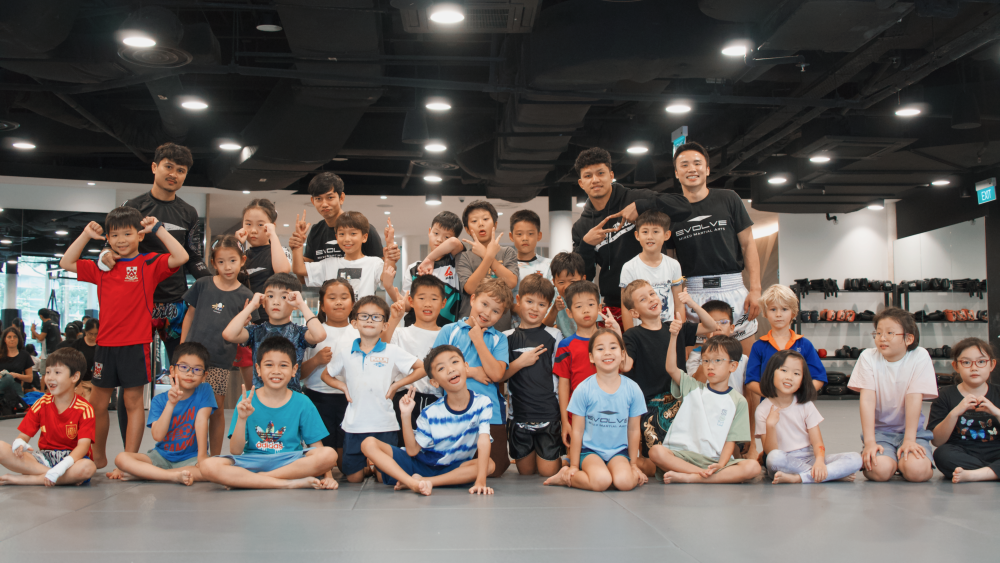
Finally, children who enjoy martial arts are more likely to stay consistent. Play-based learning builds positive associations with training, making martial arts something they look forward to each week.
This long-term motivation helps them grow steadily through each stage of development.
FAQs On Play-Based Learning And Martial Arts For Kids
Q: Is Play-Based Learning Suitable For All Ages?
A: It is especially effective for younger children, but playful drills can benefit kids of many age groups, depending on how they are designed.
Q: Does Play-Based Learning Affect Technical Progress?
A: It supports it. Kids who enjoy training learn techniques faster because they feel confident and engaged.
Q: Are Martial Art Games Safe For Kids?
A: Absolutely. Activities are designed with age-appropriate movements and are always supervised by trained instructors.
Q: Why Is Play Important In Martial Arts Compared To Other Sports?
A: Martial arts require coordination, emotional control, and body awareness. Play helps children develop these foundations before more complex techniques are introduced.
Let Your Child Experience Play-Based Learning Through Martial Arts Today!
Play-based learning transforms martial arts into an enjoyable and meaningful experience for children. It builds confidence, emotional awareness, coordination, and curiosity while keeping training fun and engaging.
With the right balance of structure and creativity, play helps kids grow not only as young martial artists but also as confident and resilient individuals in their daily lives.
If you want your child to grow through movement, learn emotional skills, and build confidence in a supportive environment, martial arts is a great place to begin. At Evolve MMA, every kids’ class blends structured learning with playful drills that help young students stay motivated and excited!
Book your complimentary trial class with our World Champions below!
If you have any other questions regarding Evolve MMA and the programs we offer, you can get in touch with our membership executives at the following locations:
Evolve MMA (CBD)
18 Cross St
#B1-08
Singapore 048423
Phone: (65) 6536 4525
Evolve MMA (Orchard Central)
181 Orchard Road
#06-01 Orchard Central
Singapore 238896
Phone: (65) 6536 4556
Evolve MMA (KINEX)
11 Tanjong Katong Road
#02-52 KINEX
Singapore 437157
Phone: (65) 6288 2293
Evolve MMA (Star Vista)
1 Vista Exchange Green
#02-26A The Star Vista
Singapore 138617