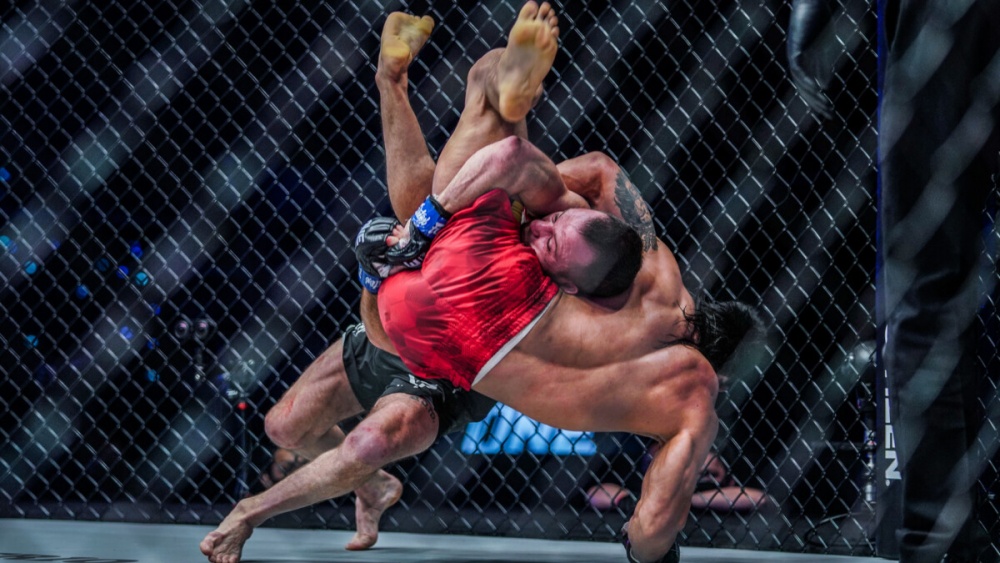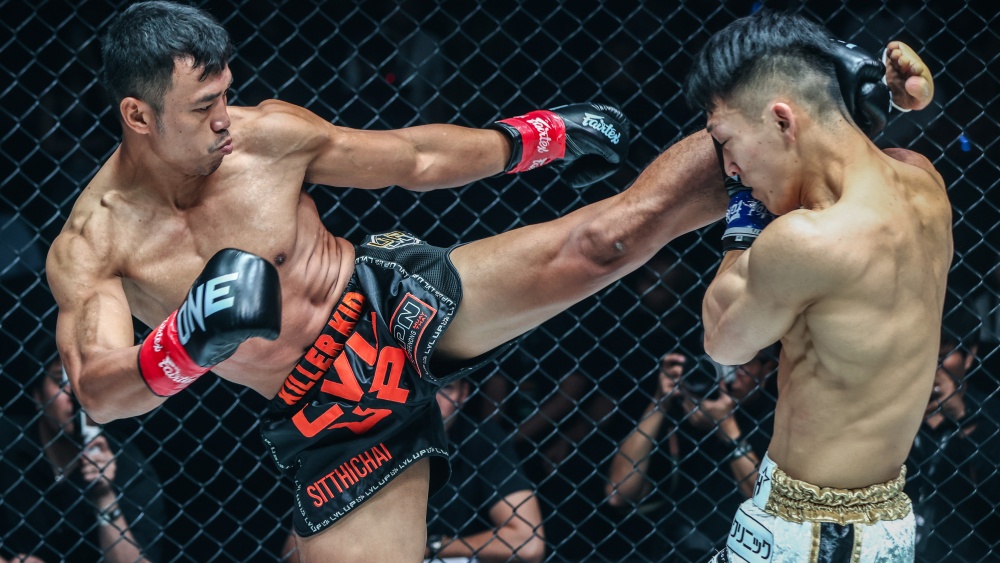
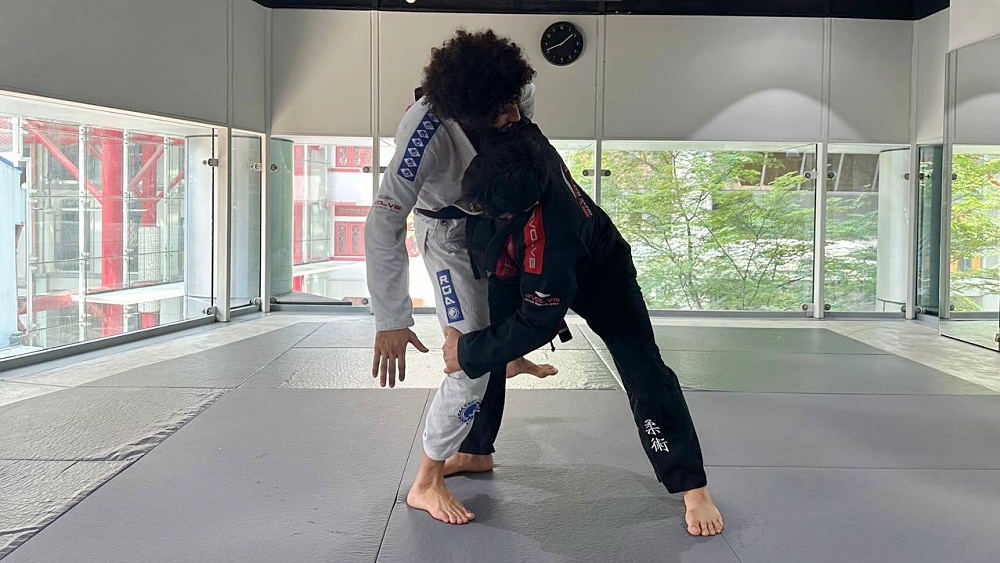
There’s a saying in grappling circles: “Whoever gets the underhook, gets the win.” It might sound dramatic, but spend enough time rolling, and you’ll start to realize it’s not far off. The underhook is one of the most powerful yet overlooked tools in Brazilian Jiu-Jitsu, wrestling, and MMA. It’s not flashy. It doesn’t get highlight reels. But it quietly dictates who controls the fight.
Let’s break it down, not just what the underhook is, but why it matters in so many key positions.
What Is An Underhook?
In the simplest terms, an underhook is when your arm goes underneath your opponent’s arm and wraps around their back or torso. That may not sound like much, but it gives you leverage, access to their hips, and the ability to control their posture and balance. In a sport where inches matter, the underhook can tilt the whole game.
The Underhook As Your Lifeline In The Half Guard
If you’re playing bottom half guard without an underhook, you’re likely getting flattened and passed.
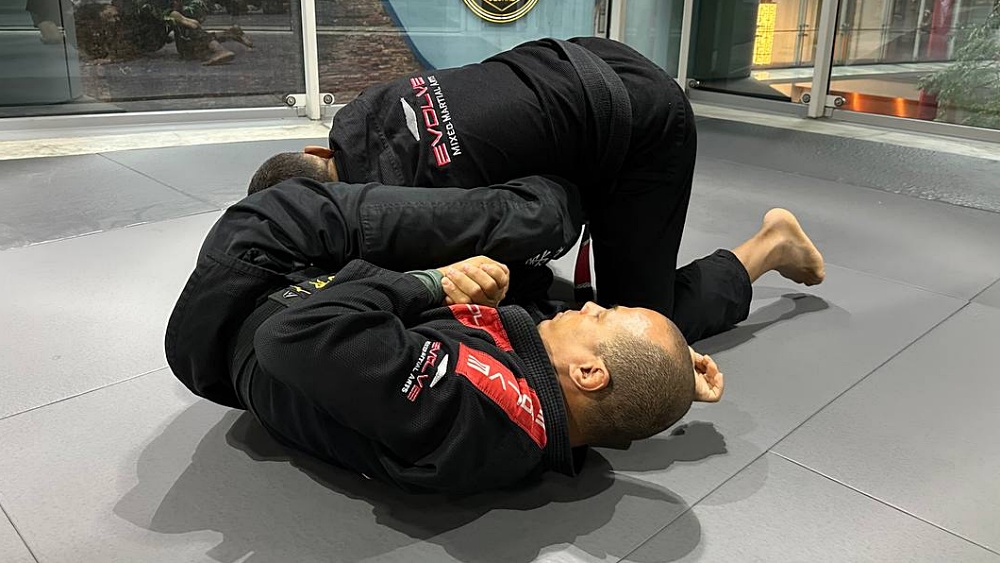
The underhook allows you to get onto your side, start coming up on a single leg, and build toward sweeps like the dogfight, old-school, or back takes. It creates elevation. It forces your opponent to adjust. Without it, you’re stuck trying to make something happen while pinned under their weight.
In fact, many modern BJJ players build entire half guard systems around just one principle: get the underhook first, and the rest will follow.
Utilizing The Underhook And The Butterfly Guard To Steer Fights
Using the Butterfly guard is all about angles, leverage, and momentum. And guess what opens the door to all three? The underhook.
From the underhook, you can elevate your opponent, shift their weight, and enter into sweeps like the underhook butterfly sweep, single-leg X transitions, or even switch to leg entanglements. It’s also a safe base for wrestling up into single legs or forcing your opponent into defensive posture.
Using the butterfly guard with and without an underhook, and you’ll instantly feel the difference. One version feels like steering a ship. The other feels like bailing water with your bare hands.
Side Control: Top Pressure, Bottom Escape
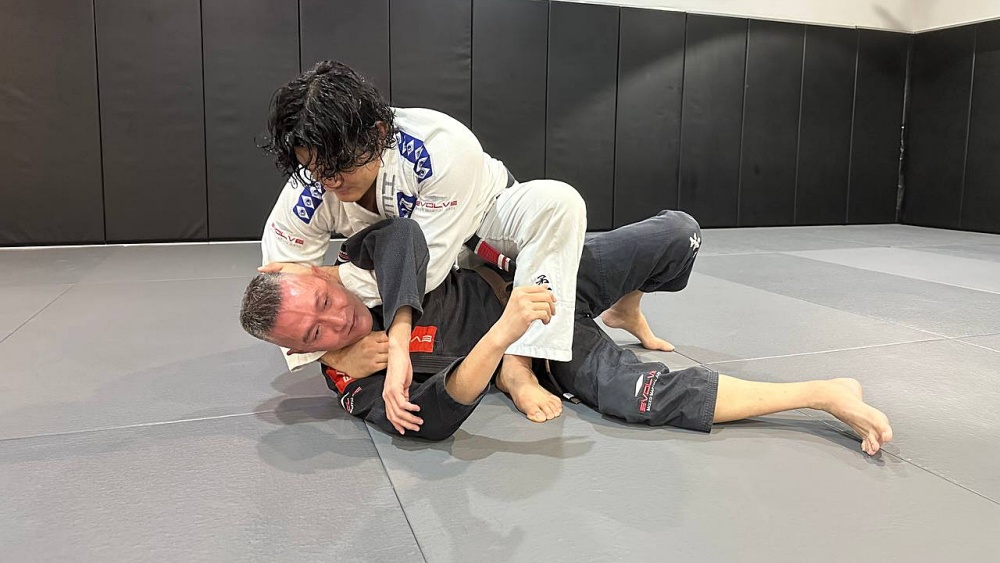
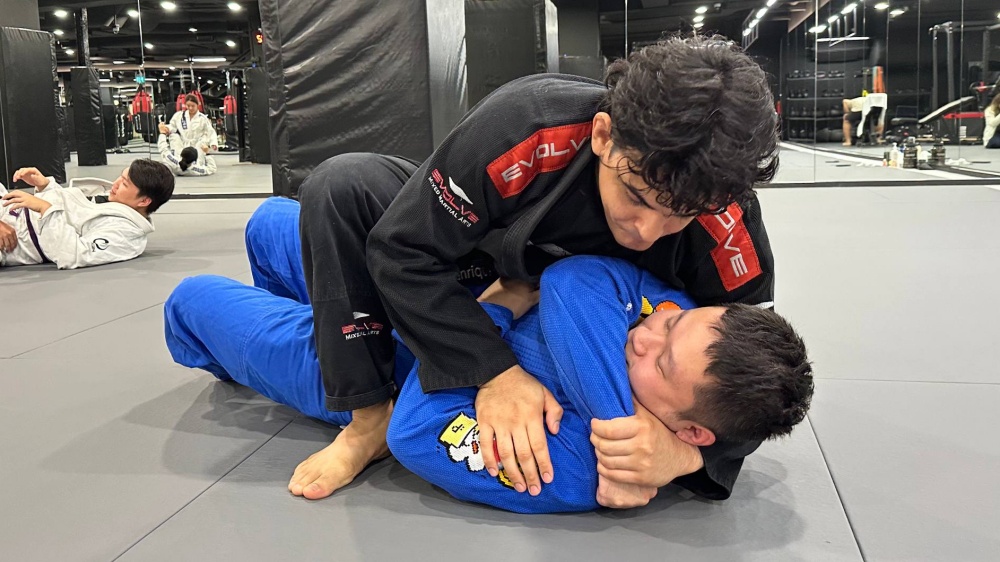
On top, an underhook from the side control is how you shut people down. It keeps their near-side shoulder pinned and kills any meaningful hip movement. You can isolate an arm, flatten them out, or set up transitions to mount or north-south.
But from the bottom side control, you want that underhook back. Why? Because it’s your way out. Once you dig an underhook and get to your side, you can start escaping to your knees, hitting sit-ups, or regaining guard. No underhook? You’re probably getting shoulder-smashed and breathing through one lung.
The battle for the underhook in side control is often silent, but it’s the key to either stabilizing or escaping the position.
The Underhook For Takedowns Setups
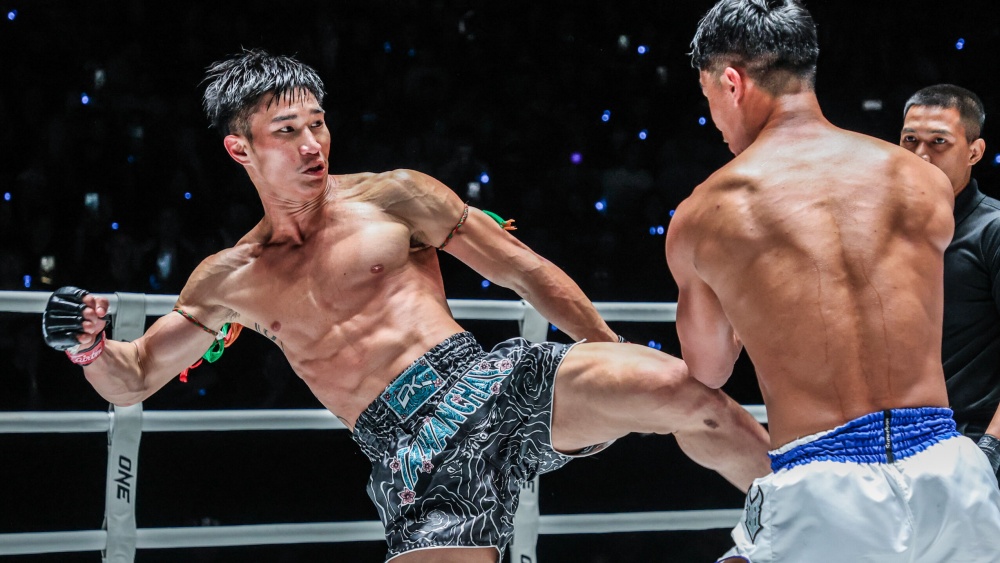
In wrestling and MMA, the underhook is gold. A strong underhook can shut down your opponent’s shot attempts while setting up your own entries, think outside trip, single leg, or body lock.
It’s also a grip that lets you feel what your opponent is planning. You’ll sense their posture shift before they shoot. You’ll feel the pressure build before they rotate. In close quarters, the underhook isn’t just a handle, it’s also a sensor.
And when you pair it with head position? That’s when the magic really happens.
Why It Works So Well
The underhook works because it gives you inside control, and inside control wins grappling exchanges. It puts you closer to your opponent’s center of gravity while forcing them to operate from the outside, with less leverage and fewer options.
It’s also incredibly versatile. Offensive or defensive. Gi or No-Gi. Top or bottom. Takedown or guard recovery. You’ll find the underhook showing up again and again. That’s why it’s not just a technique. It’s a habit, a mindset and a valuable principle.
How To Train It (Without Forcing It)
While there are various ways to train the underhook, for simplicity sake, we’ll go through just a few fundamental ways to train it:
- During rolls, make it a goal to establish at least one dominant underhook per round, don’t chase submissions until you do. This also drills the purpose of intentional movements.
- Start positional sparring from underhook battles: half guard, dogfight, pummel drills.
- When watching competition footage, track underhooks. Notice who gets them first, and how often that leads to dominant positions.
It’s not about muscling it in. It’s about timing, angles, and body positioning. When the underhook feels effortless, that’s when it’s working.
Final Thought
In grappling, the smallest things often decide the biggest outcomes. The underhook is one of those things. It won’t make headlines, but it will win rounds, control positions, and open the door to your best attacks. So the next time you’re stuck in half guard or trying to pass, ask yourself: Who has the underhook? If the answer isn’t you, then perhaps it’s time to change that.
You may also like: