Summary
Martial arts training is not only about building strength or preparing for competition. It is also a journey toward inner calm. Through movement, controlled breathing, and focus, martial arts help reduce stress, improve mindfulness, and bring clarity to the mind.
In a world where everything moves quickly, being calm can feel impossible. Many people turn to meditation, exercise, or wellness retreats to clear their minds, but few realize that martial arts offer a similar sense of peace through motion.
Beyond physical strength, martial arts teach focus, patience, and control. Each technique requires attention to breathing, timing, and awareness, the same qualities that anchor calmness in the mind. Through consistent practice, students discover that martial arts are not only about fighting external battles but also about finding peace within themselves.
The Connection Between Movement And Mindfulness
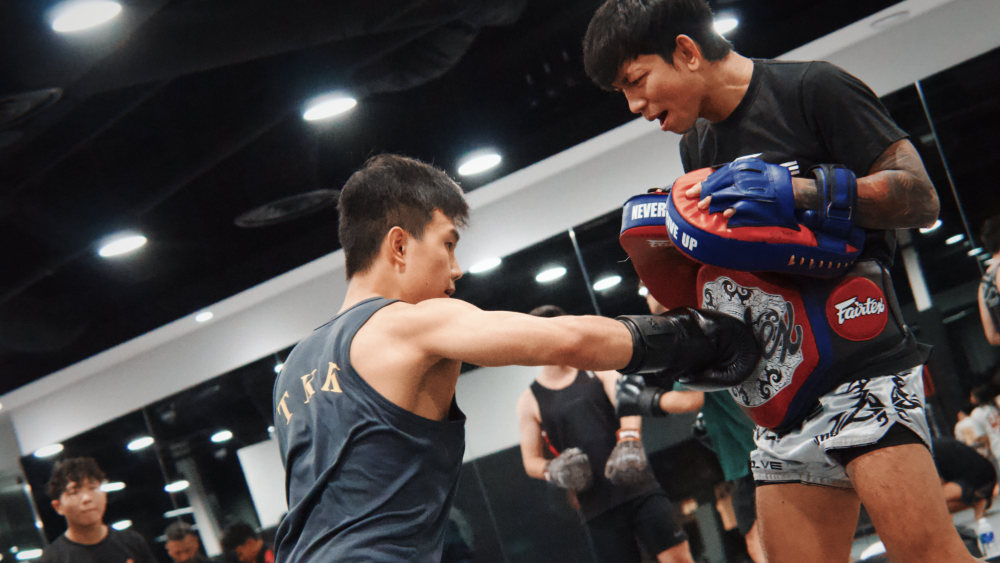
Martial arts connect the body and mind in a way few other activities can. Every punch, kick, or defensive move demands presence and intention. When you train, distractions fade away because your full attention rests on the rhythm of movement.
This level of focus is what mindfulness truly means. Instead of letting thoughts wander, practitioners stay grounded in the present moment. Over time, this habit extends beyond the gym. Daily worries become easier to manage, and stressful moments feel less overwhelming.
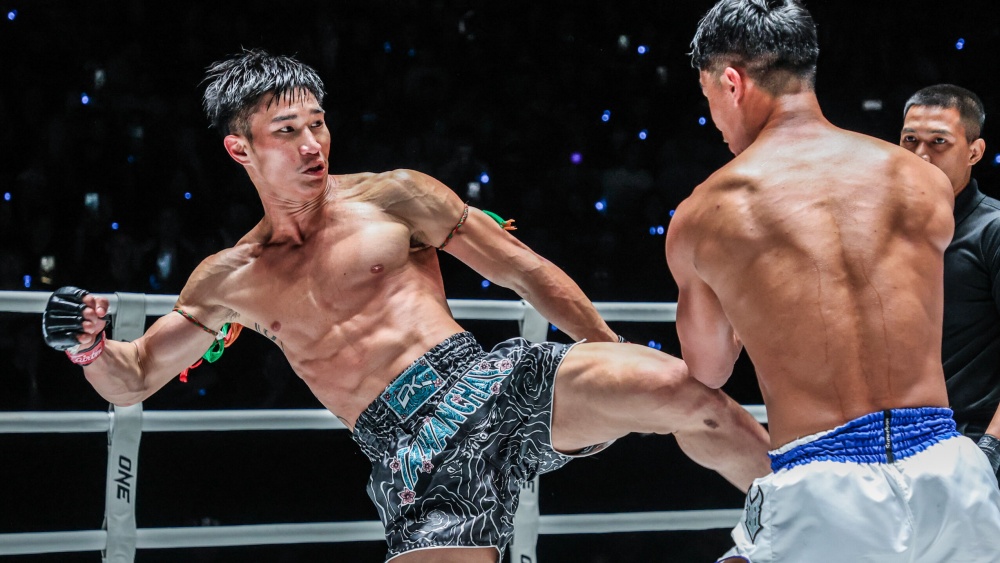
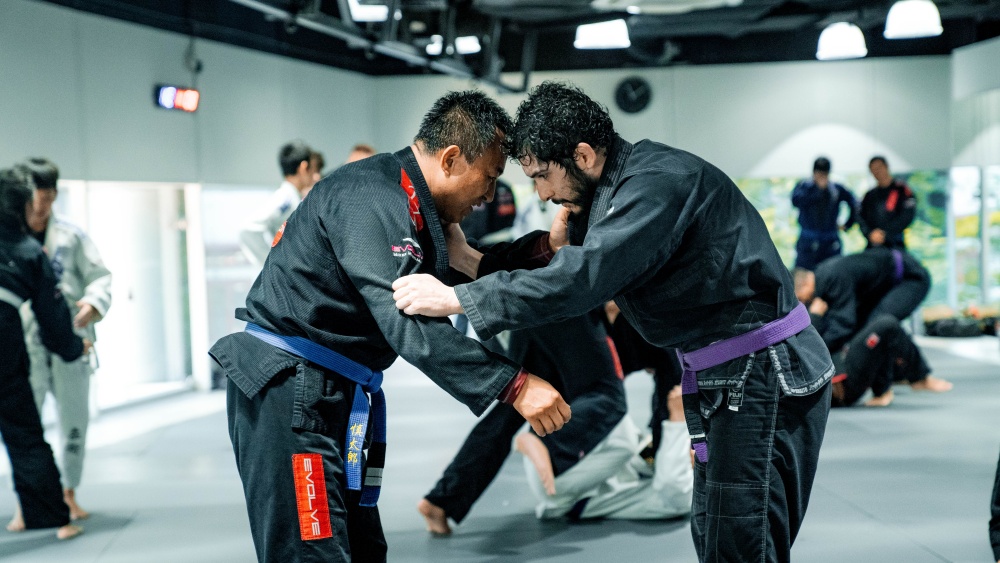
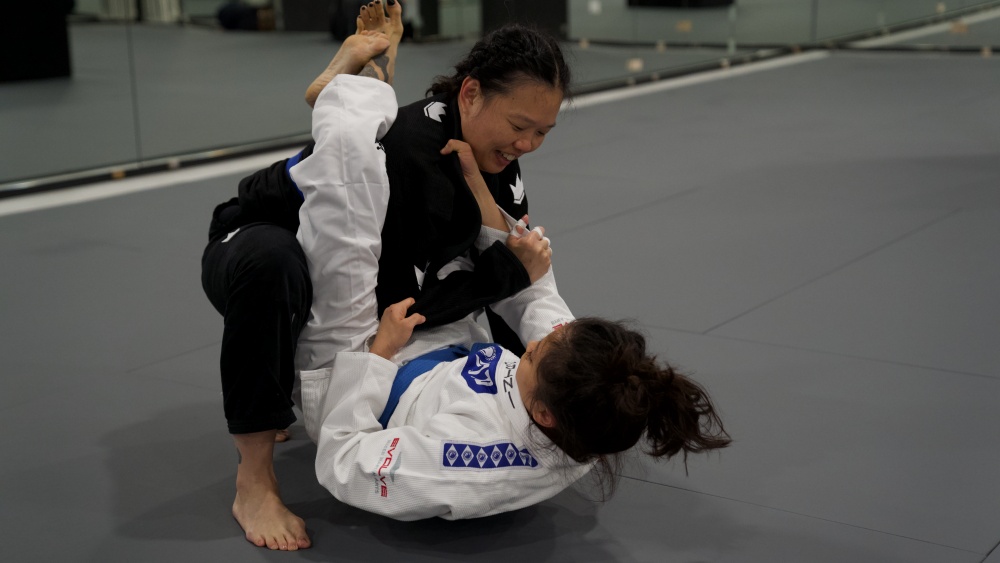
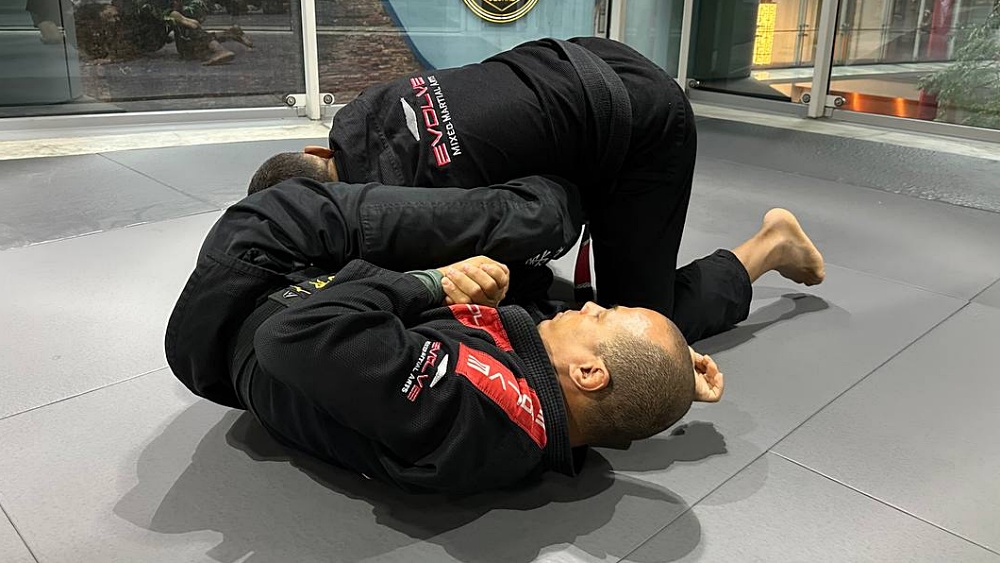
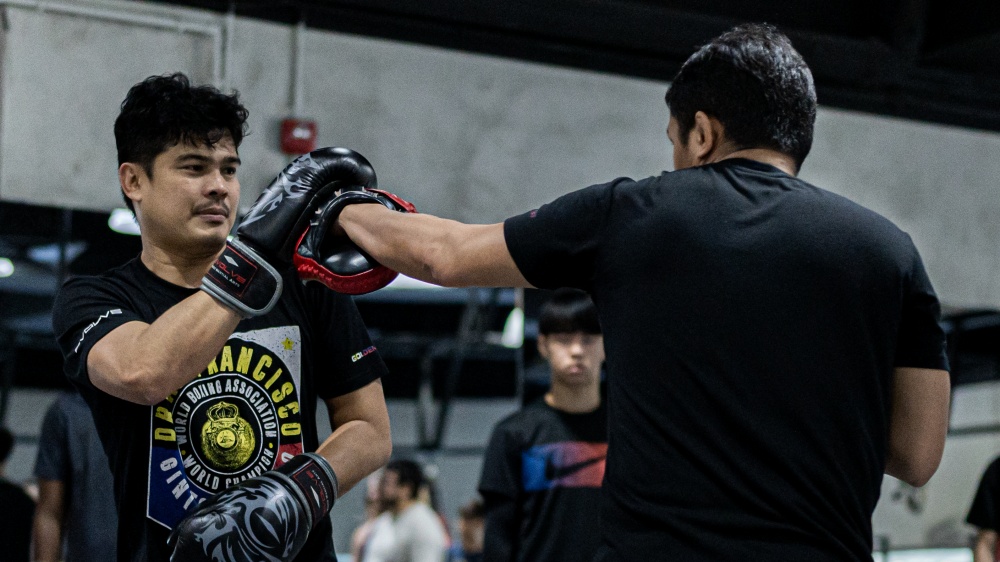
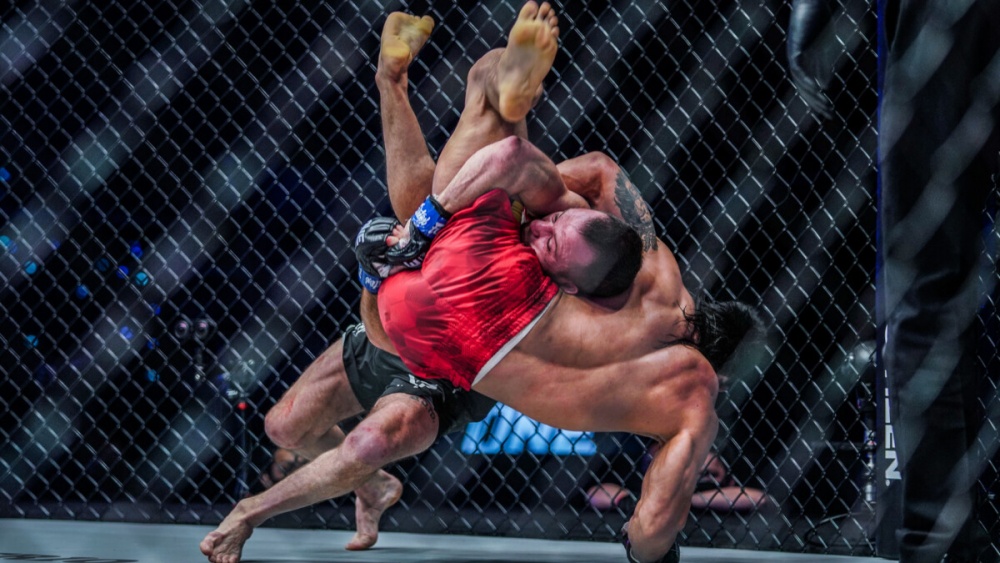
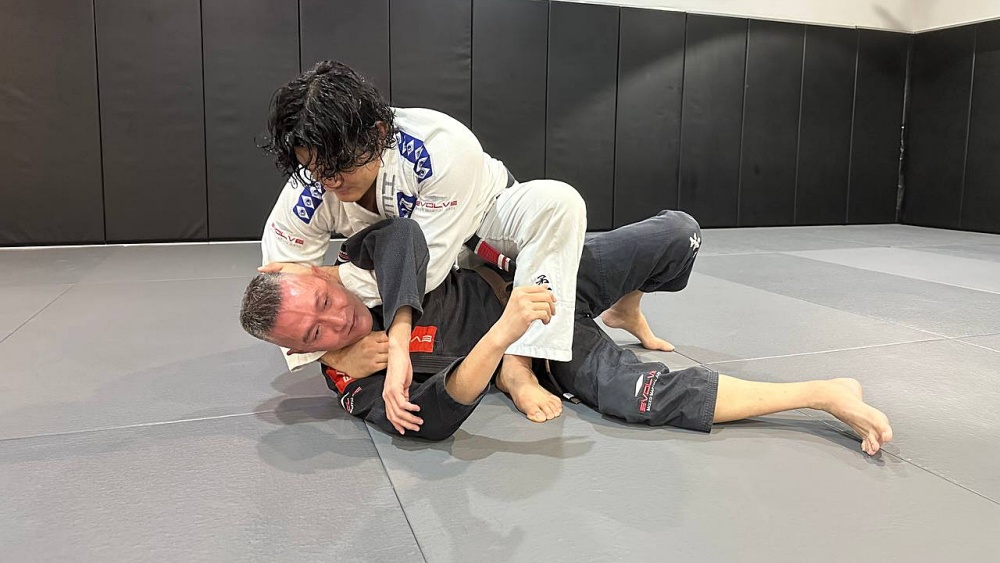
In many traditional styles, such as Muay Thai or Brazilian Jiu-Jitsu, calmness under pressure is vital. Whether sparring or drilling, staying relaxed allows better reactions, sharper thinking, and smarter decisions, all of which mirror how calmness helps in life outside training.
Stress Relief Through Controlled Breathing
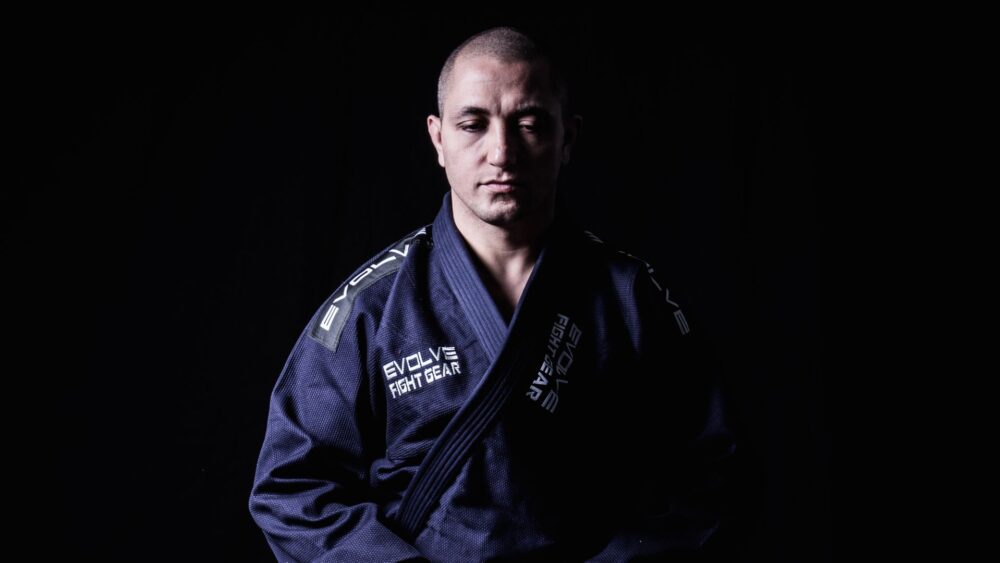
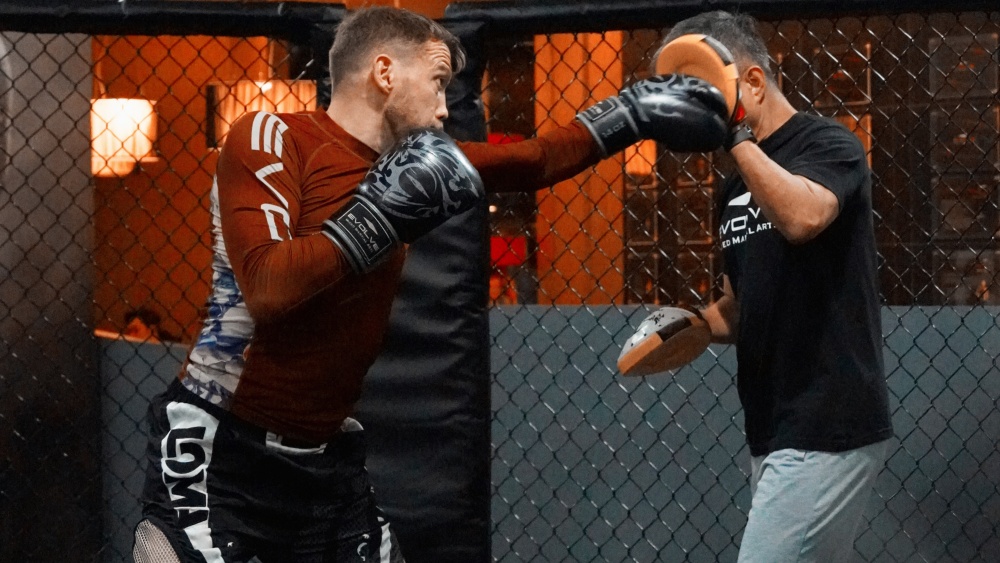
Breathing is the bridge between motion and calm. In martial arts, proper breathing helps regulate energy and maintain composure. During high-intensity drills, fighters learn to breathe steadily, even when under pressure.
This same control applies when facing stress in everyday life. Deep, rhythmic breathing lowers the heart rate and reduces anxiety. Many students find that after a class, they feel mentally lighter and more centered. The physical exertion clears built-up tension, and the breathing rhythm restores clarity.
By focusing on each inhale and exhale during training, martial artists naturally adopt a form of active meditation, one that strengthens both body and mind.
Calmness Through Discipline And Routine
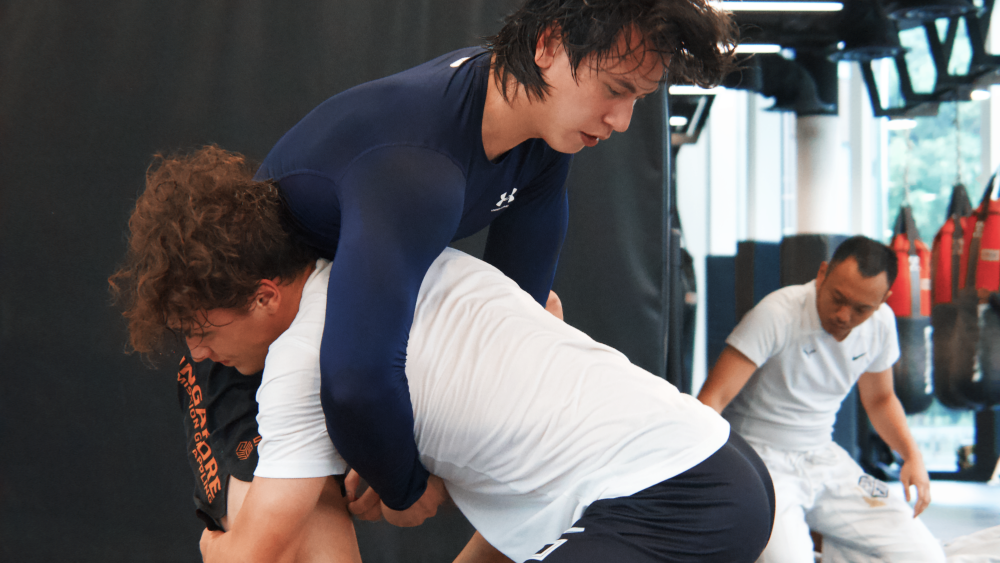
Calmness often comes from structure. Martial arts provide exactly that through consistent training schedules, clear goals, and disciplined practice. Showing up regularly teaches responsibility and self-control, two key ingredients in emotional balance.
Students also learn that growth takes time. Instead of chasing instant results, martial arts encourage steady improvement. This mindset helps calm the impatience and frustration that often come with modern life.
The repetitive nature of drills and forms becomes meditative over time. Each movement becomes familiar, comforting, and grounding, turning the gym into a peaceful space where stress fades away.
Building Emotional Control
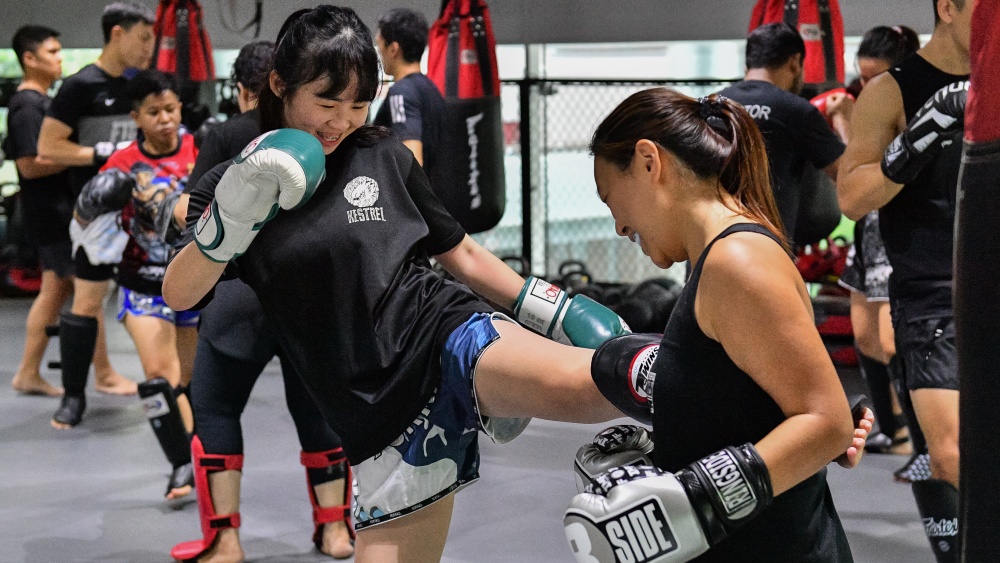
One of the greatest lessons martial arts teach is emotional regulation. Training puts students in situations that mimic real stress: sparring, fatigue, or losing balance. The difference is that these moments happen in a safe and controlled environment.
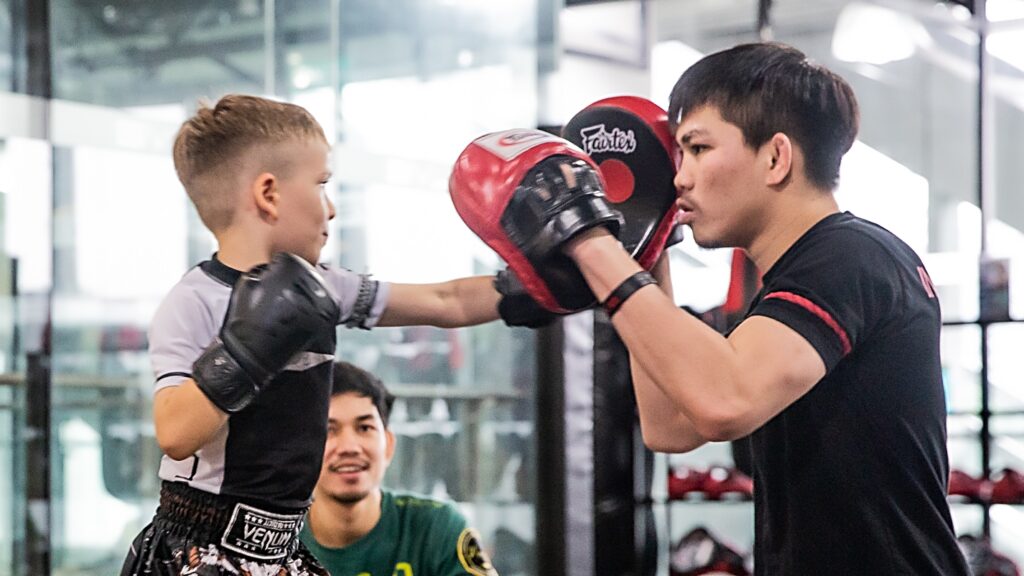
Through practice, both kids and adults learn how to stay composed under pressure. They learn to respond rather than react. This skill translates directly into daily life, whether it’s handling difficult conversations, managing work pressure, or dealing with setbacks calmly instead of emotionally.
True calm is not about avoiding challenges. It is about learning to move through them with confidence, and martial arts provide that training every day.
The Role Of Community And Support
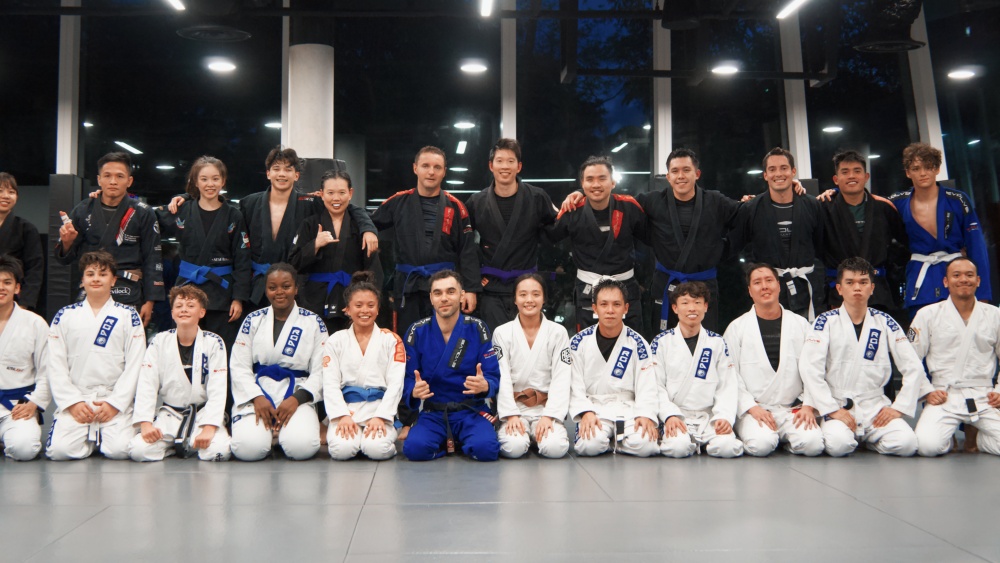
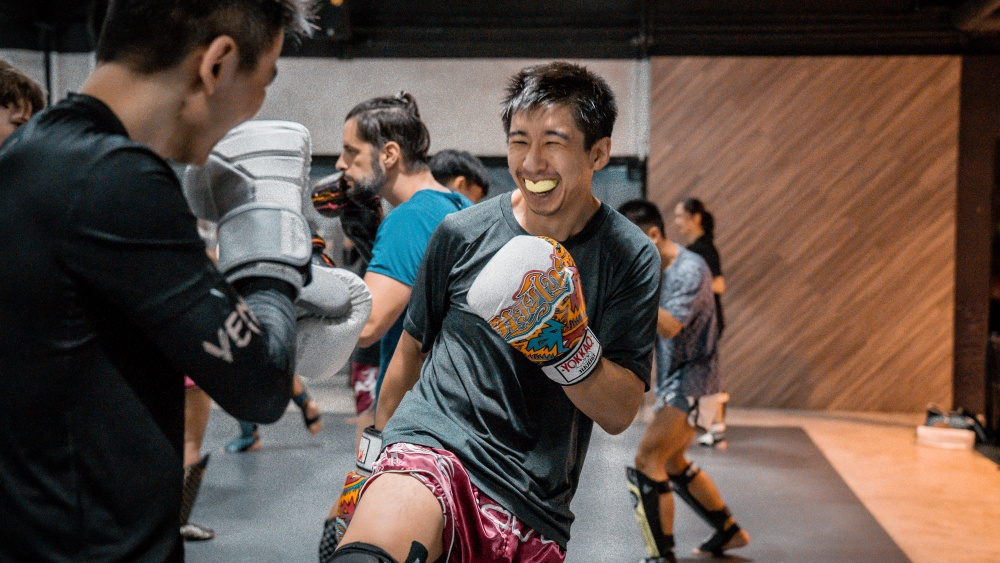
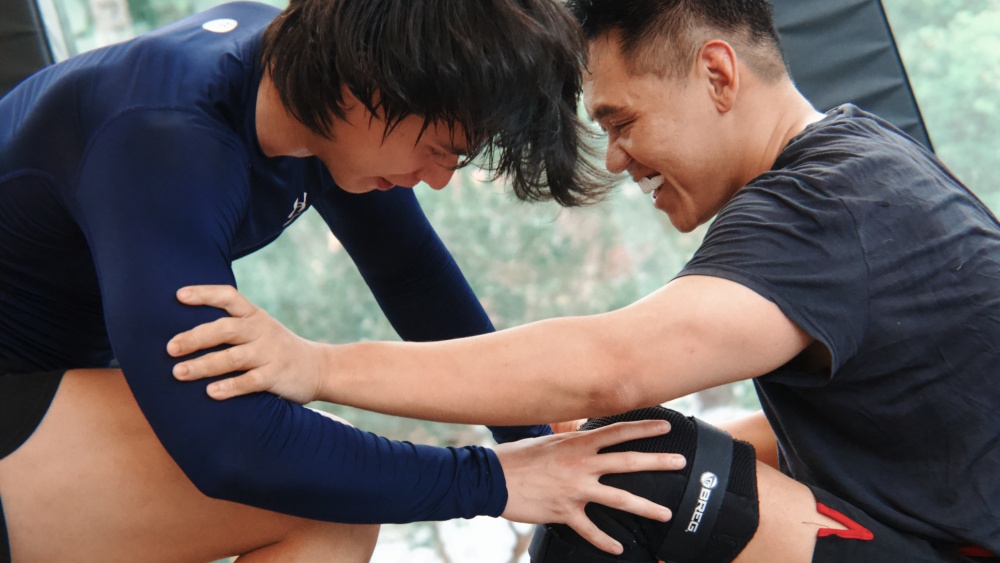
Calmness does not grow in isolation. Martial arts gyms are often built around strong communities where respect and encouragement are part of the culture. Training alongside supportive peers and coaches creates an environment where students can decompress, connect, and recharge.
This sense of belonging is deeply calming. It reminds students that they are part of something greater than themselves. The shared discipline and energy in a martial arts class often have everyone feeling more grounded and motivated—a powerful antidote to the stress of daily routines.
FAQs About Martial Arts
Q: Can Martial Arts Really Help Reduce Stress?
A: Yes. Martial arts combine physical exercise, controlled breathing, and mindfulness, which naturally reduce stress and promote mental calmness.
Q: Which Martial Art Is Best For Relaxation?
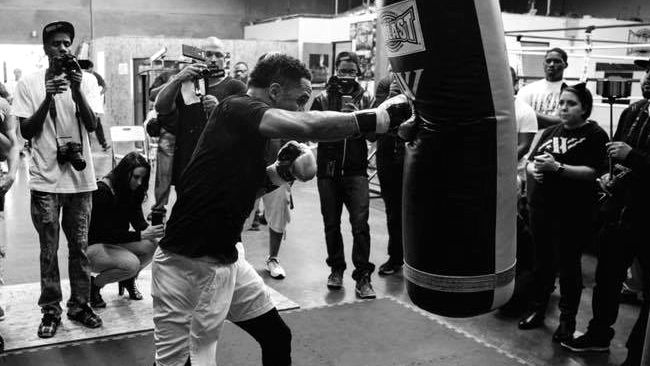
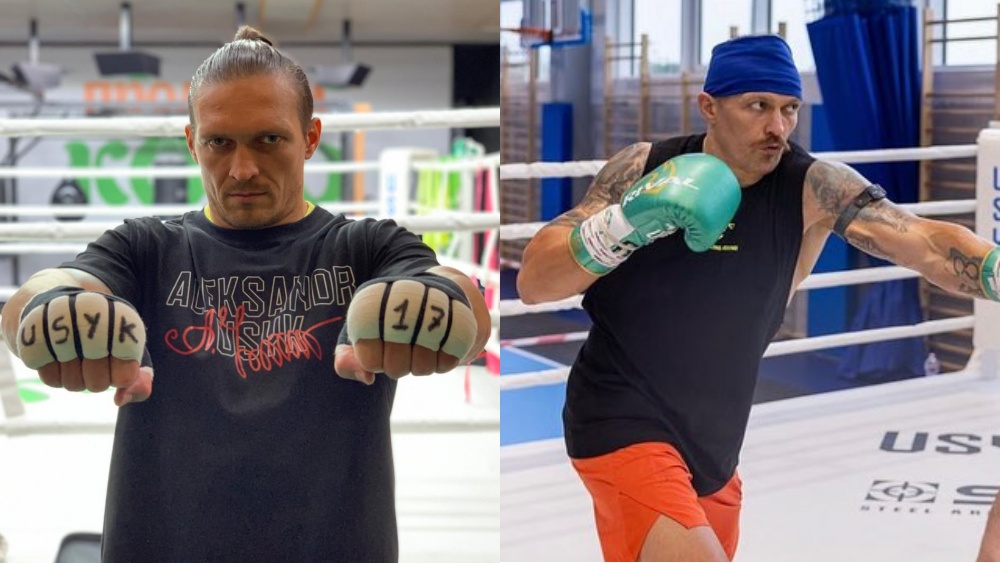
A: Any form of martial arts can promote calm. Some modern disciplines like Brazilian Jiu-Jitsu, Muay Thai, and even traditional styles like boxing work well for beginners.
Q: How Often Should I Train To Feel Calmer?
A: Even two to three sessions a week can make a noticeable difference in mood and focus. Consistency is more important than duration.
Q: Do I Need To Be Fit To Start Martial Arts For Stress Relief?
A: Not at all. Martial arts are adaptable to all fitness levels. Beginners can start slow and progress at their own pace while still enjoying the calming benefits.
Q: Can Kids Benefit From Martial Arts For Calmness Too?
A: Absolutely. Martial arts teach children discipline, focus, and patience, helping them handle emotions and challenges with confidence.
Finding Your Calm In Martial Arts
Finding calm in today’s world requires more than slowing down; it requires learning intentional control, balance, and focus. Martial arts deliver all of these through disciplined movement, mindful breathing, and emotional strength.
Each session becomes a reset button for the mind, clearing away distractions and stress. Over time, that same sense of calm follows practitioners beyond the gym, shaping how they think, act, and respond to life.
Whether you are looking to relieve stress, improve focus, or finding your calm through movement, our programs are designed for all experience levels. Join a trial class today and discover how martial arts can help you find peace, clarity, and balance in every part of your life!
Book your complimentary trial class with our World Champions below!
If you have any other questions regarding Evolve MMA and the programs we offer, you can get in touch with our membership executives at the following locations:
Evolve MMA (CBD)
18 Cross St
#B1-08
Singapore 048423
Phone: (65) 6536 4525
Evolve MMA (Orchard Central)
181 Orchard Road
#06-01 Orchard Central
Singapore 238896
Phone: (65) 6536 4556
Evolve MMA (KINEX)
11 Tanjong Katong Road
#02-52 KINEX
Singapore 437157
Phone: (65) 6288 2293
Evolve MMA (Star Vista)
1 Vista Exchange Green
#02-26A The Star Vista
Singapore 138617
Phone: (65) 6539 9590