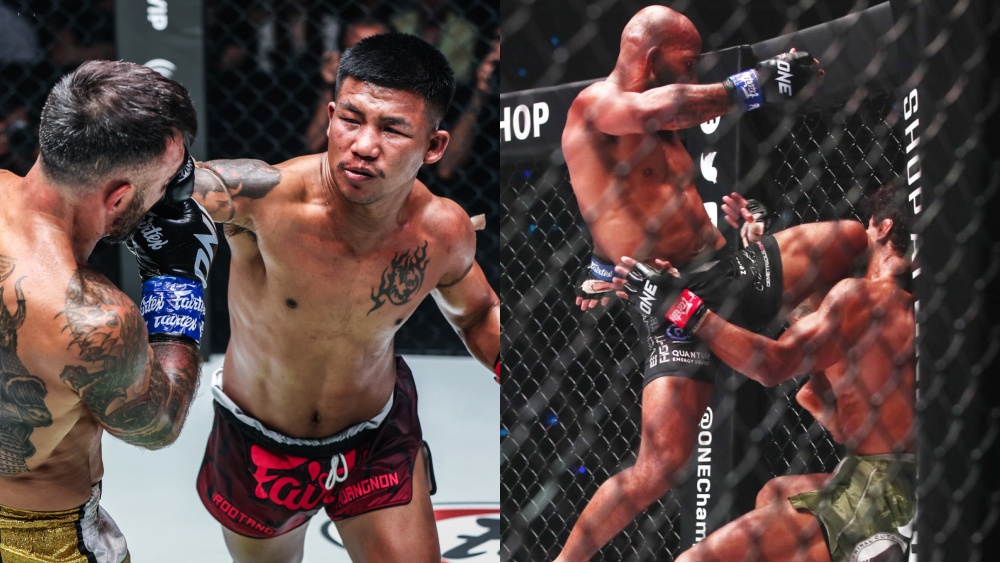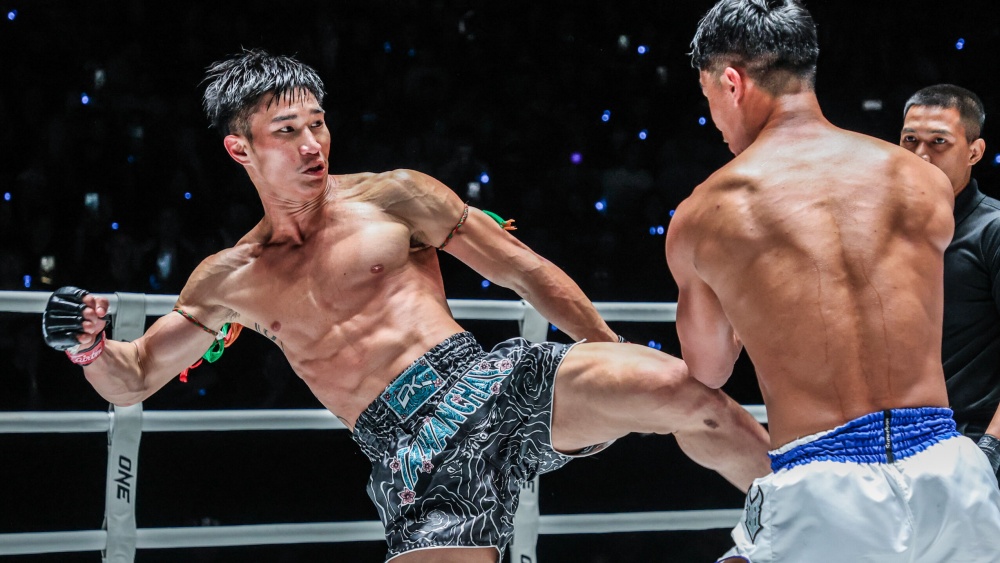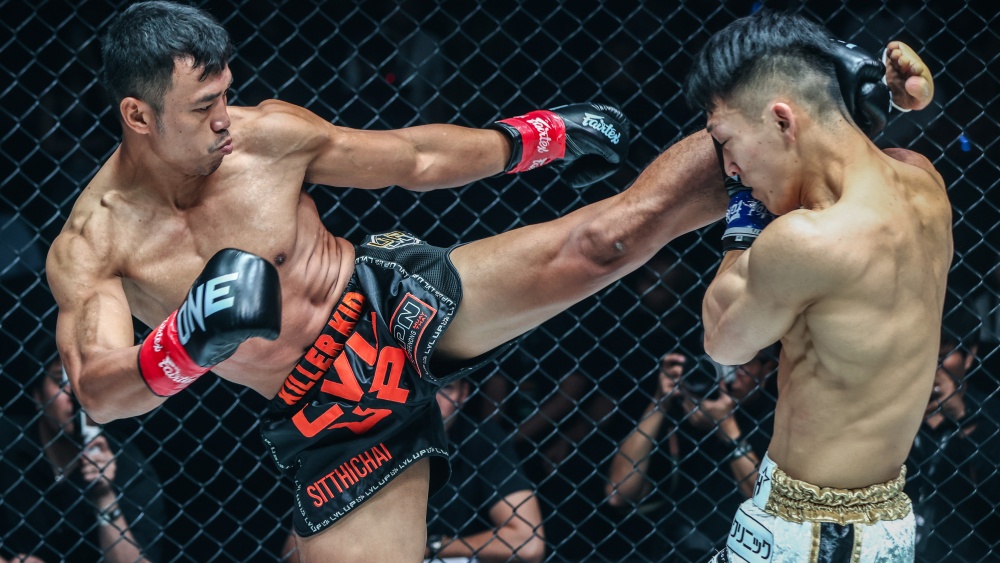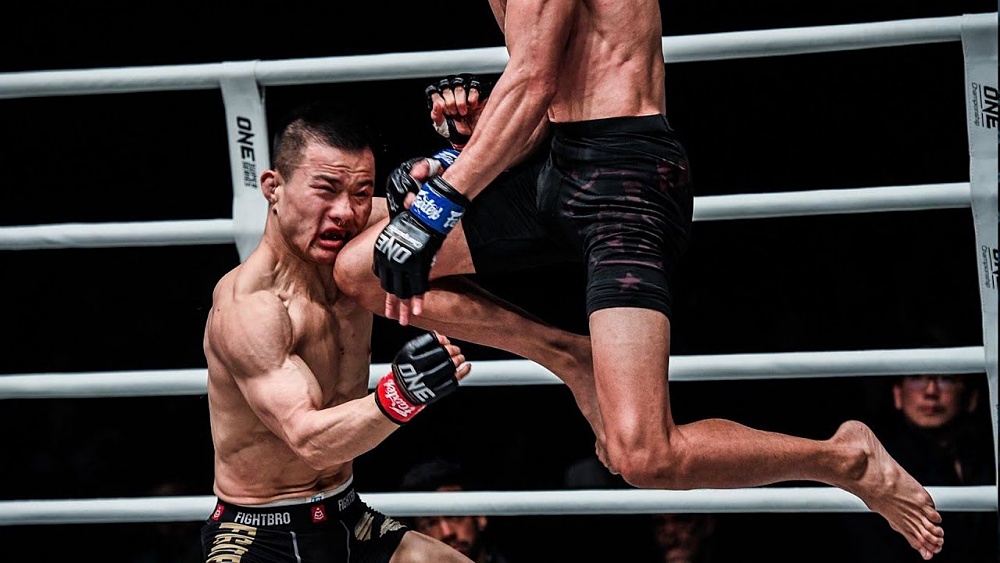
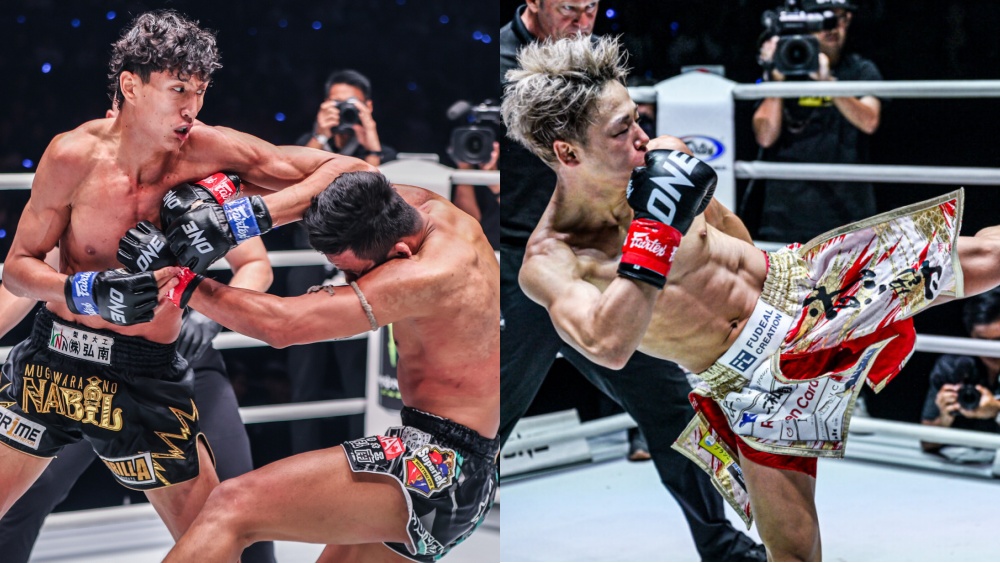
At first glance, kickboxing and Muay Thai might look like twins in the striking family, with fast punches, powerful kicks, and fighters in gloves exchanging blows. But once you dig a little deeper, you’ll notice that while they share a lot of DNA, they also have very distinct styles, histories, and strategies.
Whether you’re looking to train, compete, or just understand the fights you’re watching, knowing how these two sports differ can change how you see every exchange in the ring.
Origins And Cultural Roots
Often called “The Art of Eight Limbs,” Muay Thai has been Thailand’s national sport for centuries. It evolved from battlefield combat techniques into a refined martial art practiced in stadiums across the country. Beyond sport, Muay Thai carries deep cultural significance in Thailand, with pre-fight rituals like the wai kru ram muay and a rich connection to Thai traditions.
Kickboxing isn’t tied to one country’s ancient culture in the same way. Instead, it’s more of a modern hybrid born in the 1960s and 1970s, blending karate-style kicking with western boxing hands. Japan, in particular, played a big role in developing kickboxing, while styles like K-1 rules kickboxing helped shape the global scene we know today.
Weapons Allowed
Here’s where the first big difference shows:
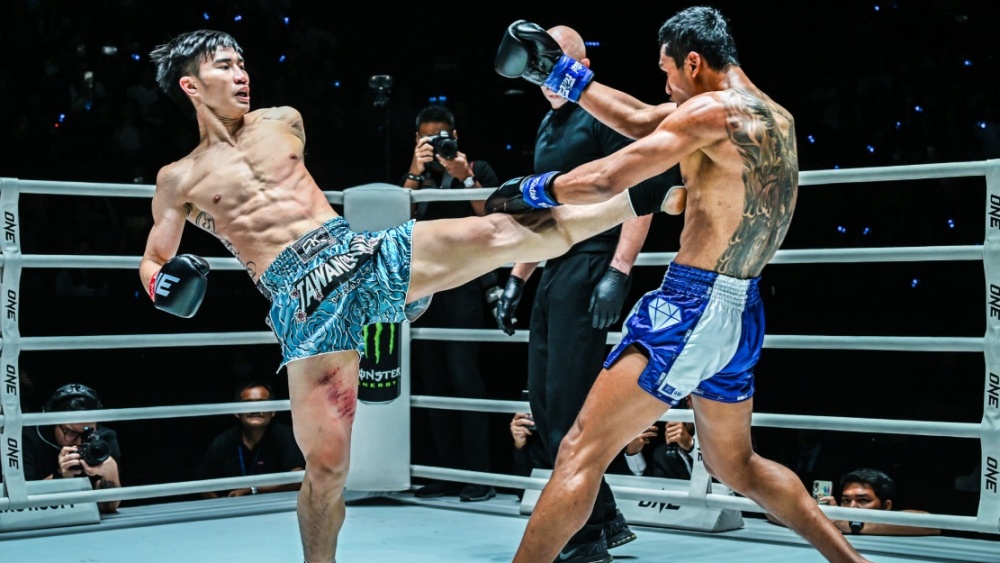
- Muay Thai Uses Eight Points Of Contact: Fists, elbows, knees, and shins. Elbows and clinch knees are huge scoring weapons, and sweeps from the clinch are allowed.
- Kickboxing Typically Allows Only Four Points Of Contact: Fists and shins (kicks). Elbows are generally banned, and while knees might be allowed in some rule sets, prolonged clinching is usually broken up quickly.
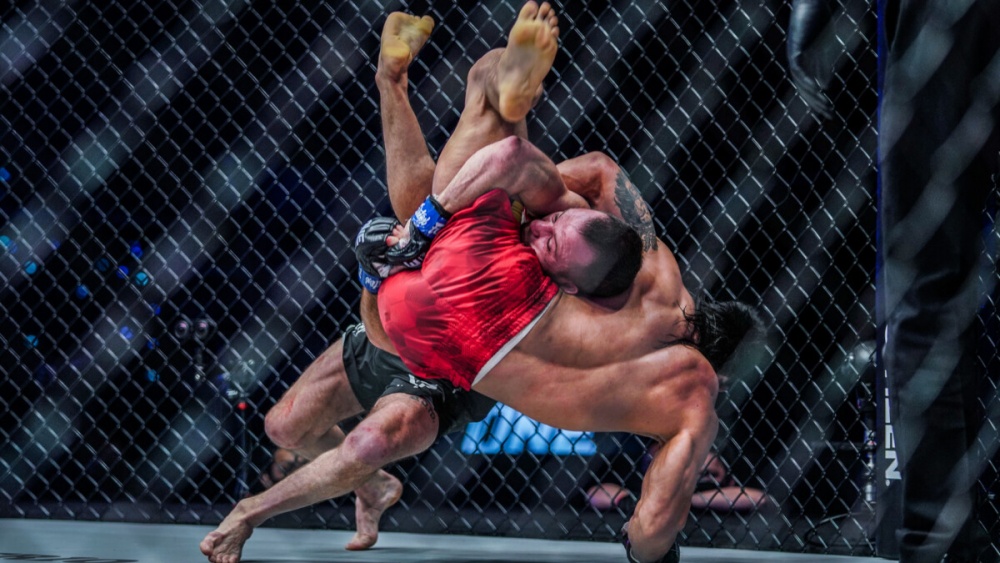
In Muay Thai, the clinch is a world of its own. Fighters can control an opponent’s posture, land knees, elbows, and even throw them to the ground for a psychological and scoring advantage. High-level Thai fighters can spend entire rounds dominating from the clinch.
In kickboxing, the clinch is a brief moment at best. Most promotions only allow a single knee before separating the fighters. This changes how fighters approach inside fighting; you won’t see long clinch battles in kickboxing.
Scoring And Strategy
Muay Thai scoring is heavily based on clean, effective strikes that visibly impact an opponent’s balance and control. Kicks and knees often score more than punches, and posture control in the clinch is highly valued. Fights often start slow and build in pace, with rounds 3 and 4 being the most decisive.
Kickboxing tends to score volume and aggression more. Combinations are thrown at a higher pace from the opening bell, and there’s less of the slow “feeling out” period you see in traditional Muay Thai.
Stance And Movement
Muay Thai fighters often adopt a more upright stance with a heavy weight shift between the front and back foot to generate powerful kicks and defend against low kicks. The rhythm is methodical, allowing fighters to block and counter efficiently.
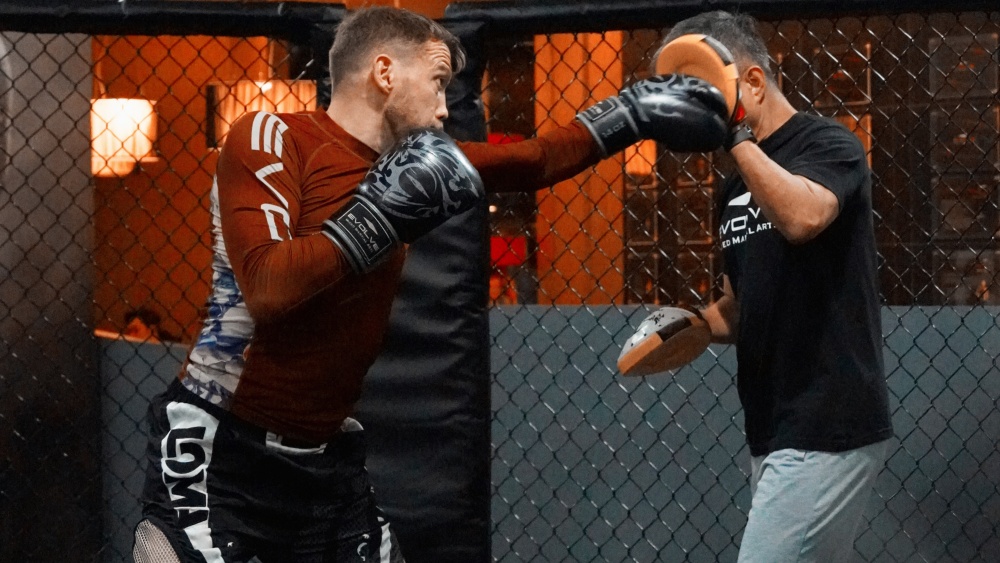
Kickboxing stances are often more bladed, with a bounce in the step, closer to western boxing footwork. Lateral movement is more pronounced, and fighters rely heavily on angles to land punches and avoid leg kicks.
Similarities That Can’t Be Ignored
Despite the differences, there are plenty of crossovers between them:
- Conditioning, Timing, & Distance: The universal trio in most, if not all, combat sports. Without any of them, fighters would often be at a disadvantage.
- Low kicks: Both disciplines regard them as highly devastating weapons that are often seen used to negate opponents.
- Universal Techniques: Most techniques and combos like the jab–cross-low kick combo, are universal which can be used interchangeably between disciplines.
- Cross-Training: Fighters often cross-train in both to become more complete strikers, especially those transitioning to MMA or ONE Championship’s striking divisions.
Which One Should You Train?
If you’re drawn to a more traditional, methodical style that incorporates elbows, knees, and a dominant clinch game, Muay Thai might be your calling. If you prefer a faster pace, more punching combinations, and an emphasis on constant movement, kickboxing could be the fit.
Of course, there’s no rule saying you have to pick just one. Many modern fighters take the best of both worlds, using Muay Thai’s weapons with kickboxing’s pace and footwork.
Conclusion
While kickboxing and Muay Thai may share the same battleground, a ring, gloves, and striking, the way each art plays the game is unique. Think of them like different dialects of the same language. Learn both, and you won’t just speak fluently… you’ll fight fluently.
You may also like:
How ONE Championship Has Become The Gold Standard Of Modern Muay Thai