Summary
Sambo is a combat sport that originated in the Soviet Union, created to train military and law enforcement personnel. The name comes from a phrase meaning self-defense without weapons. Unlike traditional Gi-based grappling, Sambo focuses on explosive entries, strong top control, and fast submissions. Fighters are trained to stay aggressive, maintain balance, and finish fights efficiently.
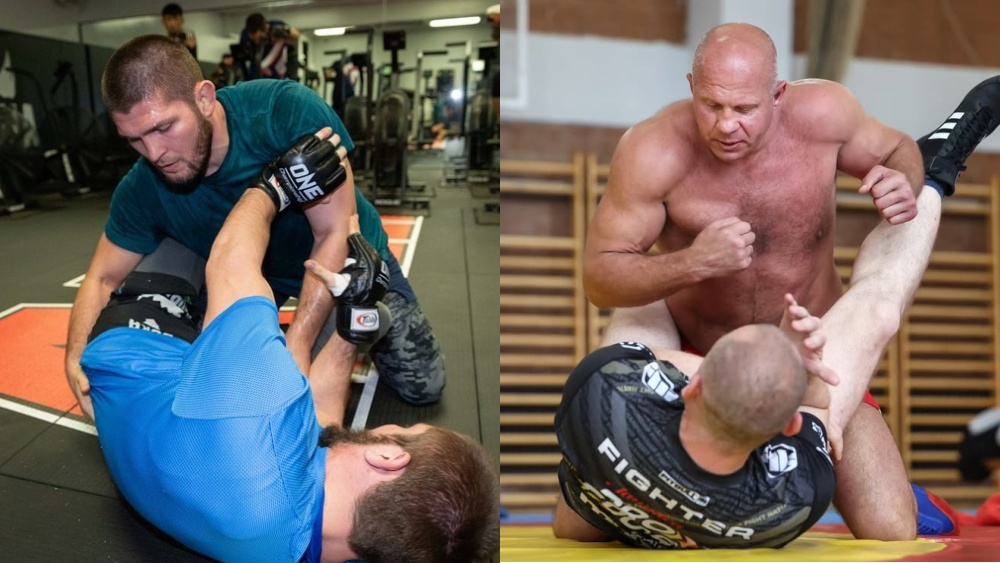
Sambo is also recognized as one of the most influential grappling styles in modern MMA. It blends wrestling, judo, and submission control into a fast and aggressive system. Fighters like Khabib Nurmagomedov and Fedor Emelianenko showcased how Sambo techniques translate seamlessly into MMA, especially in takedowns, top control, and ground dominance.
This article explores what makes Sambo effective, highlights real success stories, and breaks down key techniques that work inside the cage.
Key Takeaways
- Sambo is designed for real combat situations, making it highly effective for MMA.
- Fighters like Khabib Nurmagomedov and Fedor Emelianenko used Sambo to dominate opponents through control and pressure.
- Many Sambo techniques adapt naturally to MMA rules, especially takedowns, pins, and submissions.
What Is Sambo
Sambo is a grappling-based combat system developed in the Soviet Union to prepare military and security personnel for real-world confrontations. It was designed to be practical, fast, and adaptable, drawing from wrestling, judo, and various regional fighting styles. Rather than focusing on tradition or ritual, Sambo emphasizes efficiency, balance, and control under pressure.
In modern combat sports, Sambo stands out for its aggressive top control, dynamic takedowns, and transition-focused submissions. Fighters trained in Sambo are taught to stay active, maintain positional dominance, and finish opportunities quickly, which makes the style especially effective in MMA environments.
Two main styles influence MMA, Sport and Combat Sambo, which we’ll go through briefly below.
Combat Sambo
Combat Sambo is the most directly applicable form of Sambo for MMA. It combines grappling with striking, including punches, kicks, and limited ground strikes. Athletes learn to close distance safely, execute takedowns, and maintain control while remaining aware of incoming strikes.
This style builds strong cage awareness, pressure-based grappling, and the ability to blend striking with takedowns. Fighters like Khabib Nurmagomedov used Combat Sambo principles to overwhelm opponents through relentless pace, top pressure, and intelligent transitions rather than relying on single techniques.
Sport Sambo
Sport Sambo focuses on throws, takedowns, and submissions without striking. Matches are fast-paced and reward aggressive engagement, clean takedowns, and submission attempts. Unlike BJJ, there is no prolonged guard play, which encourages fighters to stay on top and keep advancing position.
For MMA athletes, Sport Sambo develops balance, explosive entries, leg lock proficiency, and strong positional awareness. These attributes transfer well to MMA grappling, especially when combined with wrestling and striking fundamentals.
Both styles contributed heavily to the evolution of MMA grappling.
Some key elements that are used in MMA include:
- Strong takedowns without relying on prolonged clinching.
- Maintaining top position and pressure.
- Fast submission transitions.
- Controlling opponents without exposing yourself.
Sambo fighters are taught to stay active on top, constantly advancing position and attacking. This mindset fits perfectly within MMA scoring and fight strategy.
Success Stories That Defined Sambo In MMA
Khabib Nurmagomedov
Khabib Nurmagomedov is widely regarded as one of the most dominant fighters in MMA history, and his Combat Sambo background played a central role in shaping his approach. Rather than relying on explosive finishes early, Khabib built his success through relentless pressure, chain wrestling, and suffocating top control. He consistently drove opponents toward the cage, where he could secure takedowns and limit their ability to escape.
Once on the ground, Khabib focused on positional dominance. He uses leg rides, wrist control, and constant pressure to exhaust opponents physically and mentally. Ground strikes were not just used to cause damage, but to force reactions and create openings. Khabib rarely rushed submissions. Instead, he wore opponents down, breaking their resistance before finishing. His Sambo foundation allowed him to stay balanced, aggressive, and composed without overcommitting or losing control.
Fedor Emelianenko
Fedor Emelianenko represented an earlier era of MMA dominance and remains one of the most respected heavyweights in the sport’s history. As a multiple-time Combat Sambo champion, Fedor showcased how Sambo could be adapted to both fast-paced exchanges and measured ground control. His style blended explosive entries with calm decision-making, allowing him to transition smoothly between striking, takedowns, and submissions.
On the ground, he applied heavy top pressure while staying fluid in his movement, enabling him to transition seamlessly into submissions. His composed striking complemented his grappling, making him unpredictable and difficult to pressure. Through his success, Fedor helped bring global recognition to Sambo as a legitimate and effective foundation for MMA at the highest level.
Sambo Techniques That Translate Well To MMA
1) Body Lock Takedowns
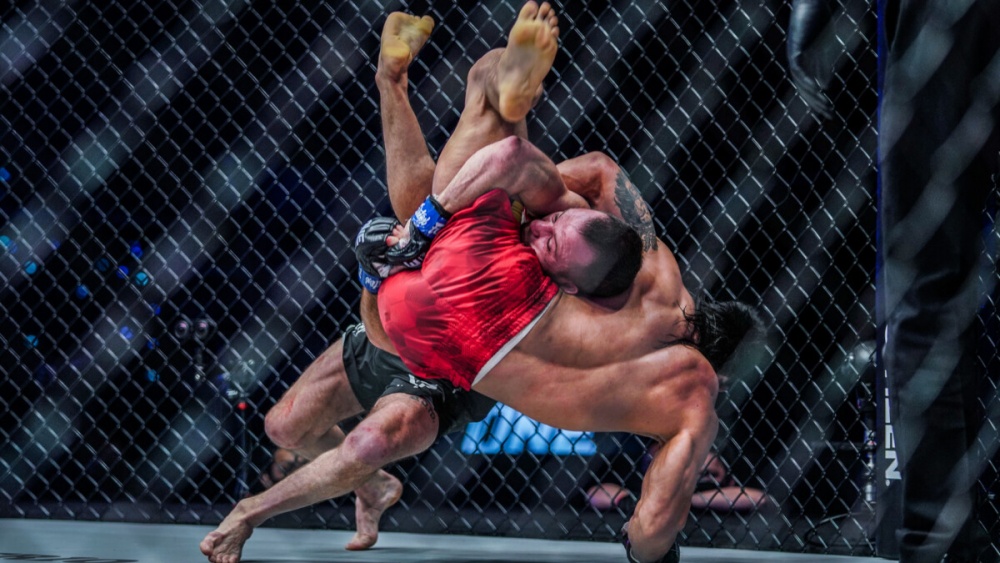
Sambo fighters excel at closing distance and securing body locks. From there, they use trips, lifts, or off-balancing to bring opponents down without shooting low. This works well in MMA, where maintaining posture and avoiding knees is important.
2) Leg Trips And Sweeps
Inside trips, outside trips, and foot sweeps are core Sambo techniques. These takedowns are effective because they rely on timing and balance rather than speed alone. They are especially useful along the cage, where space is limited.
3) Top Pressure And Pinning
Sambo emphasizes controlling the hips and shoulders once the fight hits the ground. Fighters learn to pin opponents while staying mobile enough to strike or advance.
This pressure-based approach makes it difficult for opponents to scramble or stand up.
4) Straight Ankle Locks
Sambo is famous for its leg locks, especially straight ankle locks. These submissions can be applied quickly and safely in MMA when set up properly.
They are often used as finishing tools or to force opponents into defensive positions.
5) Transition-Based Submissions
Rather than holding static positions, Sambo fighters attack submissions during transitions. Armbars, shoulder locks, and leg attacks are often applied while the opponent is moving. This makes the style unpredictable and hard to deal with.
How Sambo Differs From BJJ In MMA
Sambo and Brazilian Jiu-Jitsu approach grappling from different angles, especially in an MMA setting. BJJ places strong emphasis on guard work, positional patience, and creating submissions from the bottom or during prolonged exchanges. Sambo, on the other hand, generally prioritizes staying on top, maintaining pressure, and advancing position quickly once a takedown is secured.
Both systems are highly effective in MMA, and neither is inherently superior. The choice often depends on the athlete’s body type, background, and tactical preferences. Some fighters thrive with BJJ’s methodical control and submission depth, while others prefer Sambo’s forward pressure, balance-based takedowns, and transition-focused control. In practice, many successful MMA fighters blend elements of both to suit their individual style.
FAQs On Sambo For MMA
Q: Is Sambo Better Than BJJ For MMA?
A: Neither is better. Sambo excels in takedowns and top pressure, while BJJ offers deeper guard and submission systems. Many MMA fighters benefit from combining both.
Q: Why Are Sambo Fighters So Strong On Top?
A: Because of the emphasis that Sambo places on controlling hips and shoulders while staying mobile. This makes it difficult for opponents to scramble or stand up.
Q: Are Leg Locks From Sambo Legal In MMA?
A: Yes. Straight ankle locks and some other leg submissions are legal and commonly used in MMA when applied correctly.
Q: Can Beginners Learn Sambo Techniques For MMA?
A: Yes. Core Sambo concepts like balance, body locks, and trips are beginner-friendly and highly practical.
Final Thoughts
Sambo has left a lasting mark on MMA. Through champions like Khabib Nurmagomedov and Fedor Emelianenko, it proved that pressure, balance, and intelligent aggression can dominate at the highest level.
Its techniques remain highly relevant today, especially for fighters who want reliable takedowns, strong top control, and efficient submissions. Whether trained directly or adapted through MMA grappling, Sambo continues to shape how champions are built inside the cage.
You may also like: