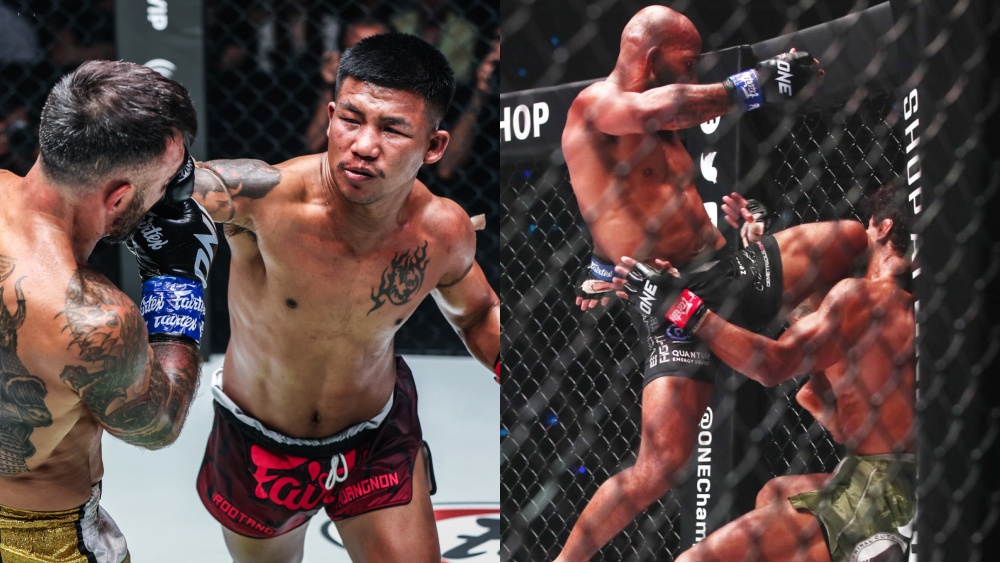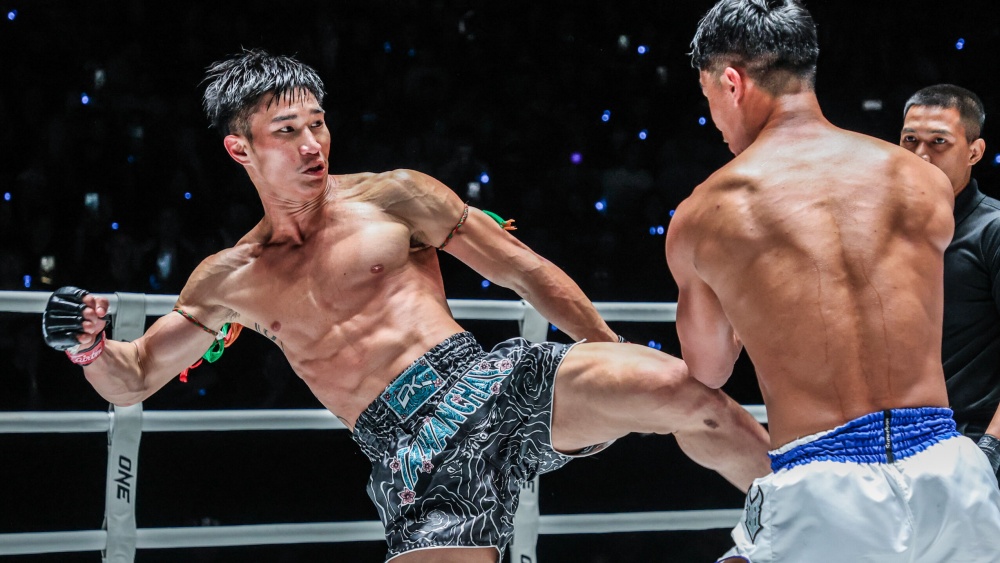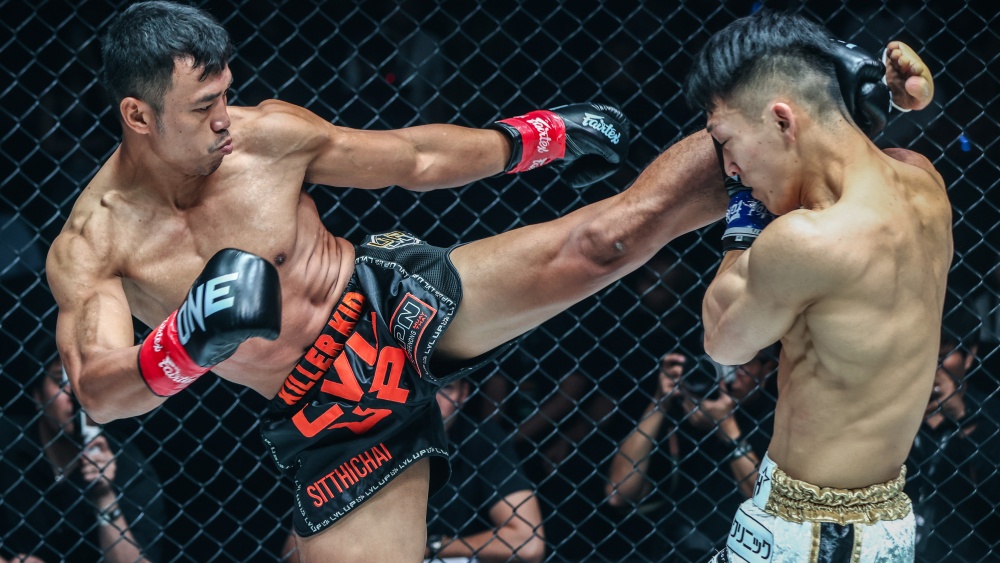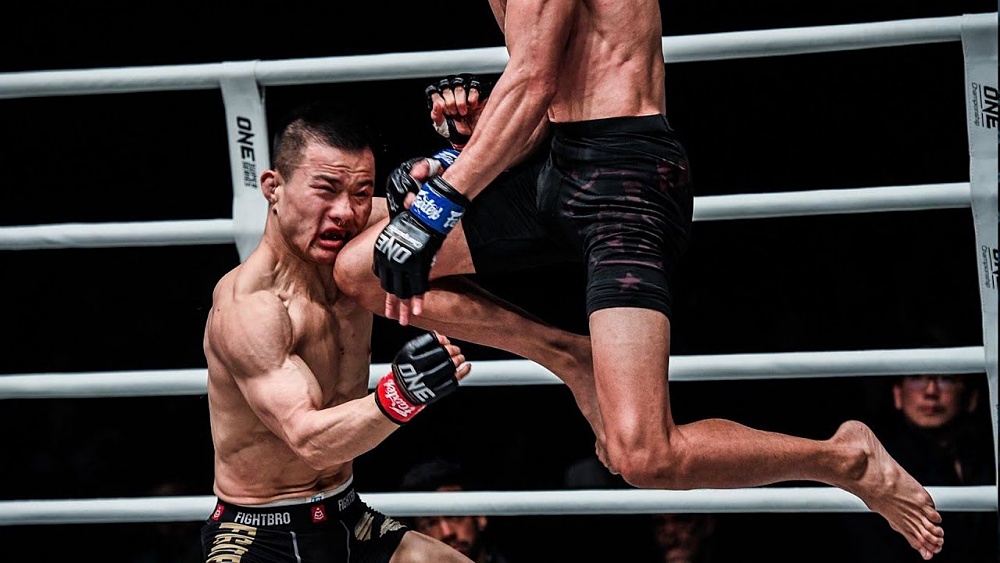
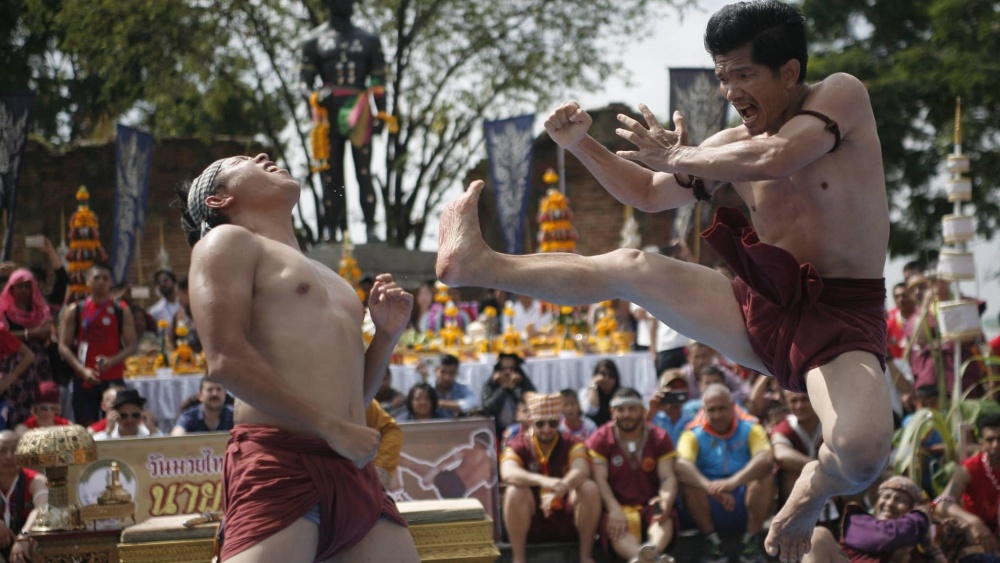
Muay Thai is celebrated worldwide as the art of eight limbs, but within its long history are traditional regional styles that shaped the sport as we know it today. Among these is Muay Thasao, a style rooted in Northern Thailand. Known for its speed and fluidity, Muay Thasao contrasts with the power-based approaches of other regional styles. Today, many martial arts gyms are popular training grounds, and learning about Muay Thasao gives practitioners and enthusiasts a deeper appreciation of the diversity within Muay Thai.
Origins Of Muay Thasao
Muay Thasao comes from the northern regions of Thailand, particularly in areas influenced by the ancient Lan Na Kingdom. The style developed during a time when hand-to-hand combat was part of both military training and cultural tradition. While some Muay Thai styles focused on sheer strength, Muay Thasao emphasized speed, agility, and movement.
The name “Thasao” refers to the Nan Province, often credited as the birthplace of this approach. Fighters from the north gained a reputation for being quick on their feet and sharp in their strikes. This identity shaped the northern style into one that prioritized rapid combinations and evasive techniques over brute force.
Distinctive Characteristics
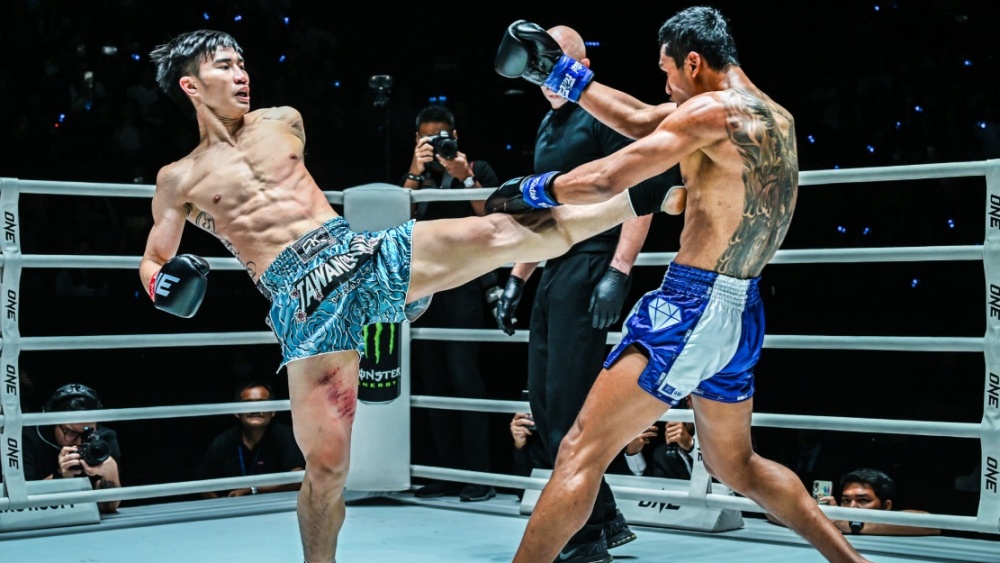
Muay Thasao is often called the style of speed. Fighters trained in this tradition use quick footwork, fluid head movement, and fast striking combinations. Where other styles may rely on standing firm and trading blows, Muay Thasao fighters prefer to outmaneuver their opponents.
One hallmark is its emphasis on unpredictability. Fighters switch rhythm frequently, mixing short bursts of aggression with sudden retreats. This makes them difficult to read and forces opponents to fight on unfamiliar terms. Another key element is the use of clever angles. Rather than moving straight in, Muay Thasao practitioners cut diagonally, landing strikes while avoiding counters.
Comparison With Other Styles
To understand Muay Thasao’s place in history, it helps to compare it with the other regional Muay Thai styles.
- Muay Korat from the northeast is known for raw power, with fighters delivering heavy strikes.
- Muay Lopburi emphasizes technical finesse, especially sharp punches and feints.
- Muay Chaiya from the south is renowned for defense and counterattacks.
Against these, Muay Thasao stands out as the style of speed and agility. While Muay Korat fighters might overwhelm with power, and Muay Chaiya fighters frustrate with tight defenses, Muay Thasao fighters thrive on rhythm changes and fast attacks. This made them highly respected in historical competitions and cultural festivals.
Cultural And Historical Significance
Muay Thasao was not only a fighting style but also a reflection of northern Thai culture. The Lan Na Kingdom placed importance on mobility and strategy, which influenced the way combat was practiced. Fighters trained in both armed and unarmed techniques, with Muay Thasao representing the unarmed approach that mirrored battlefield tactics.
Over time, as Thailand unified and Muay Thai became more standardized, the distinctions between regional styles blurred. However, the legacy of Muay Thasao lives on in the principles of speed and agility that modern fighters still admire. Historical records and oral traditions from the north keep the identity of Muay Thasao alive, reminding practitioners of the diverse roots of the art.
Influence On Modern Muay Thai
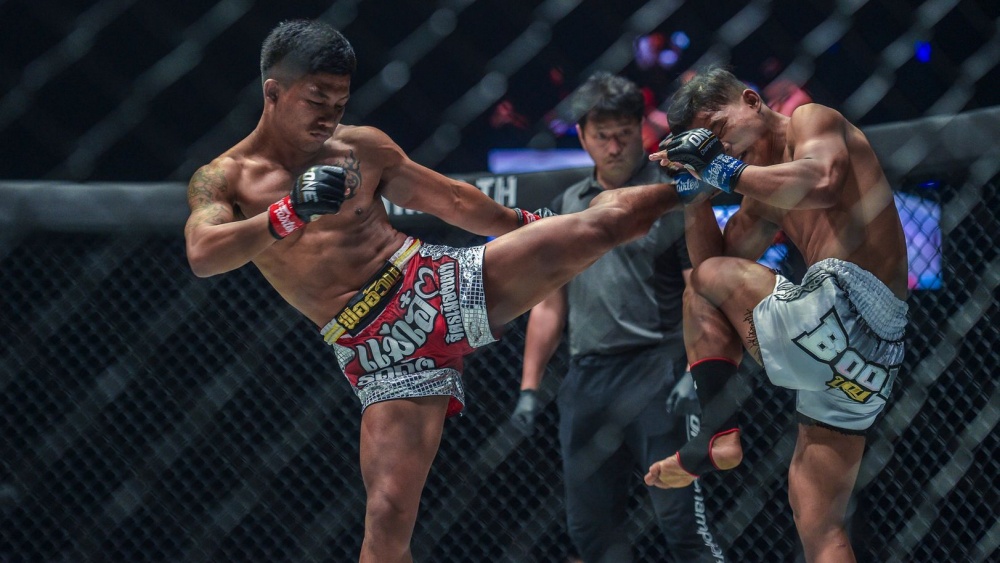
Though modern Muay Thai does not strictly divide fighters into regional styles, the influence of Muay Thasao can still be seen in the sport today. Fighters who emphasize speed, footwork, and rhythm owe much to the northern tradition. Many champions are praised for their ability to adapt quickly, move fluidly, and keep opponents off balance, all of which are traits central to Muay Thasao.
In training, drills that highlight quick entries, fast exits, and combination striking reflect the same philosophy. In Singapore, martial arts gyms often teach Muay Thai in a blended way, but students are encouraged to study the history behind the techniques. Learning about Muay Thasao inspires practitioners to approach their training with an appreciation for speed and intelligence, not just power.
Lessons From Muay Thasao
The history of Muay Thasao carries lessons that remain relevant for today’s martial artists.
- Adaptability: Fighters must learn to adjust rhythm and strategy, not just rely on strength.
- Efficiency: Quick, sharp strikes conserve energy while keeping pressure on the opponent.
- Movement: Staying light on the feet creates opportunities and prevents predictability.
- Mindset: The philosophy of Muay Thasao emphasizes being clever, composed, and resourceful in every exchange.
These lessons show that martial arts is not just about physical ability but also about strategy and intelligence.
Conclusion
Muay Thasao is a reminder that Muay Thai is not a single style but a collection of traditions shaped by different regions of Thailand. The northern style, known for its speed and unpredictability, offered a counterpoint to the power, defense, and technique emphasized in other areas.
Today, even though regional divisions are less pronounced, the principles of Muay Thasao live on in the way fighters move, strike, and adapt. For practitioners in Singapore and across the world, understanding the history of Muay Thasao provides insight into how the art of eight limbs developed and why agility and rhythm remain just as important as strength.
You may also like: