Brazilian Jiu-Jitsu, often called BJJ, is filled with techniques that allow a smaller or less powerful practitioner to reverse positions and gain control. Among the most iconic is the flower sweep. For students of all levels, this technique represents both the beauty and effectiveness of BJJ. Simple in appearance but powerful in execution, the flower sweep teaches the core principle of using leverage and timing instead of raw strength.
What Is The Flower Sweep
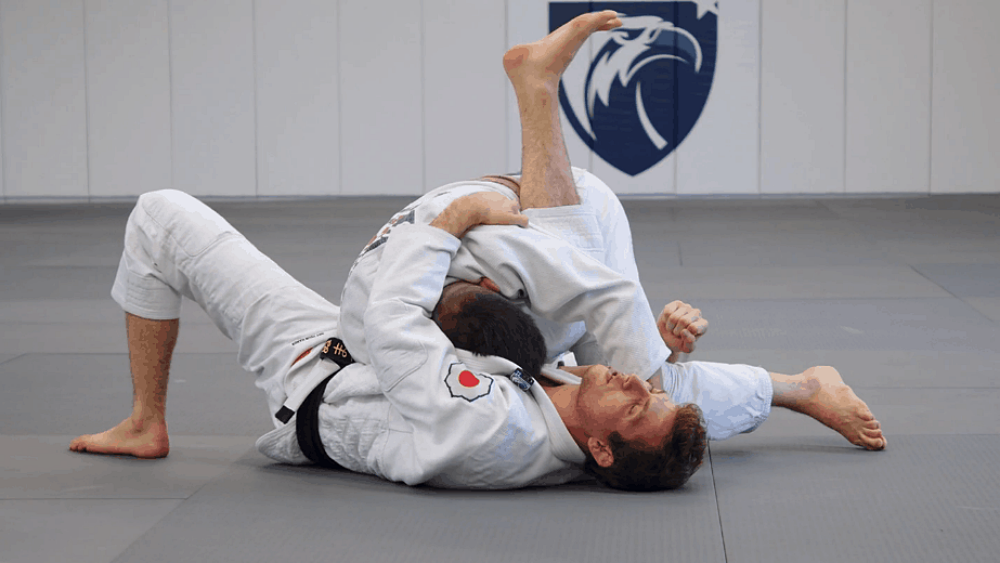
The flower sweep is a guard technique used to reverse an opponent who is on top, typically when you are playing the closed guard. Its name comes from the motion of the legs, which swing like a flower petal to generate momentum. Unlike some sweeps that rely on strength or explosive bridging, the flower sweep is built on timing, coordination, and angle control.
It is one of the first sweeps many students learn, yet even advanced practitioners rely on it because of its effectiveness and versatility. Whether in training or competition, the flower sweep sets up not only a reversal into mount but also transitions into submissions if the opponent resists.
Breaking Down The Technique
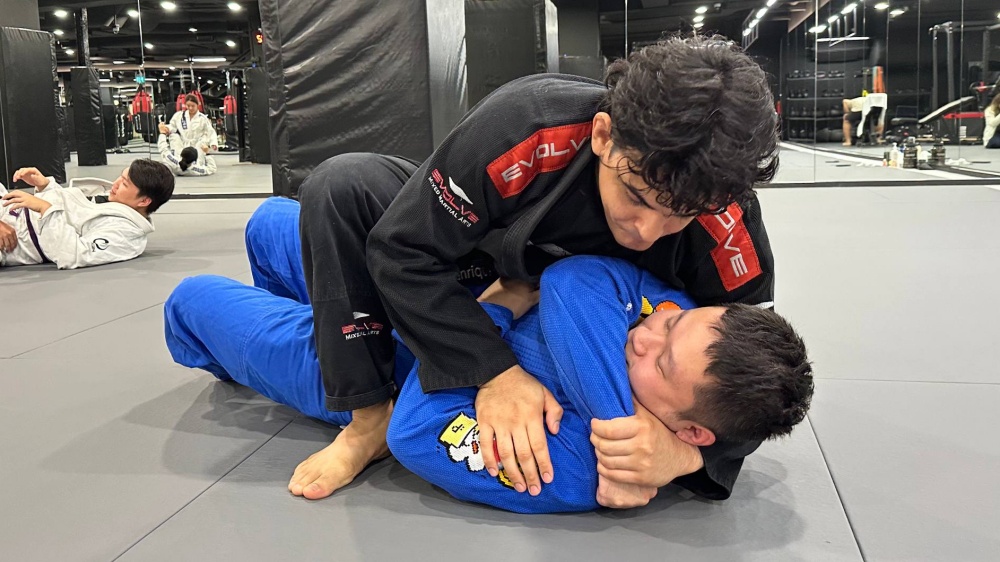
- Starting In Closed Guard: The technique begins with the bottom player in closed guard, controlling their opponent’s posture. Good grip placement is essential. Typically, one hand grips the opponent’s sleeve or arm, while the other controls near the hip or pants.
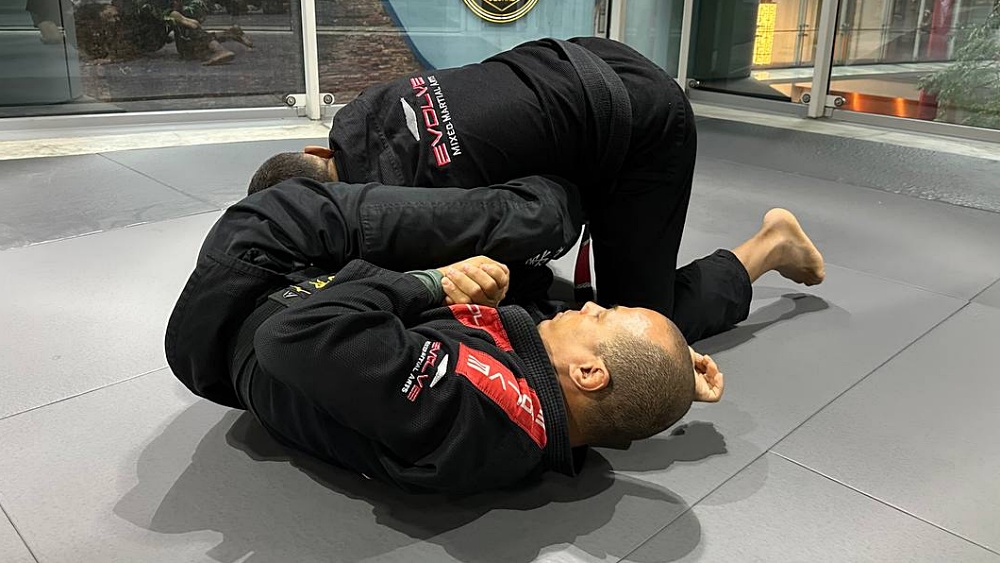
- Opening The Guard And Creating The Angle: The guard must be opened to create movement. The practitioner places a foot on the mat and pivots their body to the side, turning their hips. This shift of angle makes the sweep possible.
- Swinging The Leg: The leg opposite the hip grip swings in a wide, flower-like arc. This is where the sweep gets its name. The motion generates momentum, making it easier to unbalance the opponent.
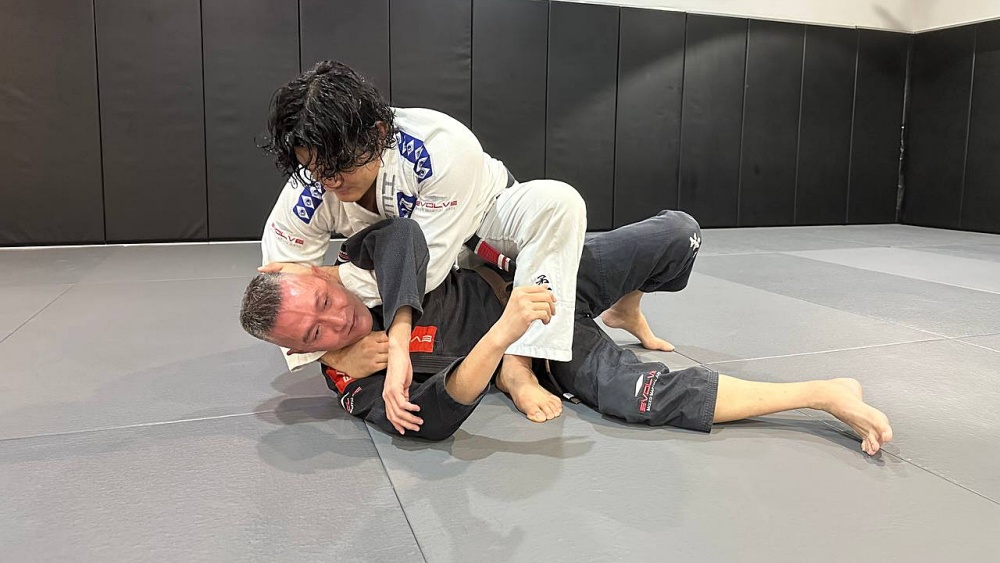
- Finishing The Sweep: As the leg swings, the practitioner pulls the opponent’s arm across their body while lifting with the hip control. The opponent is tipped over, and the bottom player rolls into a dominant mount position. From there, they can stabilize or transition directly into attacks.
Why The Flower Sweep Works
The power of the flower sweep lies in leverage and momentum. Instead of trying to push the opponent over with brute force, the bottom player uses the swinging leg to generate motion. Combined with a pull on the arm and control of the hip, the top player’s base is disrupted.
This makes the flower sweep highly effective even against larger opponents. It embodies the essence of BJJ: technique over strength. It also highlights how body mechanics, timing, and positioning matter more than size.
Common Mistakes To Avoid
While the flower sweep is simple in concept, many often run into some common mistakes while executing the technique. Some of which include:
- Failing To Control The Arm – Without proper grip on the opponent’s arm, they can post out and block the sweep.
- Not Creating Enough Angle – Staying flat on the back reduces leverage. Pivoting the hips is critical.
- Weak Leg Swing – The sweep depends on momentum, so the swinging leg must move with purpose.
- Rushing The Finish – Trying to muscle through instead of using timing often causes the sweep to stall.
By correcting these details, the sweep becomes smooth, efficient, and nearly effortless.
Variations And Follow-Ups
The flower sweep can be adjusted depending on how the opponent reacts. If they post their arm to stop the sweep, it often opens the path to an armbar. If they lean back to resist, transitioning into a triangle choke becomes possible.
Some practitioners also combine the flower sweep with other techniques, creating chains that keep the opponent guessing. For example, starting with a scissor sweep threat before switching to the flower sweep adds unpredictability. These variations make the technique more versatile and valuable at all levels of training.
The Flower Sweep In Modern BJJ
Even though the flower sweep is one of the oldest techniques in BJJ, it remains highly relevant in modern competition. Many world-class athletes still use it in tournaments because of its effectiveness. Its simplicity allows it to be executed quickly, and its versatility makes it a constant threat.
For students, learning the flower sweep is more than just adding a technique to the toolkit. It is an entry point into understanding core BJJ concepts: leverage, angles, and timing. Practicing it develops body awareness and teaches principles that carry over into countless other sweeps and submissions.
Drills To Improve The Flower Sweep
Consistent drilling is key to mastering the flower sweep. Here are a few ways to sharpen the technique:
- Repetition Drills – Practice the motion repeatedly with a cooperative training partner to build muscle memory.
- Angle Drills – Focus on hip pivots and creating space before sweeping.
- Combination Drills – Pair the flower sweep with follow-up submissions like the armbar or triangle to develop fluidity.
- Resistance Drills – Ask your partner to give light resistance so you learn to adjust timing and direction.
These drills help students turn the flower sweep from a basic move into a reliable tool for both training and live sparring.
Final Thoughts
The flower sweep is a perfect example of what makes Brazilian Jiu-Jitsu so effective. It is elegant, practical, and deeply rooted in the art’s philosophy of using technique over strength. By mastering the details, grips, angles, momentum, and timing, students can execute the sweep smoothly and set up further attacks.
For practitioners, learning the flower sweep is more than just gaining a technique. It is a lesson in patience, precision, and creativity. Whether you are a beginner or a seasoned grappler, the flower sweep remains a timeless skill that will always have a place in your BJJ journey!
You may also like:
Weight Distribution Mastery In BJJ: Why Micro-Shifts Make Or Break Control