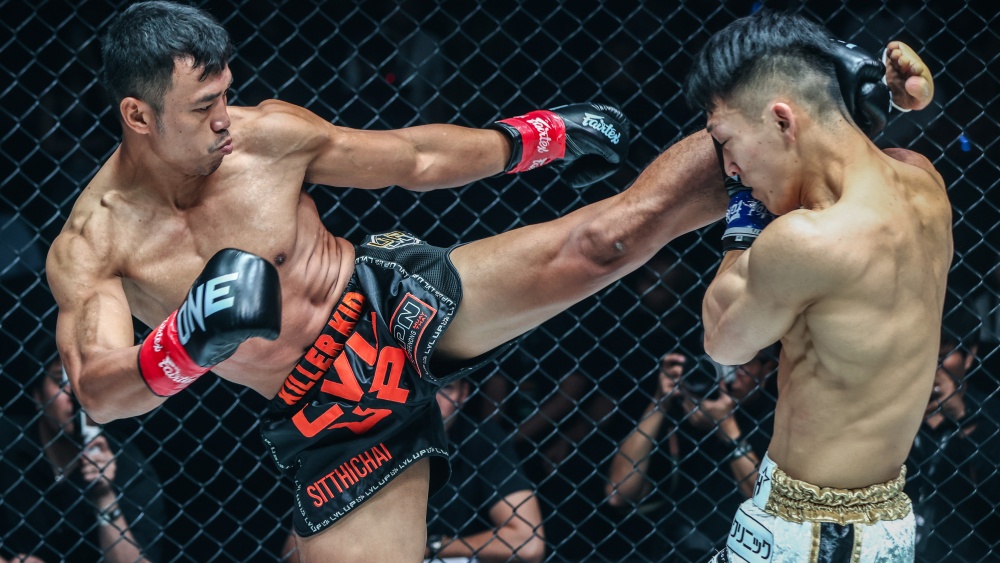
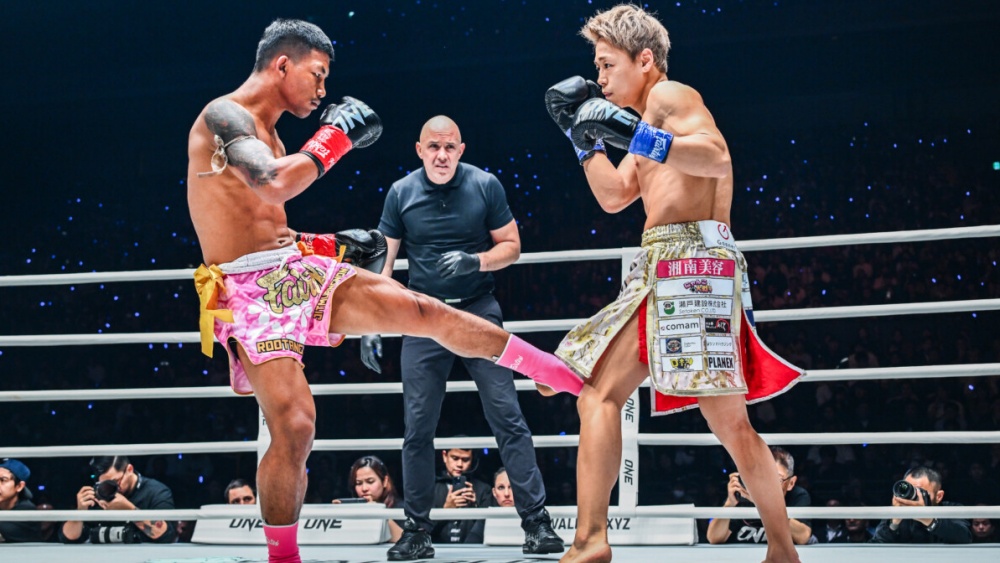
Let’s be honest. Everyone thinks aggression gets a bad rep. In day-to-day life, we’re told to stay calm, composed, and controlled. And that’s good advice for your job, at home with your family, maybe even for traffic. But once you step into the ring, the cage, or onto the mats?
Aggression becomes your ally. Don’t get us wrong, we’re not talking about blind rage, not swinging wildly. What we’re referring to is that sharp, deliberate kind of aggression that pushes the pace, breaks rhythm, and forces your opponent to react.
In competitions, the fighter who controls the pace usually controls the outcome. And more often than not, the one who asserts themselves early and consistently has the edge.
Let’s Define What “Aggression” Is In Martial Arts?
It’s not about being angry. It’s not about throwing haymakers just to look busy. True aggression in martial arts is about intent.
It means:
- Closing distance with purpose.
- Throwing with commitment.
- Pressuring without panicking.
- Fighting on the front foot (even from your back).
Aggression is the difference between reacting and dictating. And in a sport where seconds count, hesitation can cost everything.
Aggression Wins Points (And Moments)

Whether it’s Muay Thai, boxing, BJJ, or MMA, judges notice forward movement. They often look out for who’s initiating the fights, who’s chasing the finish, and who’s trying to win versus just trying to survive?
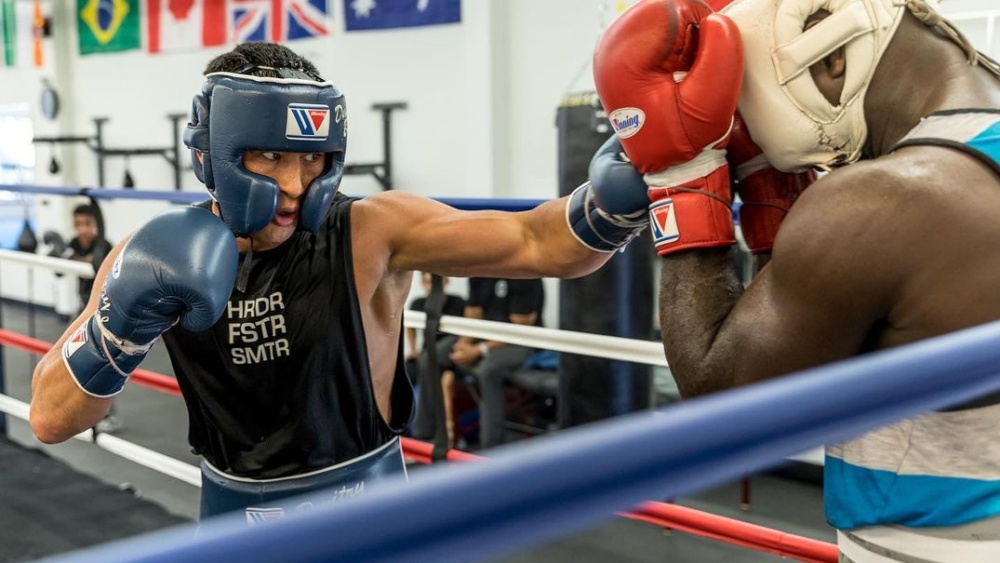
In striking, a fighter constantly pressing forward, landing shots, or walking down an opponent, even if they eat a few shots, often appears in control. It’s not always fair, but it’s true.
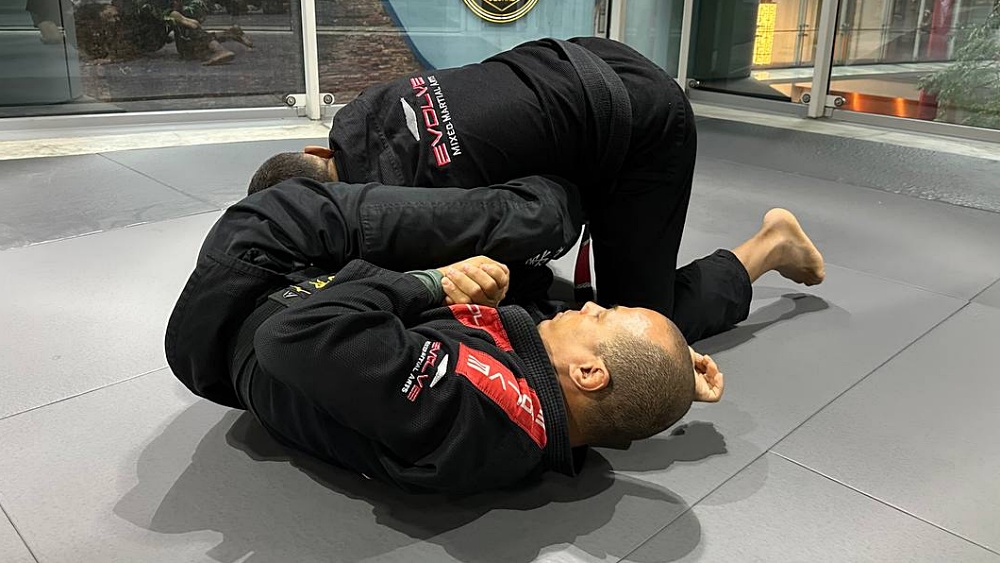
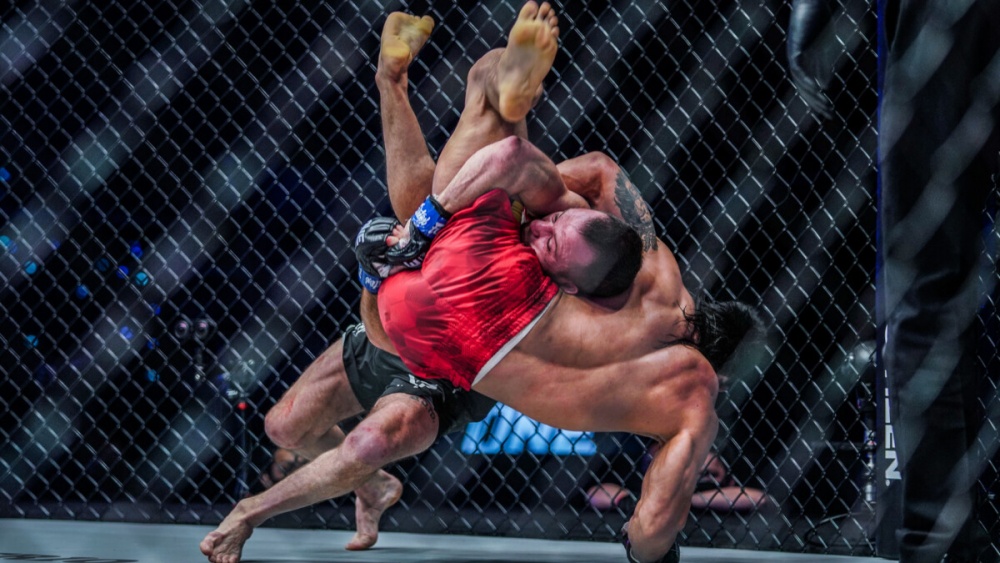
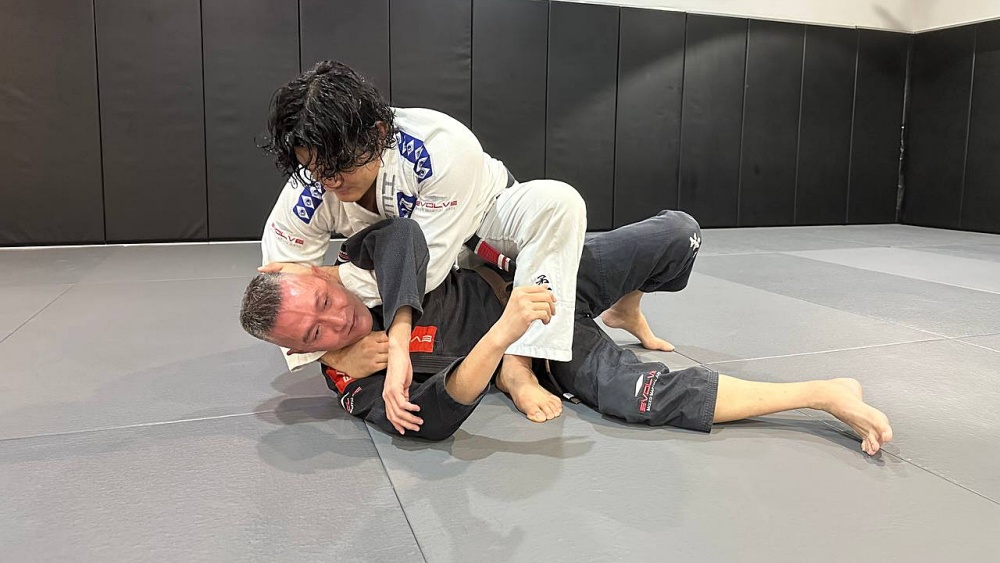
In grappling, aggression means hunting for submissions, initiating scrambles, and actively pursuing the next position. A passive guard might be technically sound, but if it’s stalling, it looks like a loss.
While aggression doesn’t guarantee a victory, passivity almost guarantees defeat.
Psychological Warfare And Making Them Uncomfortable
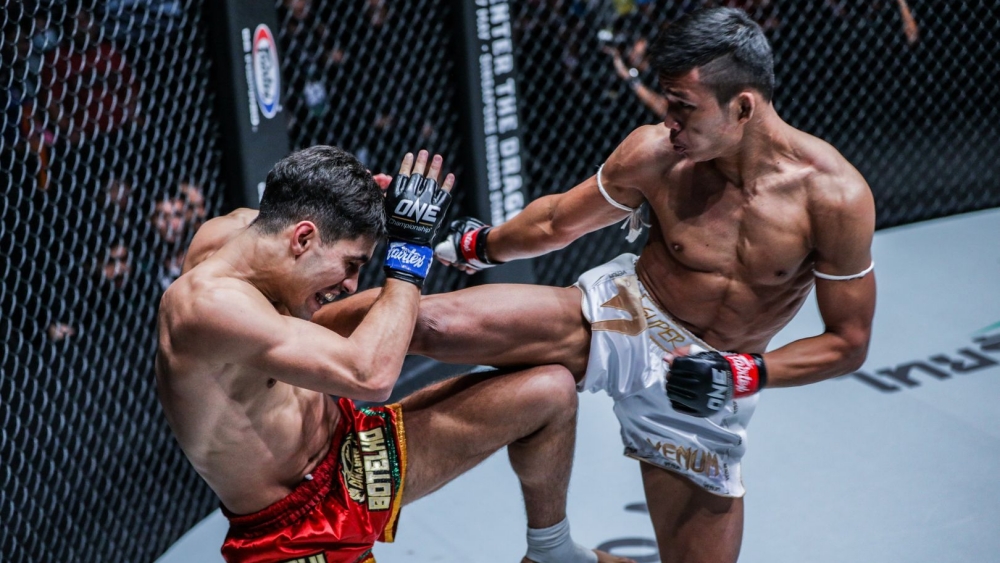
Here’s something every experienced fighter knows: aggression isn’t just physical. When you bring pressure, when you’re first to strike, first to shoot, first to grip, you force your opponent to defend. You make them think. And once they’re thinking, they’re not flowing. They’re not free because they’re reacting to your game.
This is especially obvious in the first minute of a match. A fast, assertive start can break confidence before a clean strike even lands. It’s a message: “I’m here to take this. Not wait for it.”
And that message matters. Most fights aren’t won by dominance; they’re won by tiny shifts in control that build up over time. Aggression is how you start tipping that scale early.
Will there be some level of risk involved? Of course, there will be, but that’s the whole point. Controlled aggression walks the line between confidence and chaos. Think of it as ‘controlled chaos’. You might get hit while walking forward. You might lose position chasing a finish.
But you also might break your opponent mentally. You might overwhelm them. You might land clean and never let them recover.
Fighting is risk management. Aggression doesn’t mean throwing caution to the wind; it means owning the risk instead of avoiding it.
How To Train Aggression (Without Losing Your Head)
It’s not enough to “be more aggressive.” You’ve got to train it deliberately and intelligently.
- Start Sparring With A Goal: Every round, have a focus, initiate first, pressure the cage, and shoot within 30 seconds. Make it part of your rhythm.
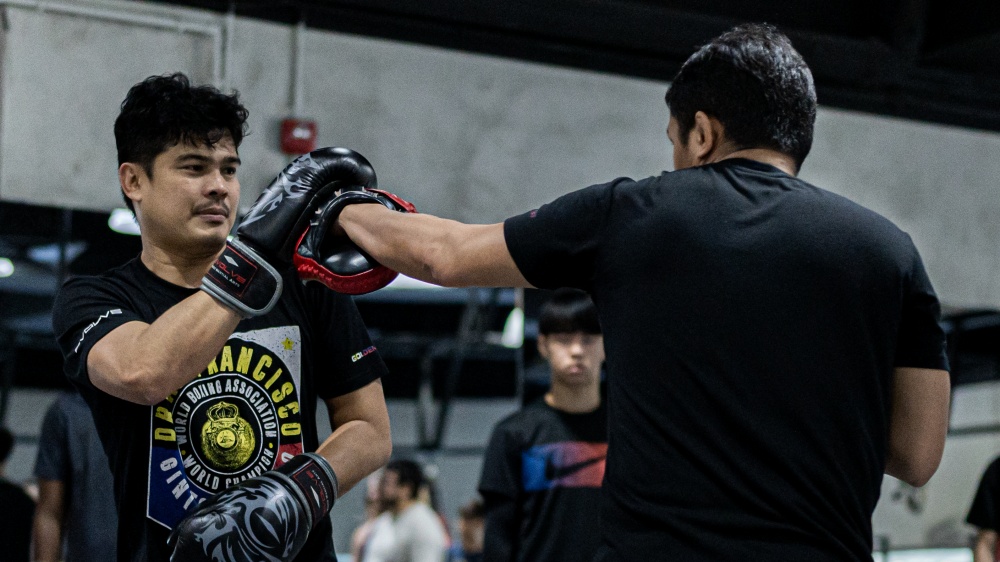
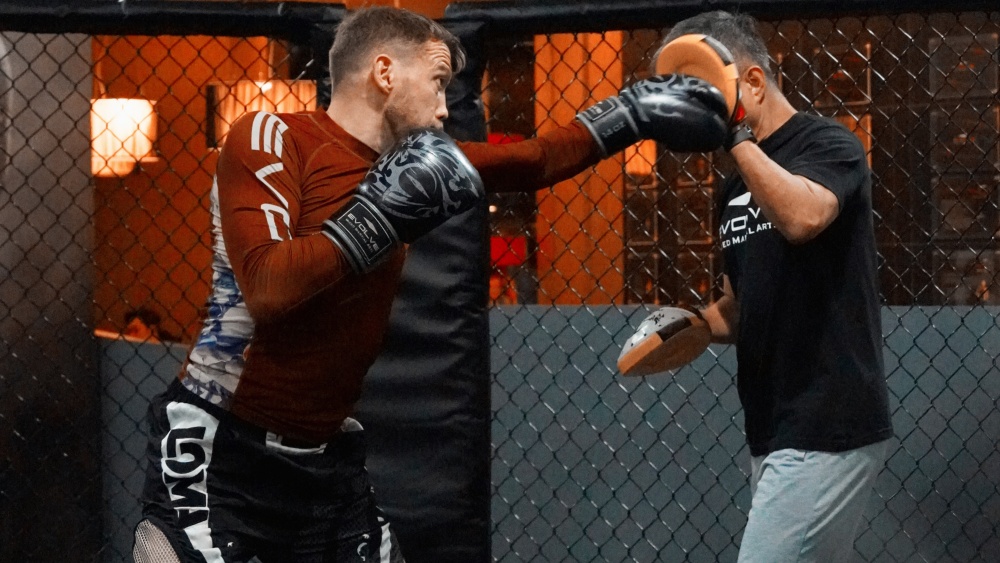
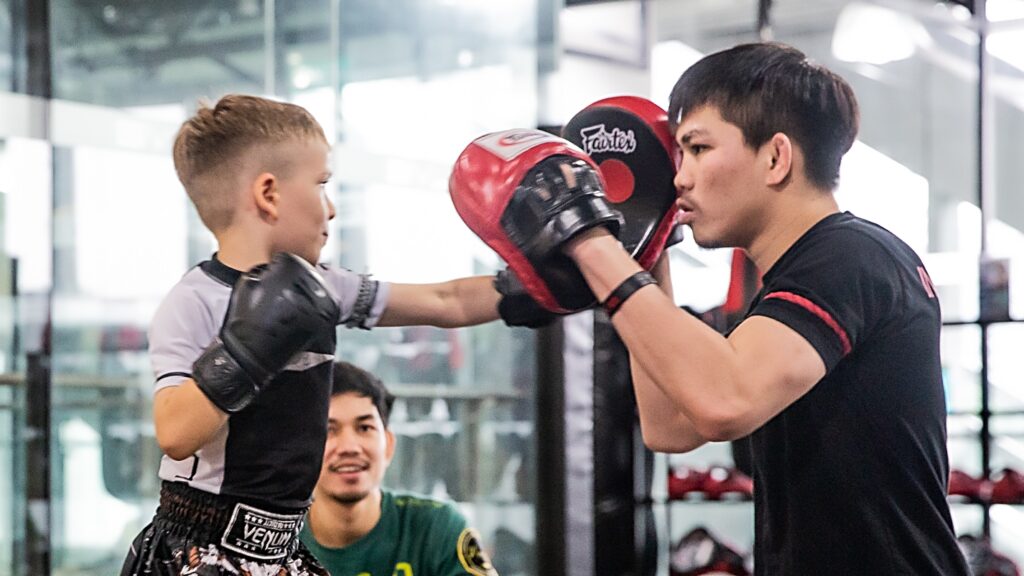
- Drill With Tempo: When you’re hitting the pads or doing situational drills, train with urgency. Practice moving forward, throwing combos with intent, and flowing through positions like you’re in a match.
- Compete Often, Even In-House: The more you feel the adrenaline spike of competition, the more comfortable you’ll get with flipping that internal switch.
It’s a skill, just like timing or footwork. And the more you use it, the better you get at choosing when to turn it on.
Final Thoughts
Aggression isn’t being reckless. It’s pressure with purpose. Remember, every movement is intentional, like moving a chess piece.
It’s the spark that turns all your training into action when the lights are on and the crowd is watching. And when two evenly matched athletes face off, the more aggressive one almost always walks away with the win, or at least with no regrets.
So, whether you’re striking, grappling, or somewhere in between, don’t wait for the fight to come to you. Go out and take it.
You may also like:
The Science Of Footwork: Why Movement Matters In Every Martial Art