Summary
Sparring isn’t just for fighters who step into the ring. For hobbyists, it’s one of the best ways to truly understand Muay Thai. It teaches timing, defense, and strategy in a way that pad work or heavy bag drills can’t. This article explains how sparring helps you grow as a martial artist, why it’s not as intimidating as it seems, and how it can make training more rewarding.
When you first start Muay Thai, most of your time is spent on pad work, bag drills, and conditioning. These build technique and fitness, but they’re still controlled. Sparring is different. Suddenly, the strikes are coming back at you. You need to think, adapt, and protect yourself. It’s here that you begin to understand Muay Thai not just as a workout, but as a martial art.
Defense Is key
One of the first lessons sparring teaches is defense. On pads, you can throw ten perfect combinations without worrying about what’s coming back. In sparring, you quickly realize the importance of guard position, footwork, and reading your training partner’s movements. You learn to block, parry, check kicks, and slip punches. All of which are skills that make your overall game sharper.
Developing Strategy And Timing
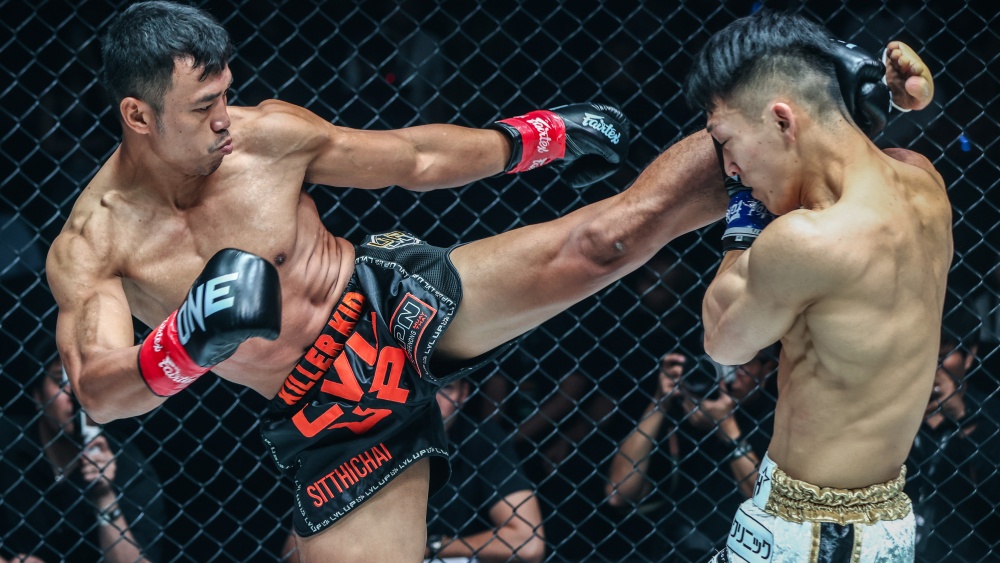
Sparring forces you to think strategically. You can’t just throw techniques randomly, you need to set them up. Maybe you feint a jab to land a kick, or even some movements to bait your partner into striking first. You also develop a feel for distance and timing. That moment when you land a kick counter at the perfect time? It didn’t happen by luck or accident; sparring teaches you how to find that perfect moment.
Building Composure Under Pressure
For many hobbyists, sparring isn’t about preparing for a fight; it’s about learning to stay calm when things get stressful. Your heart rate goes up, the adrenaline kicks in, and your brain races. Over time, you learn to breathe, stay composed, and make better decisions. You learn how to remain calm during the storm. That composure eventually carries over to other areas of life, too.
Sharpening Your Technique In Real Time
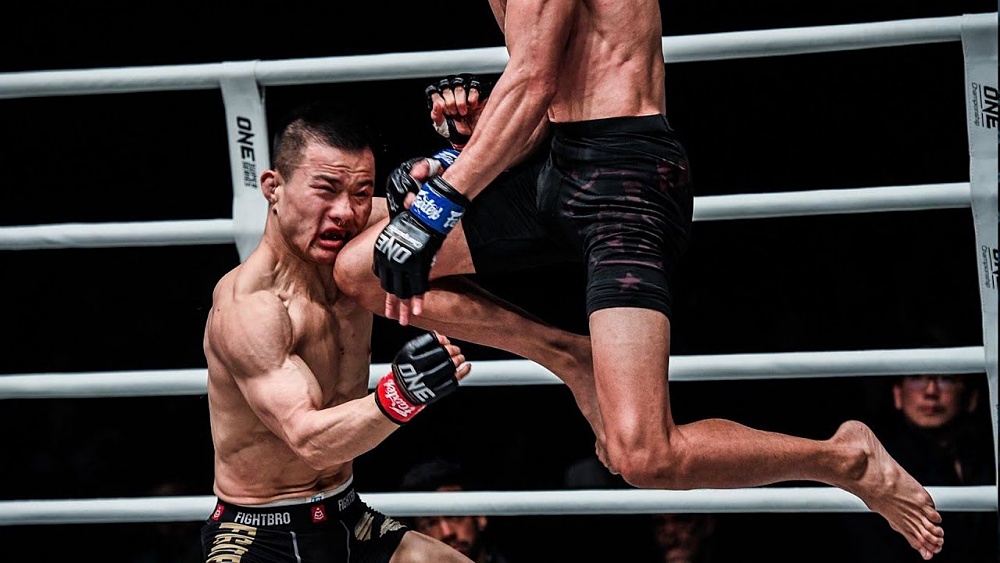
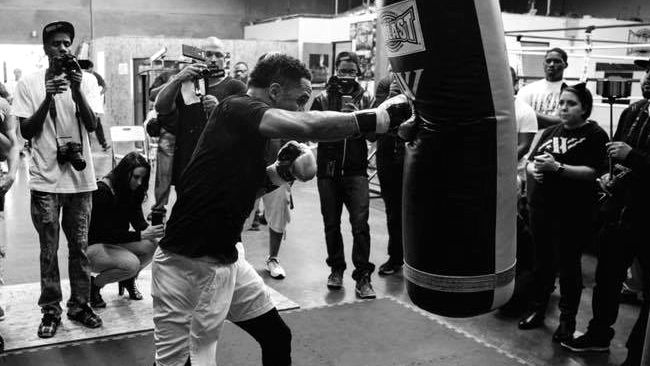
It’s one thing to throw a beautiful roundhouse kick on a heavy bag. It’s another to land it on a moving, thinking opponent. Sparring exposes the gaps in your technique; perhaps your stance is too narrow, or your punches drop too low on the return. Instead of being discouraging, this feedback is valuable. Sparring shows you exactly what to work on in class.
Sparring Doesn’t Have To Be Hard
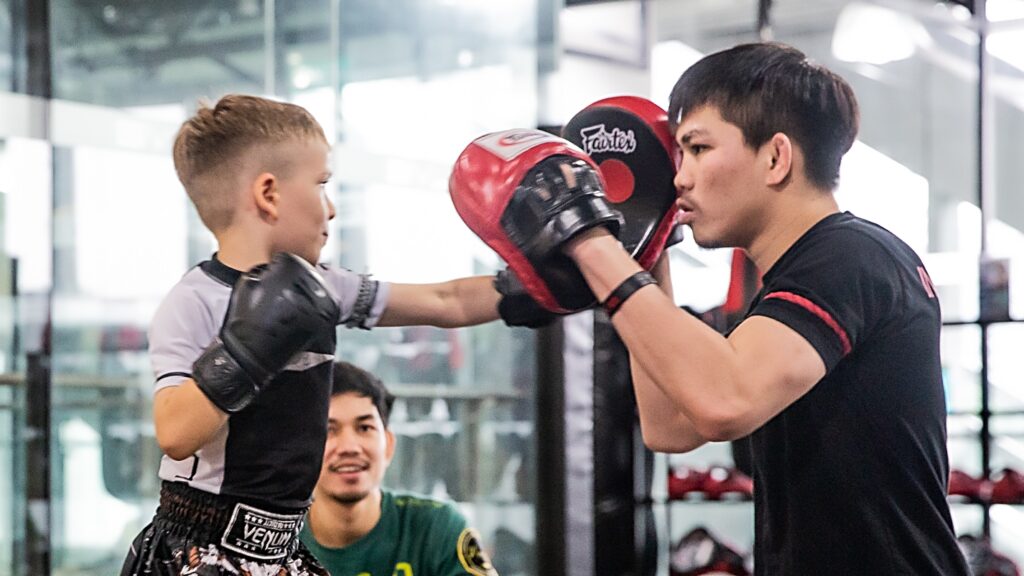
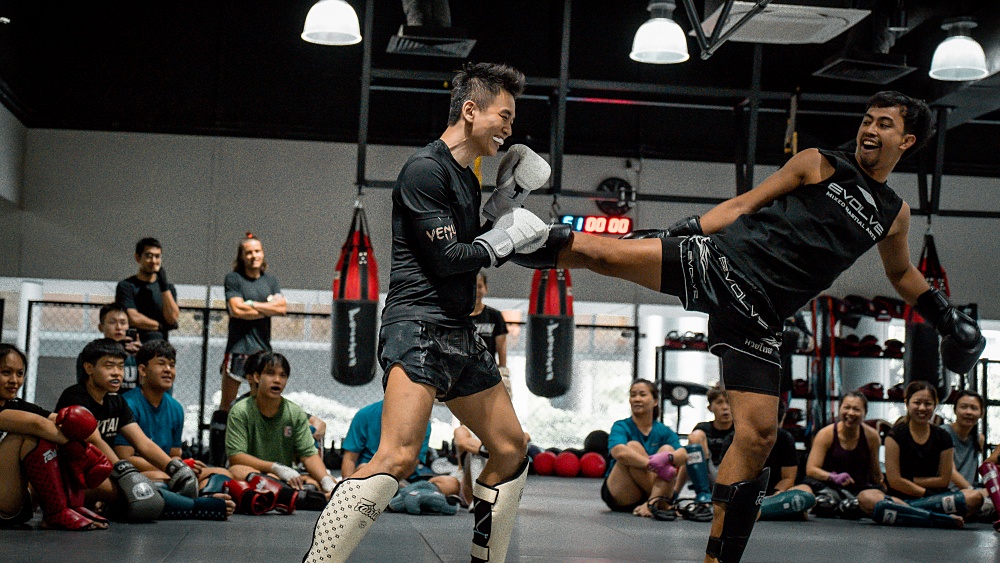
One of the biggest misconceptions is that sparring means going all out. In reality, the best gyms emphasize controlled, light sparring, especially for hobbyists. Think of it as “technical sparring” with a playful edge. The goal isn’t to knock each other out, but to experiment, try new things, and learn in real time. When sparring feels fun, even a little playful, students relax more and pick up skills faster. At Evolve MMA, instructors encourage this approach, guiding partners to keep it light and constructive. This allows students to build confidence while still enjoying the thrill of Muay Thai without unnecessary pressure.
FAQ: Sparring In Muay Thai For Hobbyists
Q: Do I Need To Spar If I Only Train Muay Thai For fitness?
A: You don’t have to, but sparring is the best way to understand Muay Thai as a martial art. It adds depth to your training and helps you apply techniques in real time.
Q: Is Sparring Dangerous For Beginners?
A: Not if done correctly. Good gyms keep sparring light and supervised. The goal is learning, not hurting.
Q: How Often Should I Spar As A Hobbyist?
A: Once or twice a week is plenty. The rest of your training can focus on pads, bag work, and conditioning.
Q: What Gear Do I Need For Sparring?
A: A good pair of gloves (14oz or 16oz), shin guards, a mouthguard, and hand wraps. Headgear is optional but often recommended for beginners.
Q: How Can I Get Better At Sparring Faster?
A: Focus on defense first, stay relaxed, and don’t worry about “winning.” Think of sparring as practice, not competition.
Final Thoughts
For hobbyists, sparring is where Muay Thai becomes more than exercise. It’s where you learn to defend, strategize, and stay calm under pressure. It makes you appreciate the art on a deeper level, while giving you skills that translate far beyond the gym. You don’t have to be a professional fighter to spar, you just need the willingness to learn. And the more you do it, the more you’ll realize: sparring isn’t about winning, it’s about learning and growing!
You may also like: