Summary
Childhood is full of big emotions. Kids experience excitement, frustration, joy, confusion, and stress as they learn about themselves and the world. Emotional awareness is the ability to recognize and understand these feelings. It helps children respond to challenges with confidence instead of reacting impulsively.
Martial arts is known for improving fitness, confidence, and discipline, but it also plays a powerful role in helping children understand and manage their emotions. Through structured practice, positive role models, and a supportive environment, martial arts gives children the tools to recognize their feelings, control their reactions, and make thoughtful decisions.
Key Takeaways
- Martial arts helps kids understand their emotions through structured routines, clear expectations, and consistent feedback.
- Training teaches kids how to stay calm, communicate clearly, and manage frustration in healthy ways.
- Emotional awareness built in martial arts naturally carries over into school, friendships, and family life.
1) Martial Arts Helps Kids Identify Their Emotions

In martial arts, kids learn that emotions have a direct impact on performance. For example, rushing into a drill without focus leads to mistakes. Feeling nervous before a technique test or sparring round is natural, and instructors guide kids to acknowledge this feeling rather than ignore it.
Over time, children learn to identify emotions like excitement, fear, frustration, and pride. This awareness is the first step toward emotional growth.
2) Training Teaches Self-Control And Calmness
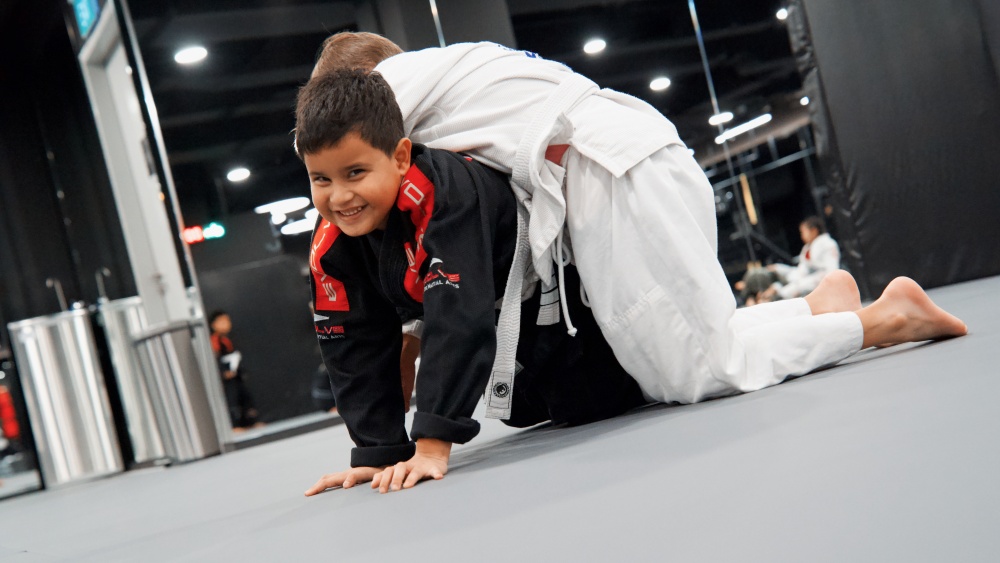
Martial arts encourage controlled movements and mindful breathing. Kids learn to pause, reset, and continue with intention. When a drill becomes challenging or a technique feels difficult, instructors coach children to stay calm instead of reacting with frustration.
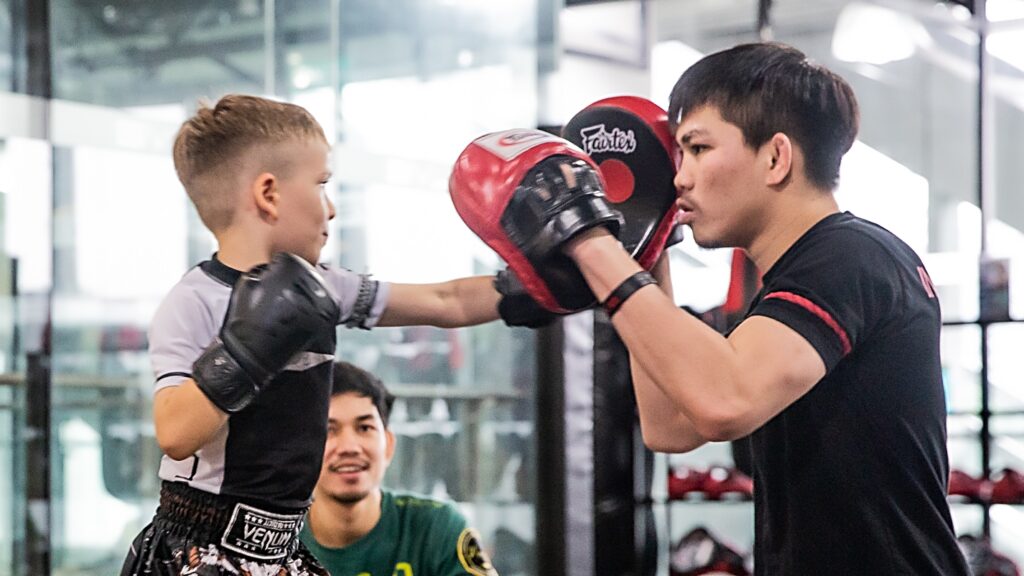
Sparring for children is always controlled and supervised, but even light partner work teaches them to stay composed under pressure. Kids learn to manage nerves, stay focused, and make thoughtful decisions.
This practice slowly builds emotional stability. Kids begin to understand that calmness helps them make better choices both inside and outside the gym.
3) Kids Learn Healthy Ways To Handle Frustration
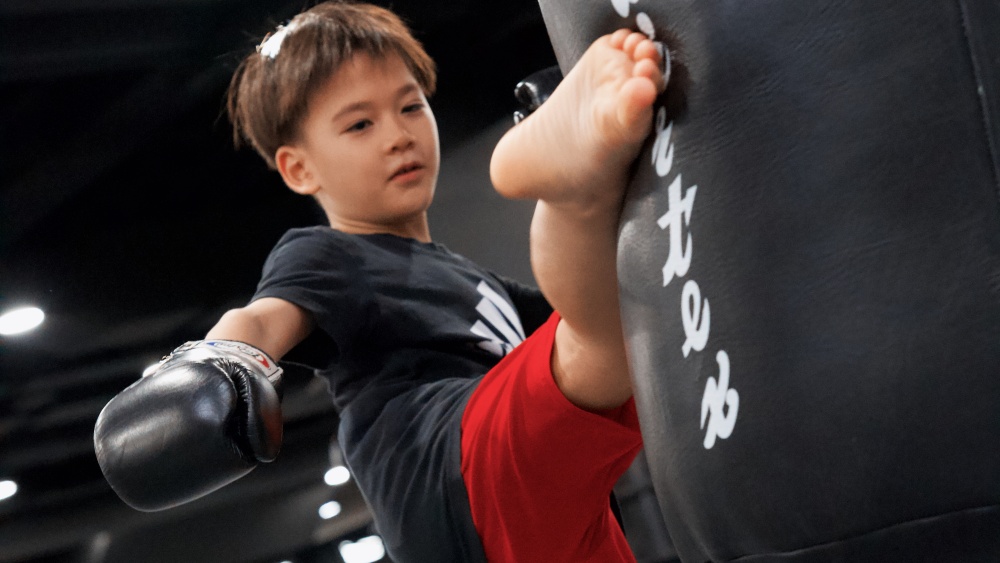
Mistakes are a normal part of training. Whether a child struggles with a kick, a stance, or a combination, they learn that progress comes from effort and patience. Instructors model positive responses by showing kids how to reset, try again, and celebrate small improvements.
This teaches children that frustration is not a barrier but a signal that they are growing.
4) Martial Arts Encourages Respect And Empathy
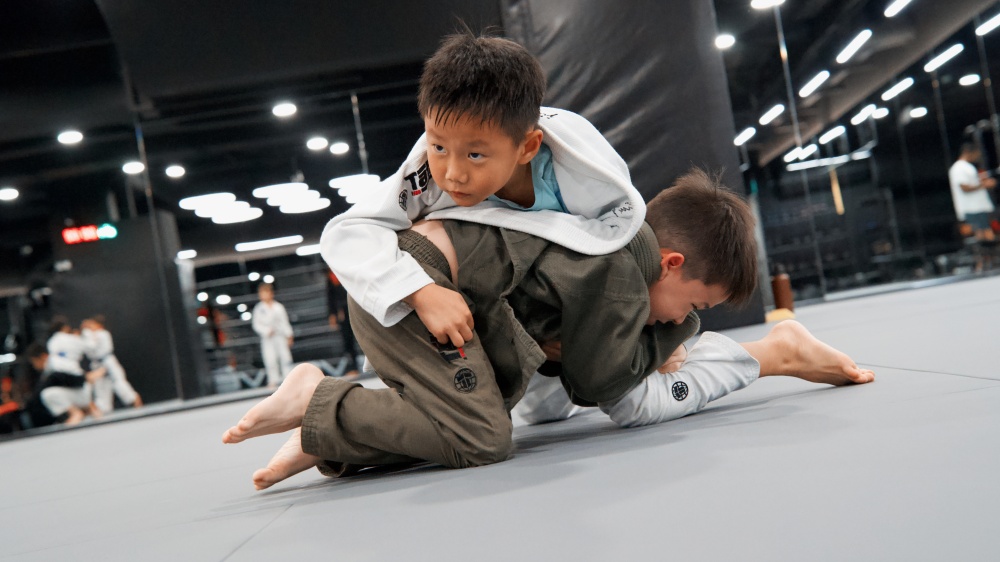
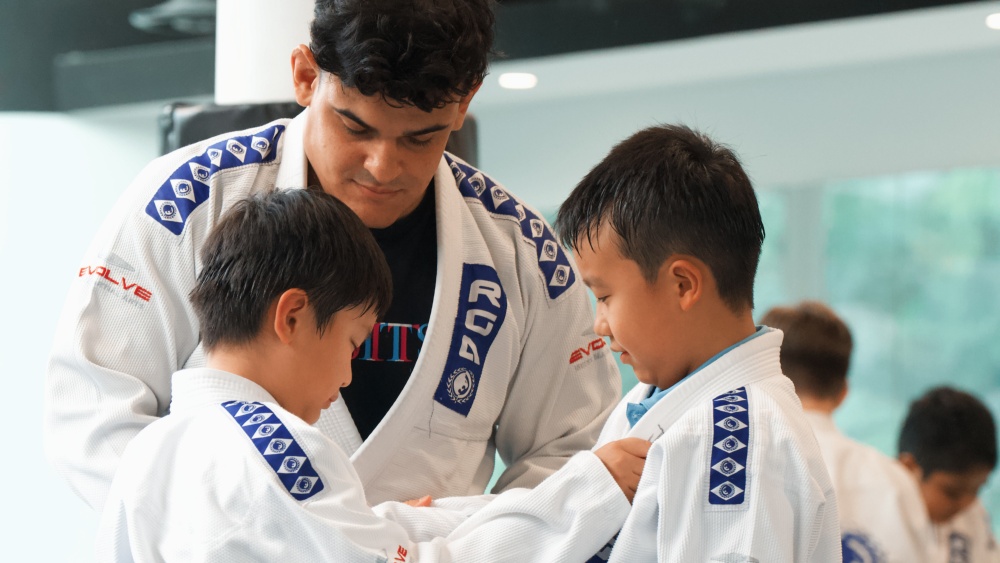
Many martial arts traditions include bowing, partner drills, and team-based activities that teach kids how to communicate respectfully. They learn to read body language, listen closely to instructions, and cooperate with training partners.
This builds empathy and emotional awareness. Children begin to understand how their actions affect others and how to express themselves kindly and confidently.
5) Training Builds Confidence Through Achievement
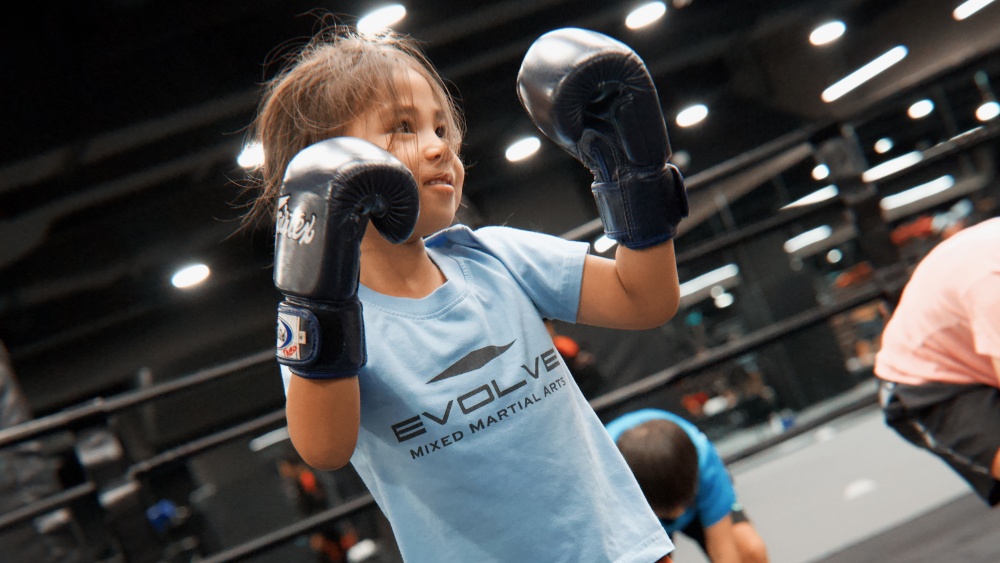
Each skill learned, stripe earned, or challenge completed gives kids a sense of accomplishment. This builds self-confidence and positive self-talk. Confident children manage emotions better because they trust their abilities and believe they can work through difficult moments.
With every milestone in training, kids become more aware of their feelings and how to channel them productively.
6) Martial Arts Helps Kids Communicate Their Feelings
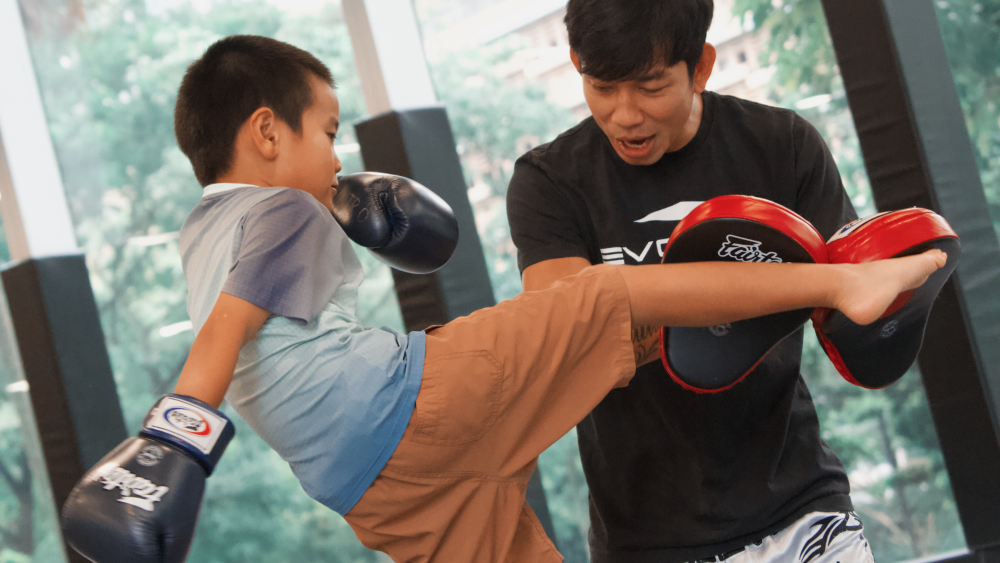
Instructors often ask kids how they feel during drills, what they enjoyed, or what challenged them. This encourages open communication and helps children put words to their emotions.
Learning to express themselves clearly is an important part of emotional awareness. It strengthens relationships and helps kids navigate both social and academic environments.
FAQs About Martial Arts For Kids
Q: Is Martial Arts Suitable For Kids Who Are Emotional Or Easily Frustrated?
A: Yes. Martial arts help children develop patience, focus, and emotional control through steady guidance and supportive practice.
Q: Does Martial Arts Help Shy Or Introverted Kids?
A: Absolutely! Training boosts confidence and helps children express themselves more openly in a safe and encouraging environment.
Q: Can Martial Arts Help With Emotional Regulation At Home Or In School?
A: Yes. Kids often carry the discipline and calmness learned in class into their daily routines.
Q: What Martial Arts are Best For Building Emotional Awareness?
A: Muay Thai, Boxing, and Brazilian Jiu-Jitsu are all effective because they pair movement with focus, communication, and structured learning.
Give Your Child The Perfect Gift Of Martial Arts Today!
Martial arts offers children more than physical skills. It teaches them how to understand their emotions, express themselves confidently, and stay calm in challenging moments. These qualities support them at home, in school, and in their friendships, which makes martial arts a meaningful part of their growth.
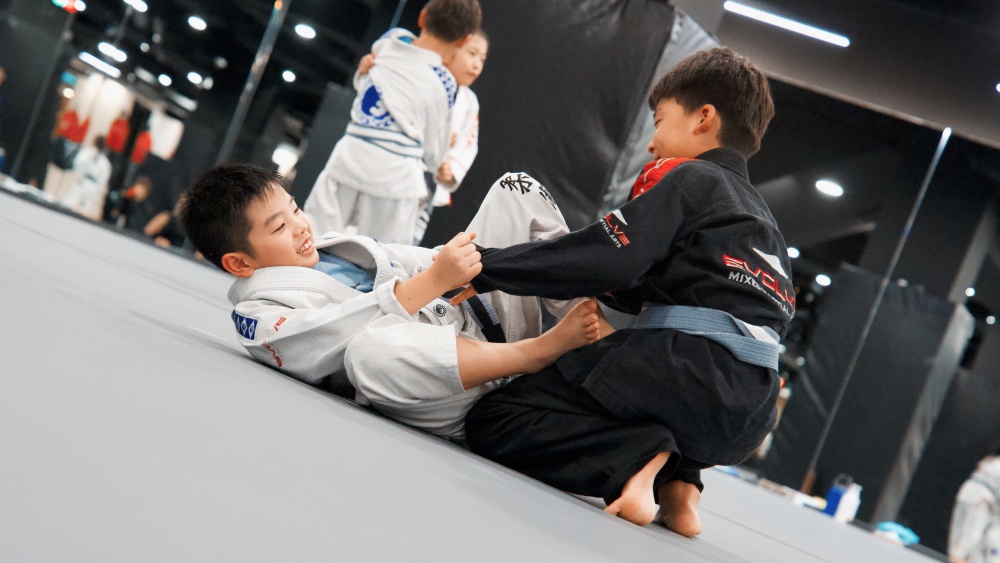
If you want your child to build confidence, emotional awareness, and healthy habits, martial arts is a great place to start. At Evolve MMA, kids learn in a structured and encouraging environment led by World-Class Instructors who care about their development. Each class helps them improve focus, resilience, and teamwork while having fun and staying active!
Book your complimentary trial class with our World Champions below!
If you have any other questions regarding Evolve MMA and the programs we offer, you can get in touch with our membership executives at the following locations:
Evolve MMA (CBD)
18 Cross St
#B1-08
Singapore 048423
Phone: (65) 6536 4525
Evolve MMA (Orchard Central)
181 Orchard Road
#06-01 Orchard Central
Singapore 238896
Phone: (65) 6536 4556
Evolve MMA (KINEX)
11 Tanjong Katong Road
#02-52 KINEX
Singapore 437157
Phone: (65) 6288 2293
Evolve MMA (Star Vista)
1 Vista Exchange Green
#02-26A The Star Vista
Singapore 138617