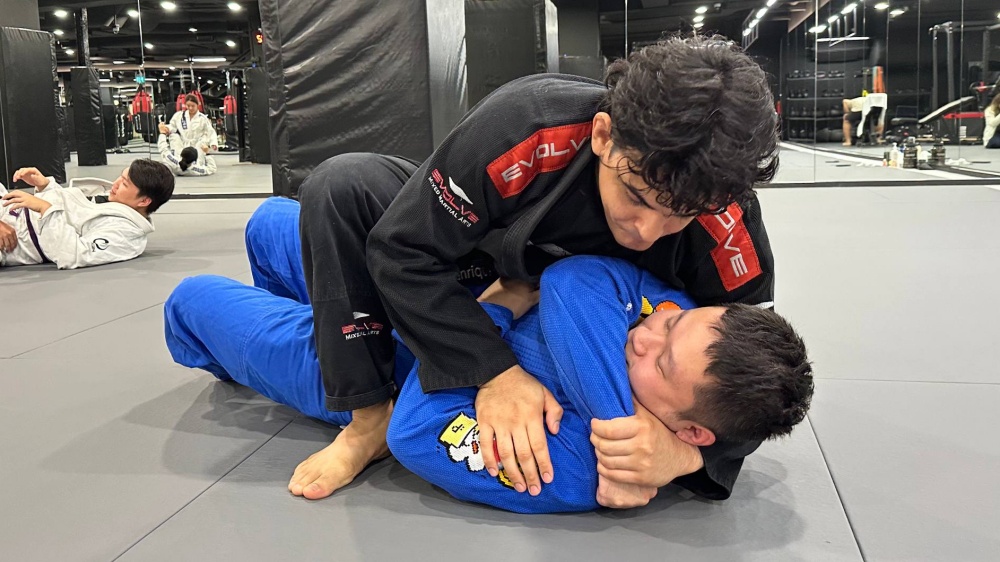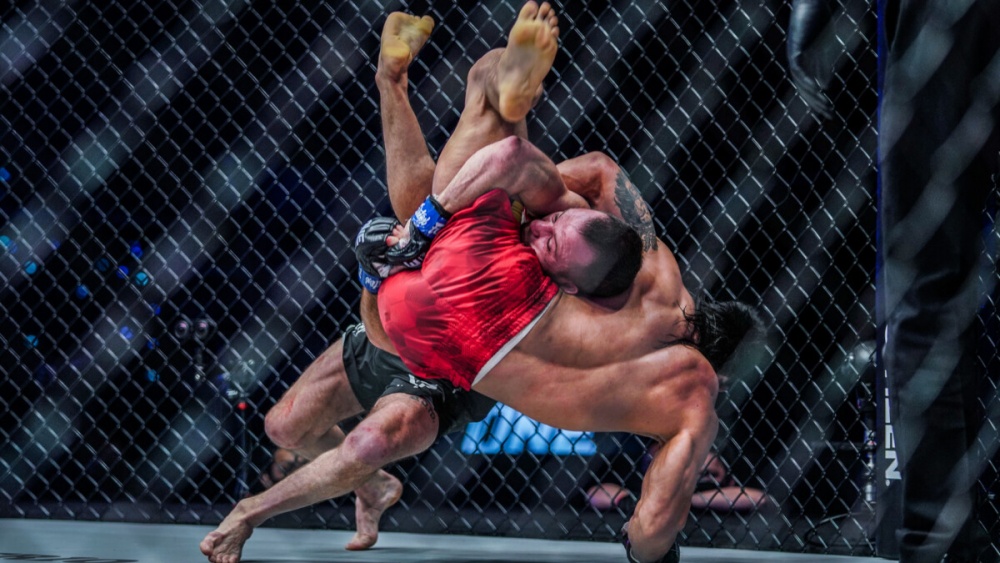
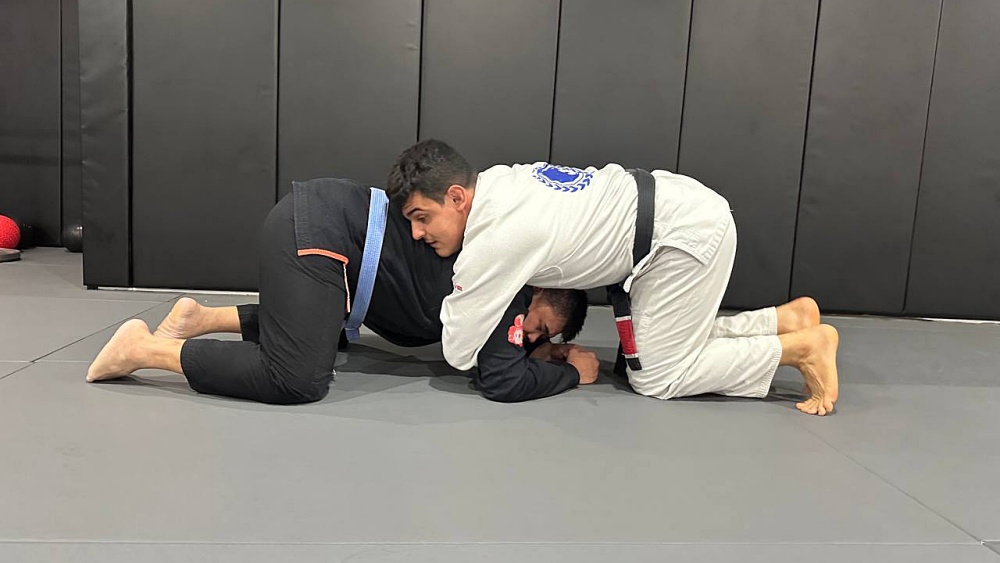
If you’ve competed in Brazilian Jiu-Jitsu, you know the rules: matches start standing. But in most gyms around the world, it’s a different story. To save time, space, and prevent unnecessary setbacks, many rolls start on the knees.
That doesn’t mean takedowns vanish from training. In fact, takedowns from the knees have become a small but important part of rolling culture. They’re quick, controlled, and can set the tone for the rest of the round. But as with all grappling exchanges, there’s a balance between effectiveness and safety.
Let’s talk about the highest percentage knee-start takedowns and the precautions that keep you and your training partners injury-free.
Why Takedowns From The Knees Matter
Training takedowns from the knees isn’t about replacing your stand-up game. It’s about adapting to the rolling environment. When you start close, you cut out the explosive double-legs that can send someone crashing to the mat, but you can still practice entries, grips, and timing.
The goal is to gain a positional advantage without turning the round into a rugby scrum. Think of it as a way to build wrestling instincts in a smaller, safer space.
The High-Percentage Options
1) Snap Down To Front Headlock
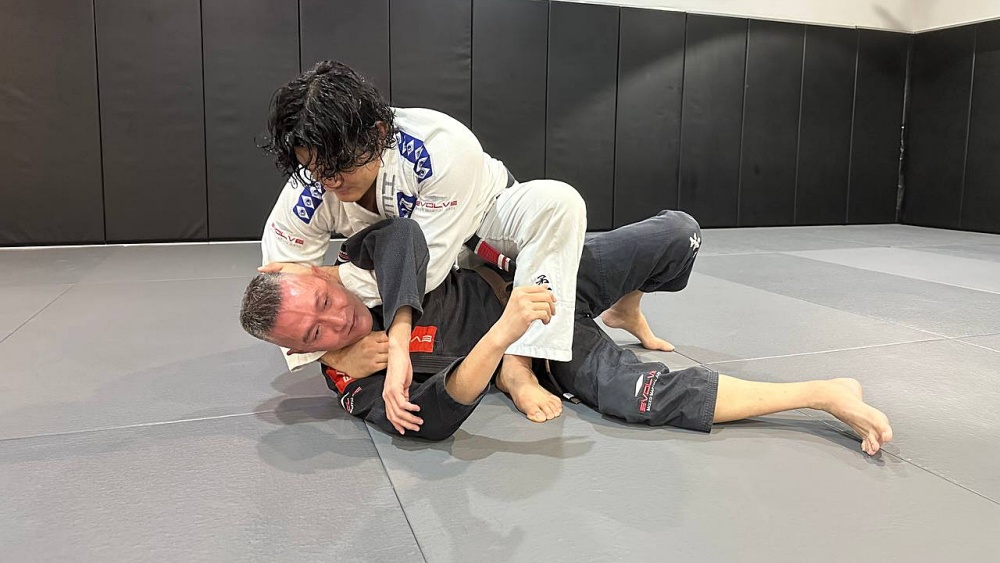
This is a classic, low-risk move that works beautifully from the knees. Control your partner’s collar tie or head-and-arm grip, snap them forward, and secure the front headlock. From there, you can attack a guillotine, transition to the back, or circle to a dominant position.
Why it works: The close range makes it easier to break posture, and you’re already near the ground if you need to follow them down.
Arm drags are pure gold in knee-start rolls. Secure the wrist, pull across your body while moving your hips out, and slip behind your opponent for the back take.
Why it works: It’s fast, technical, and doesn’t require much force, making it one of the safest and most efficient options.
3) Single-Leg From The Knees
Yes, you can still hit a single-leg even without a standing entry. Control your partner’s ankle or shin, post your lead leg for balance, and drive in for the takedown. Just make sure to finish slowly to avoid twisting their knee.
Why it works: It’s a natural adaptation of one of wrestling’s highest percentage moves, modified for a kneeling start.
Safety Considerations For You And Your Training Partner
While knee-start takedowns reduce some of the impact risk from standing, they stilll with their own risks when done incorrectly.
Here are some tips to keep things safe:
- Avoid Twisting Takedowns: Especially if your partner’s foot is planted.
- Communicate First: If you plan on going for takedowns during a roll, let your partner know.
- Control The Descent: Guide your partner to the mat rather than slamming.
- Mind The Mat Space: Rolling into another pair can potentially hurt other grappplers. Remember to always watch around your surroundings.
Remember, in the gym, the goal isn’t to “win” the start. It’s to build skills while keeping everyone healthy for the next round.
Final Thoughts
Takedowns from the knees won’t replace your stand-up game, but they’re a valuable training tool. They sharpen your grip fighting, positional awareness, and transitions, all without the higher impact of standing shots.
Mastering high-percentage moves like the snap down, arm drag, or duck-under not only helps you win the positional battle in training, but it also teaches the same timing and setups you’ll need when you go back to standing entries in competition.
Train them smart. Train them safely. And remember, sometimes the most important takedown in the gym is the one that keeps both of you rolling tomorrow.
You may also like: