Summary
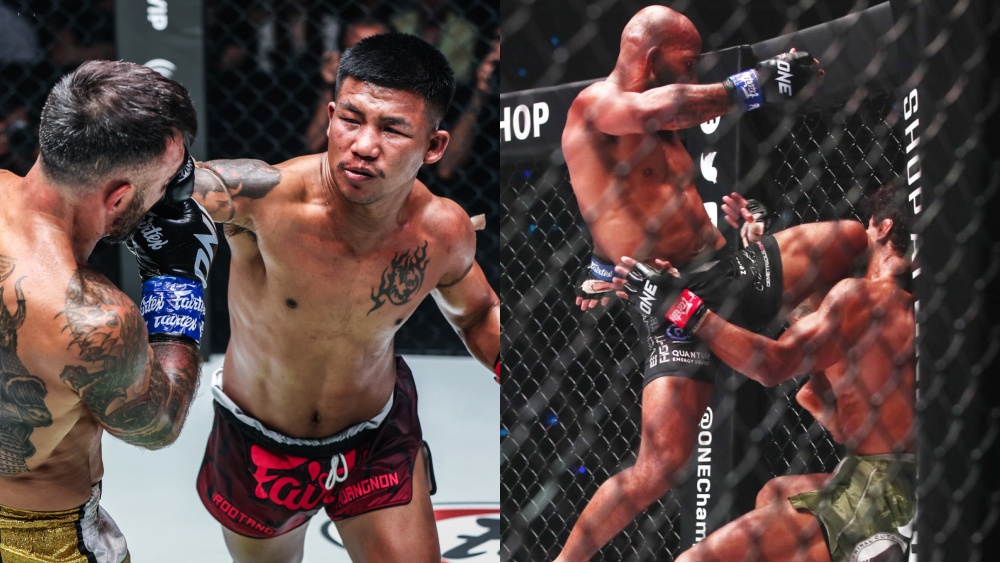
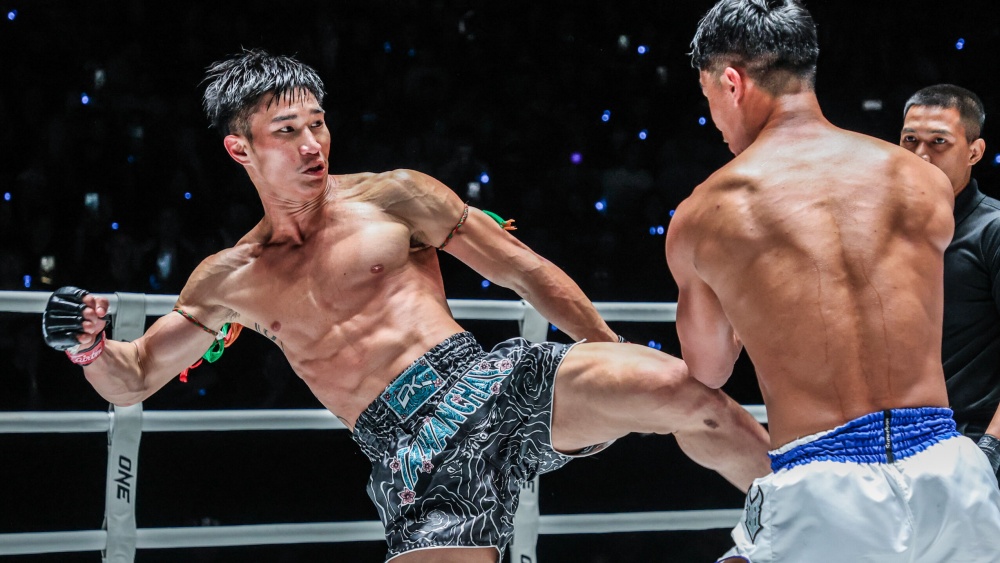
The scorpion punch is an unconventional striking technique sometimes seen in MMA and combat sports. Instead of following standard straight or looping mechanics, the punch often bends around guards or arrives from outside the opponent’s line of sight.
The name comes from the motion of a scorpion’s tail, which curves and strikes unexpectedly. In MMA, this punch is typically thrown during moments of movement, disengagement, or when an opponent believes they are momentarily safe. While not a traditional boxing punch, the scorpion punch can be a useful tool when used sparingly and with proper timing.
This article explains what the scorpion punch is, how it works in MMA, when fighters use it, and how to apply it responsibly within a broader striking system.
Key Takeaways
- The scorpion punch is a deceptive strike used to catch opponents off guard during movement or transitions.
- It relies more on timing and the element of surprise instead of raw power.
- When used selectively, it can disrupt rhythm and create openings in MMA exchanges.
Why The Scorpion Punch Exists In MMA
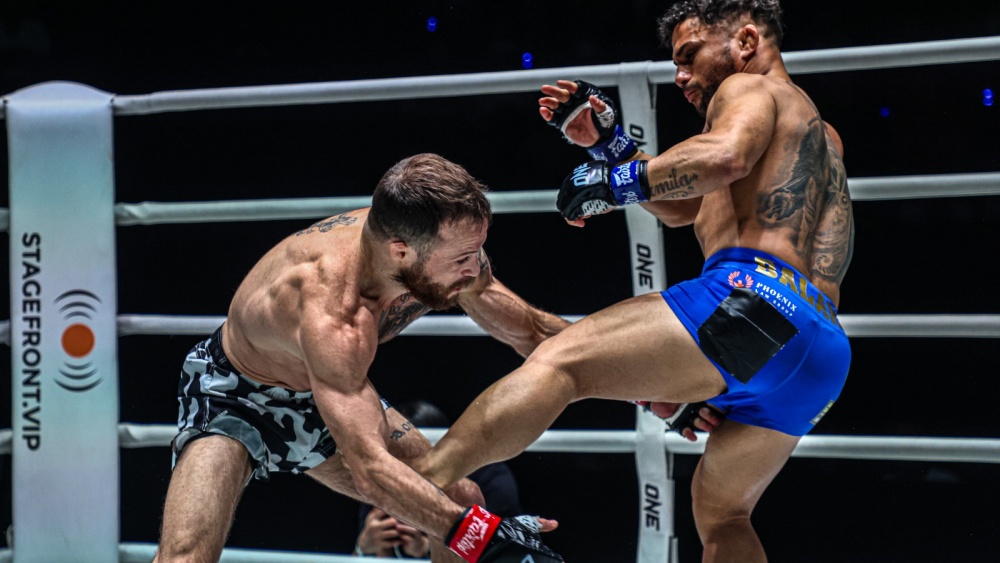
MMA striking is less rigid than traditional boxing. Fighters constantly change levels, switch stances, and move in and out of clinches. These moments create openings where unconventional strikes can land.
The scorpion punch works because it breaks expectation. Opponents are trained to defend straight punches, hooks, and uppercuts. When a punch comes from an unusual angle or timing, reactions are slower.
This makes the scorpion punch a situational weapon rather than a core technique.
How The Scorpion Punch Is Thrown
While variations exist, the basic mechanics follow a few principles.
The arm starts relaxed and slightly low. As the punch is thrown, the elbow bends, and the fist snaps upward or sideways toward the target. The motion is quick and compact rather than wide or swinging.
The body stays balanced. The punch relies on timing and speed, not full-body rotation. Overcommitting makes the strike risky.
Most fighters aim for the chin, cheek, or temple, where light contact can still disrupt vision or rhythm.
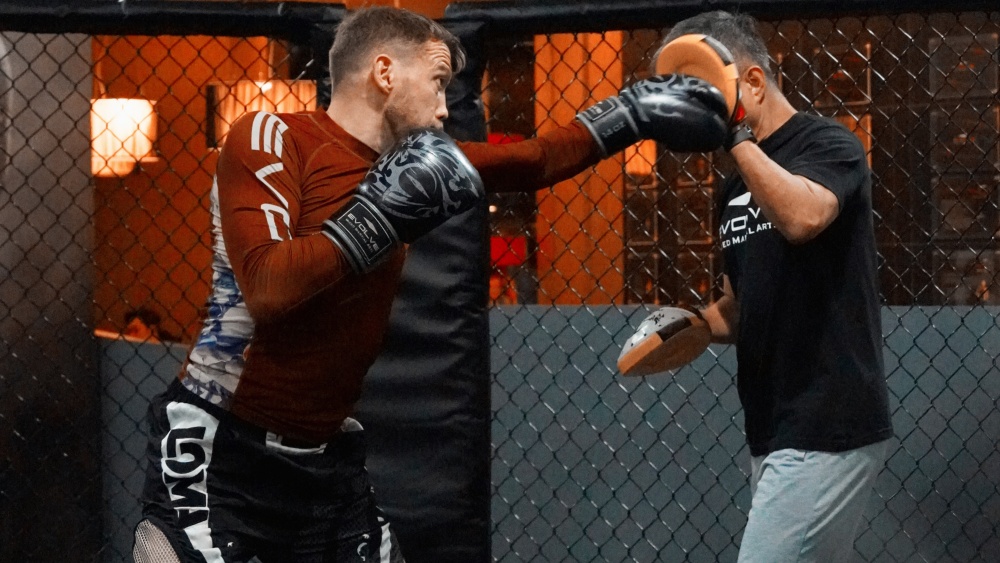
How To Train The Scorpion Punch Safely
- Practice Timing First: Work on throwing the punch during movement rather than from a static stance.
- Keep It Compact: Large or looping motions defeat the purpose and increase risk.
- Pair It With Defense: Always be ready to move your head or reset your guard immediately after throwing.
- Use It Sparingly: Think of the scorpion punch as a punctuation mark, not a sentence.
Common Situations Where The Scorpion Punch Is Used
- Surprise Factor: The main advantage is unpredictability. It can catch opponents who are otherwise defensively sound.
- Rhythm Disruption: Even if it does not land cleanly, the punch can force opponents to hesitate or reset.
- Low Commitment: When thrown correctly, it does not require full weight transfer, allowing the fighter to remain mobile.
How It Fits Into The MMA Striking System
The scorpion punch works best when layered into a broader striking approach. Fighters who already establish strong jabs, kicks, and footwork can use it to surprise opponents who have settled into predictable defenses.
Its especially effective against opponents who pressure aggressively or rely heavily on high guards.
FAQs On The Scorpion Punch
Q: Is The Scorpion Punch Legal In MMA?
A: Yes. Its a legal hand strike under MMA rules.
Q: Is The Scorpion Punch Common In Boxing?
A: No. Boxing rules and stance make it less practical compared to MMA.
Q: Does The Scorpion Punch Generate Knockout Power?
A: Its more about disruption and timing than power.
Q: Should Beginners Learn The Scorpion Punch?
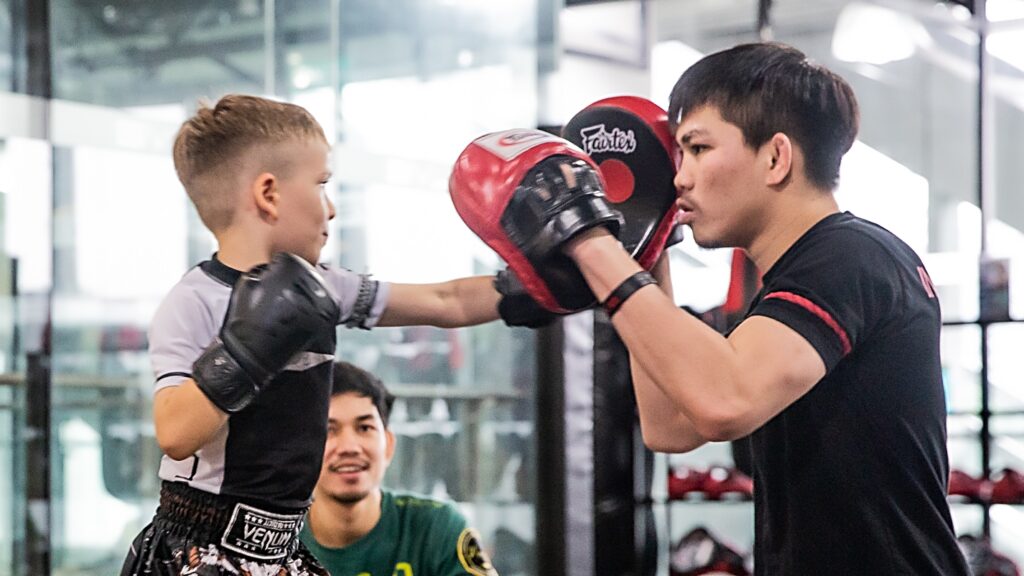
A: Beginners should focus on fundamentals first before experimenting with unorthodox strikes.
Q: Can The Scorpion Punch Be Countered Easily
A: Yes, if overused or thrown without balance, it can be countered.
Final Thoughts
The scorpion punch is an example of how creativity plays a role in MMA striking. It is not a replacement for solid fundamentals, but a situational tool that rewards timing and awareness. When used sparingly and intelligently, it can disrupt rhythm, create openings, and keep opponents guessing. Like many unconventional techniques in MMA, its value lies in surprise and control rather than brute force.
You may also like: