Summary
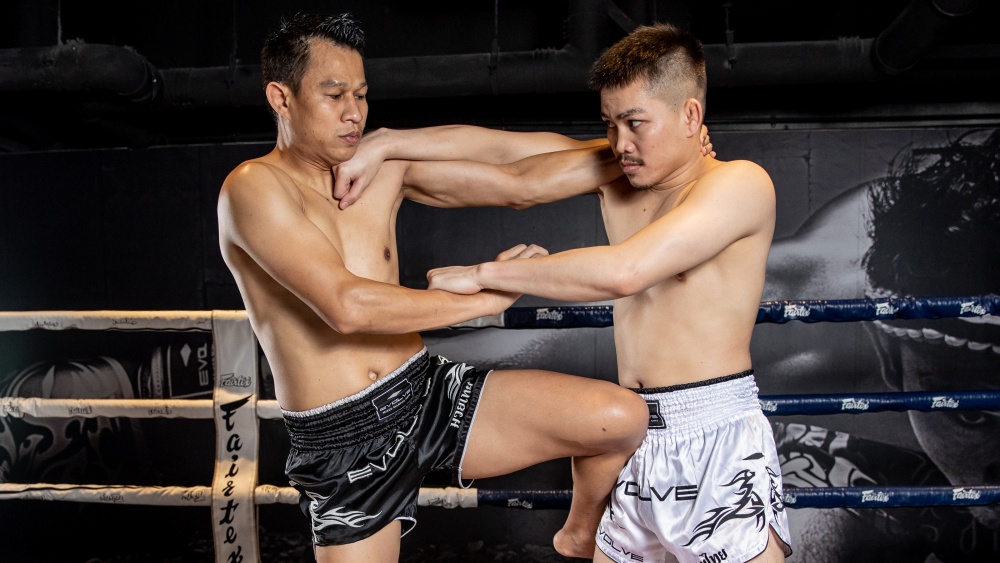
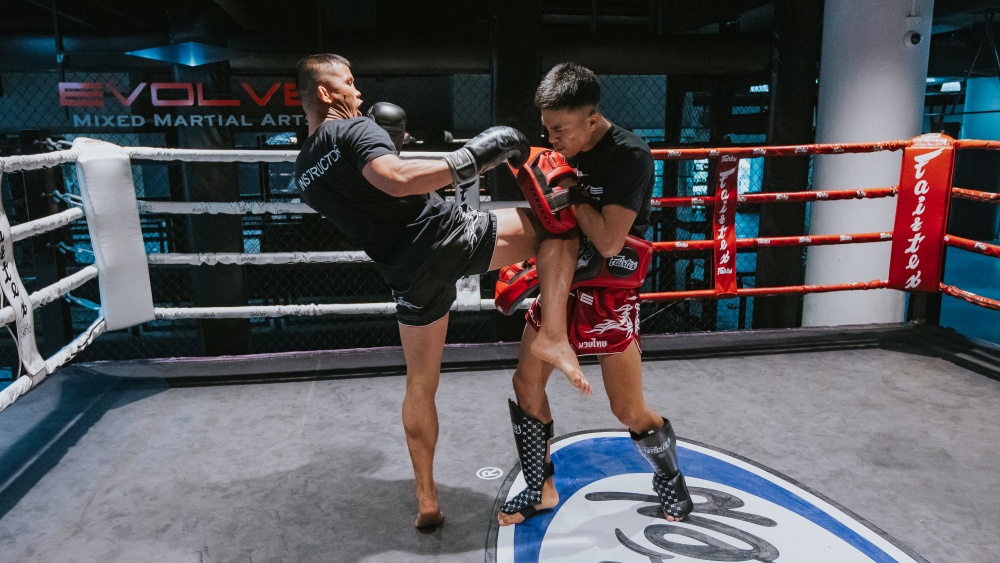
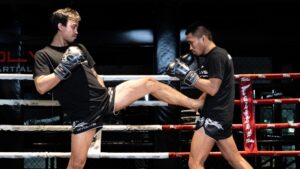
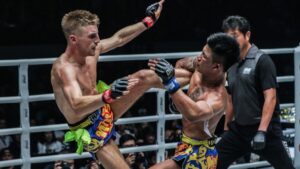
Flexibility is one of the most overlooked aspects of Muay Thai training, yet it directly affects how well you kick, how efficiently you move, and how resilient your body is against injury. Tight hips, stiff hamstrings, and restricted hip flexors limit your kicking range, slow down your techniques, and force your body to compensate in ways that drain energy and increase the risk of strains. This article covers the key principles of effective stretching for Muay Thai, followed by five essential stretches — the butterfly, lunge stretch, sumo squat, center splits, and front splits, that target the specific muscle groups responsible for kicking power, range of motion, and mobility in the ring. Each stretch includes step-by-step instructions you can apply immediately. As Muay Thai World Champion and Evolve MMA instructor Chaowalit Jocky Gym explains, “Flexibility is not a bonus, it is part of your technique. A fighter with open hips and loose muscles will always kick higher, faster, and with less effort than a fighter who is stiff.”
Key Takeaways
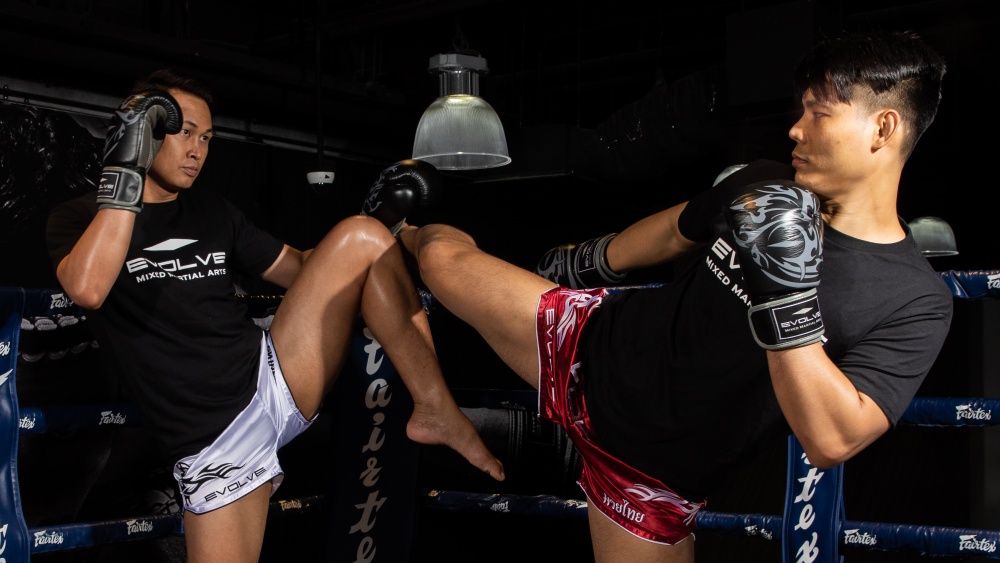
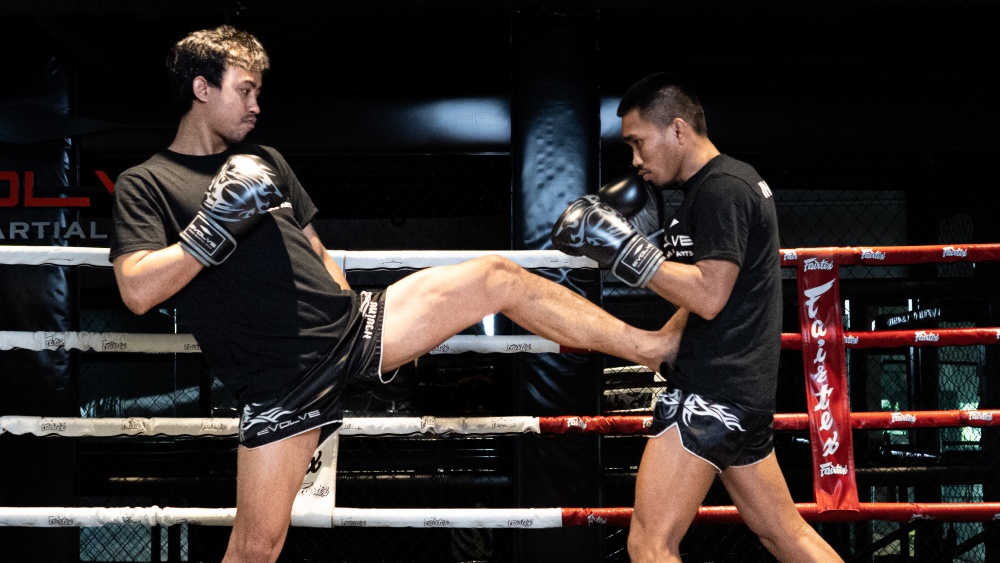
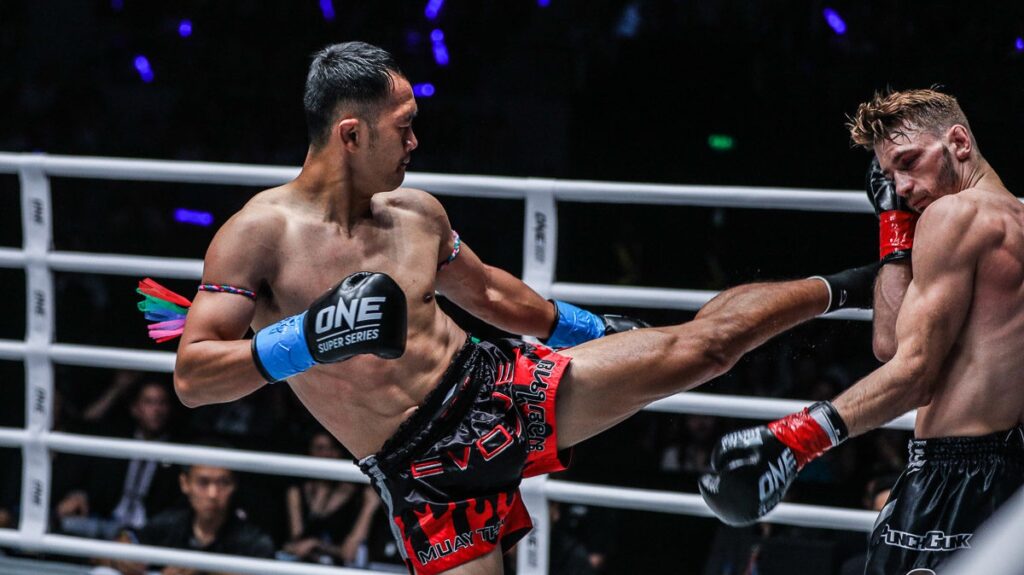
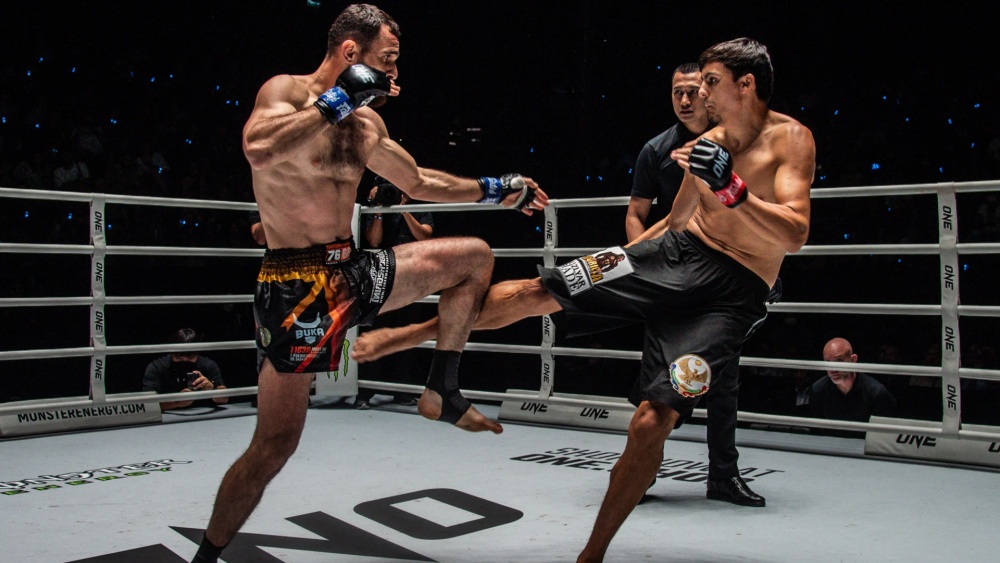
- Flexible hips are essential for effective Muay Thai kicks. The roundhouse kick, teep, and high kick all require significant hip mobility, without it, your range is limited and your body compensates by sacrificing form and power.
- Stretching must be consistent and daily to produce results. A ten-minute stretching session every day will improve your flexibility far more than one long session per week.
- Always warm up before deep stretching. Stretching cold muscles increases the risk of injury and reduces the range of motion you can achieve, light calisthenics or a short jog before stretching makes a significant difference.
- Progressive stretches build toward advanced positions. The butterfly and lunge stretch prepare your body for center and front splits, skipping the foundational stretches and jumping straight to advanced positions is how injuries happen.
- Improved flexibility reduces injury risk and speeds recovery. Flexible muscles and joints absorb impact better, recover faster after training, and are far less prone to the strains and tears that sideline fighters.
Why Flexibility Matters For Muay Thai
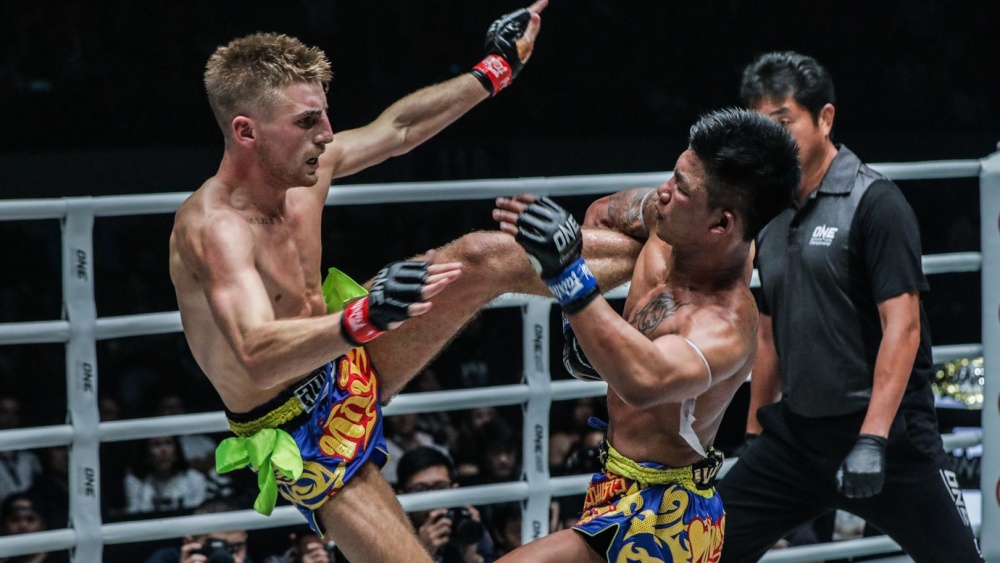
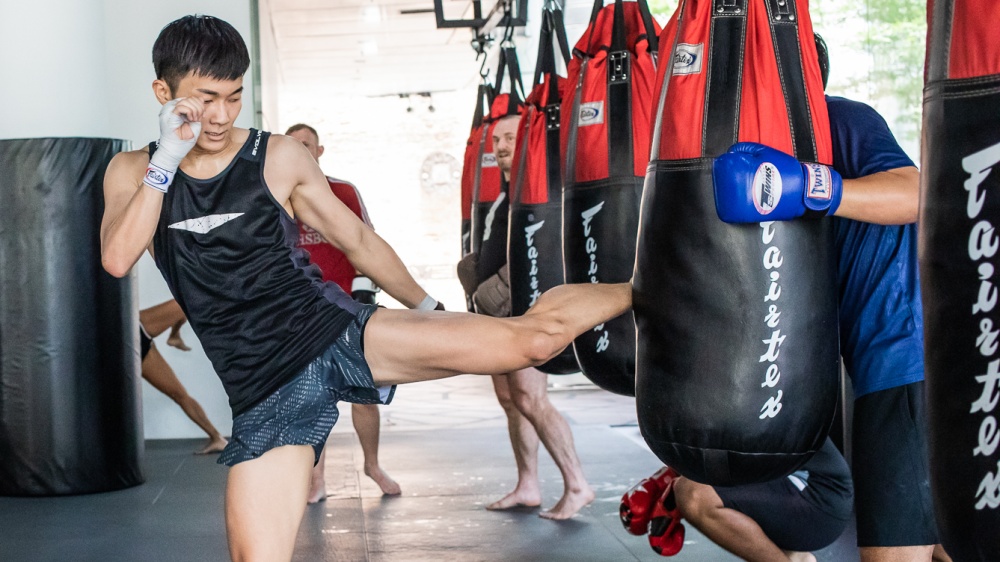
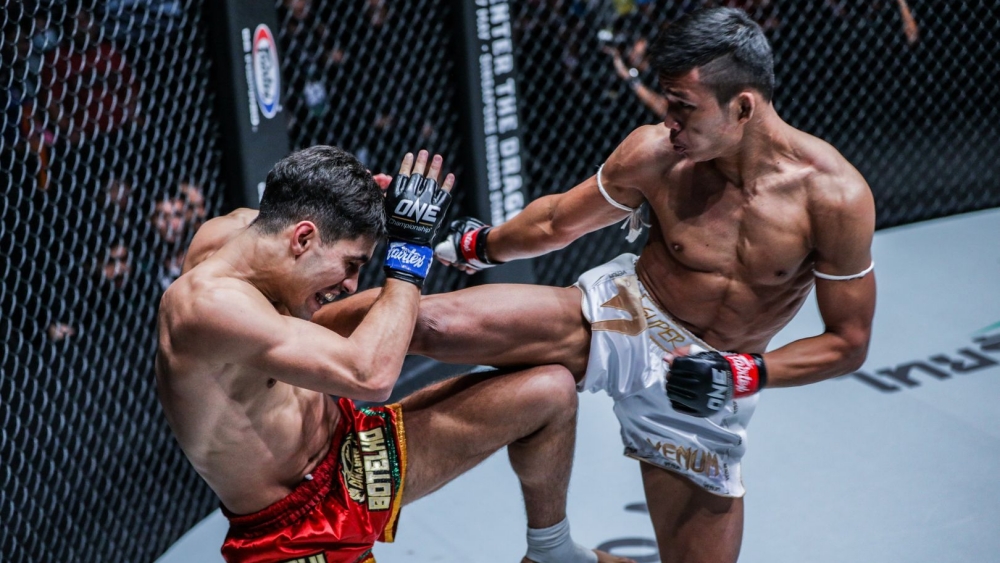
Flexibility is not just about being able to throw high kicks, although that is one of the most visible benefits. In Muay Thai, improved flexibility allows you to execute techniques with greater range and less energy expenditure. A roundhouse kick thrown with open, mobile hips requires significantly less muscular effort than the same kick forced through tight, restricted hip flexors. Over the course of a five-round fight or a two-hour training session, that energy savings adds up.
Beyond kicking, flexibility affects your defensive movement, your ability to absorb and recover from strikes, and the speed at which your body bounces back between training sessions. Flexible muscles have better blood flow, which accelerates recovery and reduces the delayed-onset muscle soreness that can make you sluggish in your next session. Stiff, tight muscles are also more vulnerable to strains, pulls, and tears, the kinds of injuries that take fighters off the mats for weeks.
The good news is that flexibility is entirely trainable. It does not require exceptional genetics or years of gymnastics background. It requires consistent, patient stretching with proper technique, and the willingness to make it a daily habit rather than an afterthought.
Key Principles For Stretching In Muay Thai
Before diving into specific stretches, there are several principles that will help you get the most out of every session.
Stretch early and stretch daily. Make stretching part of your morning routine. Even ten minutes of stretching immediately after getting out of bed — following a brief warm-up of light calisthenics or a short jog — will produce meaningful improvements over weeks and months. Consistency matters far more than intensity.
Warm your body up first. Stretches are significantly more effective when blood is already flowing to your muscles. A warm muscle has greater range of motion and is less prone to injury under stretch. Five minutes of light movement — jumping jacks, bodyweight squats, or a short run — is sufficient before stretching.
Hold your stretches, do not bounce. When you reach the end of your comfortable range of motion, hold the position for 30 seconds to two minutes. Bouncing in a deep stretch triggers a protective reflex in the muscle that actually tightens it rather than lengthening it, and it increases the risk of micro-tears. Steady, sustained pressure is what produces lasting flexibility gains.
Aim for three to five repetitions of each stretch. One pass through a stretch produces minimal adaptation. Multiple sets at a sustained hold time give the muscle enough time under tension to genuinely lengthen and adapt.
Practice Muay Thai techniques in slow motion. Slow-motion shadowboxing — particularly kicks and knees — doubles as a flexibility exercise while simultaneously improving your balance and technique. Holding your leg at the top of a slow roundhouse kick stretches the hip flexors and adductors while building the stabilizer strength needed for fast kicks.
Stay hydrated. Dehydrated muscles and connective tissue are stiffer and more injury-prone. Proper hydration improves tissue elasticity and makes every stretch more productive.
1) The Butterfly Stretch
This is one of the easiest ways to stretch your hip adductors. It also prepares your muscles for more advanced stretches like splits. Flexible hip adductors (the muscles in your groin area) are essential to execute many kicking techniques used in Muay Thai. For instance, you need flexible hip adductors to throw roundhouse kicks properly.
The butterfly stretch also stretches your lower back, hips, and inner thigh muscles. It improves flexibility in the inner thigh adductors, which are used to bring your legs together and maintain stability. This pose also opens up your hips, so make it part of your warmup routine if you spend most of your day sitting down since that can cause tight hips.
To perform the exercise:
- Sit on the ground and keep your legs in front of you.
- Grab one of your feet and bring it toward your groin area. Its sole should be facing your opposite thigh.
- Do the same with your other foot, so that your soles are touching each other.
- Grab your feet and rest your elbows on your knees.
- Keep your back straight as you move your knees toward the ground by gently pushing on them with your elbows. Hold the stretch for three minutes, rest, and repeat three to five times.
2) Lunge Stretch
This exercise increases flexibility in your hip flexors, allowing you to move your legs faster and freer when throwing kicks. It is another effective exercise for loosening tight hips from cycling or sitting for long periods. It helps to develop the full range of motion in your hip flexors, leading to faster, more powerful kicks.
Here’s how to perform a lunge stretch:
- Get into a split stance with your right leg forward and your left leg behind you.
- Bend your right knee, so your upper and lower leg form a 90-degree angle at your knees. This puts you in a forward lunge position.
- Put your hands on your right knee, keep your hips even and relax your shoulders. Push down on your knee with your hands and drive your hips forward until you feel a stretch at the front of your thigh, groin, and hip. Hold the stretch for one to two minutes and switch sides.
3) Sumo Squat Stretch
The sumo squat stretch targets your hip flexors and hip adductors. The position also strengthens your quadriceps and glutes.
Here’s what it looks like:
- Stand upright with your feet about shoulder-width apart. Turn your feet at a 45-degree angle facing away from your body. Don’t force the position, just try to get your feet facing away from you as much as possible.
- Squat down until your ankles, knee, and hips form a 90-degree angle.
- Place your hands on the inner part of your knees and push outward to open up your legs for the stretch. Hold the position for one to two minutes before letting go. Repeat three to five times.
4) Center Splits
Center splits are one of the best stretches for your groin area, and it helps prepare your body for front splits. You don’t need to be able to do a full split to enjoy the benefits of this stretch. Just go as low as you can comfortably go and hold the position to stretch your groin muscles from multiple angles. Add this split to your training routine if you want to be able to throw super high roundhouse kicks.
You should always warm your body up and perform basic stretches like the butterfly before attempting center splits.
Here’s what you do:
- Step your feet out as far as you can and put your hands on your hips.
- Lower your upper body until your hands are on the floor. Shift your hips back and forth to ease into the stretch.
- Point your feet inward and pull your kneecaps towards your hips. Keep most of your weight on your hands as you drop your hips toward the floor.
5) Front Splits
Here’s another advanced stretch that targets your hip flexors and adductor muscles. You might have to work your way up to it with lunge stretches and butterflies. Here’s what it looks like:
- Get into a lunge position with the knee of your back leg down on the ground.
- Place your hands on your hips and keep your front foot flat on the ground. Keep your back toes pointing away from you with the back of your foot on the ground.
- Glide your front foot outward and move your back leg backward while dropping your hips to the mat. Feel free to use your hands to stabilize yourself as you drop into the stretch.
Conclusion
Flexibility is not a separate skill from Muay Thai — it is embedded in every kick, every knee, and every defensive movement you make. The five stretches covered in this article target the specific muscle groups that matter most for Muay Thai performance: the hip adductors, hip flexors, hamstrings, and groin. Practiced consistently — daily if possible, always after warming up — they will progressively open your hips, increase your kicking range, reduce your injury risk, and make every technique you throw more efficient.
“I have trained fighters for many years, and the ones who stretch every day always improve faster than the ones who skip it. Flexibility is like savings in a bank, a little bit every day becomes something powerful over time.” — Chaowalit Jocky Gym, Muay Thai World Champion & Instructor at Evolve MMA
Frequently Asked Questions About Flexibility For Muay Thai
Q: How long does it take to improve flexibility for Muay Thai?
A: With daily stretching of 10 to 15 minutes, most people notice meaningful improvements within four to six weeks. Significant changes — like being able to throw comfortable head kicks or approaching the splits — typically take three to six months of consistent work.
Q: Should I stretch before or after training?
A: Both, but differently. Before training, use dynamic stretches — leg swings, hip circles, slow kicks — that warm up the muscles without holding deep positions. After training, when your muscles are warm, use static stretches with longer holds to develop lasting flexibility gains.
Q: Can stretching improve my kicking power?
A: Yes. Greater flexibility means your hip can rotate more freely through the kick, which increases the range of motion and allows more force to transfer into the target. A kick thrown with full hip extension through a flexible range is significantly more powerful than one forced through tight, restricted muscles.
Q: Is it normal to feel discomfort while stretching?
A: Mild discomfort or a pulling sensation is normal and expected — this is the feeling of the muscle being gently lengthened. Sharp pain, however, is a signal to stop immediately. Stretching should feel like progressive tension, not acute pain.
Q: Do I need to be able to do the splits for Muay Thai?
A: No. Full splits are an advanced flexibility goal, not a requirement. The progressive stretching work you do on the way toward splits — butterfly, lunge stretches, sumo squats — provides the vast majority of the flexibility benefits you need for effective Muay Thai kicking.
Q: Will flexibility training make me slower or weaker?
A: No. This is a common misconception. Flexibility training, when combined with strength and technique work, actually improves speed by allowing your muscles to contract through a greater range of motion with less internal resistance. It does not reduce strength or power.
Q: How often should I stretch for Muay Thai?
A: Daily stretching produces the best results. Even on rest days, a short 10-minute stretching session helps maintain and progressively improve your range of motion. Consistency is the single biggest factor in flexibility development.
Q: Can I improve flexibility if I am starting Muay Thai as an adult?
A: Absolutely. While flexibility gains may come slightly slower for adults than for children, the body remains adaptable at any age. Adults who stretch consistently see significant improvements — many adult beginners achieve comfortable high kicks and deep stretches within their first year of dedicated practice.
You may also like: