Summary
In boxing, punches get attention, but footwork wins fights. The double step is a subtle yet powerful movement that allows fighters to close distance, create angles, and disrupt rhythm without overcommitting.
While it looks simple, the double step can completely change how you control range and timing. Whether you are sparring or drilling on the bag, understanding this footwork pattern adds a new layer to your boxing game.
Key Takeaways
- The double step is a range closing footwork technique in boxing that allows fighters to create angles while maintaining balance and control.
- Proper weight distribution is essential for executing the double step effectively, and timing often matters more than speed when applying it in real exchanges.
What Is The Double Step In Boxing
The double step in boxing is a quick two-phase forward movement used to close the distance safely. Instead of taking one large step that risks balance, the fighter advances in two controlled bursts. This keeps the stance compact and ready to punch.
At its core, the double step is about maintaining structure. The lead foot initiates movement, followed immediately by the rear foot resetting stance alignment. The second step often acts as the true entry, allowing punches to fire from a stable base.
Many fighters use this technique subtly to pressure opponents without telegraphing their intentions. It is especially useful against opponents who rely heavily on retreating straight backward.
Why The Double Step Matters In Modern Boxing
Boxing has evolved into a game of inches. Fighters who manage distance efficiently tend to control the tempo of a round. The double step allows you to close space without lunging or reaching.
When a boxer rushes forward in one large motion, they often overextend. This creates openings for counters. The double step prevents that by keeping your weight centered and your guard intact.
It also disrupts rhythm. A sudden second burst of movement can surprise an opponent who expects only one step. That split-second hesitation creates opportunities for jabs, body shots, or angled entries.
How To Execute The Double Step Properly
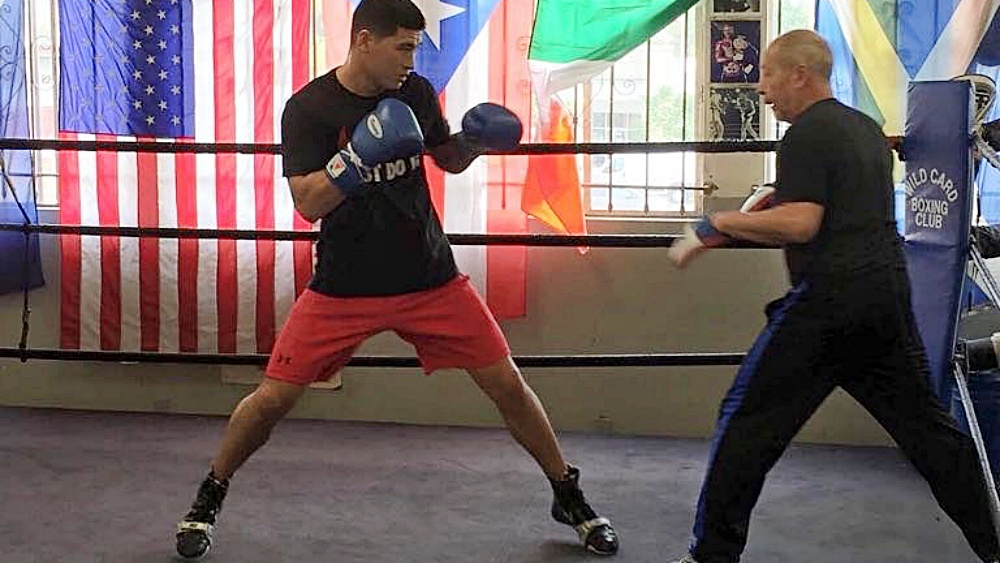
Start in your standard boxing stance with knees slightly bent and weight evenly distributed.
Step one: Push lightly off the rear foot and slide the lead foot forward a short distance. Keep the movement compact.
Step two: Immediately bring the rear foot forward to re-establish stance balance. This second motion should feel smooth, not rushed.
Once both feet are grounded and stable, fire your combination. Common options include:
- Jab-Cross
- Double Jab
- Jab to the body followed by a cross
The key is not speed alone. Focus on staying balanced throughout the movement. If your head drifts too far over your front foot, you are stepping too aggressively.
Common Mistakes With The Double Step
One common mistake is turning the double step into a jump. Lifting both feet too high breaks structure and slows reaction time.
Another error is stepping without upper body readiness. Your hands must stay active and protective. Good footwork supports defense as much as offense.
Finally, many boxers forget to add angles. The double step can also be slightly diagonal, helping you avoid walking straight into counters.
FAQs On The Double Step In Boxing
Q: Is The Double Step Suitable For Beginners In Boxing?
A: Yes. The double step is beginner friendly because it reinforces proper stance and balance. It builds good habits around controlled movement.
Q: When Should I Use The Double Step?
A: Use it when your opponent is retreating or when you need to close distance without overcommitting. It works well after feints.
Q: Can The Double Step Be Used Defensively?
A: Yes. While primarily an offensive entry tool, it can also help reset distance quickly when paired with backward movement.
Q: How Do I Drill The Double Step Effectively?
A: Practice shadowboxing with slow controlled reps. Focus on balance first, then add combinations. Heavy bag rounds are also useful for timing the second step with punches.
Q: Does The Double Step Work In Amateur And Professional Boxing?
A: Absolutely. Footwork principles apply across all levels. Fighters at every stage rely on efficient movement to control space.
Final Thoughts
The double step in boxing proves that small movements create big advantages. It may not look dramatic, but it allows you to enter range with control and purpose.
Mastering this footwork pattern improves balance, timing, and confidence. In boxing, the fighter who controls distance usually controls the fight. And sometimes, that control begins with two simple steps.
You may also like: