Summary
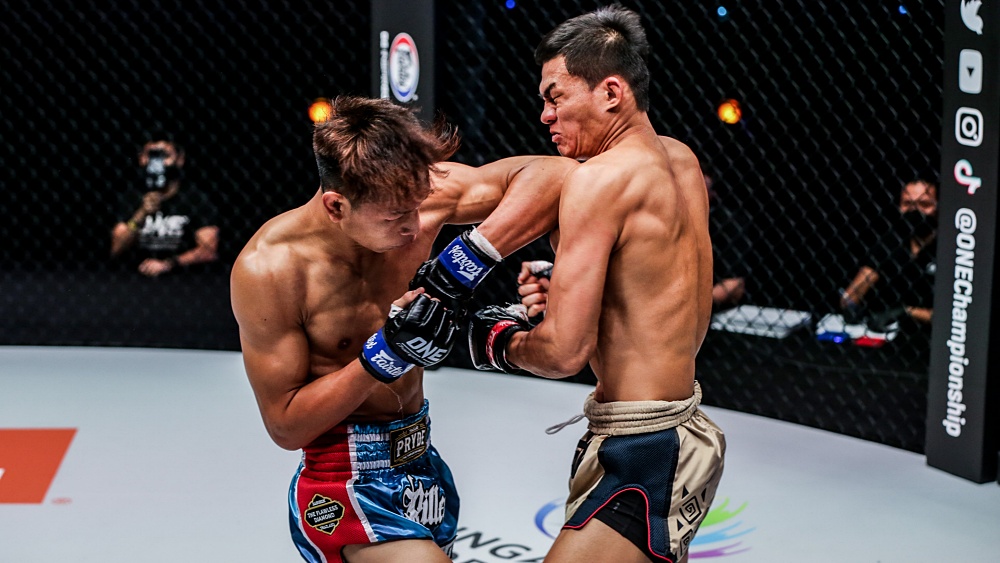
Among the many fighting styles in Muay Thai, few carry the same visceral impact as Muay Sok — the elbow fighter. These relentless hunters close distance at all costs to unleash the sport’s most savage and unpadded weapon, making them feared by opponents and beloved by fans. This article gives you a complete breakdown of the Muay Sok style: how elbow fighters operate in the ring, the significant weaknesses the style carries, and a detailed case study of Yodkhunpon Sittraiphum, the Golden Era legend known as “The Elbow Hunter of 100 Stitches”, who demonstrated how to overcome every one of those weaknesses through technique, fight IQ, and versatility. As Muay Thai World Champion and Evolve MMA instructor Chaowalit Jocky Gym explains, “The elbow is the shortest weapon in Muay Thai, but in the hands of a true Muay Sok, it is the most dangerous. Getting close enough to use it is an art in itself.”
Key Takeaways
- Muay Sok means “elbow fighter” and the style is built around closing distance to land elbows. These fighters use relentless pressure, tight guards, and sharp footwork to get past their opponent’s longer-range weapons.
- The style overlaps heavily with Muay Bouk. Because elbows require close range, most Muay Sok fighters are also aggressive forward-pressure fighters by necessity.
- Range management is the Muay Sok’s biggest challenge. Kick fighters and counter-fighters can score from distance while the elbow fighter struggles to close the gap, making footwork and angle-cutting essential skills.
- The clinch is both an opportunity and a threat. A Muay Sok needs specific clinch techniques to create elbow openings, or else skilled knee fighters will tie up their arms and neutralize them.
- Yodkhunpon Sittraiphum is the blueprint for elite Muay Sok fighting. His success came not from raw aggression alone but from mastering multiple styles and using them to set up his elbow attacks.
How Does A Muay Sok Fight?
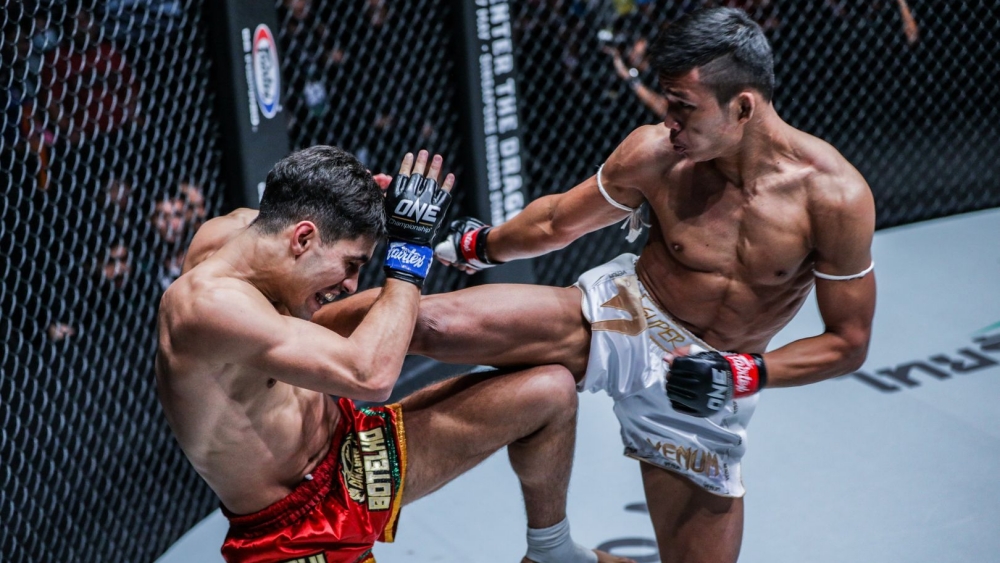
“Sok” is the Thai word for Elbow, so “Muay Sok” translates to “Elbow Fighter,” and this type of fighter does just as the name suggests, tirelessly looking to cut and flatten their opponents with sharp, unpadded elbow strikes.
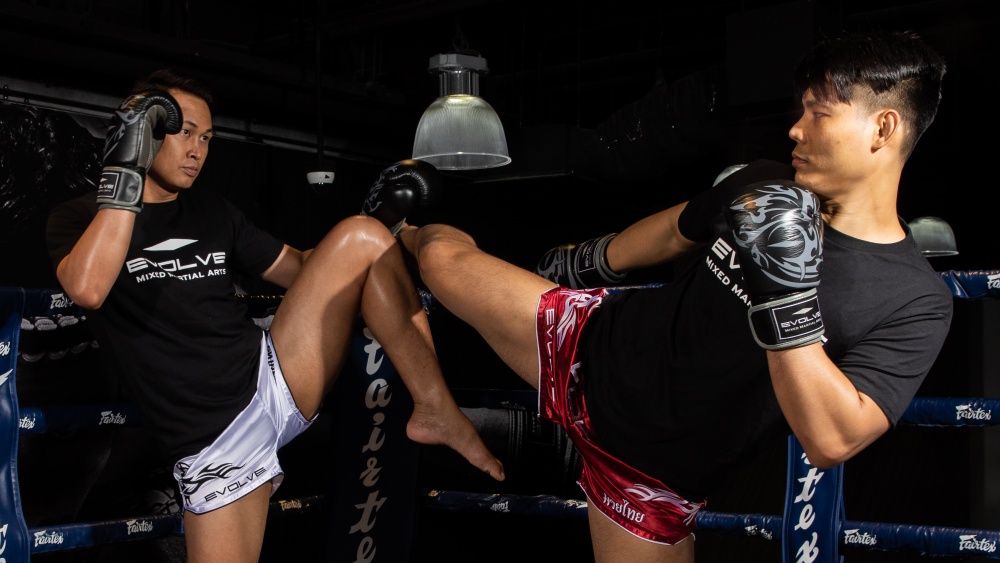
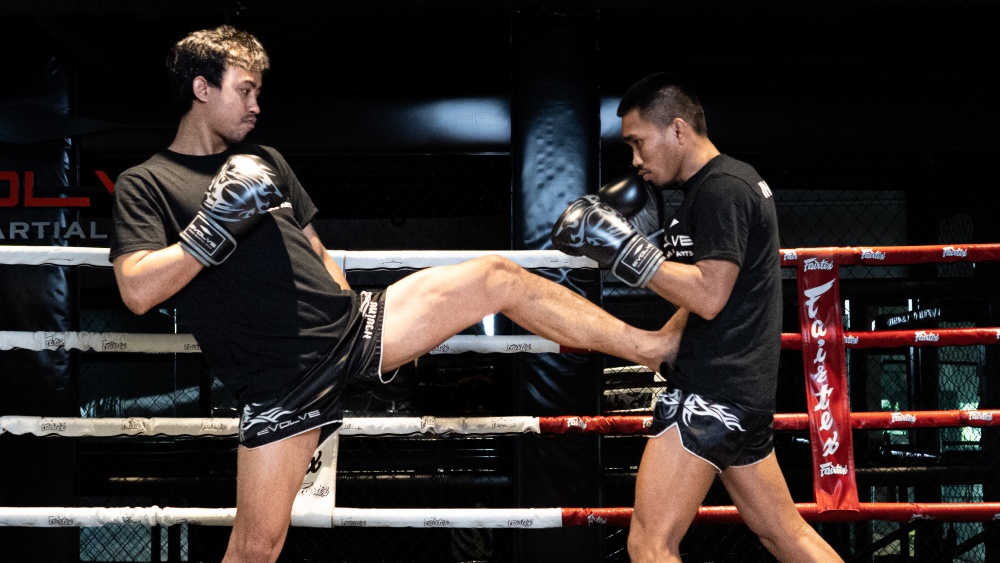
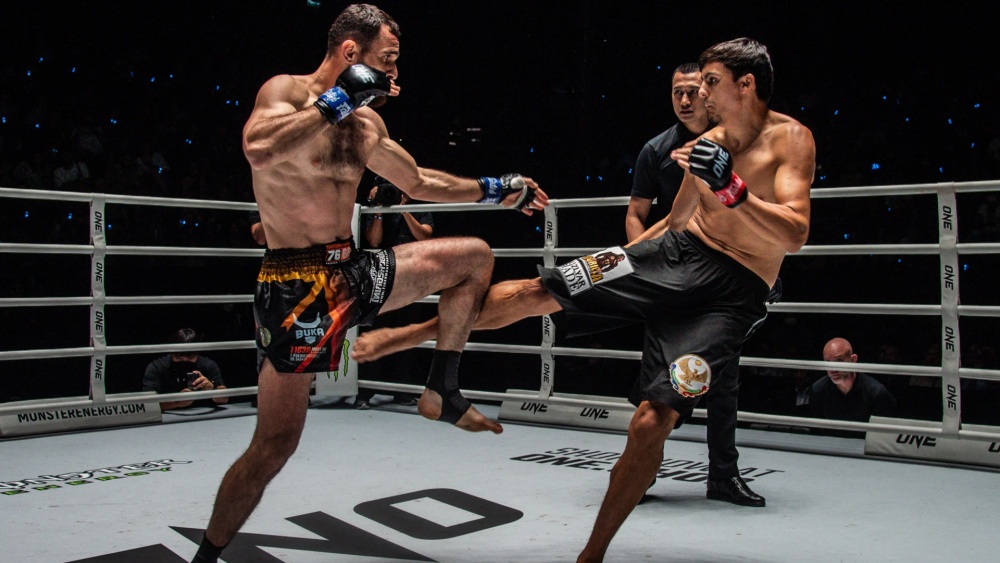
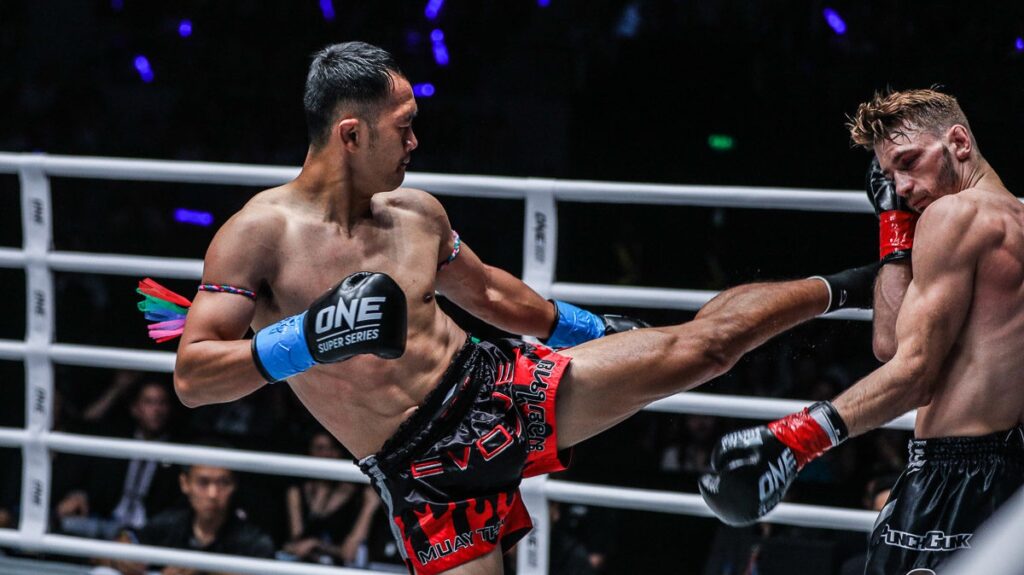
To throw elbows, a Muay Sok needs to get past all of their opponent’s ranged weapons. This doesn’t just include kicks and teeps, it also includes punching and knee strikes and so this style of fighter often falls into the category of “Muay Bouk,” which is Thai for aggressive fighters. They hunt their opponent across the ring with a tight guard, seemingly impervious to their opponent’s long-range weapons, until they have them cornered. Then, they will create openings for elbows with punches or by “stripping their opponent’s guard.
A great Muay Sok has fast footwork and can cut angles or move in and out of range quickly. This helps them avoid the clinch, which will tie up their arms and make elbows difficult. It also helps them to dodge their opponent’s punches, which in turn creates openings for more elbow strikes.
Nathan “Carnage” Corbett is one of the most devastating Muay Sok fighters in Muay Thai history. The video above explains the beautiful yet devastating elbow tactics he utilized to become one of The Best Headhunters In Muay Thai And Kickboxing History.
Muay Sok Weaknesses
Due to their need to be at an incredibly close range to use their preferred weapon, a Muay Sok is going to struggle against a Muay Tae (kick fighter) or Muay Femur (counterfighter) who can use their footwork and ringcraft to stay out of range whilst scoring points with their longer-range weapons. Even if a Muay Sok is able to briefly get into elbow range, they need to stay there long enough to make up for the damage they’ve taken both physically and on the scorecards.
While getting into a close-quarters fight is a Muay Sok’s priority, doing so can make them easy prey for a Muay Khao (clinch and knee fighter). A good clincher will look to tie up a Muay Sok’s arms while scoring their damaging knee strikes. With this in mind, a Muay Sok either needs to master the specific clinch techniques that create openings for elbows or master their footwork so they can strike and evade without falling into a Muay Khao’s grasp.
How To Be An Effective Muay Sok: A Case Study Of Yodkhunpon Sittraiphum
A Muay Sok who only charges forward, full steam ahead for an entire fight is susceptible to just about every attack in the Muay Thai encyclopedia. So, you might be wondering how on earth anyone can win a fight using this style. To answer this question, we look towards Yodkhunpon Sittraiphum, “The Elbow Hunter of 100 Stitches.”.
Yodkhunpon was a Golden Era legend who held simultaneous titles at Rajadamnern and Lumpinee, Bangkok’s most elite stadiums whilst fighting as a highly technical Muay Sok.
Yodkhunpon had an answer for every one of the Muay Sok weaknesses we’ve listed and was able to get past long-range weapons, steer opponents against the ropes, and elbow from the clinch without his opponents racking up an insurmountable number of strikes against him.
At range, he would use his own teeps and kicks to control and steer his opponent where he wanted them to go. In doing so he was able to trap them in positions where he could land elbows while keeping them in defensive mode. They were too busy defending to score with their long-range weapons and if they did throw them, he had mastered countering them. He would parry teeps to create opportunities to close distance and catch kicks in order to push opponents into ropes rather than simply sweeping them.
When on the offense Yodkhunpon wouldn’t just charge at his opponents in a predictable and easily countered pace. He would change tempo and angles constantly, making his opponents unable to tell when he was going to charge in for a killer elbow combination. He would feint kicks and teeps to help him succeed in this.
In mid-range, he would use his punches to create openings for elbows, much like Nathan Corbett. If he did get tied up in the clinch, he was able to control his opponent’s arms well enough to sneak in a few elbows and was known to throw knees to their bodies simply to distract them from protecting their head.
With Yodkhunpon’s example in mind, we can see that the secret to being a successful Muay Sok doesn’t come from simply being aggressive and throwing a lot of elbows. It actually comes from learning a variety of Muay Thai styles and developing a huge fight IQ. Watching Yodkhunpon fight you can see that he was able to fight in any style but simply chose to use their strengths to bolster his Muay Sok strategies. By utilizing Muay Tae and Muay Khao techniques as a supplement to his style he was able to overcome the elbow fighter’s disadvantages and rise to the top of Bangkok’s Golden Era Stadiums.
Conclusion
The Muay Sok is a savage elbow fighter known for using weaponized cardio and relentless pressure to overcome an adversary’s defenses. But the examples of Nathan Corbett and Yodkhunpon Sittraiphum prove that a great Muay Sok is not a mindless brawler, the style demands a complete fighter who uses long-range tools, clinch skills, and fight intelligence to create the openings that make elbows devastating. If you want to develop your Muay Sok game, you need to invest just as much time in your kicks, teeps, footwork, and clinch work as you do in mastering elbow combinations. The elbows finish the fight, but everything else gets you there.
“A Muay Sok who only knows how to throw elbows will never reach the top. The great ones, like Yodkhunpon, understood that the elbow is the final strike in a sequence that begins with footwork, continues through feints and range control, and ends with the opponent having nowhere left to go.” — Chaowalit Jocky Gym, Muay Thai World Champion & Instructor at Evolve MMA
Frequently Asked Questions About The Muay Sok Style
Q: What does Muay Sok mean?
A: Muay Sok translates to “elbow fighter” in Thai. It describes a Muay Thai fighting style built around closing distance and using elbow strikes as the primary offensive weapon.
Q: Is Muay Sok a major or minor style in Muay Thai?
A: Muay Sok is one of the five major recognized styles of Muay Thai, alongside Muay Femur (technical fighter), Muay Mat (heavy-handed puncher), Muay Khao (knee fighter), and Muay Tae (kick fighter).
Q: Why are elbows so effective in Muay Thai?
A: Elbows are unpadded, extremely sharp, and generate significant cutting and knockout power at close range. A clean elbow can open a deep cut that stops a fight or deliver concussive force that drops an opponent instantly.
Q: What is the biggest weakness of the Muay Sok style?
A: Range. Elbows require very close distance, which means a Muay Sok fighter must get past kicks, teeps, punches, and knees before they can use their best weapon. Skilled distance fighters can score heavily while the Muay Sok tries to close the gap.
Q: Who is the greatest Muay Sok fighter of all time?
A: Yodkhunpon Sittraiphum, known as “The Elbow Hunter of 100 Stitches”, is widely considered the greatest Muay Sok in history. He held simultaneous titles at Rajadamnern and Lumpinee during Muay Thai’s Golden Era, combining elite elbow technique with deep tactical intelligence.
Q: Can you use the Muay Sok style if you are not naturally aggressive?
A: Yes. While the style requires forward pressure, it is ultimately built on technique, timing, and fight IQ rather than raw aggression. Yodkhunpon’s success came from intelligent pressure and setup work, not from blindly charging forward.
Q: How do I start developing elbow techniques for Muay Sok?
A: Begin with pad work focused on basic elbow strikes — horizontal, diagonal, uppercut, and spinning elbows. Then progress to combination work that sets up elbows with punches, and drill entries that close distance safely. Sparring rounds with a specific focus on creating elbow openings will build the timing needed for live application.
Q: How does a Muay Sok handle clinch fighters?
A: A skilled Muay Sok learns clinch techniques that create space for short elbows rather than allowing the opponent to fully lock up their arms. Controlling the biceps, swimming for inside position, and using knees as distractions to set up elbows are all key tactics against clinch-dominant opponents.
You may also like: