Summary
Japan has produced some of the most technically refined and disciplined fighters in modern combat sports. Across boxing, MMA, kickboxing, and Muay Thai, Japanese athletes have built global reputations through their precision, consistency, and respect for traditional martial values.
This article highlights some of the most prominent Japanese fighters of the modern era and explores how they have shaped their respective sports on the world stage.
Key Takeaways
- Japanese fighters are known for their commitment, unwavering determination, and discipline across multiple combat sports disciplines.
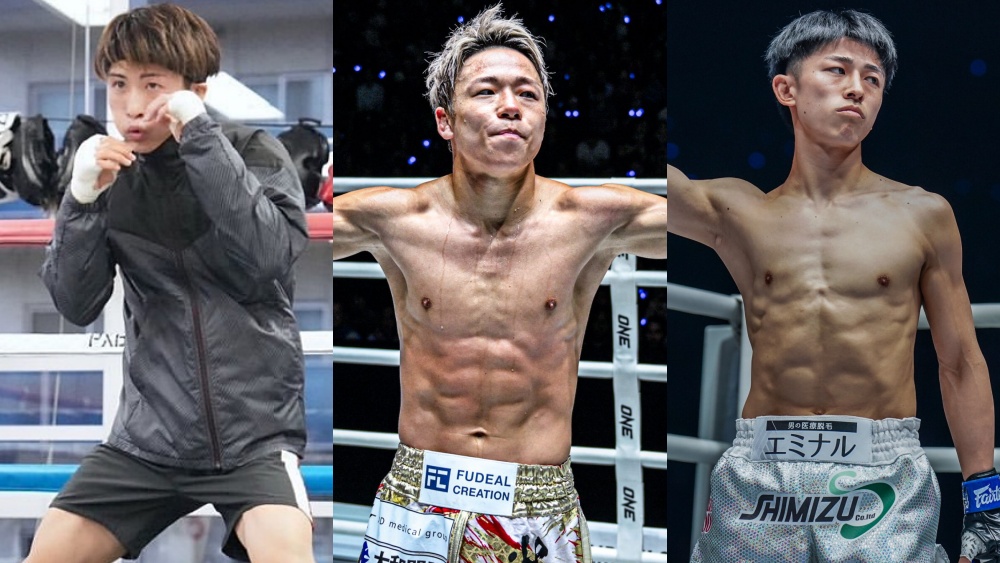
- Japanese athletes like Naoya Inoue, Takeru Segawa and Yuya Wakamatsu among others succeeded at the highest international level in boxing, MMA, kickboxing, and Muay Thai.
- The impact of Japanese athletes extends far beyond wins and losses, shaping training standards and earning global respect for Japanese martial arts culture.
That being said, this article discusses and shares the most prominent fighters in respective disciplines of combat sports in the modern era.
1) Naoya Inoue
Widely regarded as one of the best pound-for-pound boxers of his generation, Naoya Inoue has redefined modern Japanese boxing. Known for his speed, accuracy, and explosive power, he has dominated multiple weight divisions while maintaining a high level of technical polish.
Inoue’s success is built on timing and efficiency rather than reckless aggression. His ability to break opponents down methodically while remaining defensively sound has earned him international recognition and consistent praise from boxing analysts worldwide.
2) Takeru Segawa
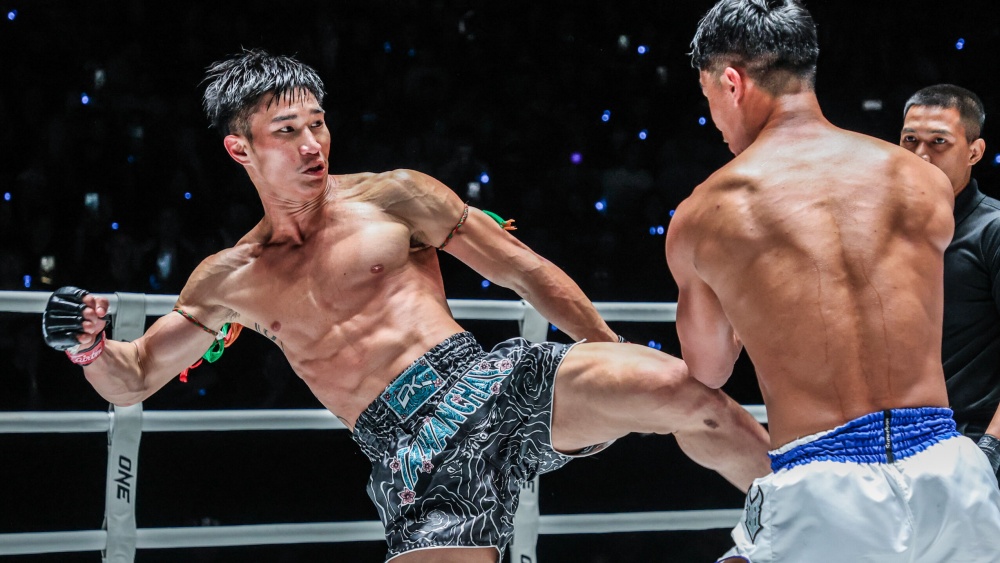
Takeru Segawa stands as one of the most influential figures in modern kickboxing. Rising through the K-1 system and most recently ONE Championship, he became known for relentless pressure, durability, and refined striking fundamentals.
What sets Takeru apart is his ability to combine volume with technique. His fights consistently showcase elite conditioning and mental resilience, making him a benchmark for high-level kickboxing competition in the modern era.
3) Nadaka Yoshinari
Nadaka Yoshinari is one of the most decorated Japanese Muay Thai fighters in history. Training and competing extensively in Thailand, he achieved rare success by capturing major stadium titles and earning recognition as a multi-time Muay Thai world champion at only 24 years old.
Nadaka’s style emphasizes balance, timing, and control. His ability to succeed under traditional Thai scoring systems highlights both technical mastery and deep respect for Muay Thai culture.
4) Yuya Wakamatsu
Yuya Wakamatsu represents the modern Japanese MMA fighter. Competing on a global stage at ONE Championship, he’s known for explosive wrestling, strong physicality, and relentless pace.
Wakamatsu’s approach reflects a blend of traditional Japanese grappling with modern MMA conditioning. His adaptive performances demonstrate how Japanese fighters continue to evolve while maintaining strong foundational skills.
5) Kyoji Horiguchi
Kyoji Horiguchi has been one of Japan’s most successful MMA exports. Competing at the highest levels internationally, he’s known for speed, technical striking, and intelligent fight management.
Horiguchi’s career helped re-establish Japan’s presence in elite MMA competition. His disciplined style and adaptability across rule sets make him one of the most respected Japanese fighters of the modern era.
Why Japanese Fighters Stand Out Globally
Across disciplines, Japanese fighters often share common traits. Technical fundamentals are prioritized early. Conditioning is built through consistency rather than shortcuts. Respect for opponents and craft is deeply ingrained.
These qualities allow Japanese fighters to adapt across rule sets and compete successfully against a wide range of international styles.
Final Thoughts
The modern era of combat sports has showcased Japan as a consistent producer of elite fighters across boxing, MMA, kickboxing, and Muay Thai. Athletes like Naoya Inoue, Takeru Segawa, Nadaka Yoshinari, Yuya Wakamatsu, and Kyoji Horiguchi represent more than individual success. They reflect a broader culture of discipline, technical excellence, and respect for martial arts tradition.
As combat sports continue to globalize, Japanese fighters remain central figures in shaping high-level competition and setting technical standards for future generations.
You may also like: