Summary
Over the last few years, a remarkable shift has been happening in the world of television and fitness. Reality competition shows built around extreme physical challenges are no longer niche, they’re becoming mass-market phenomena. Shows like Physical: 100 and its international counterpart Physical: Asia have captured the attention of millions, blending sports, entertainment, and physical achievement in fresh ways.
Today, we’ll explore how this new generation of “physical reality shows” is influencing fitness culture, reshaping how we think about workouts, and inspiring new trends in gyms and training studios.
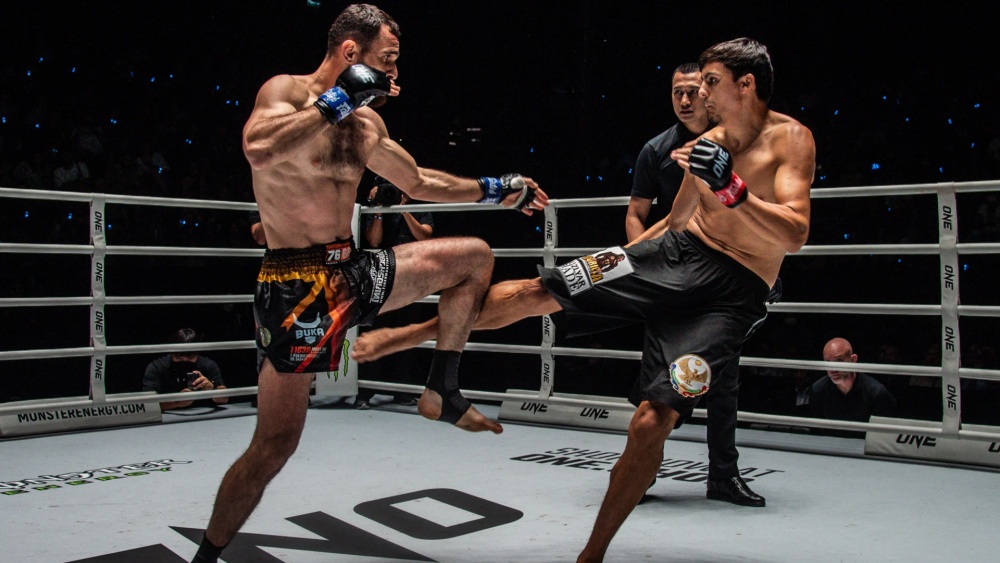
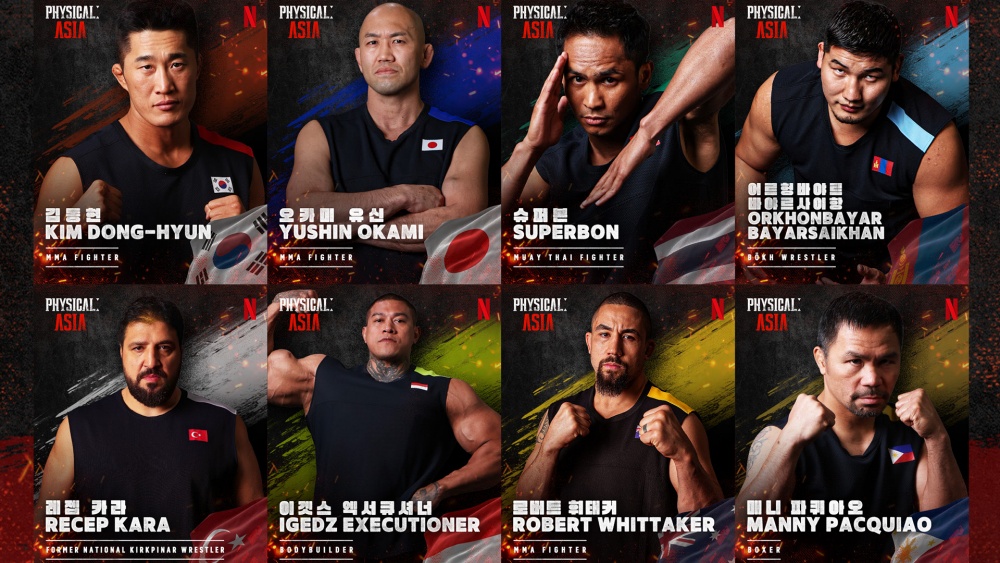
We’ll also highlight a few standout competitors, Superbon, a Muay Thai fighter and the current ONE Featherweight Kickboxing World Champion; Manny ‘Pacman’ Pacquiao, the legendary boxer who has inspired millions around the world and Enkh-Orgil Baatarkhuu, rising Mongolian MMA prospect and protégé of former MMA World Champion Narantungalag “Tungaa” Jadambaa, among others. Their participation reflects a growing trend of professional fighters crossing over into physical competition shows, showing that combat athletes possess not only technical ability but also remarkable conditioning, adaptability, and mental toughness.
What Are These Shows And Why Are They Popular?
Physical reality shows focus on raw athleticism, endurance, strength, and teamwork rather than just celebrity drama or social conflict. For example, Physical: Asia features 48 athletes from eight countries competing in grueling challenges like sand-bag hauls, fortress-style battles, and extreme strength tests.
The format resonates with viewers because it’s aspirational: ordinary people or athletes take on extraordinary physical tasks, pushing boundaries and showing resilience. The global reach of these shows means that viewers in Singapore, Southeast Asia, and beyond are consuming them and looking for ways to replicate, or at least be inspired by, the training shown on screen.
Fitness Trends Echoing From Reality TV To The Gym Floor
1) Functional Strength & Multi-Modal Training
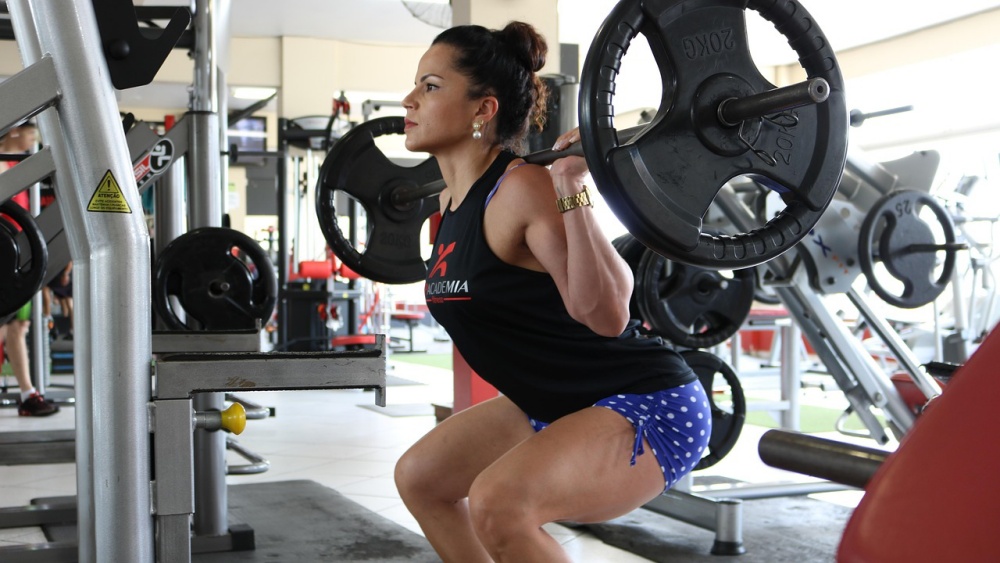
Many challenges in these shows require not just lifting or sprinting, but combining strength, endurance, balance, and agility. That has translated into more emphasis in gyms on functional workouts that mix kettlebells, sled pushes, rope work, and body-weight drills.
2) Obstacle And Team-Based Workouts
Because these shows often feature obstacles, team tasks, and dynamic movement, we’re seeing more fitness brands and studios adopt similar formats. Group fitness classes might now include partner sled pushes, sandbag relays, or timed circuits that mirror the competition style of these shows.
3) Role Models From Star Athletes
When athletes like Superbon, Manny Pacquiao and Enkh take part, the line between combat sports and general fitness blurs. Their presence in Physical: Asia brings martial arts pedigree into mainstream fitness-entertainment.
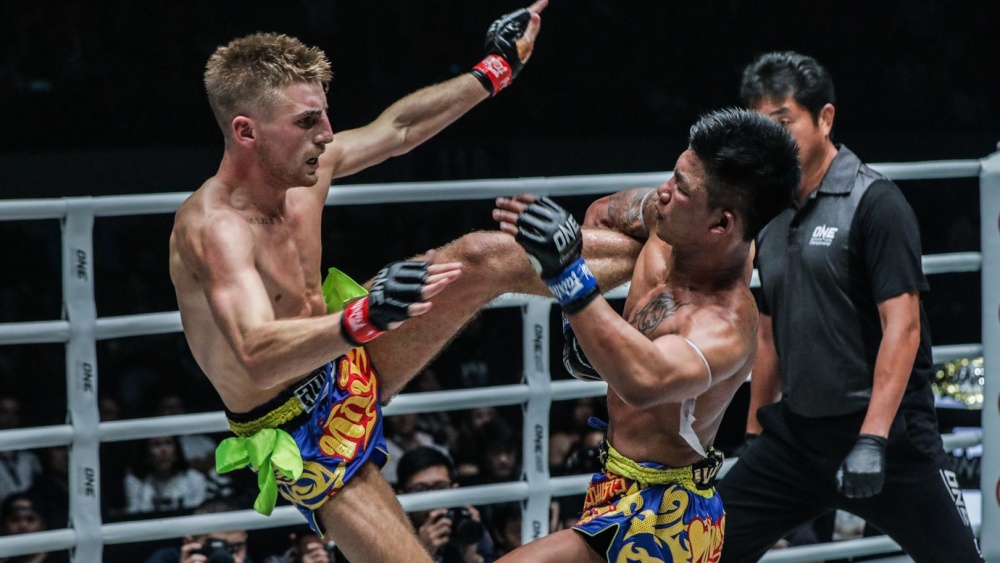
Superbon is a Kickboxing World Champion and Muay Thai fighter who leads Team Thailand in Physical: Asia.
His involvement brings direct martial arts credibility into the physical-reality-show genre.
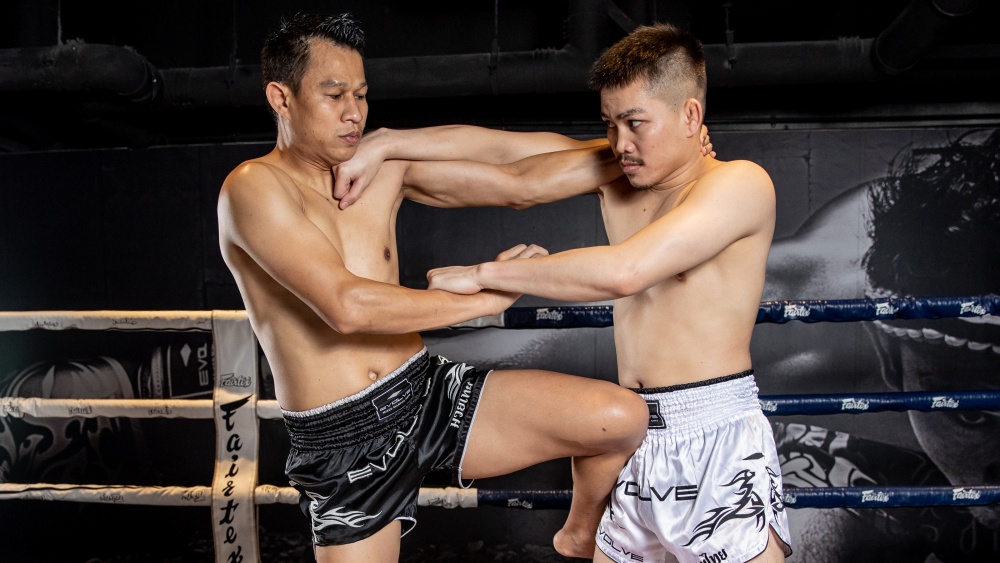
For Muay Thai enthusiasts globally, Superbon’s crossover signals that martial-arts technique, discipline, and conditioning are now relevant not only in ring sport but also in mainstream physical entertainment. That broadens how people see martial-arts training: it becomes appealing not just to fighters, but to anyone seeking high-performance fitness, dynamic movement, and challenge-based workouts.
Manny Pacquiao is one of boxing’s greatest icons, known for his lightning-fast hands, relentless pace, and unmatched fighting spirit. His appearance in Physical: Asia adds global star power to the show, bridging the worlds of professional boxing and mainstream entertainment.
Beyond his athletic achievements, Pacquiao represents perseverance, humility, and heart, values that continue to inspire millions across generations. His presence reminds viewers that true greatness comes from discipline, faith, and the willingness to keep pushing forward, both in sport and in life.
Enkh-Orgil Baatarkhuu is a rising Mongolian MMA prospect and a protégé of former ONE Featherweight MMA World Champion Narantungalag “Tungaa” Jadambaa. With a strong foundation in wrestling and a growing reputation for toughness and composure, Enkh-Orgil brings a fresh competitive edge to Physical: Asia.
His participation shines a light on Mongolia’s deep martial arts culture, where traditional wrestling and modern MMA meet. Enkh-Orgil embodies the next wave of martial artists, skilled, well-rounded, and ready to face anything placed in front of him.
4) Increasing Focus On Performance Over Aesthetics
These shows emphasize what the body can do, not just how it looks. That shift moves gym culture slightly away from purely aesthetics and more toward performance, durability, and multi-dimensional fitness.
5) Challenges And Gamification of Fitness
Because the shows are framed as competitions with winners, elimination, and real stakes, they naturally inspire a gamified approach to training. Workouts become more challenge-based, timed, competitive (with self or others), and trackable.
What This Means For Fitness Across The Globe
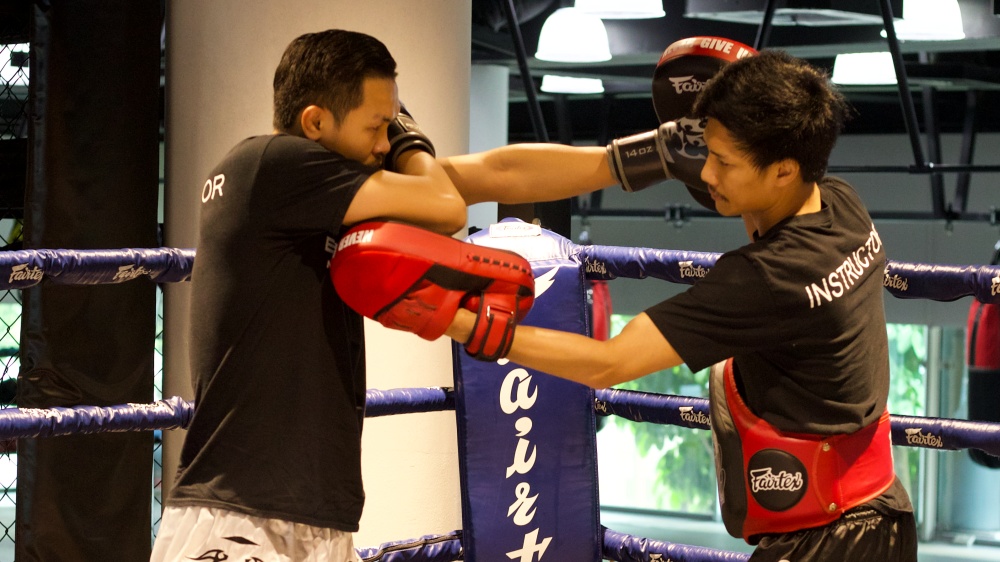
- Local Gyms And Studios Are Adapting: You may see more “competition-style” workout sessions, team relays, functional obstacles, or martial-arts-inspired circuits.
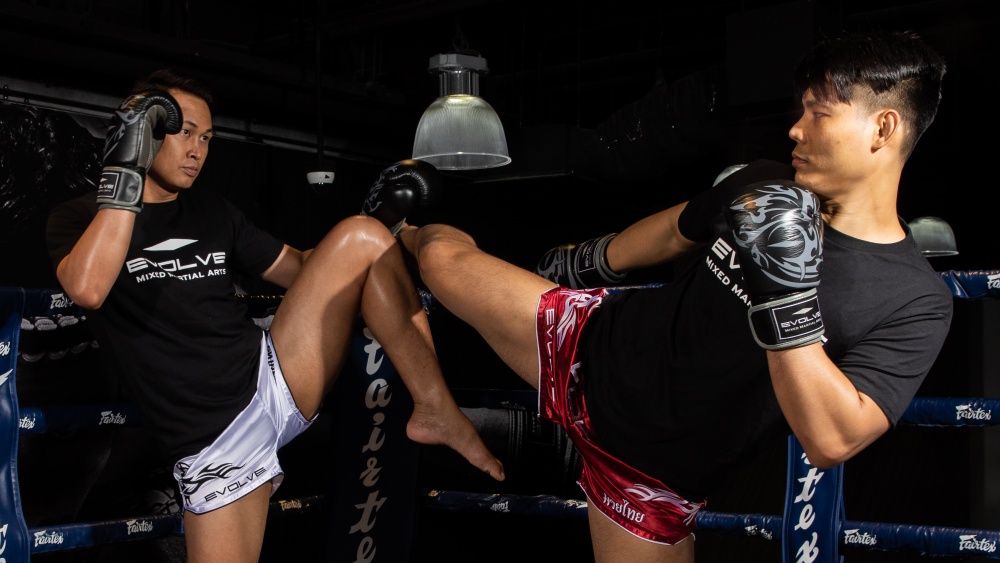
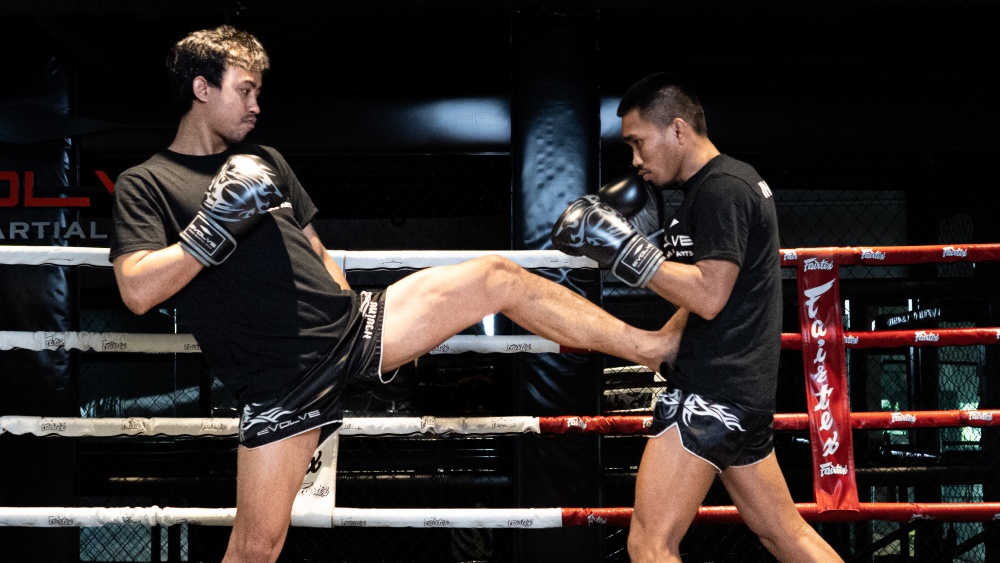
- Broader Appeal Of Martial Arts: Martial-arts training is no longer just for self-defense or sport; it’s being positioned as elite fitness.
- Greater Media-Driven Motivation: Viewers inspired by these shows often look for “how can I train like that”, which means gym owners and instructors can capitalize on that interest.
- Community And Social Elements: These shows emphasize teamwork and national pride. As a result, group workouts, team challenges, and fitness communities are gaining more traction.
- Sustainability Matters: Just like those on the screen, regular gym-goers need training they can sustain. The trick is adapting high-intensity spectacle into progressive, safe routines.
Final Thoughts
The rise of physical reality shows like Physical: Asia is more than entertainment; it’s a mirror of evolving fitness culture. By showcasing elite athletes, cross-discipline challenges, and visceral performance, they inspire individuals to train differently, push harder, and think beyond standard “gym-machine” workouts.
Whether you’re training in martial arts, boxing, Muay Thai, or general functional fitness in Singapore, the shift is clear: performance, challenge, teamwork, and versatility are now front and centre. And with champions like Superbon leading the charge, martial arts-inspired fitness has truly entered the mainstream.
You may also like:
Why Deadlifts Might Be The Best Strength Exercise For Martial Artists