Summary
Deadlifts are often considered one of the most complete strength movements in fitness, but for martial artists, they’re more than just a gym staple. This article breaks down what deadlifting actually is, how it became a fundamental lift in strength culture, and why developing pulling power, hip drive, and posterior chain strength directly benefits your performance in Muay Thai, BJJ, and MMA.
What Exactly Is A Deadlift?
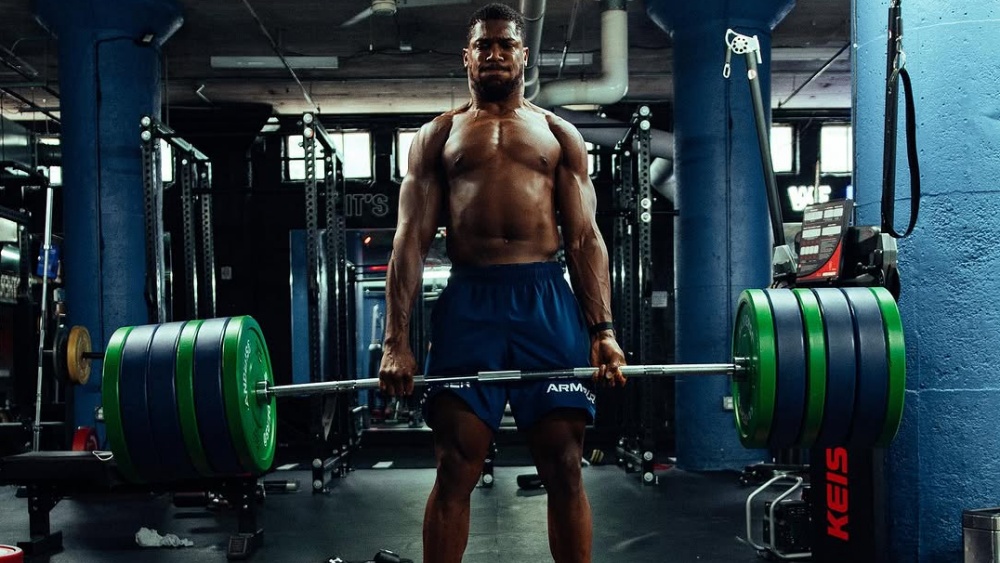
The deadlift is one of the oldest recorded strength movements, dating back to early strongman training, where the goal was simple: pick something heavy off the ground. Unlike squats or bench presses, which start with the weight already under control, the deadlift begins from a dead stop, hence the name.
Today, it’s a foundational movement in powerlifting and strength sports, but its simplicity makes it perfect for athletes: grip the weight, hinge at the hips, brace your core, and lift. No fluff, no gimmick, just raw power.
Why Deadlifting Matters For Martial Artists
Martial arts demand explosive hip drive, posture under resistance, core stability, and grip strength, all of which are trained directly through deadlifts. Here’s how the carryover shows up:
- Builds Hip Power – The Engine Of Kicks And Takedowns: Whether you’re throwing a Muay Thai roundhouse kick or shooting for a BJJ double leg, hip extension is the engine behind the movement. Deadlifts train that exact pattern: strong hips, powerful drives.
- Strengthens The Posterior Chain (Back, Glutes, Hamstrings): This muscle group is often neglected in traditional gym routines. For martial artists, it’s essential for staying upright in the clinch, resisting takedowns, and keeping posture while grappling.
- Improves Core Stability And Bracing: Every deadlift rep teaches you one thing: if your core isn’t engaged, you collapse. That same bracing is what keeps you safe when absorbing kicks, framing under pressure, or defending shots.
- Grip Strength For Clinch And Gi Control: Holding the bar builds pure grip endurance. In BJJ, a stronger grip means longer sleeve control. In Muay Thai, it helps dominate the clinch. In MMA, it makes hand-fighting and wrist control far more effective.
- Teaches Full-Body Power Transfer: In martial arts, power must travel from the ground, through the hips, to the strike or movement. Deadlifting reinforces that ground-to-body transfer, making your movements more connected and efficient.
Practical Benefits Of Deadlifting For Muay Thai, BJJ, And MMA
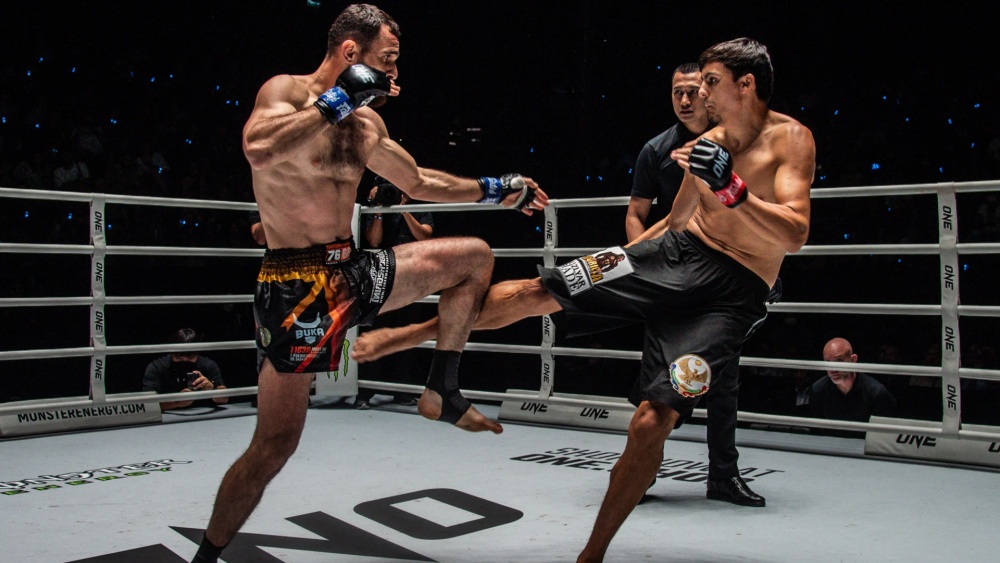
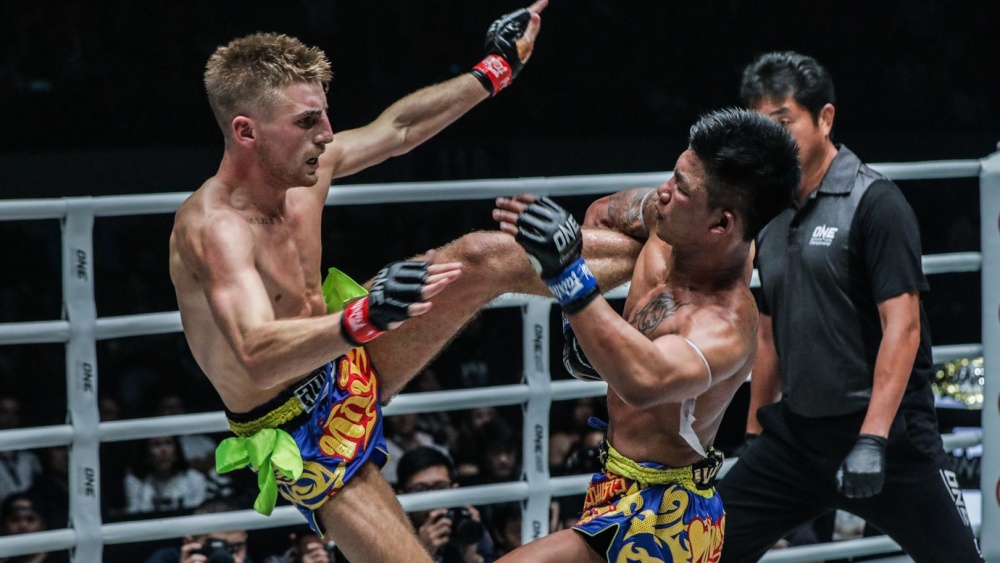
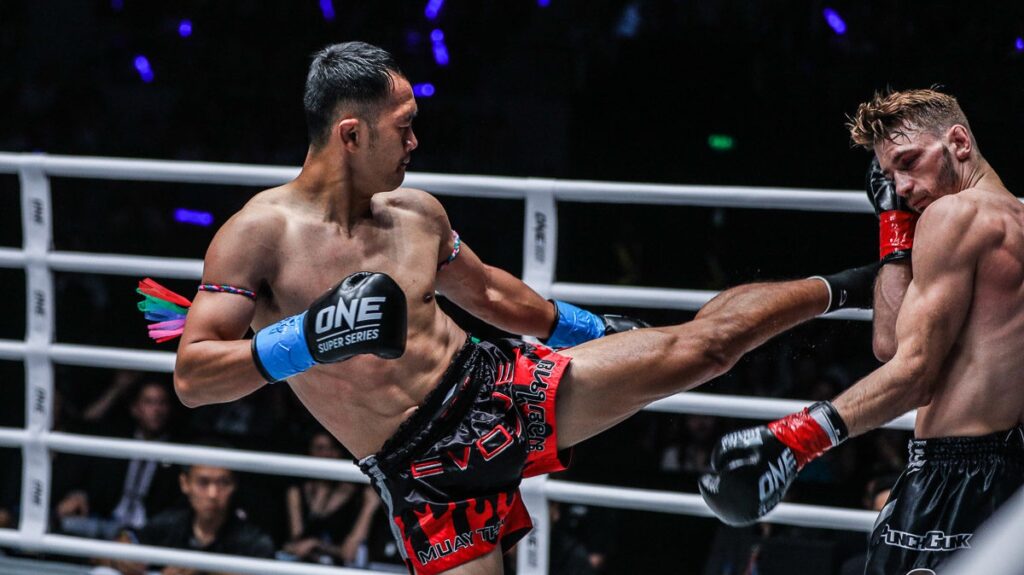
For Muay Thai practitioners, deadlifting builds powerful hips and a rock-solid stance. When your posterior chain is strong, your kicks feel heavier and more connected, and you’re much harder to off-balance during clinch exchanges. A stable base means you can throw strikes with confidence without compromising your footing.
In Brazilian Jiu-Jitsu, posture is everything. Whether you’re trying to stand in someone’s guard, defend a sweep, or resist a takedown. Deadlifts strengthen the muscles that keep your spine aligned and your hips engaged, making it much harder for opponents to break you down. Plus, the grip strength developed from holding heavy weights directly transfers to sleeve, collar, and wrist control.
For MMA athletes, deadlifting supports explosive takedown entries and scrambles. The hip extension used in a deadlift mirrors the mechanics of sprawling, shooting, and driving through an opponent. A stronger posterior chain means you can stuff takedowns more effectively and recover faster during transitions.
And even if you’re not competing, deadlifts offer a general conditioning advantage, building full-body strength without unnecessary muscle bulk. With proper programming, they enhance power output while keeping you mobile and fast, making them one of the most efficient strength tools for combat sports athletes.
Common Misconception: “Deadlifts Will Make Me Too Big Or Slow”
This is where many martial artists get it wrong. Heavy deadlifting done once or twice a week with proper recovery builds strength without unnecessary mass. Martial artists don’t need bodybuilding reps; they need low-volume, heavy, neural-strength training. That means strength without losing speed or mobility.
How To Integrate Deadlifts Into Martial Arts Training
- Once or twice a week is enough — keep it sustainable.
- Stick to low reps (3–5) for strength without fatigue.
- Prioritize form over ego — rounded backs lead to setbacks, not progress.
- Pair with mobility work to keep your hips and lower back loose for training.
Final Thoughts
Not every gym exercise translates well to martial arts, but deadlifts do. They strengthen the exact mechanics you use when you sprawl, clinch, kick, shoot, or scramble. They build confidence in your base, power in your hips, and resilience through your core.
If you’re going to add just one strength movement to complement your Muay Thai, BJJ, or MMA training, make it the deadlift.
FAQ: Deadlifting For Martial Arts Training
Q: Will Deadlifting Make Me Too Bulky For Martial Arts?
A: Not if it’s programmed correctly. Martial artists benefit most from low-rep, high-quality strength work, not bodybuilding-style volume. Done right, deadlifts build power without adding unnecessary mass.
Q: How Often Should A Martial Artist Deadlift?
A: Once or twice a week is more than enough. The goal is to increase strength without affecting recovery for pad work, sparring, or grappling sessions.
Q: Is Deadlifting Safe For Beginners?
A: Yes, as long as technique comes before weight. Start with light loads, learn the hip hinge properly, and progress gradually. Many injuries come from ego lifting, not the movement itself.
Q: Should I Deadlift Before Or After Martial Arts Training?
A: For most people, strength work is best done on separate days or before a lighter technical session, not after intense sparring or rolling. Fatigue reduces form, and deadlifts demand precision.
Q: Can I Replace Squats With Deadlifts In My Conditioning Routine?
A: Deadlifts and squats serve different purposes. Squats build leg drive and stability, while deadlifts focus more on the posterior chain, hip extension, and pulling strength, all crucial for sprawls, grip breaks, and clinch control. Ideally, use both, but if you had to pick just one for martial arts, deadlifts give more total-body return.
You may also like: