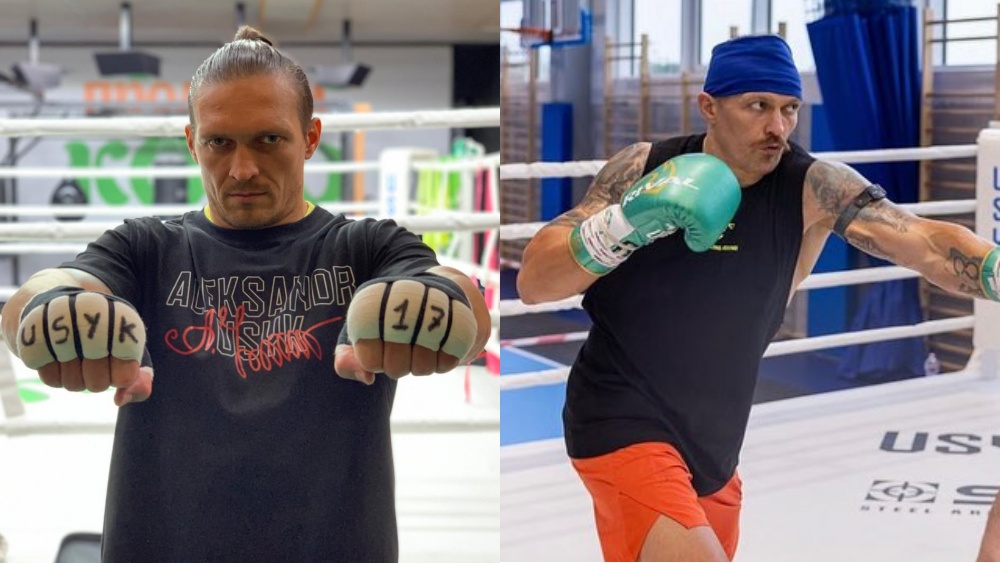

For decades, running has been considered an essential part of a martial arts fighter’s training. From boxers pounding the pavement at dawn to Muay Thai athletes logging endless roadwork sessions in Thailand, running has long been tied to the identity of martial arts conditioning. But as modern sports science evolves, many fighters and coaches are beginning to ask: Is running still necessary for martial artists, or are there better alternatives that can improve performance and protect long-term health?
The Role Of Running In Martial Arts
Running, or “roadwork,” has been the backbone of combat sports conditioning for generations. Boxers often relied on long-distance running to build stamina, while Muay Thai fighters in Thailand traditionally ran every morning before hitting pads and heavy bags. The reasoning was simple: if you could run for miles, you could keep pushing through grueling rounds in the ring.
But martial arts are evolving. MMA fighters, Brazilian Jiu-Jitsu practitioners, and even modern boxers are supplementing or replacing traditional roadwork with training methods that are more specific to the demands of fighting.
Pros Of Running For Fighters
Running still has undeniable benefits for martial artists:
- Cardiovascular Endurance: Long-distance running builds a base level of aerobic capacity that helps fighters maintain pace throughout long sparring sessions or competition rounds.
- Weight Management: Roadwork can be a useful tool for fighters who need to maintain or cut weight before a match.
- Mental Toughness: Running, especially long-distance, develops grit and discipline, traits essential for any martial artist.
The Downsides Of Running
Despite its reputation, running also has drawbacks that fighters need to consider:
- Impact On The Joints: Many athletes worry about the impact running has on their knees. While moderate runs on good surfaces are generally safe, excessive mileage, especially on hard pavement, can take its toll over time.
- Time-consuming: Fighters already train for hours in striking, grappling, and sparring. Long-distance runs can eat into valuable recovery or skill-training time.
- Not Always Fight-Specific: Unlike explosive movements in the cage or ring, steady-state jogging doesn’t fully mimic the intensity or energy systems required in a fight.
Alternatives To Running For Martial Artists
If running isn’t the best fit, there are effective alternatives that build fight-ready conditioning while reducing impact on the body:
- Swimming: Builds aerobic endurance while being gentle on the joints. Excellent for recovery days.
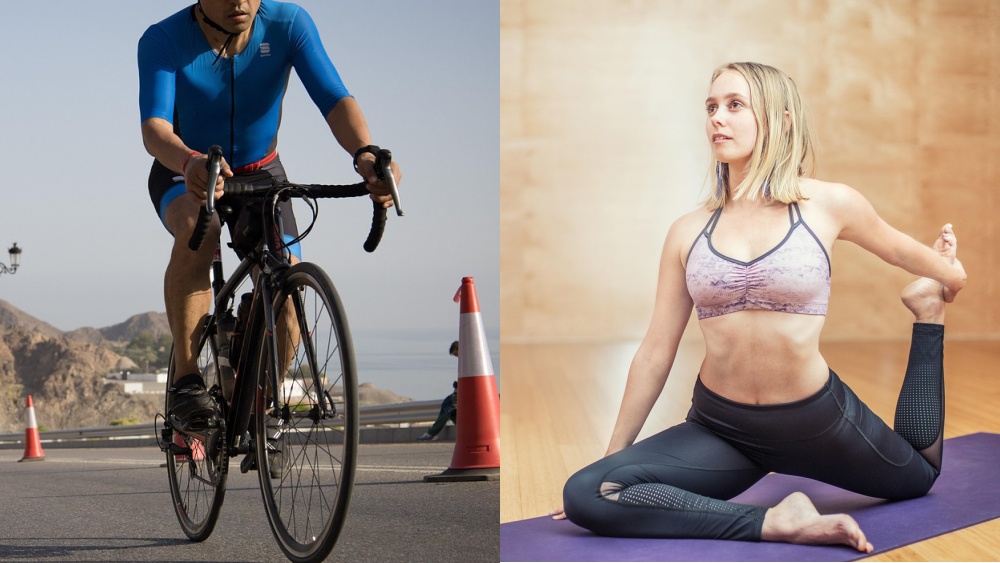
- Cycling: Provides a cardiovascular boost without the pounding of running. Great for maintaining stamina.
- High-Intensity Interval Training (HIIT): Short bursts of sprints, circuits, or padwork mimic the stop-and-go intensity of actual fights.
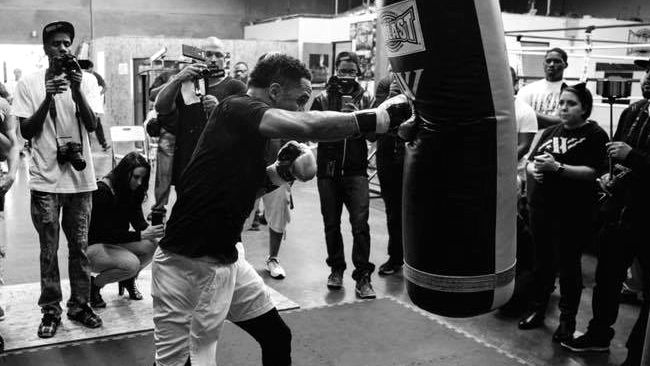
- Circuit Training And Bag Work: Fighters can condition while sharpening technique, getting “two birds with one stone.”
Which Martial Arts Benefit Most From Running?
Not all martial arts demand the same type of conditioning. Running can be more valuable for some disciplines than others:
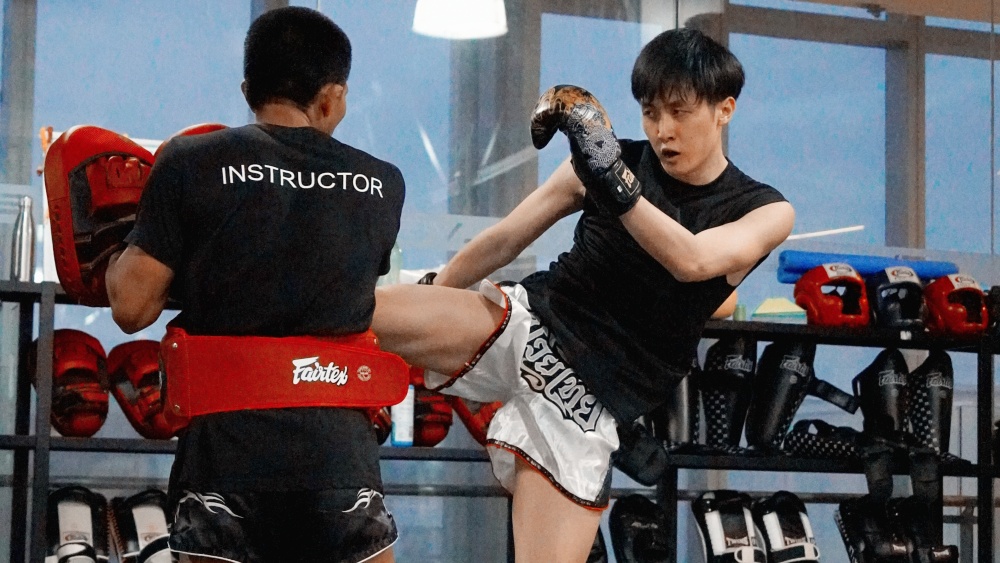
- Boxing And Muay Thai: Running remains an effective conditioning tool. Both sports rely heavily on pacing, rhythm, and sustained output across multiple rounds. Roadwork helps maintain that stamina.
- MMA: Fighters benefit from mixing traditional running with more explosive conditioning like sprints, circuits, and wrestling-based drills to reflect the sport’s chaotic pace.
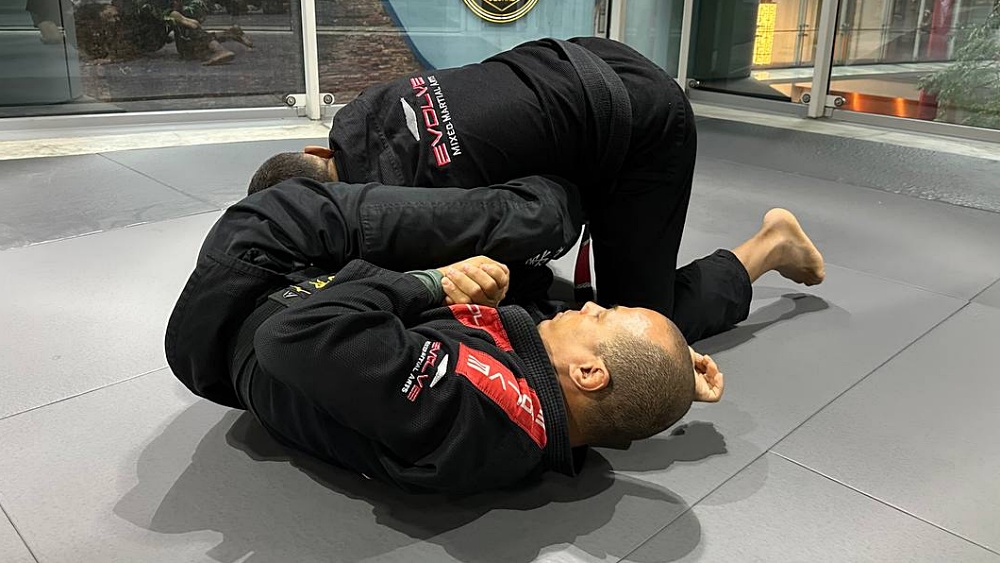
- Brazilian Jiu-Jitsu: While some BJJ athletes run, many focus on sport-specific cardio like drilling, positional sparring, or swimming. The lower intensity of rolling means roadwork isn’t as critical compared to striking arts.
Balancing Tradition And Modern Training
The truth is, running is neither overrated nor a golden standard, it’s a tool. For some fighters, especially in boxing and Muay Thai, it still plays a crucial role. For others, alternatives like swimming, cycling, or HIIT may offer more efficient and safer ways to build endurance while keeping joints healthy.
The key is personalization. A fighter’s age, body type, martial art, and fight schedule should all determine whether running is essential, supplemental, or replaceable.
FAQ: Running And Martial Arts
With that, we’ve pooled a list of frequently asked questions when it comes to running and martial arts, some of which include:
Q: Is Running Bad For Your Knees If You Train Martial Arts?
A: Running in moderation on softer surfaces is generally safe. Issues often arise from overtraining or poor form. Alternatives like swimming or cycling can reduce impact while building cardio.
Q: Do Martial Artists Still Need Long-Distance Running?
A: Not all do. Boxers and Muay Thai fighters benefit most from it, while BJJ practitioners often find drilling and rolling better suited to their needs.
Q: What Are The Best Alternatives To Running For Fighters?
A: While there are many alternatives, the most common ones include swimming, cycling, HIIT, and bag circuits, all of which mimic fight intensity while being easier on the joints.
Q: Should Muay Thai Fighters Run Every Day?
A: Traditionally, many Thai fighters run daily. However, recreational athletes and older fighters should balance roadwork with rest and low-impact conditioning for longevity.
Q: Is Running Necessary For BJJ Athletes?
A: Not necessarily. While some BJJ practitioners run for general fitness, many prefer sport-specific conditioning or alternative cardio like swimming.
You may also like: